
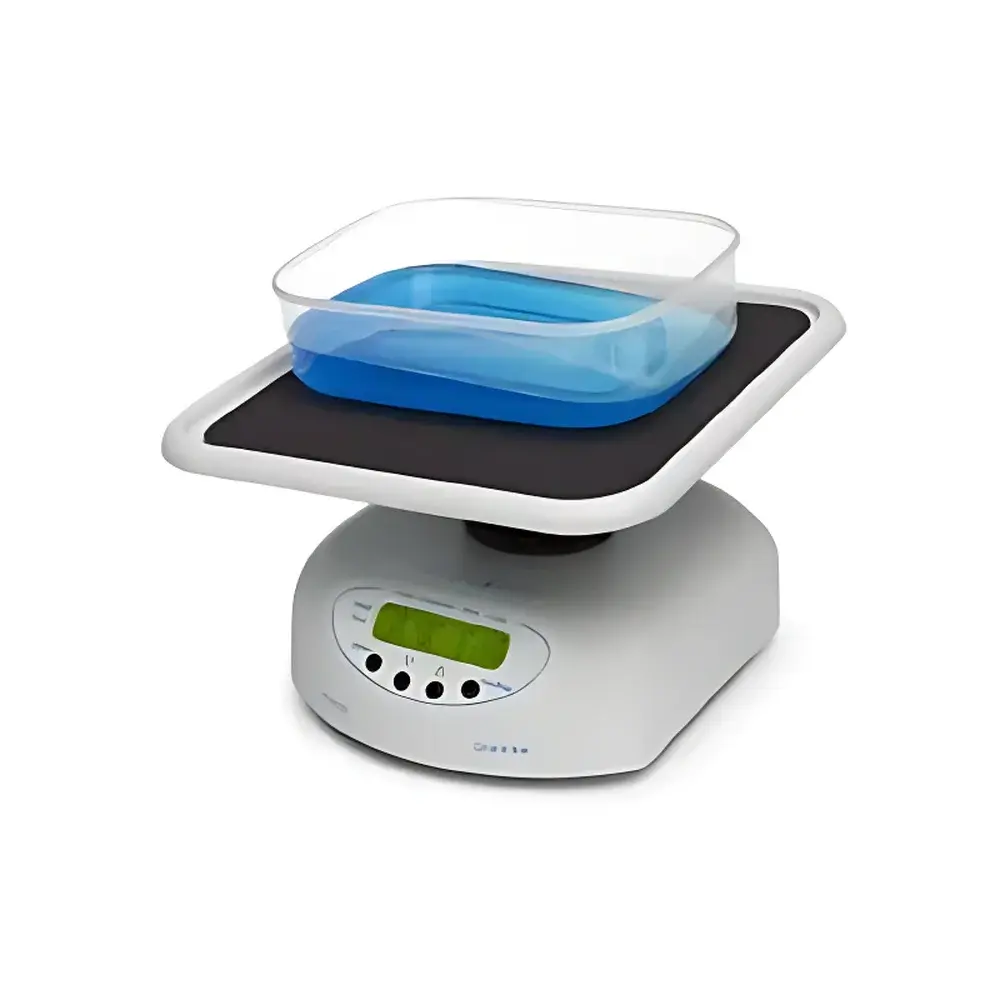
Grant PS-M3D Multimode 3D Orbital Shaker
| Brand | Grant |
|---|---|
| Origin | United Kingdom |
| Manufacturer Type | Authorized Distributor |
| Origin Category | Imported |
| Model | PS-M3D |
| Price | Upon Request |
Overview
The Grant PS-M3D Multimode 3D Orbital Shaker is an engineered platform for precise, reproducible sample agitation in life science laboratories. Unlike conventional 2D shakers, the PS-M3D employs a true three-dimensional motion architecture—combining orbital rotation, bidirectional rocking, and controlled oscillatory vibration within a single compact chassis. This multimodal capability enables physiologically relevant mixing of low-volume biological samples without foaming, phase separation, or shear-induced denaturation. The device operates on the principle of synchronized mechanical actuation: an eccentric drive system generates orbital displacement (22 mm diameter), while independently controllable stepper motors modulate tilt angle (0–7°) and angular excursion (1–360°) to emulate gentle yet effective suspension dynamics. Designed for use in cold rooms (4°C), standard labs (20–25°C), and incubator-adjacent workflows (up to 45°C), the PS-M3D maintains positional stability and torque consistency across its full operational envelope—critical for applications requiring adherence to GLP-compliant documentation protocols.
Key Features
- Triple-mode motion control: selectable 3D orbital (5–30 rpm), 3D reciprocating (1–360° tilt, 1–250 sec cycle), and 3D vibrational (1–6° amplitude, 1–5 sec pulse, 1–125 rotations per sequence)
- Dual-line 16-character LCD display with real-time parameter feedback and intuitive button-based programming interface
- Robust aluminum-alloy chassis with non-slip silicone-coated platform (215 × 215 mm active area; 238 × 238 mm outer footprint)
- DC-powered operation (12 V, 0.5 A) enabling safe integration into CO₂ incubators, biosafety cabinets, and refrigerated environments without AC line interference
- Programmable sequencing: continuous, timed (1–250 sec per mode), or cascaded multi-step protocols with automatic mode transition
- Included PTP-26 tube holder accommodates up to 26 × 11 mm diameter tubes—compatible with standard microcentrifuge and culture tubes (e.g., Eppendorf 1.5/2.0 mL, Falcon 15 mL)
Sample Compatibility & Compliance
The PS-M3D supports heterogeneous sample formats including microcentrifuge tubes, PCR strips, gel trays (up to 125 mm height clearance), and small-volume cell culture vessels (e.g., 6-/12-well plates with lid engagement). Its low-inertia drive system minimizes resonance-induced sample displacement during high-cycle vibrational modes. All mechanical and electrical components comply with IEC 61010-1:2010 safety standards for laboratory equipment. While not certified for sterile processing, the unit’s sealed motor housing and smooth, crevice-free surfaces support routine decontamination using 70% ethanol or 0.5% sodium hypochlorite—aligning with ISO 14644-1 Class 7 cleanroom maintenance practices. No internal battery or wireless transmission modules are present, eliminating RF interference concerns in sensitive electrophysiology or imaging setups.
Software & Data Management
The PS-M3D operates as a standalone instrument with no proprietary software dependency. All parameter settings—including speed, angle, duration, and sequence logic—are retained in non-volatile memory following power cycling. While it lacks USB or Ethernet connectivity, its deterministic timing resolution (±0.1 sec) and repeatable mechanical response enable full traceability under FDA 21 CFR Part 11–aligned manual logbook procedures. Users may document run parameters, operator ID, date/time stamps, and sample identifiers directly on lab notebooks or LIMS-integrated forms. The absence of firmware updates or cloud synchronization ensures long-term operational consistency—a key requirement for validated QC/QA workflows governed by ISO/IEC 17025.
Applications
- Immunoprecipitation wash steps and affinity resin equilibration (optimized for magnetic bead recovery with minimal pellet disruption)
- Gel staining (Coomassie, silver) and destaining cycles where uniform reagent penetration is critical
- Western blot antibody incubation (primary and secondary) with reduced background via consistent antigen-antibody contact kinetics
- Nucleic acid hybridization (Southern/Northern blots) requiring temperature-stable agitation without thermal gradient formation
- Low-volume tissue dissociation buffers and organoid suspension maintenance (≤5 mL volumes)
- Antibody conjugation reactions involving pH-sensitive fluorophores or enzyme labels
FAQ
What is the maximum load capacity of the PS-M3D platform?
The unit supports a static load of up to 1 kg distributed evenly across the platform surface.
Can the PS-M3D be operated inside a 4°C cold room or 37°C incubator?
Yes—it is rated for ambient operation between 4°C and 45°C, with thermal management designed to prevent condensation ingress at low temperatures.
Is the PTP-26 adapter compatible with 1.5 mL Eppendorf tubes?
Yes—the PTP-26 accommodates tubes with outer diameters ≤11 mm, including standard conical-bottom microcentrifuge tubes.
Does the shaker support external triggering or TTL input for synchronization with other instruments?
No—this model does not include hardware triggers or digital I/O ports; all operation is local and manually initiated.
How is calibration verified for regulatory compliance?
Grant provides factory calibration documentation (traceable to UKAS-accredited standards); end-users perform periodic verification using calibrated tachometers and inclinometers per internal SOPs aligned with ISO/IEC 17025 clause 6.5.
Related Products




