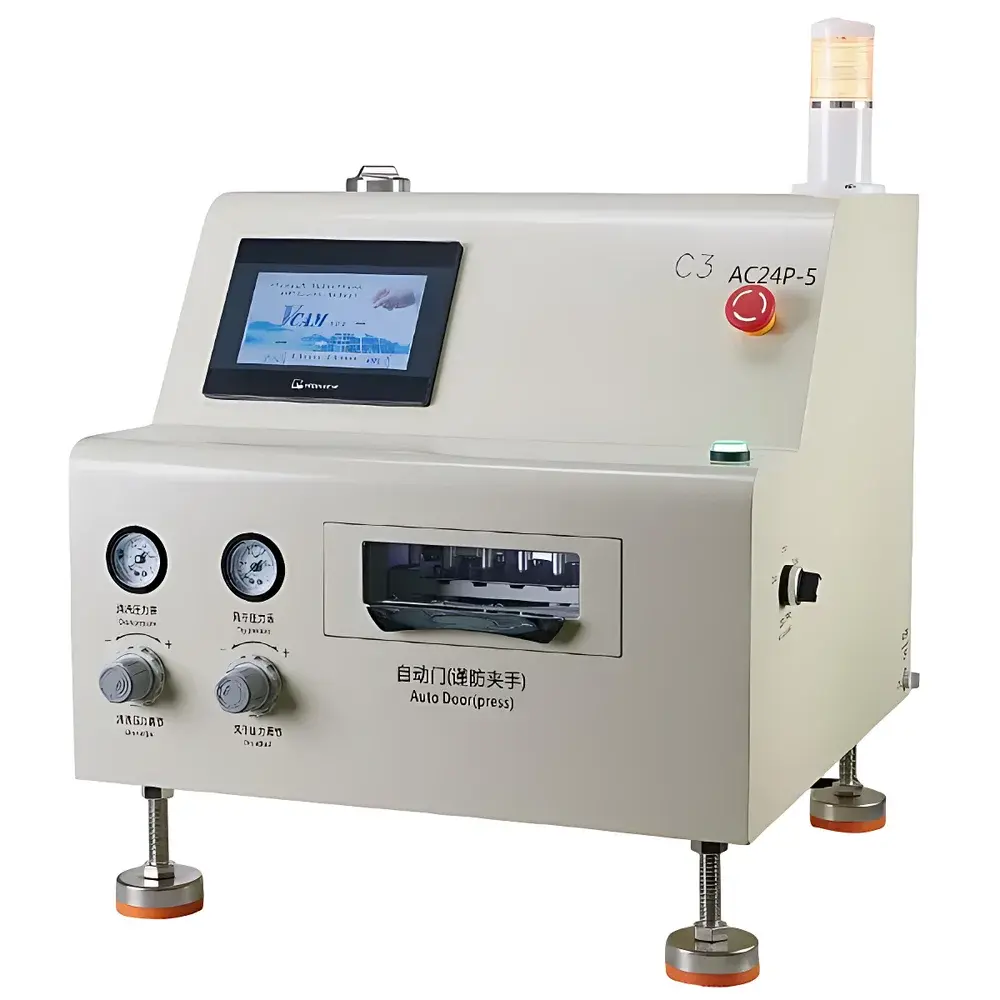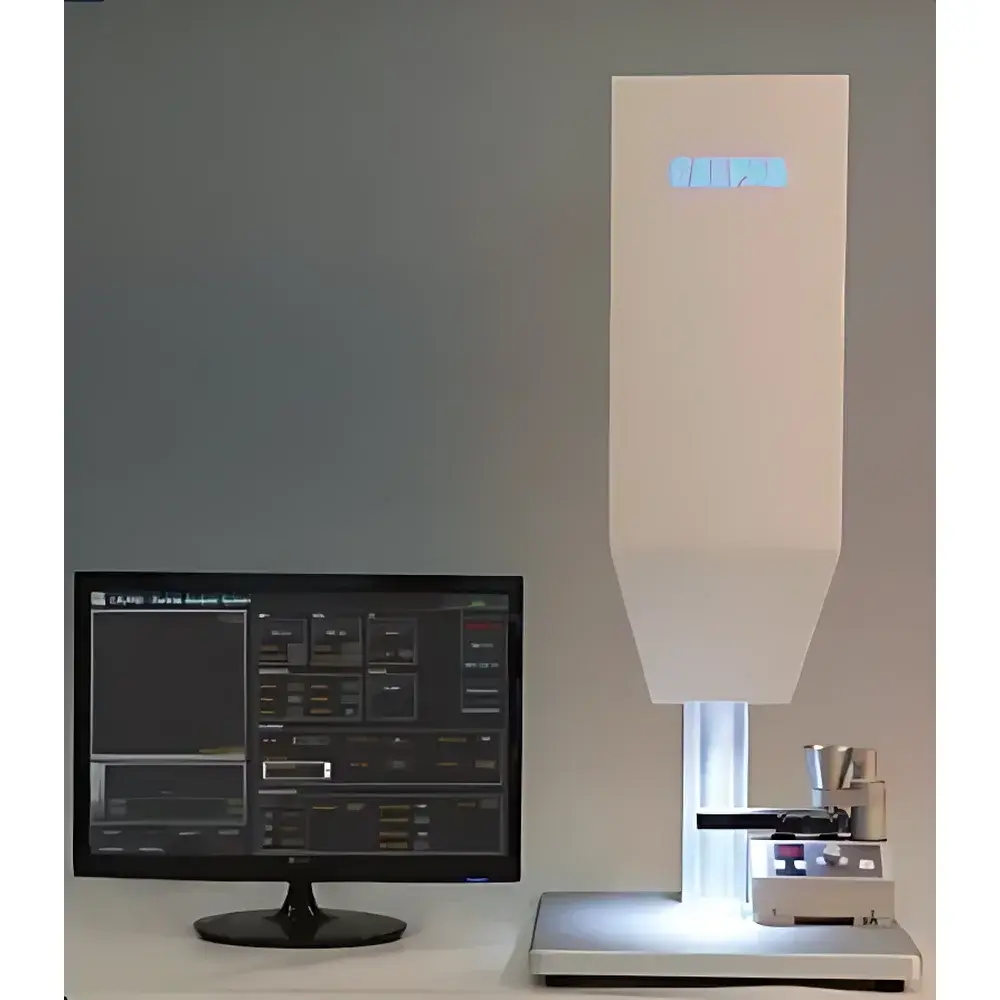
Calpas CALPAS Impurity Particle Scanning Analyzer for Polyolefin Resins
| Brand | Calpas |
|---|---|
| Model | CALPAS |
| Origin | South Korea |
| Instrument Type | Automated Optical Impurity Detection System for Polymer Powders & Pellets |
| Measurement Principle | High-Resolution Digital Imaging + Multispectral Color Discrimination + Geometric Morphology Analysis |
| Detection Range | 50–30,000 µm |
| Throughput | 500 g powder / 3 min |
| Repeatability | STD < 1% (powder), STD < 5% (pellets) |
| Compliance | ISO 14484, ASTM D7618 (referenced), GLP-aligned data audit trail capability |
| Illumination Options | Adjustable multi-source LED (central, square, coaxial, backlight) |
| Camera | High-speed monochrome/RGB CCD (user-specifiable resolution & frame rate) |
| Feed System | 3-axis vibratory feeder with amplitude & height control |
| Software | CALPAS Vision v4.x with customizable impurity classification, batch reporting, and calibration traceability per ISO/IEC 17025 guidelines |
Overview
The Calpas CALPAS Impurity Particle Scanning Analyzer is an automated optical inspection system engineered for quantitative detection, classification, and statistical analysis of foreign particles and morphological defects in polymer raw materials—specifically polyolefin resins (e.g., PP, PE), PVC powders, ABS pellets, and high-transparency thermoplastics (e.g., PC, PMMA). It operates on a validated combination of high-resolution digital imaging, multispectral color space segmentation (CIELAB ΔE, HSV thresholding), and geometric feature extraction (aspect ratio, circularity, convexity, Feret diameter). Unlike manual visual inspection or single-parameter analyzers, the CALPAS platform simultaneously identifies and categorizes black specks, colored contaminants, gel particles, fused agglomerates, fiber inclusions, and dimensional outliers across a dynamic size range of 50–30,000 µm. Its architecture is purpose-built for rubber and plastic compounders, masterbatch producers, and resin suppliers operating under strict customer-facing appearance specifications—including yellow index tolerance, black spot count limits (per ASTM D7618 Annex A1), and ISO 14484-compliant particle contamination grading.
Key Features
- Single-platform multimodal detection: Simultaneous quantification of color deviation (RGB/CIELAB), shape anomaly (eccentricity, solidity), and size distribution without hardware reconfiguration
- Adaptive illumination engine: Four independently controllable LED source geometries—central top-light (optimized for opaque powders), square diffuse dome (for reflective pellets), coaxial brightfield (for translucent particles), and edge-lit backlight (for high-clarity substrates)—all with continuous intensity adjustment (0–100%) and spectral stability ±0.5% over 8-hour operation
- 3-axis precision feed system: Electromechanical vibratory tray with programmable amplitude (0.1–2.0 mm p-p), frequency (10–120 Hz), and vertical lift (±5 mm), enabling stable monolayer dispersion of heterogeneous particle populations at throughput-adjusted rates (10–200 g/min)
- Real-time classification engine: User-definable impurity classes (e.g., “BlackSpeck_50–100µm”, “YellowGel_200+µm”, “Fiber_10+mm”) with configurable sensitivity, minimum area, and hue/saturation/value thresholds—stored as reusable templates with version-controlled metadata
- Traceable metrology: Integrated NIST-traceable calibration board (certified 50–5000 µm polystyrene microspheres) with automated daily validation routine; software logs calibration timestamp, operator ID, and deviation metrics per ISO/IEC 17025 clause 6.5
- Low-noise mechanical design: Enclosed feed path with acoustic-dampened vibration isolation; operational sound pressure level ≤58 dB(A) at 1 m distance
Sample Compatibility & Compliance
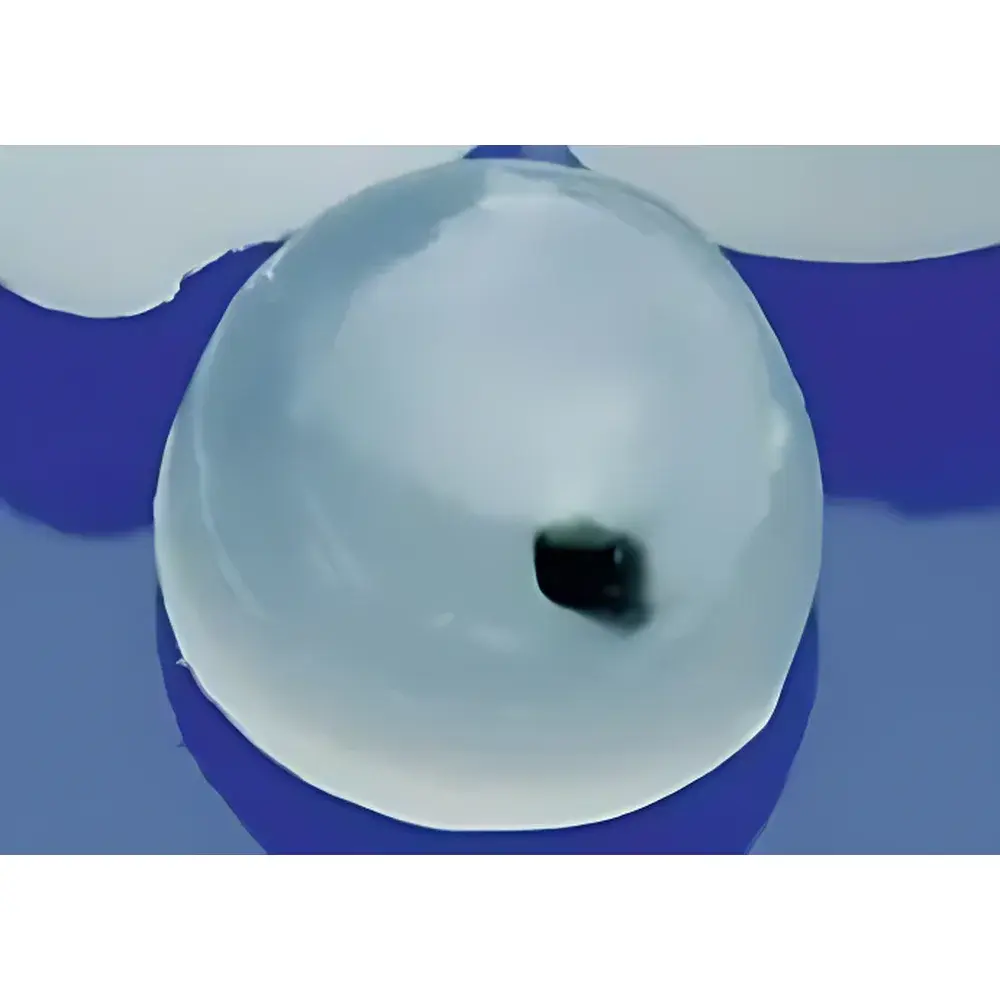
The CALPAS analyzer accommodates diverse physical forms including free-flowing polymer powders (e.g., suspension-grade PVC), cylindrical or irregular pellets (PP, HDPE, ABS), and optically challenging materials such as UV-stabilized polypropylene or antistatic PC blends. It detects contaminants irrespective of refractive index mismatch—validated for gel particles in PMMA (n=1.49) and carbon-black specks in transparent PETG. Regulatory alignment includes full support for ISO 14484:2020 (plastic particle contamination testing), reference compliance with ASTM D7618 (standard test method for black speck count in polyolefins), and software architecture compliant with FDA 21 CFR Part 11 requirements (electronic signatures, audit trail, role-based access control). All report exports include embedded instrument configuration logs, raw image thumbnails, and uncertainty estimates per GUM (Guide to the Expression of Uncertainty in Measurement).
Software & Data Management
CALPAS Vision v4.x is a Windows-based application deployable on standard commercial PCs (i5 CPU, 16 GB RAM, SSD storage). It features a dual-mode interface: QuickScan for routine pass/fail QA checks and Advanced Mode for granular parameter tuning (e.g., dynamic background subtraction, adaptive thresholding, multi-region-of-interest masking). Data output includes CSV/Excel reports with per-batch statistics (total impurities, size-class histograms, color cluster maps), annotated TIFF images with overlay masks, and PDF certificates containing instrument ID, calibration status, operator signature, and timestamped acquisition metadata. Audit trails record all user actions (login/logout, parameter changes, report generation) with immutable timestamps and SHA-256 hashing. Raw image archives are stored in vendor-neutral TIFF format with EXIF metadata preserving exposure time, gain, lens focus, and illumination profile.
Applications
- Resin supplier qualification: Pre-shipment verification against customer-specified black speck limits (e.g., ≤3 particles >100 µm per kg for medical-grade PP)
- Process troubleshooting: Correlating impurity morphology (e.g., fibrous vs. spherical) with extrusion die wear, hopper contamination, or drying inefficiency
- Masterbatch homogeneity assessment: Quantifying pigment dispersion uniformity via color variance mapping across pellet batches
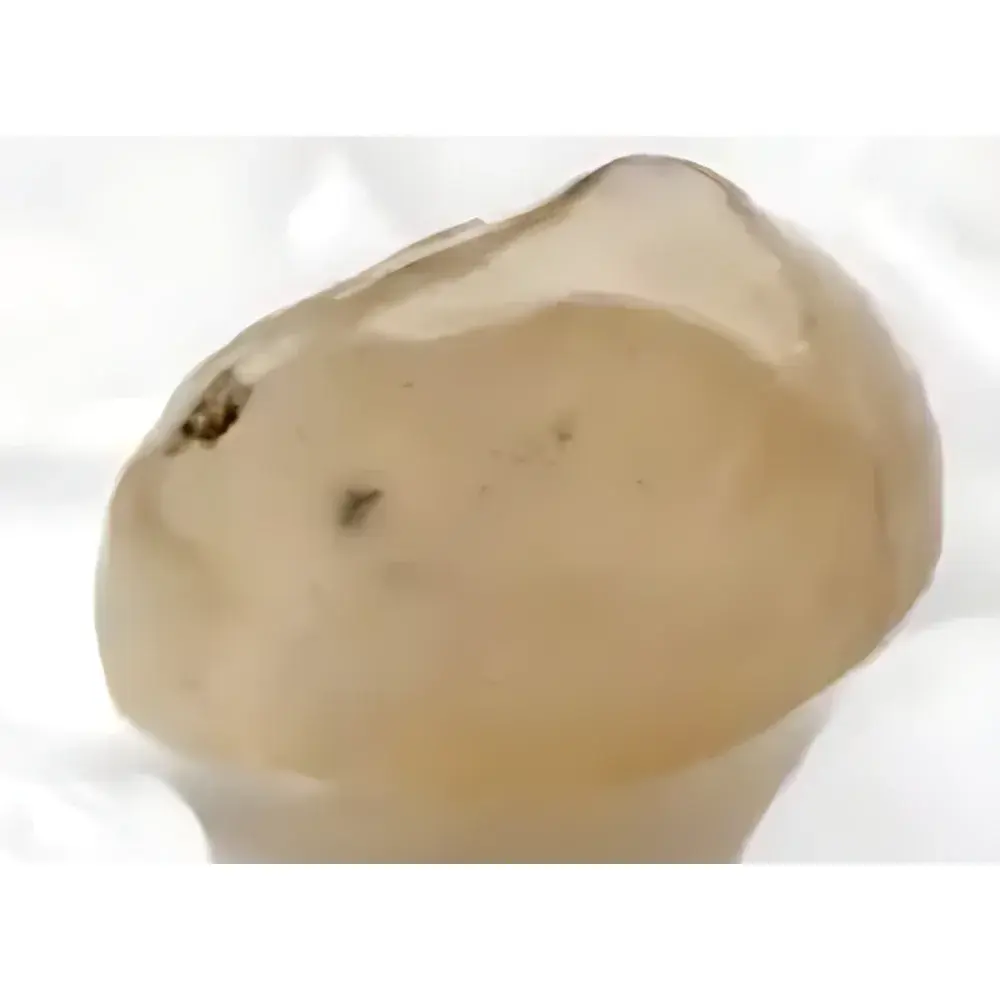
- Gel particle root-cause analysis in transparent polymers: Differentiating thermal degradation gels (brown/yellow) from catalyst residue (gray/black) using spectral reflectance profiling
- Supplier change control: Objective comparison of incoming raw material lots before and after switching polymer grades or compounding vendors
- Regulatory documentation: Generating auditable evidence for ISO 9001, IATF 16949, or AS9100 process validation records
FAQ
What standards does the CALPAS system comply with?
It supports ISO 14484:2020 for particle contamination assessment and aligns with ASTM D7618 Annex A1 for black speck enumeration. Software architecture meets FDA 21 CFR Part 11 requirements for electronic records and signatures.
Can the system detect transparent gels in clear polymers like PC or PMMA?
Yes—using configurable backlight illumination combined with contrast-enhanced edge detection algorithms optimized for low-refractive-index mismatches.
Is calibration required before each analysis run?
No. Daily calibration using the included NIST-traceable standard board is recommended; however, the system performs automatic dark-frame and flat-field correction prior to every acquisition.
Does the software allow custom impurity naming and classification rules?
Yes. Users define classes by size, color delta-E, shape descriptors, and spatial distribution criteria—saved as reusable, versioned templates with descriptive labels and pass/fail logic.
What is the maximum sample throughput for continuous operation?
At nominal settings, the system processes up to 1 kg of pellets in 2 minutes or 500 g of fine powder in 3 minutes, with sustained repeatability verified per ISO 14484 Annex B.