
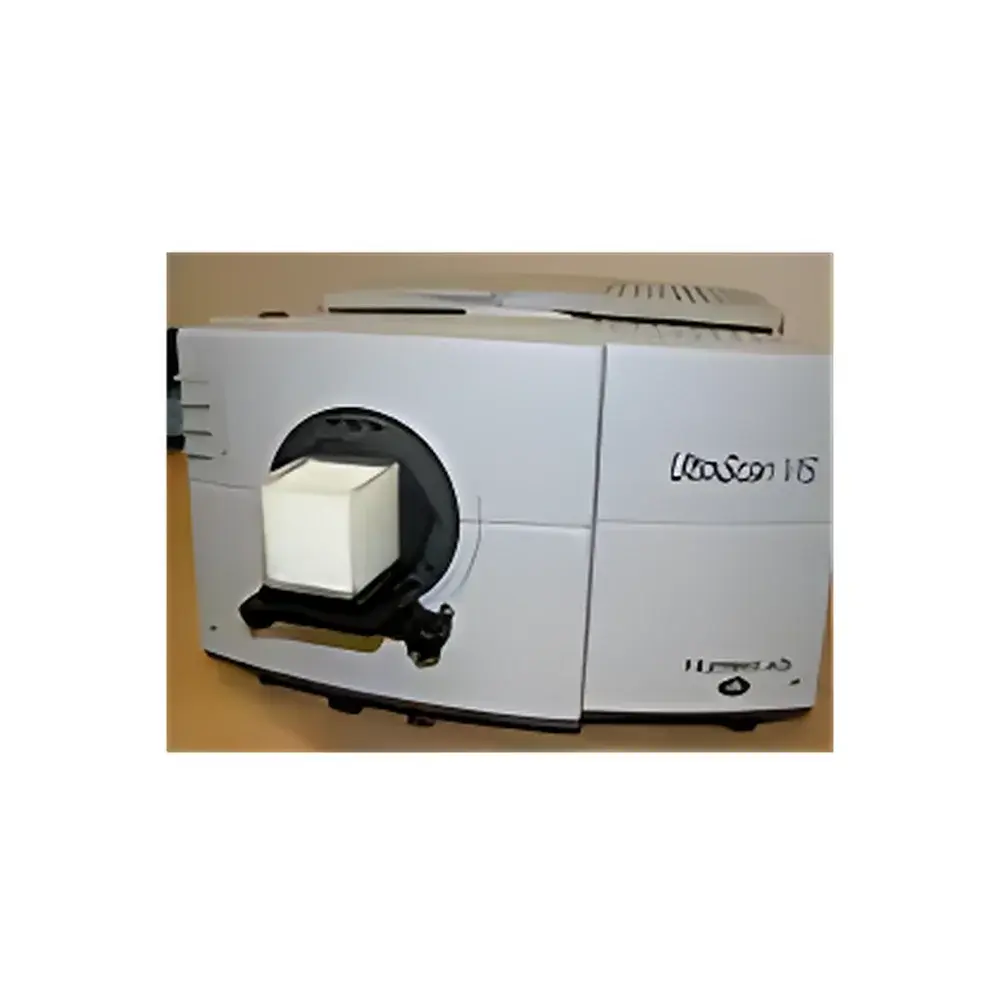
HunterLab UltraScan VIS Benchtop Spectrophotometer
| Brand | HunterLab |
|---|---|
| Origin | USA |
| Manufacturer Status | Authorized Distributor |
| Origin Category | Imported |
| Model | UltraScan VIS |
| Product Type | Spectrophotometer |
| Instrument Type | Benchtop |
| Optical Geometry | d/8° integrating sphere |
| Light Source | Pulsed Xenon Lamp |
| Spectral Range | 360–780 nm |
| Repeatability | ≤ 0.03 ΔE*ab (CIE Lab, mean of 20 measurements on certified white tile) |
Overview
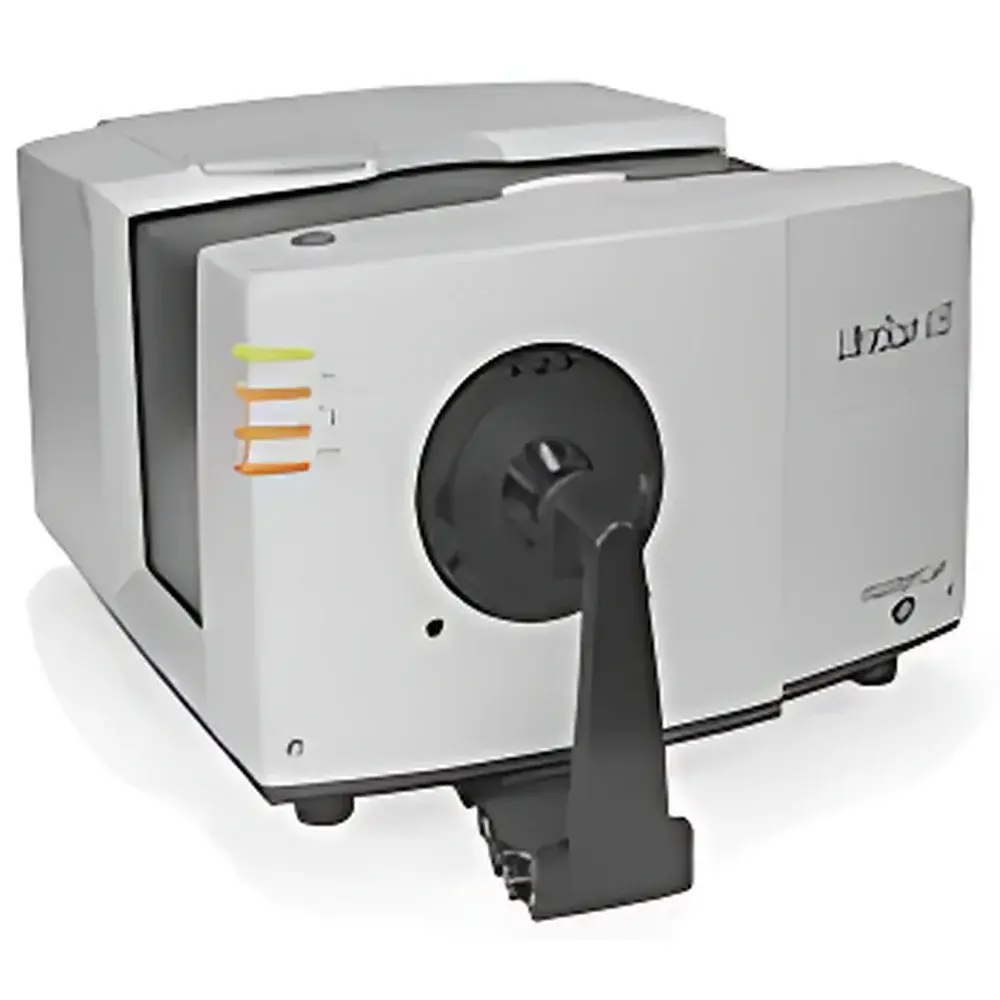
The HunterLab UltraScan VIS is a high-precision benchtop spectrophotometer engineered for rigorous color measurement across reflective, transmissive, and translucent materials in both R&D and quality control environments. Operating on the CIE-compliant d/8° integrating sphere geometry with pulsed xenon illumination, it delivers full-spectrum spectral data from 360 nm to 780 nm at 10 nm intervals—enabling accurate quantification of colorimetric parameters including CIE L*a*b*, L*C*h*, ΔE*ab, ΔE00, whiteness (CIE, Ganz, Berger), yellowness (ASTM E313), APHA, Gardner, Hazen, and haze (ASTM D1003). Its dual-path optical design employs two diode array detectors to ensure high signal-to-noise ratio and exceptional stability for low-reflectance (e.g., black) and high-chroma samples. The instrument’s flash-based xenon source eliminates thermal loading and photodegradation during measurement—critical for light-sensitive formulations such as pharmaceutical suspensions, cosmetic emulsions, or fluorescent-dyed textiles.
Key Features
- d/8° integrating sphere geometry with automatic specular component included (SCI) and excluded (SCE) modes—fully software-controlled and validated per ASTM E308, ISO 7724, and CIE 15:2004
- Pulsed xenon lamp simulating CIE Standard Illuminant D65; lifetime exceeds 5 million flashes under normal operation
- Spectral acquisition across 360–780 nm in under 1 second; 10 nm effective bandwidth with CIE 1931 2° standard observer weighting
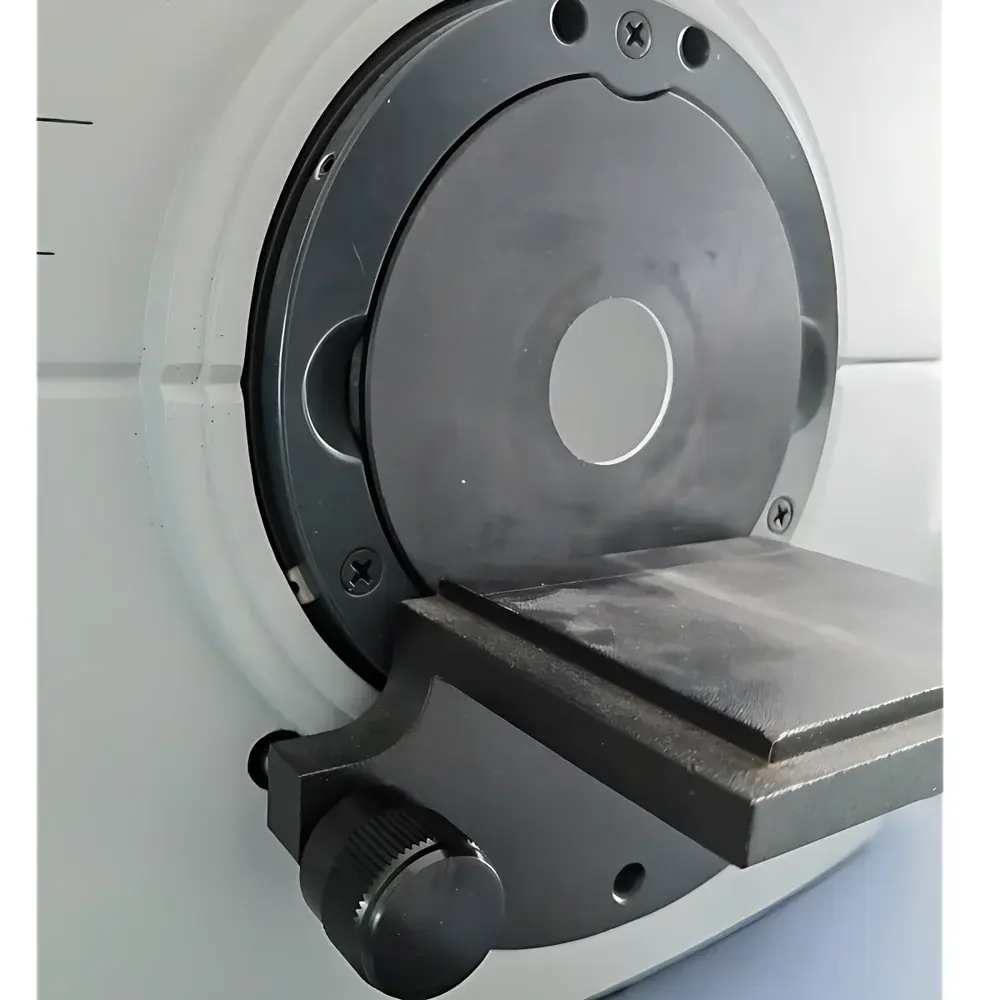
- Two selectable measurement apertures: Large Area View (LAV, 19 mm Ø optical area) and Small Area View (SAV, 6.3 mm Ø optical area), with automatic lens positioning and real-time aperture validation
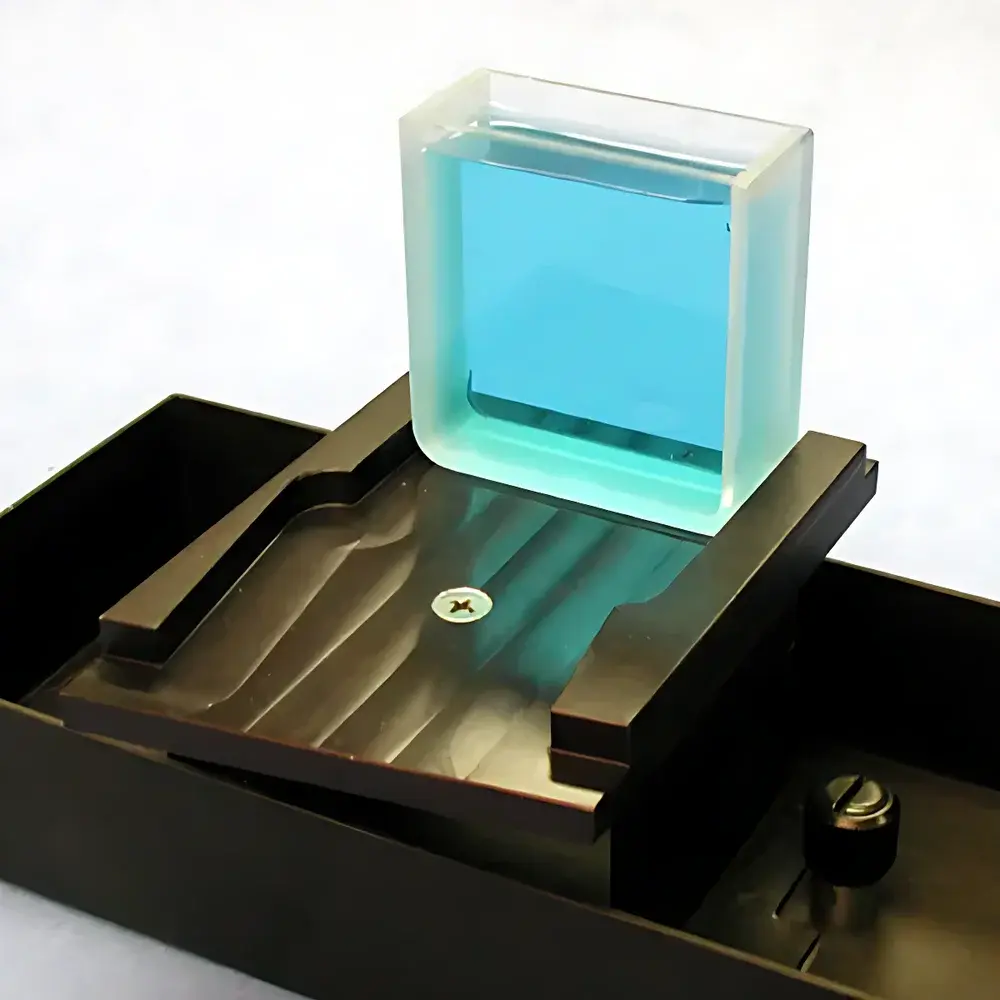
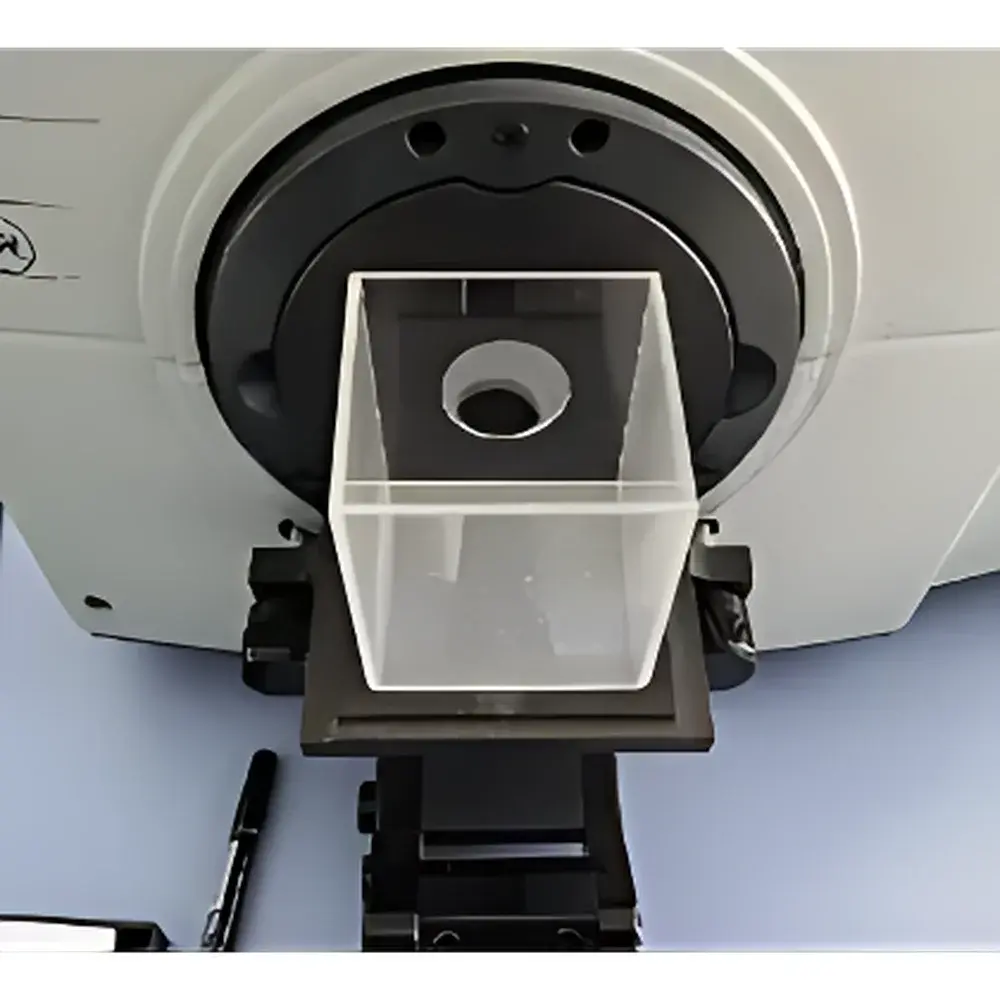
- Expanded transmission chamber accommodating cuvettes up to 80 mm pathlength, films, sheets, and irregular geometries—supports both directional (d/0°) and total (d/8°) transmittance per ASTM D1003 and ISO 13468
- Integrated UV control system with motorized UV filter; enables fluorescence correction using NIST-traceable fluorescent standards and D65 spectral calibration
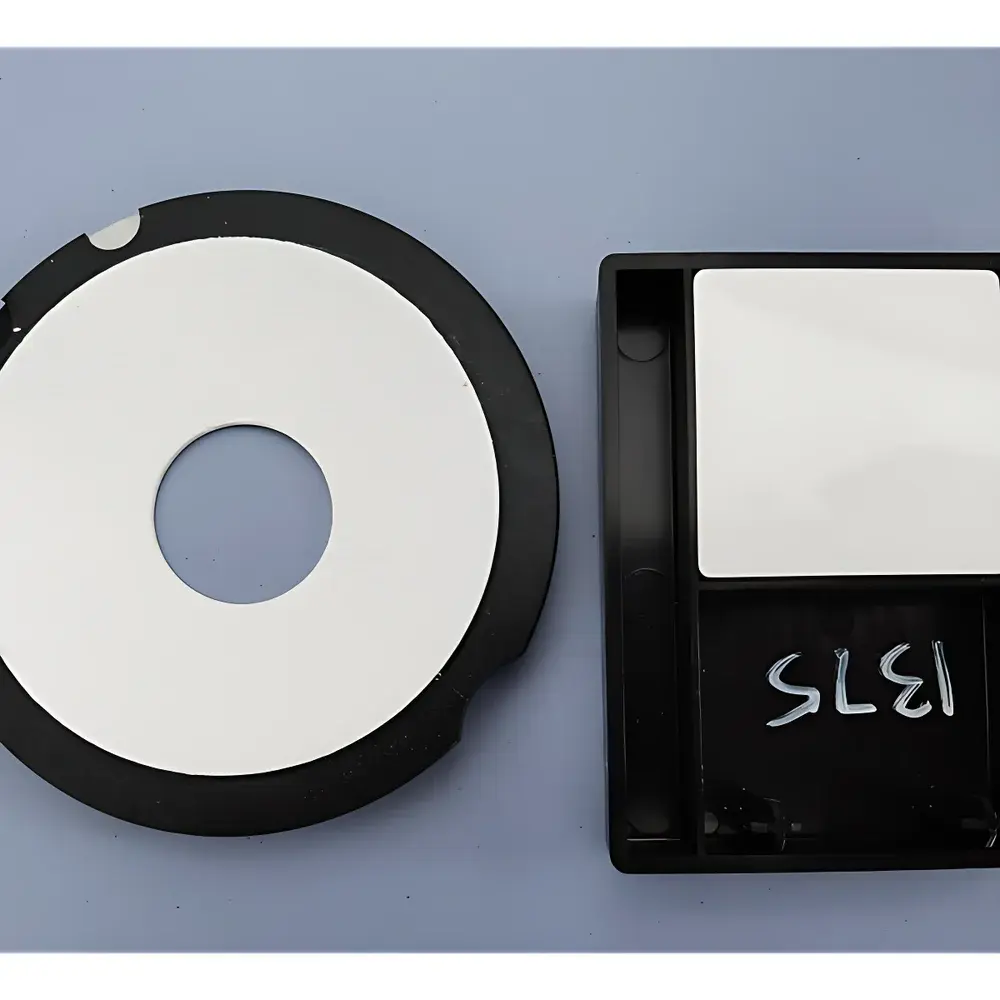
- Real-time instrument performance verification via onboard ceramic white tile, green reference tile, and didymium filter—each traceable to UK’s National Physical Laboratory (NPL)
- Ergonomic sample handling: spring-loaded sample clamp with 180° rotation, dual quick-release levers, and macro button for one-touch measurement
Sample Compatibility & Compliance
The UltraScan VIS accommodates diverse physical forms—from 1 mL liquid aliquots in quartz cuvettes to high-temperature (up to 300 °C) molten polymers, rigid optics (glass lenses, contact lenses), and textured consumer goods (lipstick tubes, pen barrels, toothpaste gels). Its compliance extends across international regulatory and industry frameworks: ASTM D2244 (color difference), ASTM E284 (terminology), ISO 11664 (colorimetry), USP (transmittance/haze for pharmaceutical packaging), and AATCC TM173 (textile whiteness). All firmware and software modules support audit trail generation, electronic signatures, and 21 CFR Part 11–compliant data integrity protocols when deployed in GLP/GMP-regulated laboratories.
Software & Data Management
Operated via HunterLab’s Universal Software (version 8.x or later), the UltraScan VIS supports method-driven workflows, customizable pass/fail tolerances, multi-instrument network synchronization, and automated report generation (PDF, CSV, XML). Raw spectral data (360–780 nm at 10 nm steps) is stored with full metadata—including instrument ID, calibration timestamp, operator login, environmental conditions (optional sensor integration), and measurement mode (SCI/SCE, LAV/SAV, UV on/off). Data export conforms to ASTM E2916 (standard guide for digital recordkeeping) and supports LIMS integration via ODBC or HL7 interfaces. Calibration history, drift diagnostics, and wavelength accuracy verification are logged automatically and retrievable for internal audits or FDA inspection readiness.
Applications
The UltraScan VIS serves as a primary color measurement platform across vertically regulated sectors: polymer compounding (color consistency of masterbatches), food & beverage (browning index in juices, APHA in edible oils), pharmaceuticals (color uniformity of tablets, clarity of injectables), cosmetics (pigment dispersion in foundations, fluorescence of whitening agents), paints & coatings (metamerism assessment under multiple illuminants), and paper manufacturing (brightness, opacity, yellowing index). Its ability to decouple surface appearance (gloss, texture) from inherent color—via SCI/SCE switching—and resolve subtle chromatic shifts in near-black or highly saturated materials makes it indispensable for formulation development and release testing.
FAQ
Does the UltraScan VIS comply with FDA 21 CFR Part 11 requirements?
Yes—when configured with password-protected user roles, electronic signature capture, and immutable audit trails enabled in Universal Software, the system meets Part 11 criteria for electronic records and signatures.
Can it measure haze and clarity of plastic sheets per ASTM D1003?
Yes—the d/8° total transmittance mode, combined with the oversized transmission chamber and calibrated haze reference standards, enables compliant haze, clarity, and YI measurements on rigid and flexible substrates.
Is NIST or NPL traceability provided with the instrument?
Yes—certified white, green, and didymium reference standards are supplied with full NPL-traceable calibration reports, ensuring ongoing instrument verification against national metrology standards.
What is the typical warm-up time required before measurement?
None—the pulsed xenon source requires no thermal stabilization; measurements are valid immediately after power-on and standardization.
How does the system handle fluorescent samples containing optical brighteners?
Via the integrated UV filter mechanism and D65-simulated spectrum, coupled with optional fluorescent calibration tiles, the instrument performs UV-adjusted measurements aligned with ISO 11664-6 and CIE Technical Report 177.




