
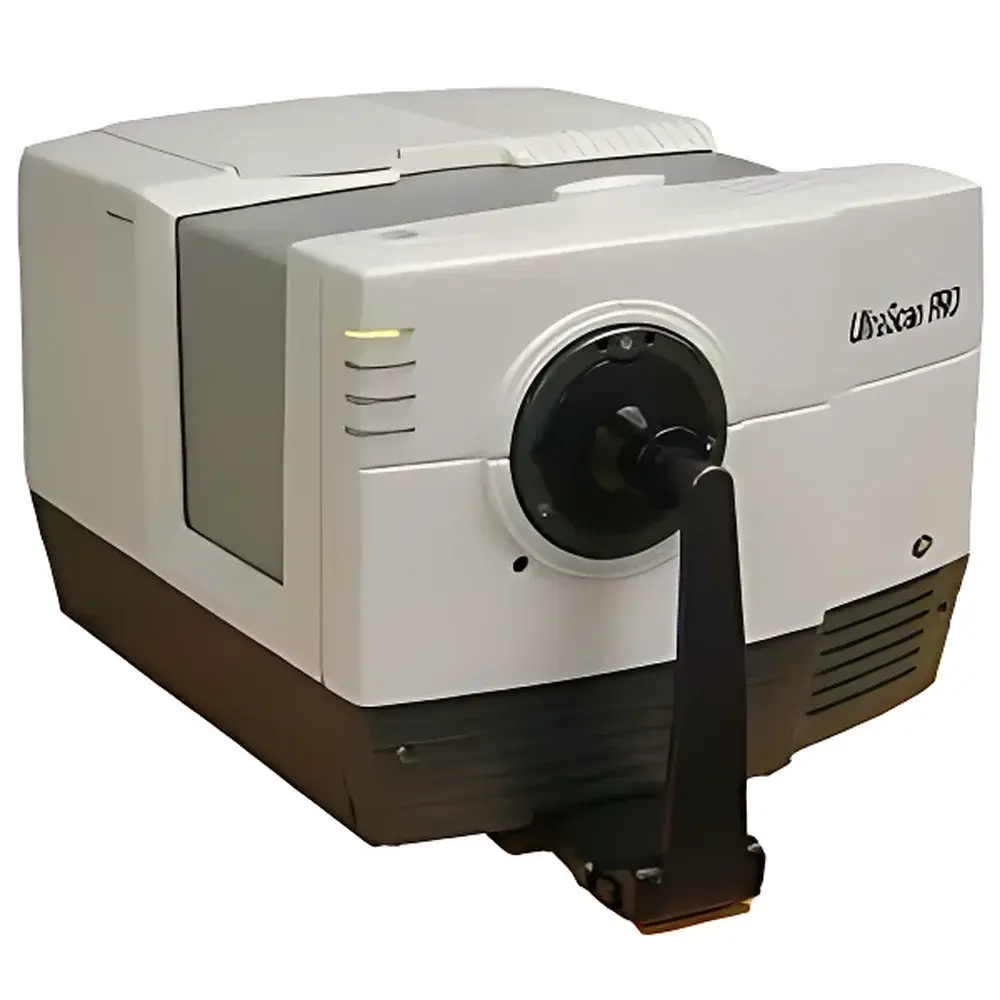
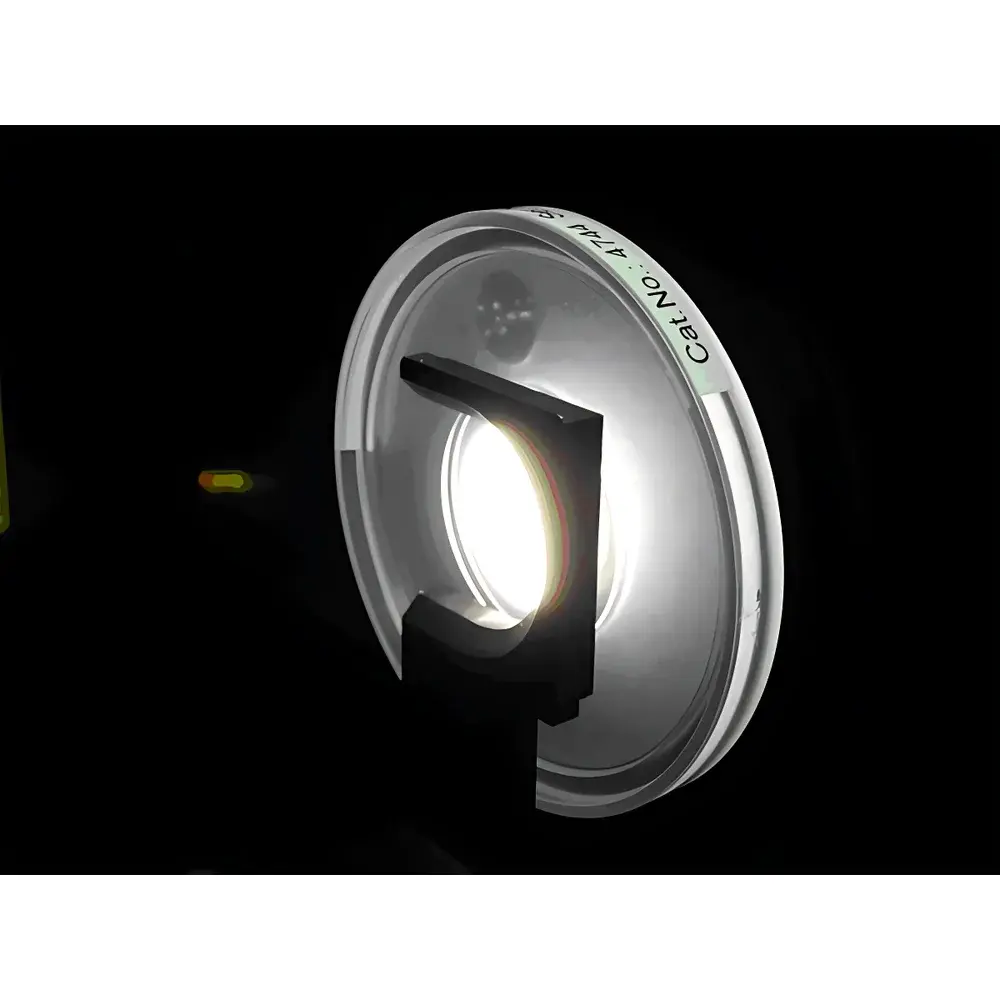
HunterLab UltraScan PRO Advanced Spectrophotometric Color Measurement System
| Brand | HunterLab |
|---|---|
| Origin | USA |
| Model | UltraScan PRO |
| Product Type | Spectrophotometric Colorimeter |
| Instrument Type | Benchtop |
| Optical Geometry | d/8° Integrating Sphere |
| Light Source | Pulsed Xenon Lamp |
| Spectral Range | 350–1050 nm |
| Wavelength Interval | 2 nm (acquisition), 5 nm (reporting) |
| Repeatability | ≤0.03 ΔE*ab (CIE Lab, 20 measurements on standard white tile) |
| Reflectance/Absorbance Measurement Modes | Specular Component Included/Excluded (SCI/SCE) Auto-Switchable |
| Aperture Sizes | 19 mm (1.00″), 9 mm (0.50″), 4 mm (0.25″) |
| Transmission Path Length | 80 mm |
| Integrating Sphere Diameter | 152 mm |
| Sphere Coating | Spectraflect™ |
| Mirror & Port Coating | Duraflect™ |
| Compliance | ASTM D2244, ASTM E308, ISO 7724, ISO 11664, CIE No. 15, AATCC Evaluation Procedure 1, USP <1061>, FDA 21 CFR Part 11 (with optional software configuration) |
Overview
The HunterLab UltraScan PRO is a high-precision benchtop spectrophotometric color measurement system engineered for metrological-grade color analysis across reflective, transmissive, and translucent materials. Operating on dual-beam, dual-monochromator optical architecture with two 512-element silicon photodiode arrays and holographic concave gratings, it delivers full-spectrum acquisition from 350 nm to 1050 nm at 2 nm resolution—encompassing near-ultraviolet, visible, and near-infrared regions. This extended spectral coverage enables rigorous characterization of fluorescent whitening agents (FWAs), UV-absorbing coatings (e.g., ophthalmic lenses, sun protection films), and high-chroma pigments where conventional 400–700 nm instruments lack sensitivity. Its d/8° integrating sphere geometry conforms to CIE 15:2018 and ASTM E308, supporting both SCI (specular component included) and SCE (specular component excluded) modes via motorized baffle control—ensuring traceable, inter-laboratory comparable results in R&D, QC, and regulatory environments.
Key Features
- Dual 512-channel diode array spectrometers with holographic concave gratings provide high signal-to-noise ratio and exceptional wavelength accuracy across the full 350–1050 nm range.
- Pulsed xenon lamp illumination simulates D65 illuminant with high CRI (>98), enabling stable, flash-based measurement of dark, saturated, and carbon-black samples without thermal drift or lamp aging artifacts.
- Spectraflect™-coated 152 mm integrating sphere maintains >97% diffuse reflectance over time; Duraflect™-coated ports and baffles resist yellowing and abrasion—critical for long-term calibration stability.
- Three user-selectable apertures (19 mm, 9 mm, 4 mm) accommodate heterogeneous, textured, or small-area samples; automatic aperture recognition ensures correct calibration application.
- Integrated UV control system includes motorized UV filter insertion/removal and NPL-traceable fluorescent calibration tile—enabling quantitative FWA assessment per ISO 105-J03 and AATCC TM19.
- Four-point verification suite: NPL-certified opal white tile (short-term accuracy), stabilized green ceramic tile (long-term drift monitoring), neodymium-praseodymium interference filter (wavelength validation), and dedicated fluorescent correction tile.
Sample Compatibility & Compliance
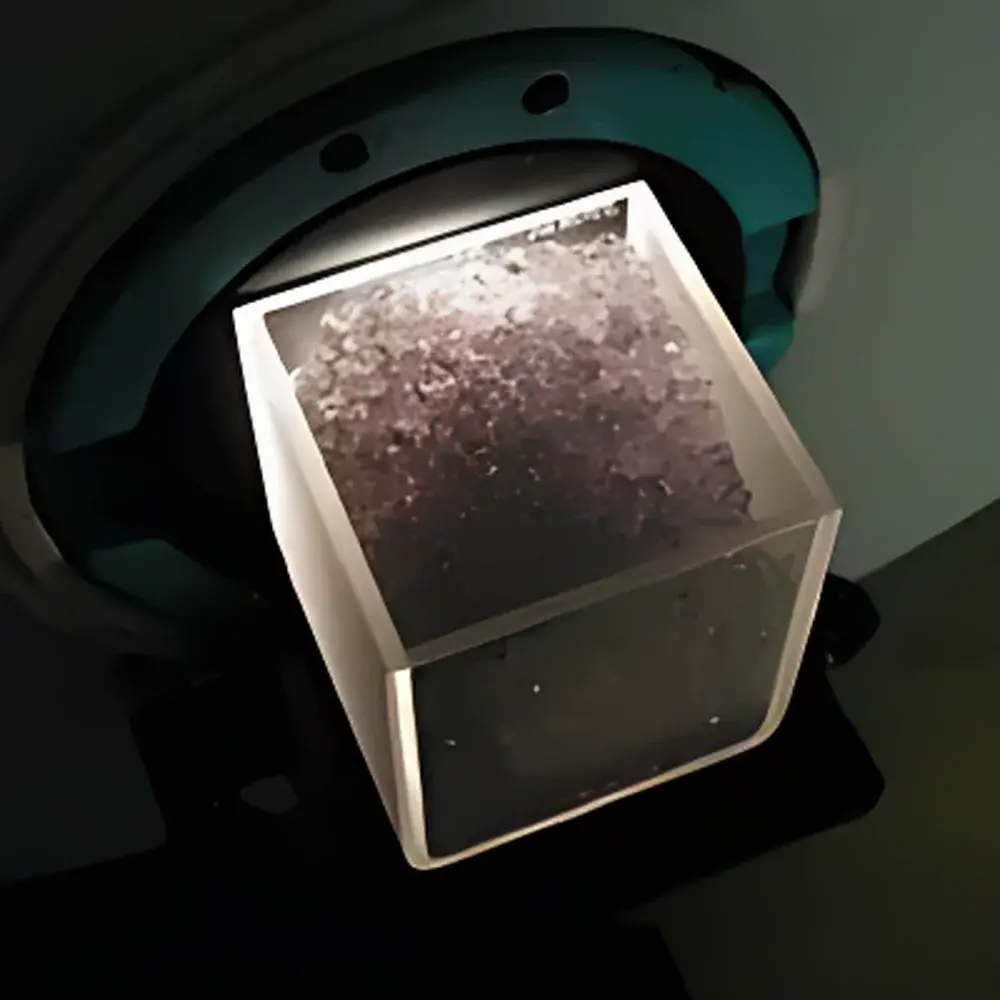
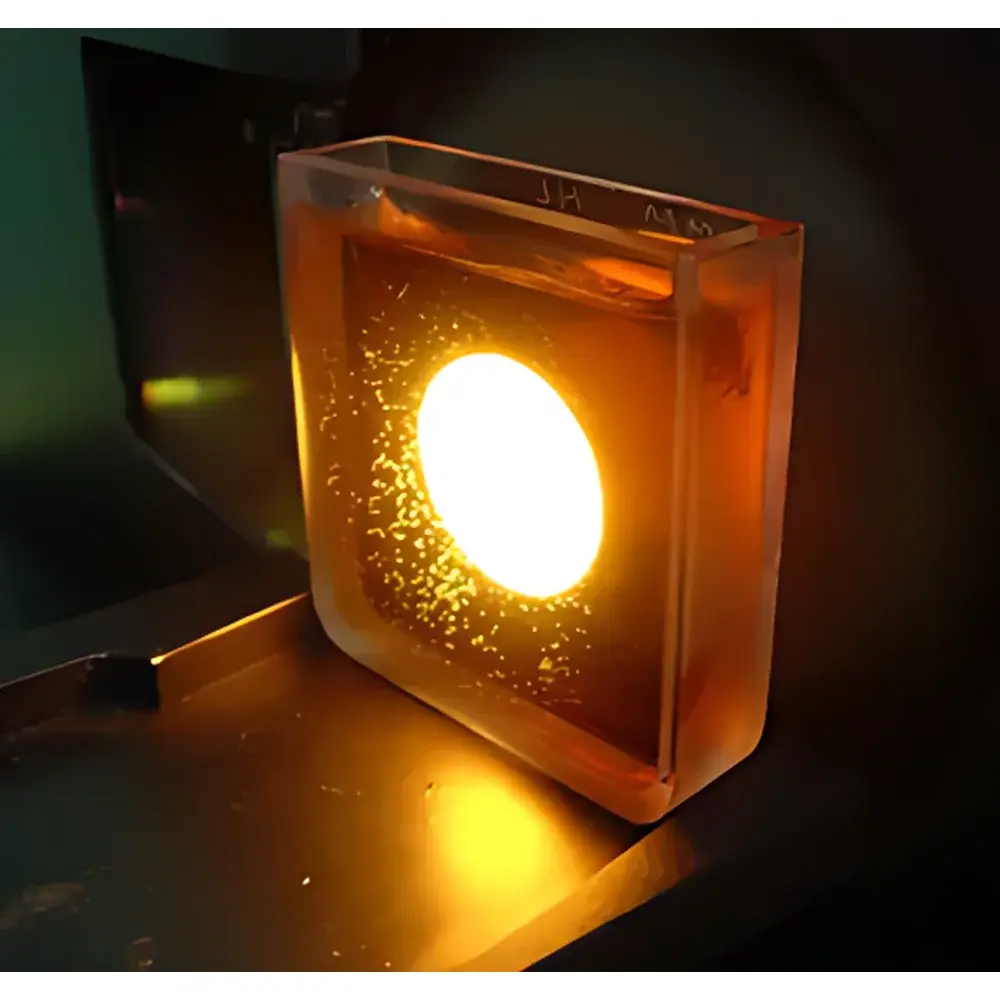
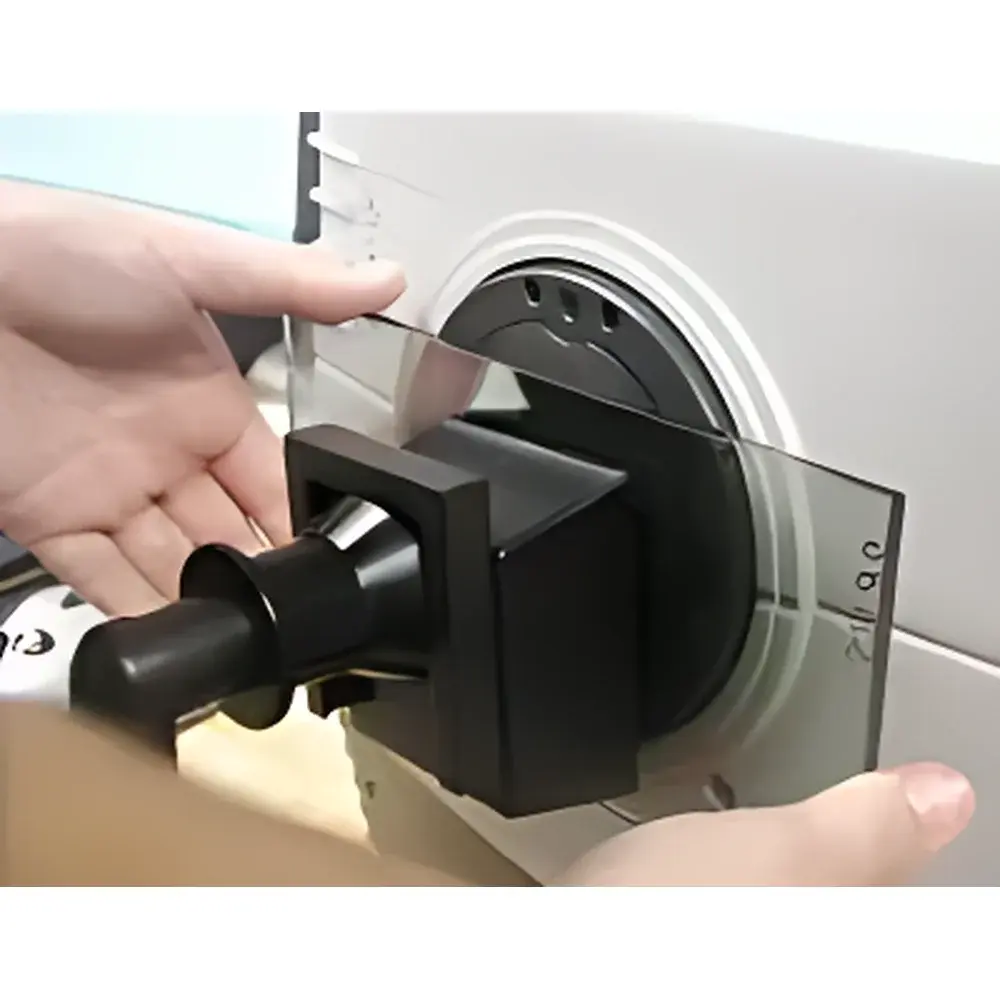
The UltraScan PRO measures opaque solids (paints, plastics, textiles), semi-crystalline films (pharmaceutical blister packs), clear liquids (beverages, solvents), and turbid suspensions (milk, emulsions). Its 80 mm transmission path and tri-directional sample chamber support large-volume cuvettes and irregular geometries. All measurement protocols align with ISO/IEC 17025–accredited workflows and support GLP/GMP documentation requirements. Software-configurable audit trails, electronic signatures, and instrument qualification reports meet FDA 21 CFR Part 11 compliance when deployed with optional Qualification Package. Regulatory test methods implemented include APHA/Pt-Co (water clarity), Gardner (resin yellowness), ASTM D1003 (haze), ISO 2470 (brightness), and CIE Whiteness Index (WI) and Yellowness Index (YI) calculations.
Software & Data Management
Comprehensive data acquisition and analysis are enabled through EasyMatch QC software (v5.x), supporting multi-user role-based access control, customizable pass/fail tolerances (ΔE*, ΔL*, Δa*, Δb*, custom metrics), and statistical process control (SPC) charting. Raw spectral data (350–1050 nm @ 2 nm intervals) is exportable in CSV, XML, and ASTM E2534-compliant formats. The system supports automated report generation compliant with ISO/IEC 17025 Annex A.3 and integrates with LIMS via ODBC and RESTful API. Optional IQ/OQ/PQ documentation packages facilitate installation and operational qualification under pharmaceutical and medical device quality systems.
Applications
The UltraScan PRO serves as a primary reference instrument in color-critical industries requiring spectral fidelity beyond CIE XYZ tristimulus limitations. In polymer manufacturing, it quantifies batch-to-batch variation in masterbatch dispersion and UV stabilizer efficacy. In food science, it monitors Maillard reaction progression via NIR absorbance shifts at 970 nm (water) and 850 nm (carbohydrate degradation). In pharmaceuticals, it verifies coating uniformity on tablets using reflectance mapping and detects excipient interactions via spectral derivative analysis. In automotive OEM supply chains, it validates color match across painted body panels, plastic trim, and textile interiors under multiple illuminants (D65, A, F2). Its NIR capability also supports non-destructive evaluation of cellulose crystallinity in paper and lignin content in biomass feedstocks.
FAQ
What standards does the UltraScan PRO comply with?
It meets ASTM D2244, ASTM E308, ISO 7724-1/2/3, ISO 11664-4, CIE Publication 15:2018, AATCC EP1, and USP . Full compliance documentation is provided with each instrument.
Can it measure fluorescent samples accurately?
Yes—the system includes D65-simulated UV output, motorized UV filter control, and an NPL-traceable fluorescent calibration tile for validated FWA quantification per ISO 105-J03.
Is the instrument suitable for regulated environments?
When configured with EasyMatch QC v5.5+ and the Qualification Package, it supports 21 CFR Part 11 compliance, including audit trail, electronic signature, and change control features.
How is long-term calibration stability verified?
Using the four-point verification suite: NPL white tile (accuracy), green ceramic tile (drift), NdPr filter (wavelength), and fluorescent tile—enabling daily performance checks without external lab intervention.
Does it support transmission measurements of highly absorbing liquids?
Yes—the 80 mm path length and high dynamic range (0–200% reflectance/transmittance) allow precise measurement of concentrated dyes, APIs in solution, and colored glass filters across UV-VIS-NIR.





