
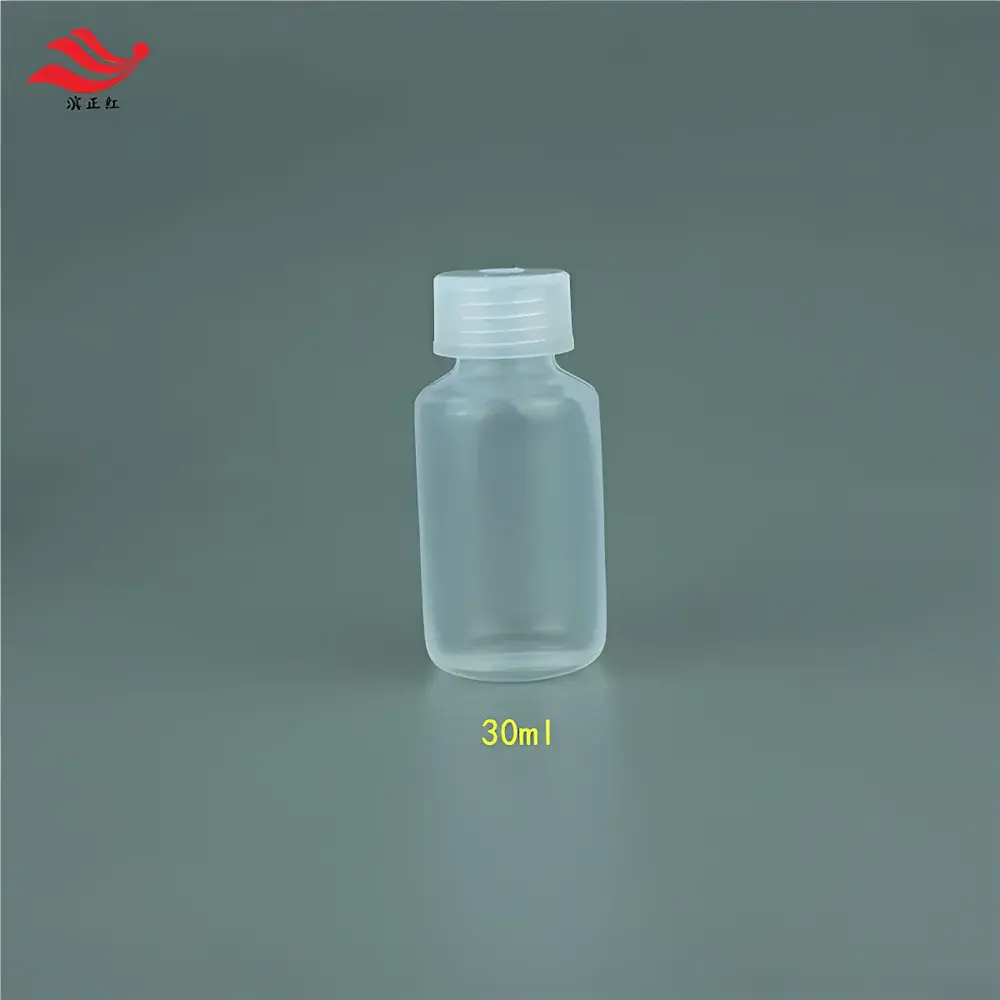
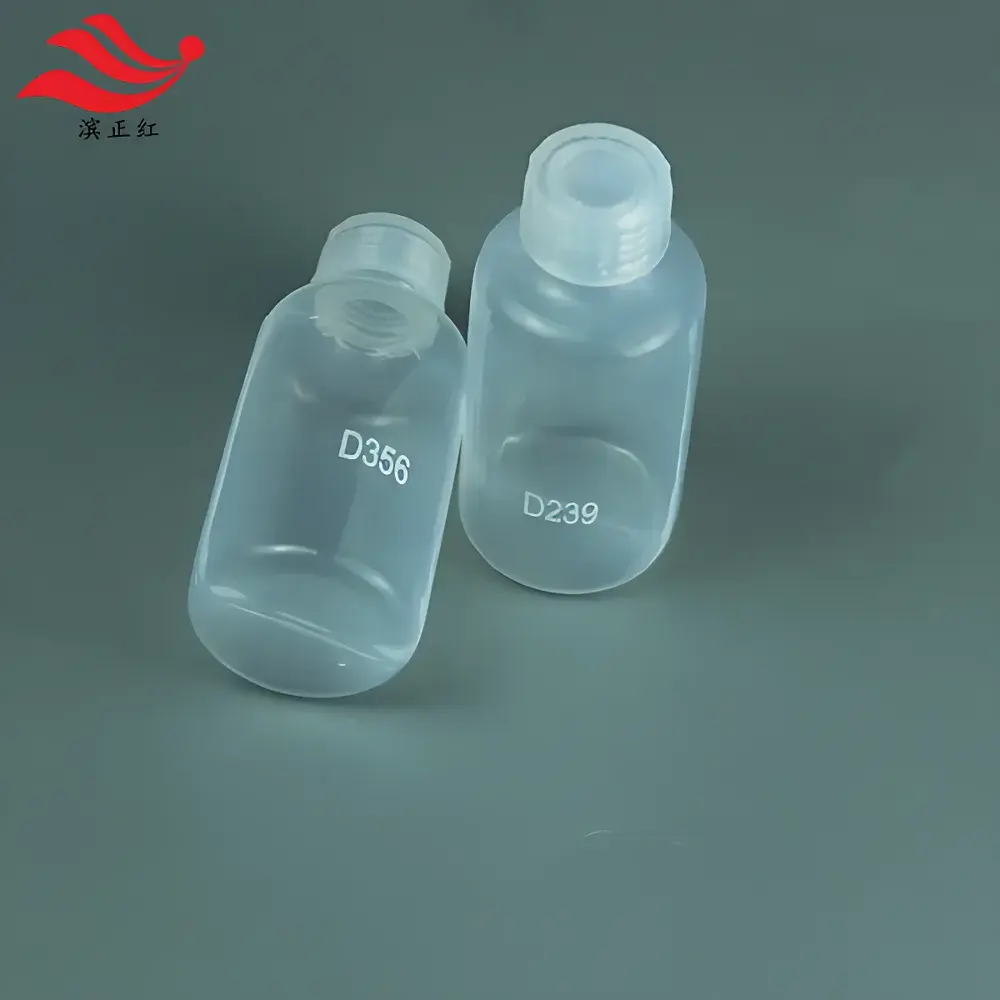
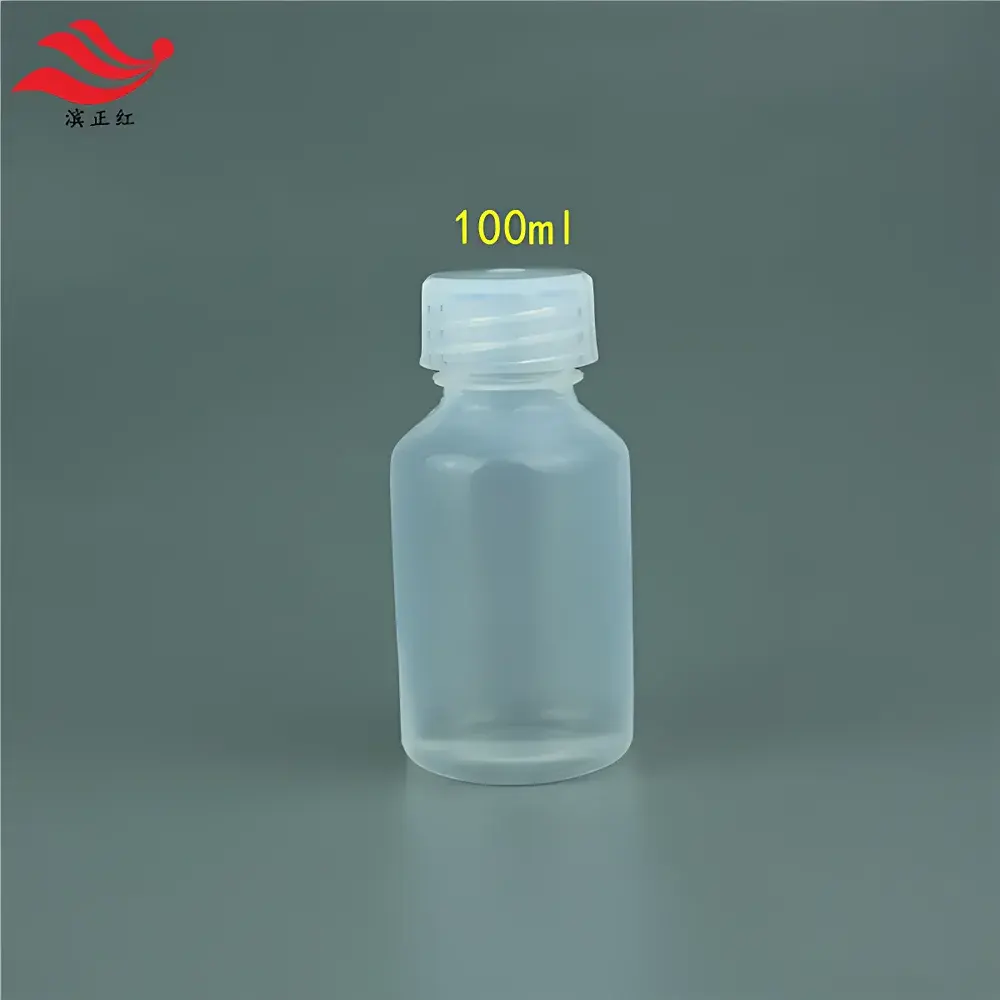
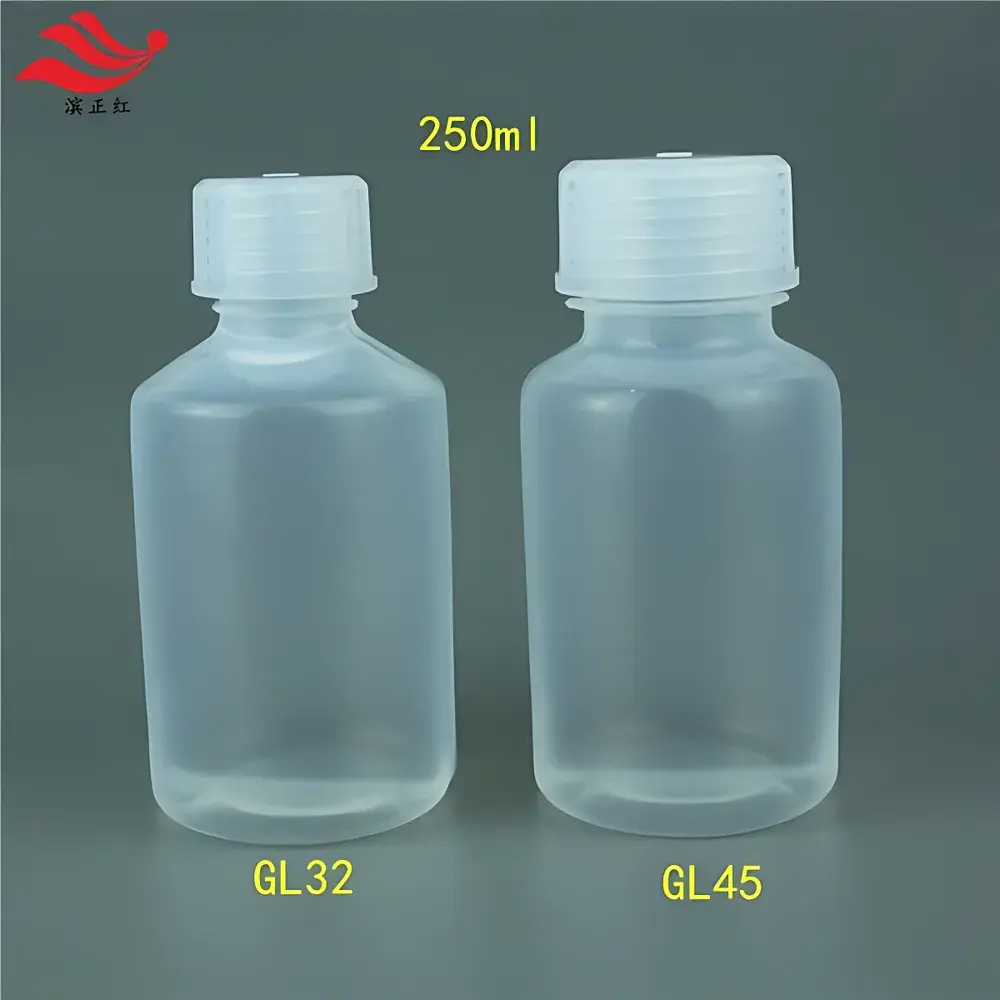
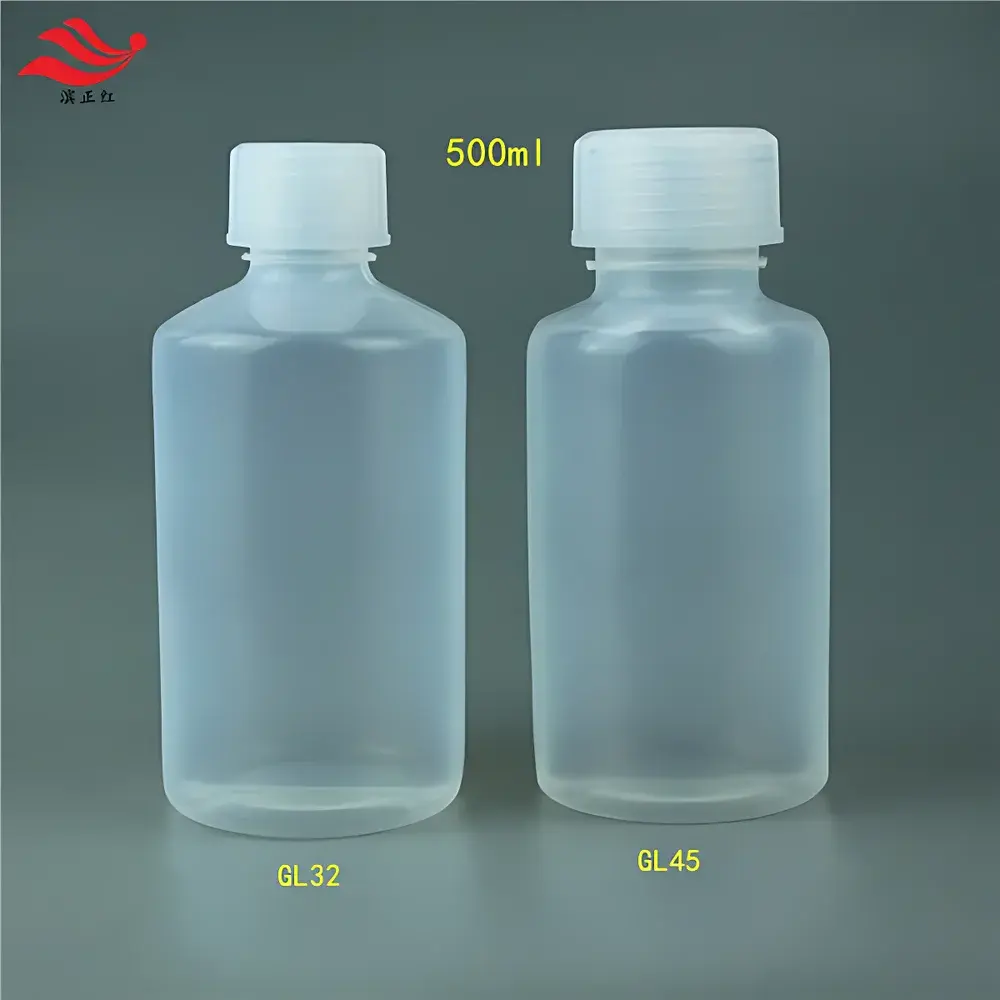
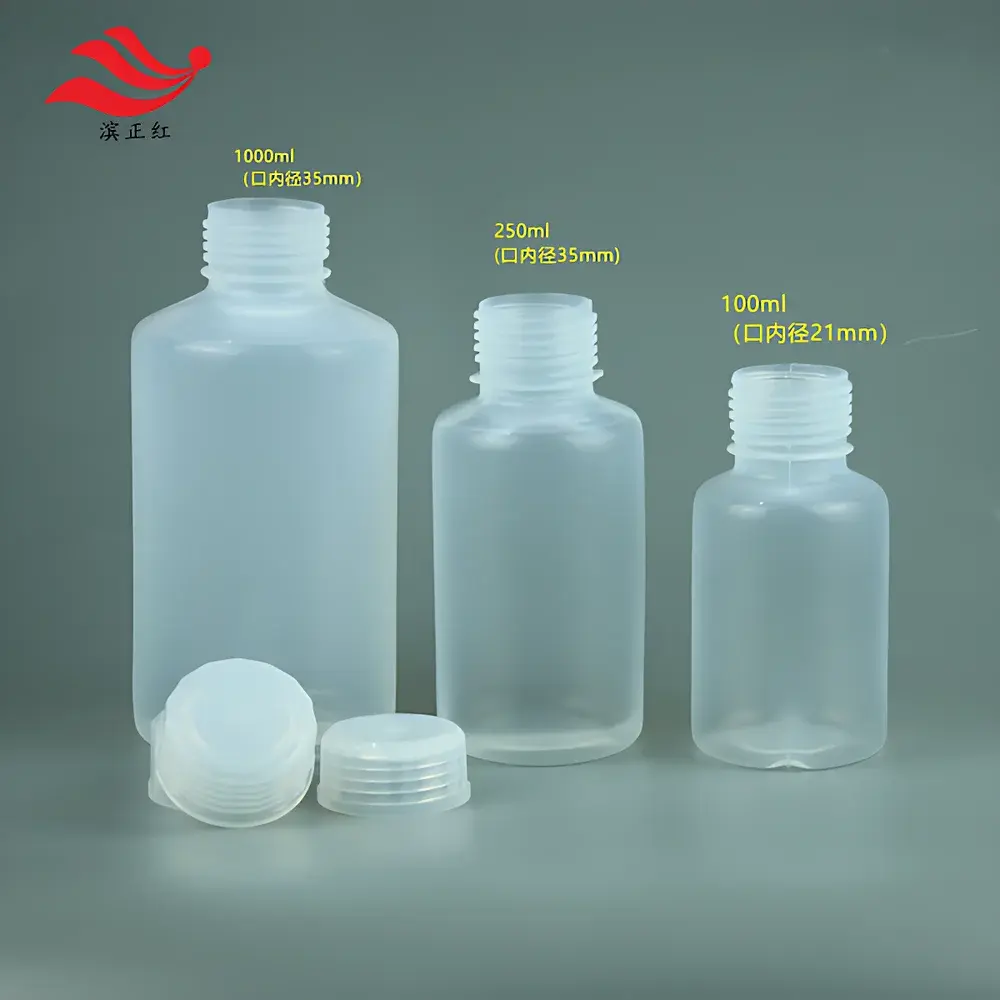
PFA/FEP Sampling Bottles for Trichlorosilane (TCS) and High-Purity Energy-Grade Chemicals – Binzhenghong NJ-25 Series
| Brand | Binzhenghong |
|---|---|
| Origin | Jiangsu, China |
| Manufacturer Type | OEM/ODM Producer |
| Origin Category | Domestic (China) |
| Model | NJ-25-25mL to 4000mL |
| Pricing | Available Upon Request |
Overview
The Binzhenghong NJ-25 series PFA/FEP sampling bottles are engineered for the secure containment, transport, and long-term storage of ultra-high-purity, highly reactive, and strongly corrosive chemical substances—particularly trichlorosilane (TCS), silane derivatives, hydrogen fluoride (HF)-containing etchants, and other energy-grade precursors used in semiconductor manufacturing, photovoltaic wafer processing, and advanced material synthesis. Constructed entirely from perfluoroalkoxy alkane (PFA) or fluorinated ethylene propylene (FEP), these bottles exhibit exceptional chemical inertness across the full pH range (0–14), resistance to thermal cycling (−200 °C to +260 °C), and negligible extractables—even under prolonged contact with aggressive halogenated silanes. Unlike glass or HDPE alternatives, PFA/FEP eliminates metal ion leaching, surface adsorption, and hydrolytic degradation, ensuring sample integrity for trace-level analysis (sub-ppt quantification) by ICP-MS, GC-MS, or ion chromatography.
Key Features
- Full-body construction from ASTM D4894-compliant PFA or FEP resin—no molded inserts, threads, or liners of dissimilar polymers
- Chemically inert sealing system: PFA-lined polypropylene caps with virgin PFA septa; compatible with crimp-seal and screw-cap configurations
- Autoclavable up to 121 °C at 15 psi (steam sterilization); validated for repeated use in Class 100 cleanrooms per ISO 14644-1
- Low-particulate manufacturing environment: produced in ISO Class 7 (10,000) cleanroom with controlled humidity and nitrogen-purged packaging
- Trace-metal certified: batch-tested per ASTM E1317 for ≤10 pg/mL Na, K, Ca, Fe, Ni, Cr, Zn, Al, and Cu in ultrapure water rinse extracts
- Volume range: 25 mL, 50 mL, 100 mL, 250 mL, 500 mL, 1000 mL, 2000 mL, and 4000 mL configurations; all calibrated to ISO/IEC 17025-accredited volumetric tolerance (±0.5% for ≥100 mL)
Sample Compatibility & Compliance
NJ-25 bottles are routinely specified by national metrology institutes—including China National Institute of Metrology (NIM) and National Institute of Standards and Technology (NIST) collaborating labs—for storage of certified reference materials (CRMs) such as seawater trace-metal standards (e.g., NASS-6), mercury speciation standards (e.g., CRM 580), and silicon isotope reference solutions. Their compatibility extends to TCS (trichlorosilane), STC (silicon tetrachloride), DCS (dichlorosilane), and BCl₃—chemicals classified under GHS Category 1 skin corrosion and acute toxicity. The bottles meet requirements for GLP-compliant sample handling per OECD Principles of Good Laboratory Practice, support FDA 21 CFR Part 11 audit trails when integrated with LIMS workflows, and comply with IEC 61215 and IEC 61730 photovoltaic material qualification protocols.
Software & Data Management
While NJ-25 bottles are passive containment devices, they integrate seamlessly into digital lab ecosystems. Each production lot includes a QR-coded certificate of analysis (CoA) with traceable resin batch numbers, elemental impurity test reports, and cleanroom certification logs. Optional serialization enables integration with LabVantage, Thermo Fisher SampleManager, or Agilent OpenLab CDS via RESTful API for chain-of-custody tracking. All CoAs adhere to ISO/IEC 17025 documentation standards and include uncertainty budgets for residual metal content per ISO/IEC 17025:2017 Clause 7.7.
Applications
- Storage and shipment of TCS and related silane precursors in solar-grade polysilicon production lines
- Field collection of polar marine samples (e.g., Antarctic ice cores, deep-ocean hydrothermal vent fluids) requiring sub-attomolar contamination control
- Calibration standard preservation for ICP-MS multi-element analysis in nuclear fuel cycle monitoring
- Reference material bottling for national metrology institutes conducting inter-laboratory comparisons under CCQM frameworks
- In-line sampling ports for continuous emission monitoring systems (CEMS) handling HF/HCl scrubber effluents
FAQ
Can NJ-25 PFA bottles be used for high-pressure gas sampling (e.g., compressed TCS)?
Yes—when capped with pressure-rated PFA-lined closures and tested per ASTM D2513, NJ-25 bottles withstand internal pressures up to 1.2 MPa at 25 °C. For sustained high-pressure service (>0.5 MPa), we recommend wall-thickness-optimized variants (NJ-25HP series).
Is it safe to autoclave these bottles with caps fully tightened?
No. As noted in operational guidance, caps must remain loosely seated—not torqued—during steam sterilization to prevent internal pressure buildup and potential rupture. Post-autoclave cooling must occur under ambient pressure before final sealing.
Do you provide lot-specific certificates of conformance for regulatory submissions?
Yes. Each shipped lot includes an ISO/IEC 17025-accredited CoA, heavy-metal test data (ICP-MS), particulate count report (per ISO 14644-1), and resin lot traceability—all digitally signed and available in PDF/A-2b format for 21 CFR Part 11 compliance.
Are NJ-25 bottles compatible with autosampler trays from Agilent, Thermo Fisher, and Shimadzu?
Yes. Standard 25 mL and 50 mL formats conform to ANSI/SLAS 4-2004 footprint dimensions and are validated for robotic arm pickup, barcode scanning, and vial rack insertion across all major HPLC/GC autosampler platforms.



