
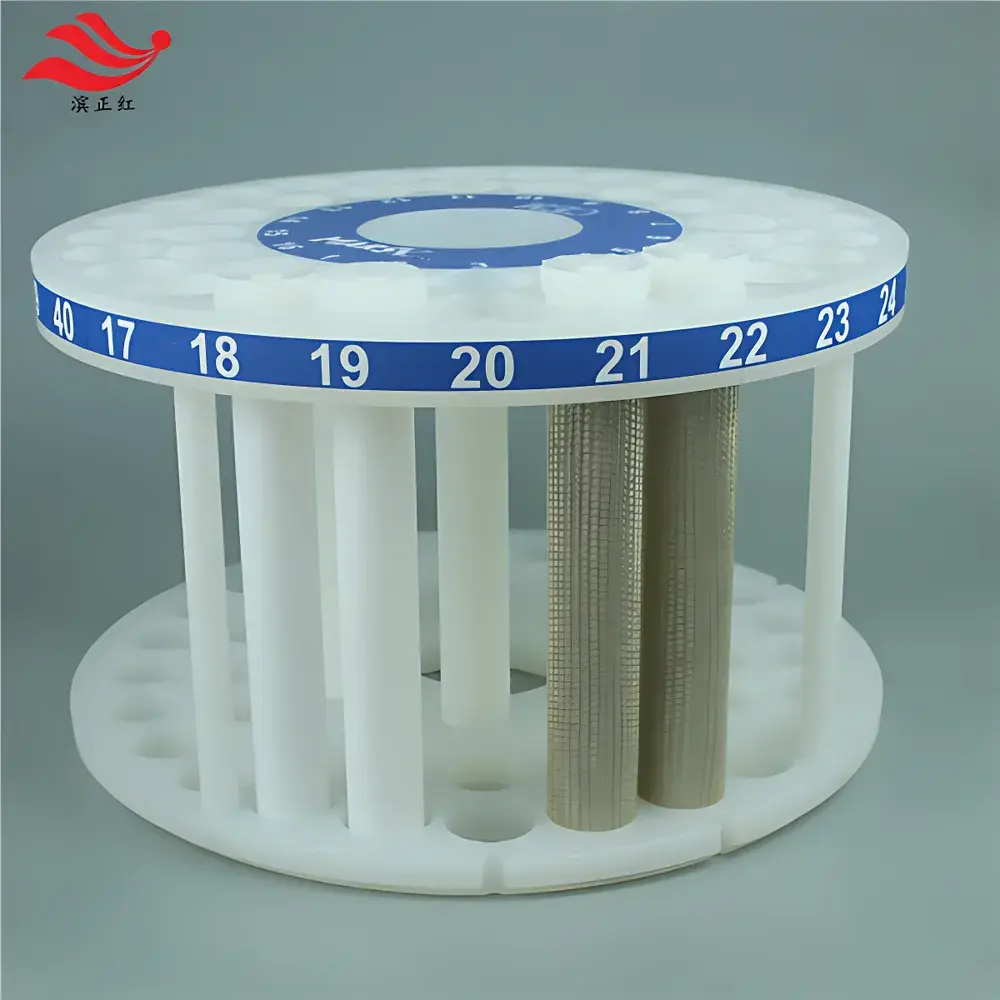
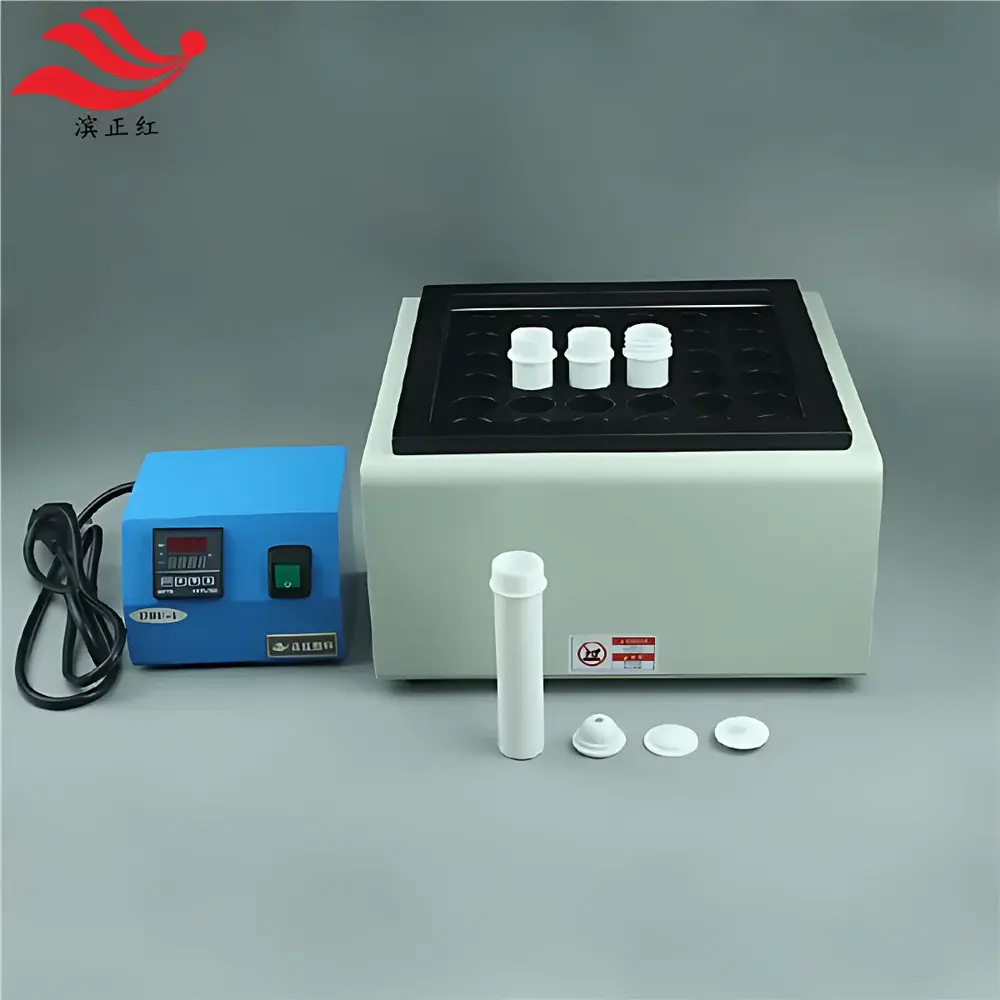
Binzhenghong NJ-40 Graphite Block Acid Evaporation Station
| Brand | Binzhenghong |
|---|---|
| Origin | Jiangsu, China |
| Manufacturer Type | Direct Manufacturer |
| Instrument Type | Graphite Digestion System |
| Automation Level | Semi-Automatic |
| Digestion Positions | 40 |
| Max. Heating Temperature | 260 °C |
| Temperature Control Accuracy | ±1 °C |
| Heating Principle | Electric Resistance Heating |
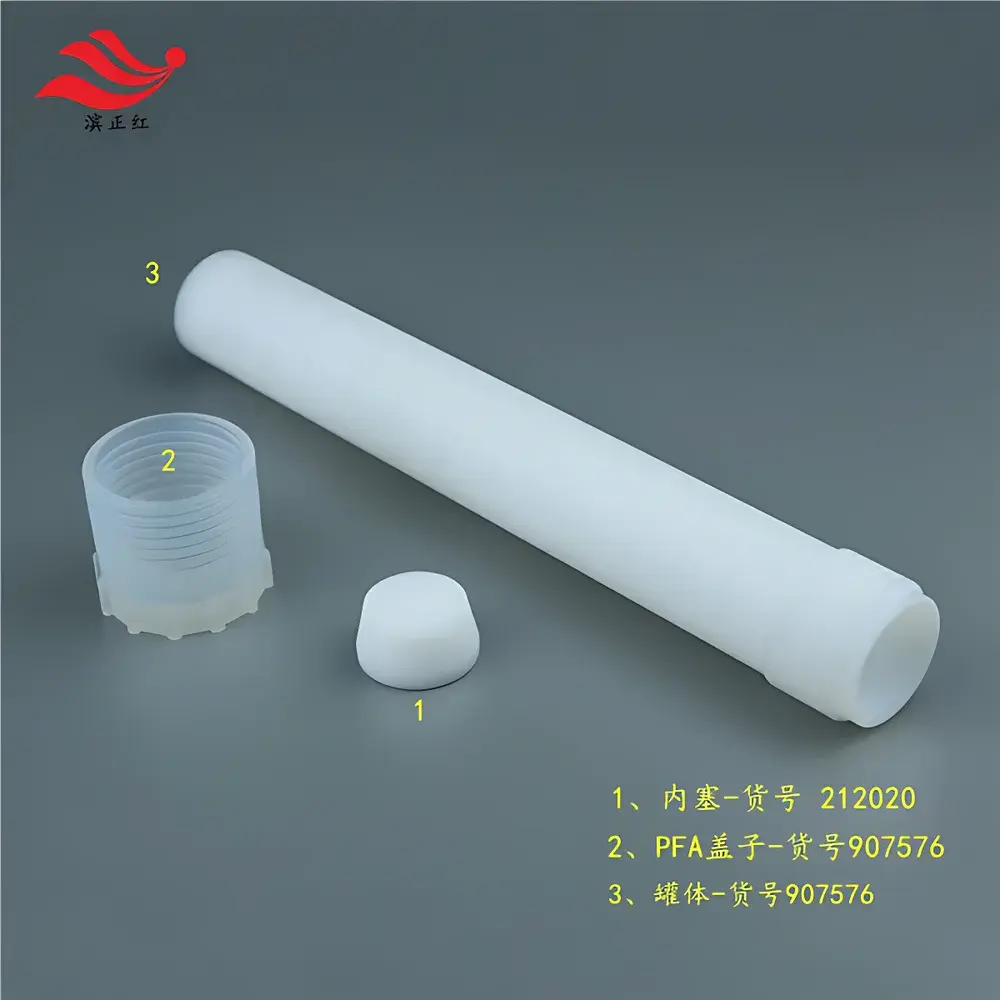
| Sample Vessel Compatibility | Standard Digestion Tubes (e.g., PTFE, quartz, or borosilicate) |
| Construction Material | High-Density Graphite Block with PTFE-Coated Surface |
| Control Interface | PID Digital Temperature Controller |
| Power Supply | 220 V / 50 Hz |
Overview
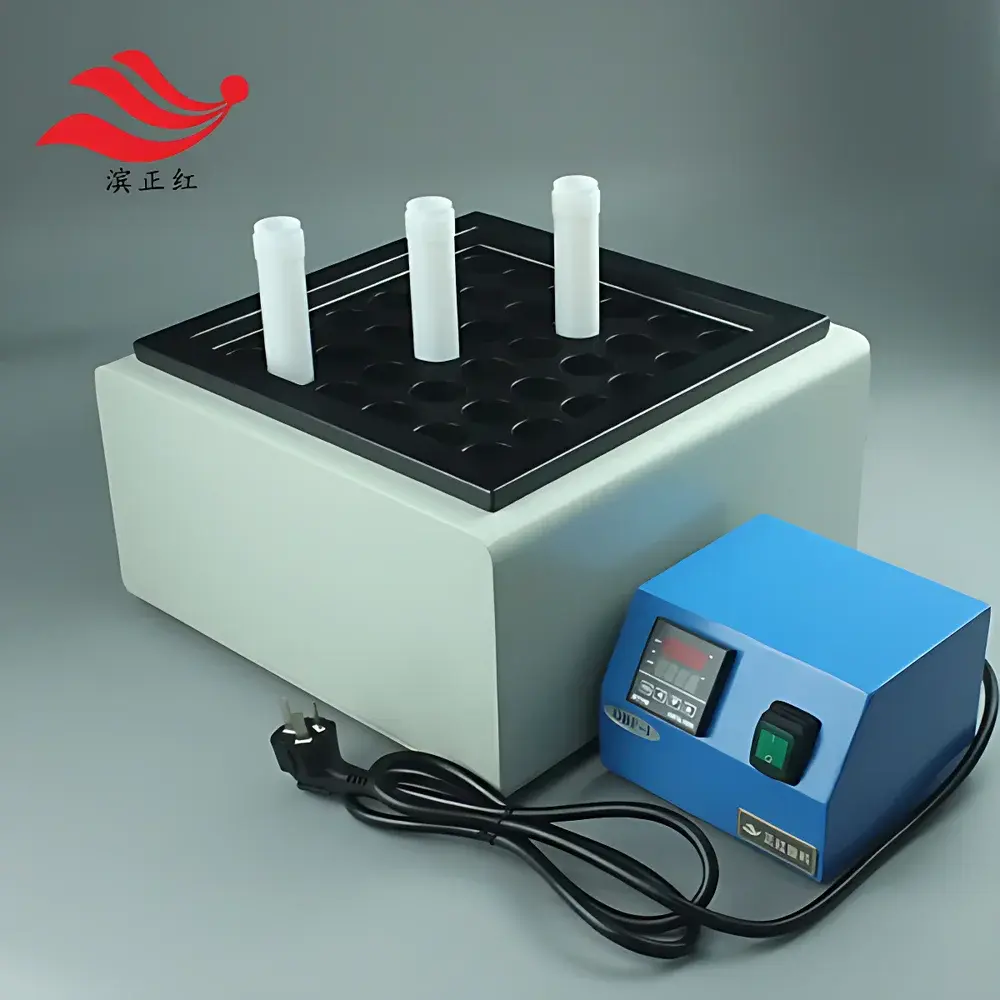
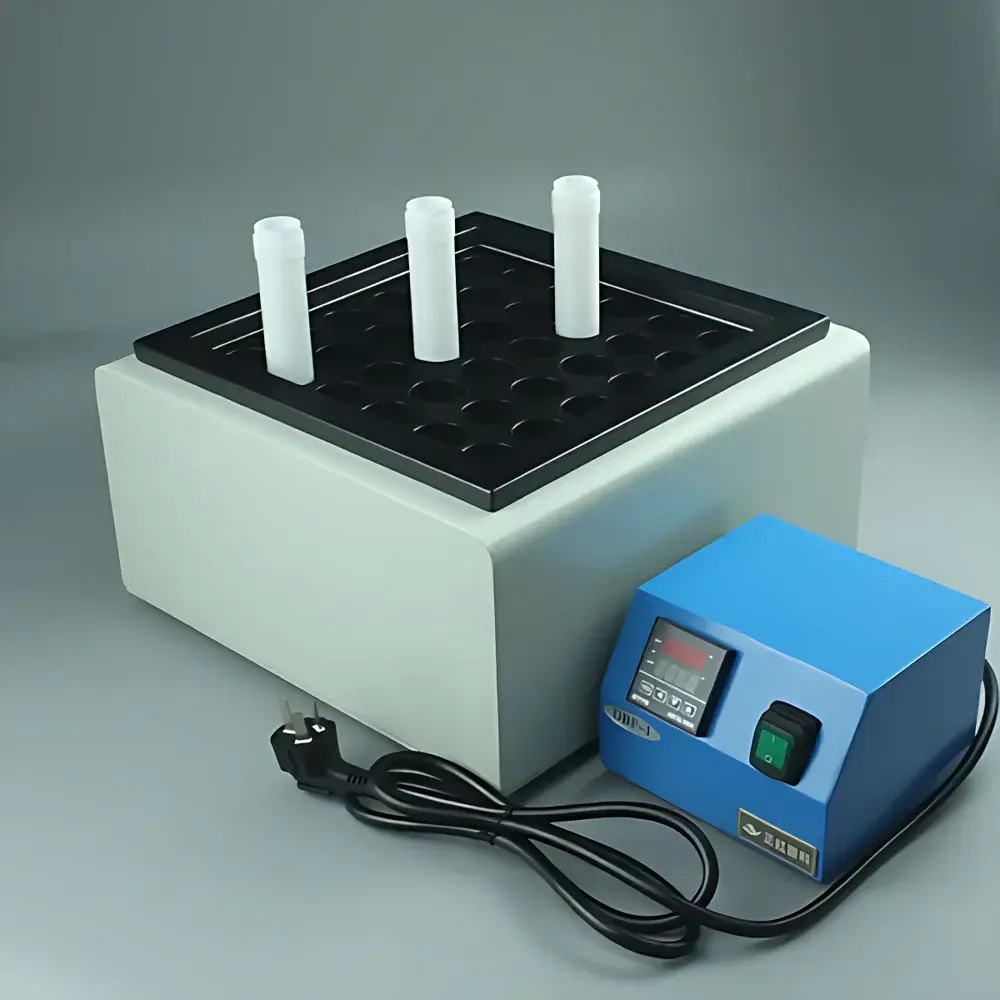
The Binzhenghong NJ-40 Graphite Block Acid Evaporation Station is a semi-automatic, high-stability sample preparation instrument engineered for controlled acid removal (‘acid evaporation’ or ‘acid fuming’) following microwave or hot-block digestion. It operates on the principle of uniform conductive heating via a dense, thermally homogeneous graphite block—providing consistent thermal transfer to multiple digestion vessels simultaneously. Unlike open-heating mantles or ceramic plates, the graphite matrix ensures minimal inter-position temperature deviation (<±1 °C across all 40 wells), critical for reproducible trace-metal recovery in elemental analysis workflows. Designed specifically for post-digestion acid removal prior to analysis by ICP-OES, ICP-MS, AAS, and HG-AFS, this system supports standardized sample concentration without analyte loss or contamination risk. Its maximum operational temperature of 260 °C enables complete volatilization of HNO₃, HCl, HF (with appropriate vessel selection), and H₂O₂ under controlled conditions—making it indispensable in regulated environments where residual acid content directly impacts calibration accuracy and detection limits.
Key Features
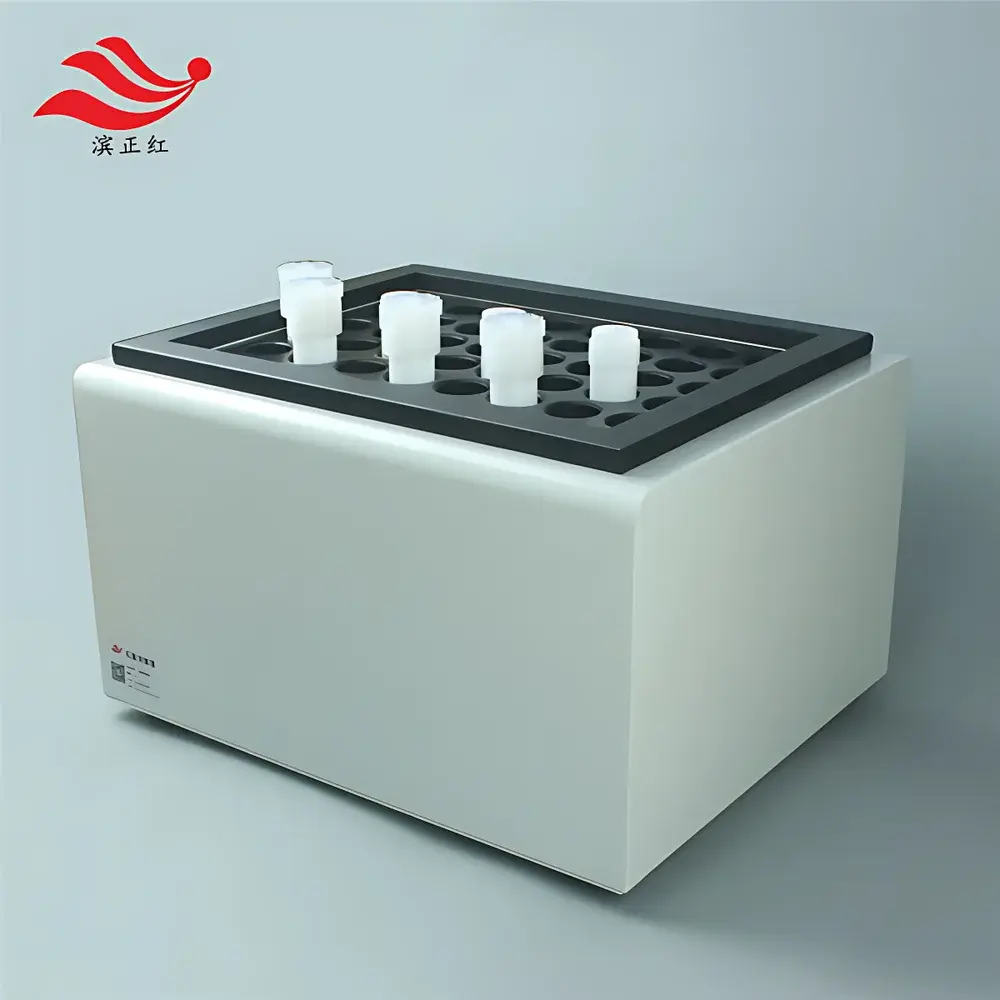
- 40-position high-density graphite block with precision-machined wells accommodating standard 50 mL digestion tubes (PTFE, quartz, or borosilicate)
- Integrated PTFE anti-corrosion coating applied via electrostatic spraying—uniform, adherent, and resistant to prolonged exposure to concentrated mineral acids (including aqua regia and hydrofluoric acid at ≤2% v/v)
- PID digital temperature controller with real-time display, programmable ramp/soak profiles, and ±1 °C thermal stability across full operating range (room temperature to 260 °C)
- Full-enclosure design minimizes ambient heat loss and suppresses acid vapor dispersion—reducing laboratory corrosion hazards and extending electronic component service life
- Electric resistance heating elements embedded beneath the graphite block ensure rapid thermal response and long-term power efficiency (typical energy consumption: <1.8 kW at 260 °C)
- No moving parts or fluid circuits—mechanically robust architecture suitable for continuous operation in QC labs, environmental testing facilities, and university core analytical centers
Sample Compatibility & Compliance
The NJ-40 accommodates standard digestion vessels used in EPA Method 3050B, 3051A, 3052; ISO 11466; and ASTM D3682. When paired with PTFE or quartz digestion tubes, it complies with requirements for low-background trace metal analysis per USP and . The graphite–PTFE interface meets GLP documentation standards for equipment qualification (IQ/OQ/PQ), and temperature logs generated via optional RS232/USB output support 21 CFR Part 11–compliant audit trails when integrated with validated LIMS platforms. All materials contacting samples are certified non-leaching per DIN EN ISO 17025:2017 Annex C criteria.
Software & Data Management
While the base NJ-40 operates via standalone PID controller, optional communication modules (RS232 or USB-to-serial) enable bidirectional data exchange with third-party lab software. Temperature setpoints, ramp rates, hold durations, and real-time readings can be logged externally using compliant SCADA or ELN systems. Firmware supports user-defined method storage (up to 10 protocols), each with independent ramp/soak parameters and safety cutoffs. No proprietary software is required—CSV export functionality ensures compatibility with Excel-based QA/QC reporting and statistical process control (SPC) dashboards.
Applications
- Post-microwave digestion acid evaporation for soil, sediment, and biological tissue digests prior to ICP-MS quantification
- Residual acid removal in food safety testing (e.g., heavy metals in infant formula per EU Commission Regulation (EU) No 1881/2006)
- Standardized sample concentration for environmental water and sludge analysis per EPA 200.8 and ISO 17294-2
- Preparation of certified reference material (CRM) solutions requiring ultra-low blank levels
- QC batch processing in pharmaceutical dissolution testing labs performing elemental impurity screening per ICH Q3D
FAQ
What vessel types are compatible with the NJ-40?
Standard 50 mL PTFE, quartz, or borosilicate digestion tubes with outer diameters between 28–32 mm. Custom well diameters available upon request.
Can the NJ-40 be used for HF-containing digestions?
Yes—when equipped with quartz or specially rated PTFE vessels; the PTFE-coated graphite surface resists HF corrosion at concentrations ≤2% v/v under closed-vessel conditions.
Is temperature calibration traceable to NIST standards?
Each unit ships with a factory calibration certificate; field recalibration using a NIST-traceable PT100 probe is supported via the controller’s calibration offset function.
How is safety ensured during extended 260 °C operation?
Dual redundant overtemperature protection (hardware cutoff at 270 °C + software limit lockout) and grounded chassis design meet IEC 61010-1:2010 Class II safety requirements.
Does the system support GLP-compliant electronic records?
With optional data logging module and validated third-party software, full audit trail generation—including operator ID, timestamped temperature events, and method version—is achievable.



