
TF36 PTFE Digestion Tube (50–60 mL) for LabTech EHD / ED Series and Compatible Block Digesters
| Brand | Binzhenghong |
|---|---|
| Origin | Jiangsu, China |
| Manufacturer Type | Direct Producer |
| Volume Range | 50–60 mL |
| Material | PTFE (Polytetrafluoroethylene) |
| Outer Diameter | 28–29 mm |
| Total Height | 135 mm |
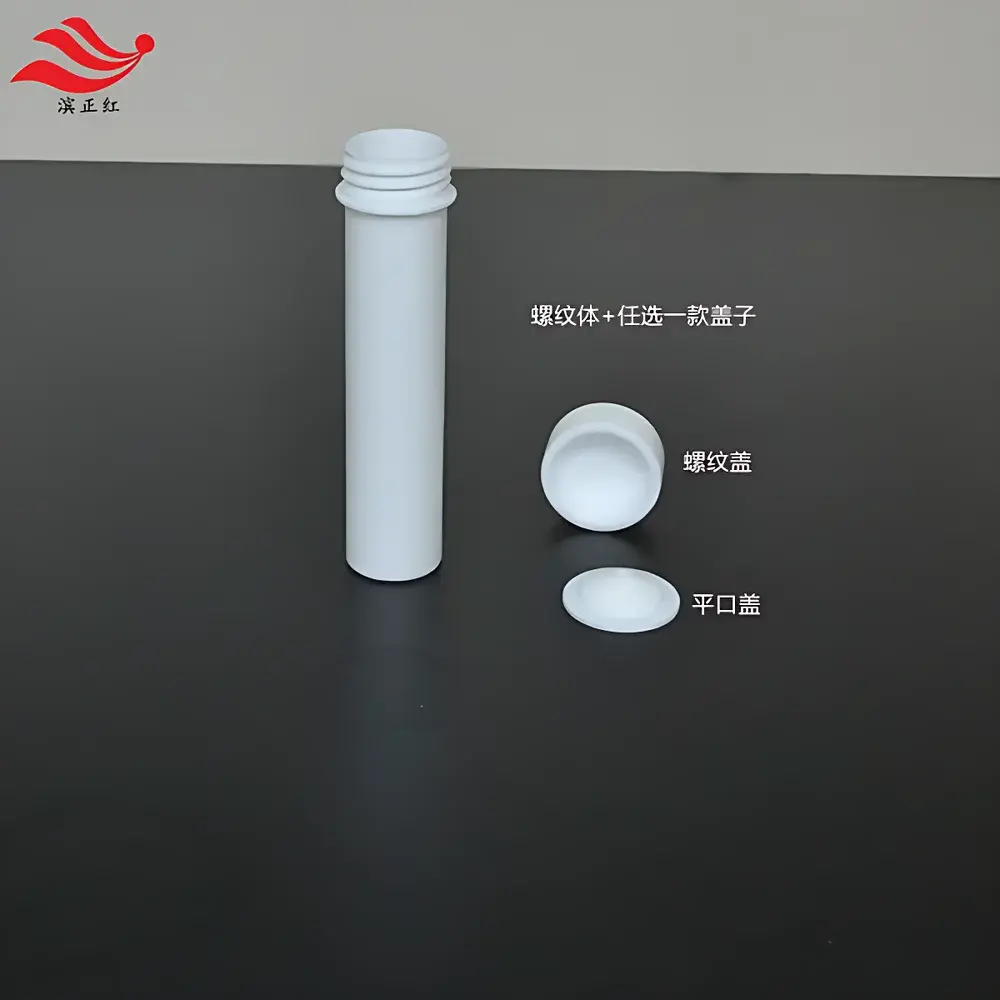
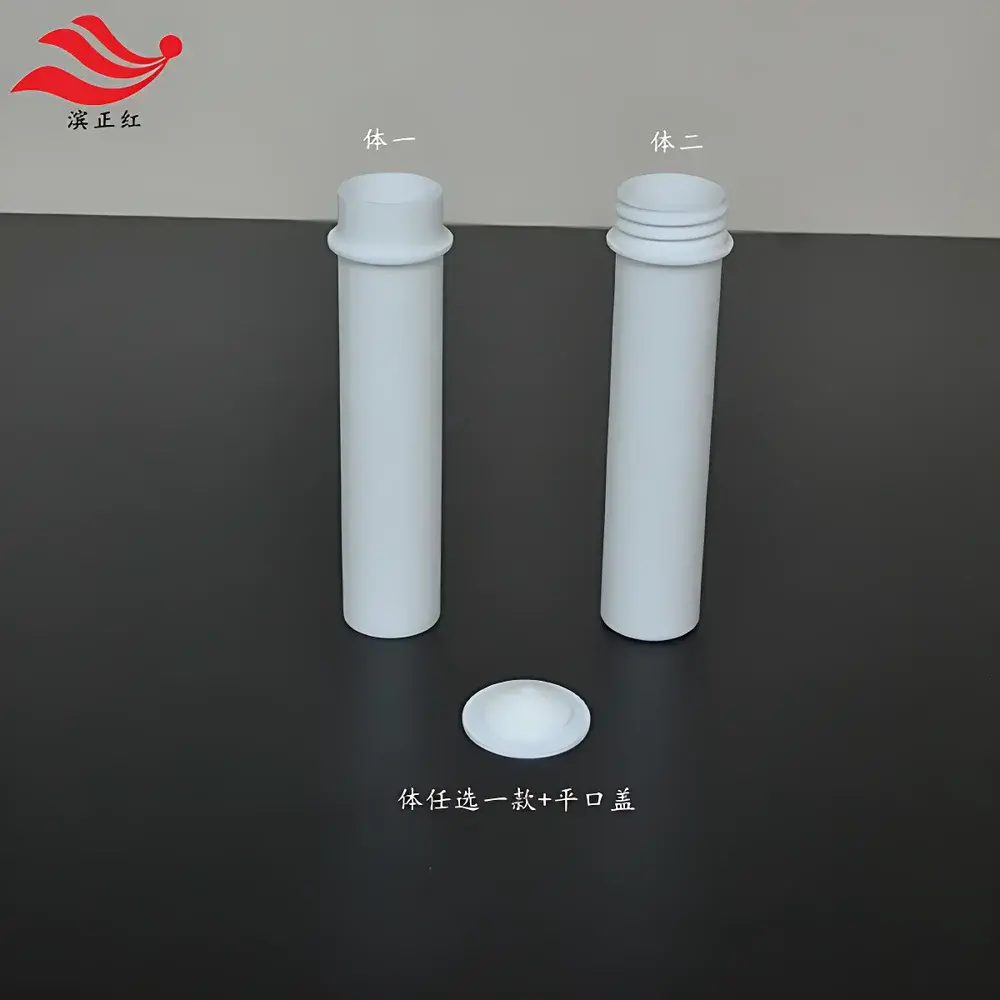
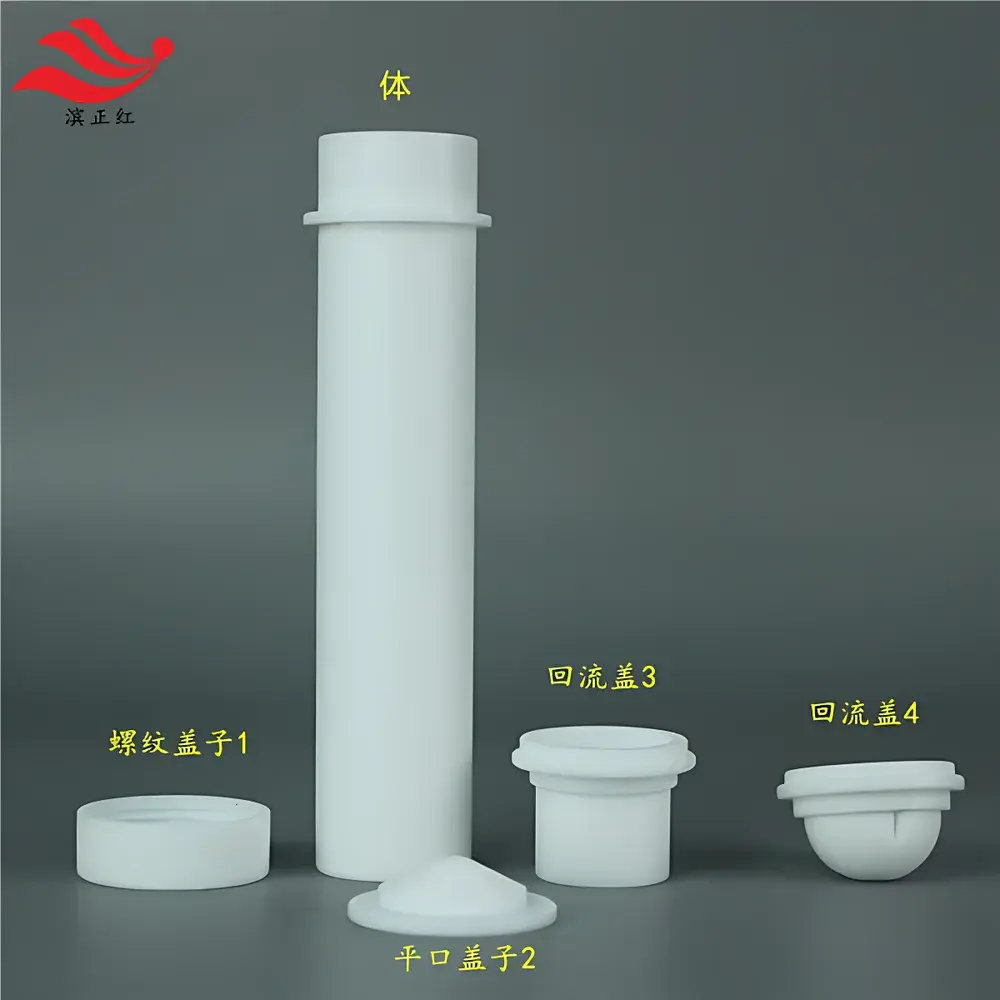
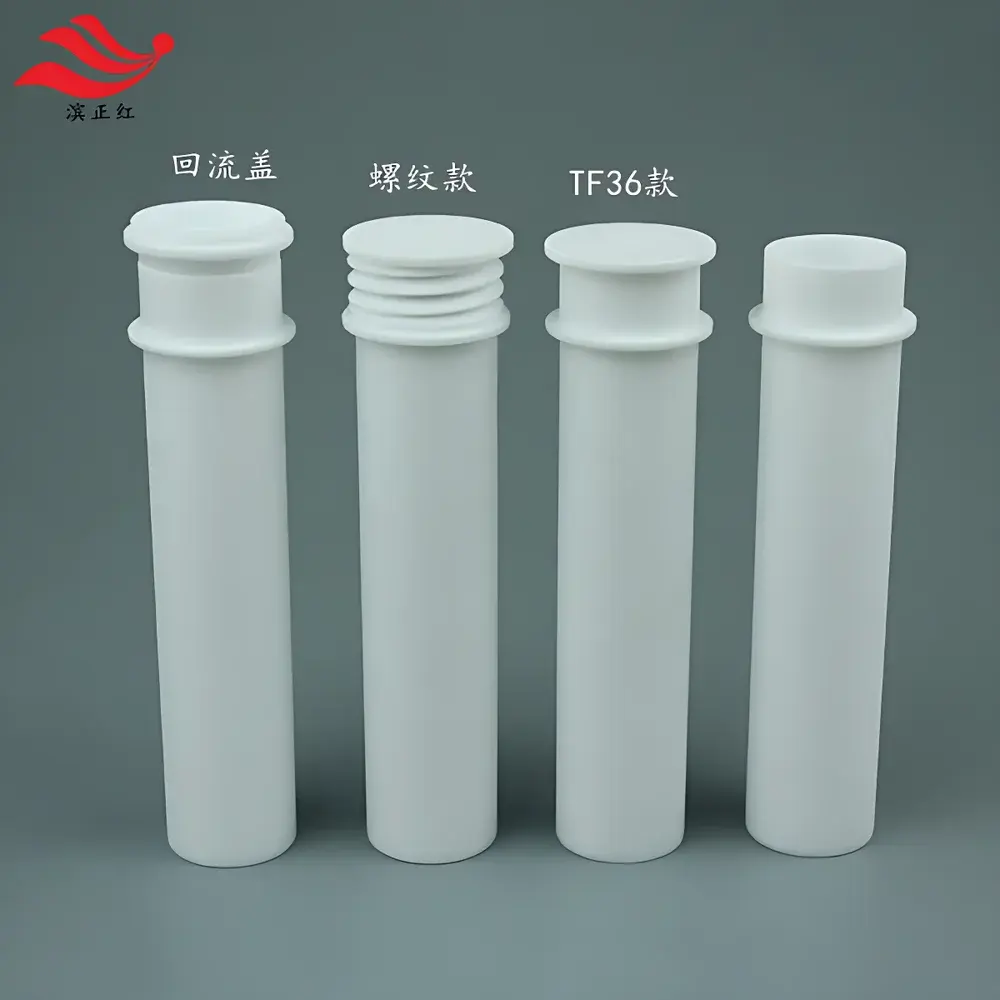
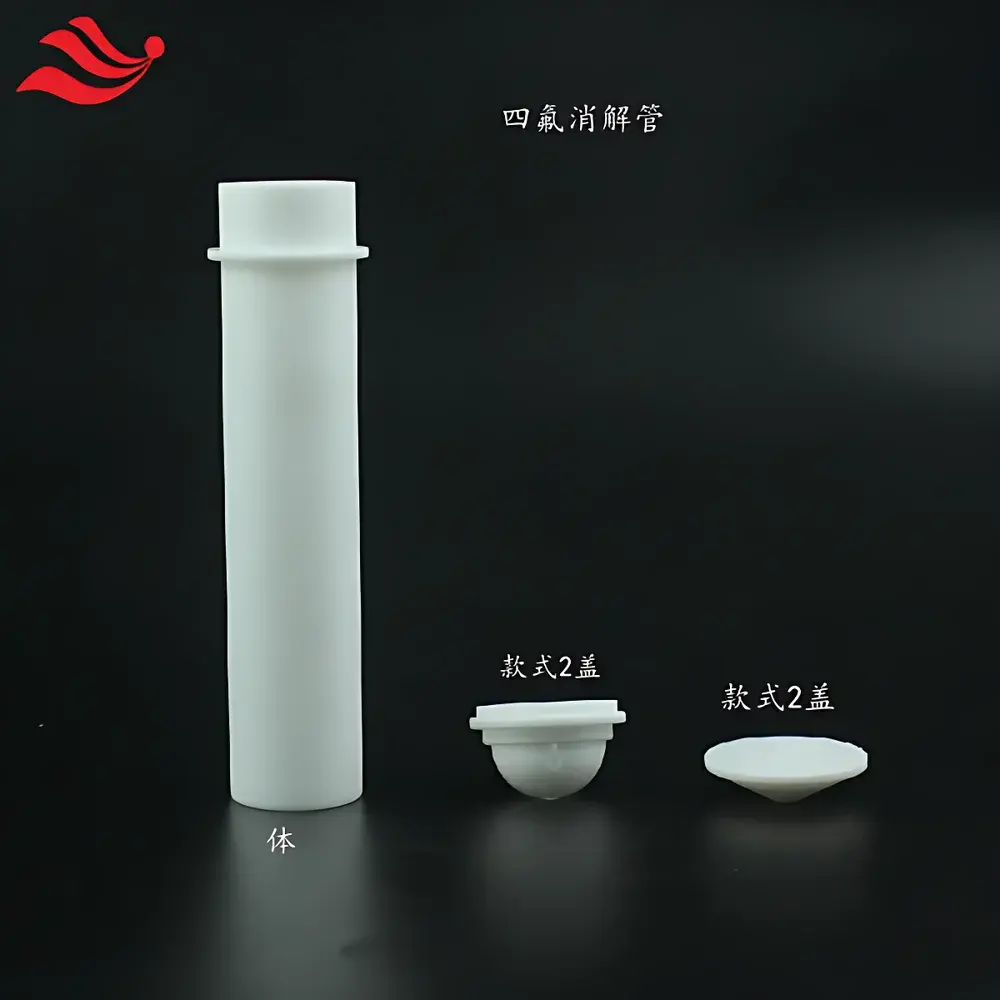
| Cap Options | Threaded, Reflux, Handle, Dual-Integrated, Flared, Flat |
| Temperature Resistance | Up to 250 °C (ambient-pressure operation) |
| Compliance | ASTM D5511, ISO 11466, USP <231>, GLP-compliant sample handling |
Overview
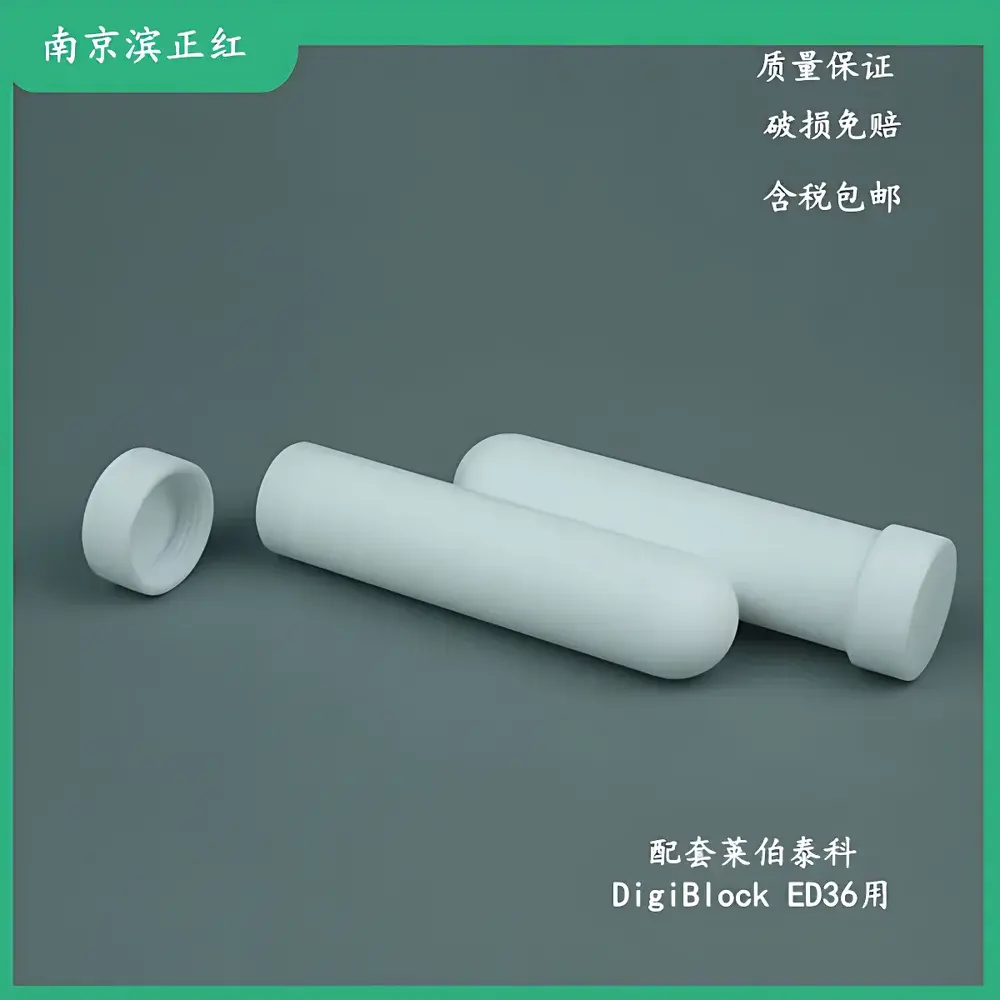
The TF36 PTFE Digestion Tube is a high-purity, chemically inert consumable engineered for open-vessel hot-block digestion in trace metal analysis workflows. Designed specifically for compatibility with LabTech’s EHD and ED series block digesters—as well as widely deployed platforms including Gerdner DS-360, Deena, Thomas Cain, Pulitek ST-60, Ruike, Tianjin Tuozhiming, Haineng, Dingtai, and Aopule—the tube operates on the principle of controlled thermal decomposition under atmospheric pressure. Its construction from virgin polytetrafluoroethylene (PTFE) ensures negligible elemental background, zero adsorption of analytes (e.g., As, Cd, Pb, Cr, Hg), and resistance to aggressive reagents such as aqua regia, hydrofluoric acid (HF), and concentrated nitric/hydrochloric/sulfuric acid mixtures. The 50–60 mL nominal volume accommodates standard EPA Method 3050B, 3051A, and 3052 sample loads while maintaining optimal surface-to-volume ratio for uniform heating and reproducible digestion kinetics.
Key Features
- Chemically pure PTFE construction—free of black specks, yellow discoloration, microcracks, or surface imperfections per ISO 11466 visual inspection criteria
- Precision-machined outer diameter (28–29 mm) and total height (135 mm) ensure secure fit and thermal contact in LabTech EHD/ED, Gerdner DS-360, and other 36-position block digesters
- Multiple cap configurations available—including threaded, reflux, handle-integrated, dual-seal, flared, and flat-top—each optimized for vapor retention, operator ergonomics, or instrument-specific sealing interfaces
- Laser-etched permanent numbering on both cap and tube body enables unambiguous sample traceability across multi-batch GLP/GMP workflows
- Thermal stability up to 250 °C under ambient-pressure conditions; optional vented-thread caps support controlled off-gassing during high-temperature HF-assisted digestions
- Non-wetting surface eliminates carryover risk and simplifies post-digestion rinsing with dilute HNO₃ or ultrapure water
Sample Compatibility & Compliance
These tubes are validated for use with solid and semi-solid environmental, biological, food, and geological matrices—including soils, sediments, plant tissues, animal tissues, and polymer composites—prior to ICP-MS, ICP-OES, or AAS quantification. Their PTFE composition meets ASTM D5511 (determination of trace metals in waste), ISO 11466 (extraction of trace elements from soils), and USP (heavy metals testing). Each batch undergoes blank testing per EPA Method 200.8 protocol, reporting typical detection limits ≤0.05 ng/mL for As, Cd, Pb, and Cr in 2% HNO₃ blanks. Tubes are supplied clean and certified residue-free—no pre-leaching required.
Software & Data Management
While the TF36 tube itself is a passive consumable, its design integrates seamlessly into digital lab ecosystems. Permanent numbering supports barcode scanning into LIMS platforms (e.g., LabWare, STARLIMS) and electronic lab notebooks (ELNs) compliant with 21 CFR Part 11 audit-trail requirements. When used with LabTech EHD systems equipped with SmartLink software, tube-specific metadata—including lot number, calibration history, and usage cycle count—can be logged alongside digestion method parameters (ramp rate, hold time, temperature setpoint) to satisfy ISO/IEC 17025 documentation standards.
Applications
- EPA-regulated environmental monitoring: soil and sediment digestion per Methods 3050B and 3051A
- Clinical and nutritional analysis: digestion of hair, blood, urine, and dietary supplements for multi-element profiling
- Food safety testing: determination of toxic and essential elements in infant formula, seafood, and cereals
- Geochemical research: partial and total dissolution of silicate rocks and ores using HF-HNO₃-HClO₄ sequences
- Pharmaceutical quality control: heavy metals screening in APIs and excipients per ICH Q2(R2) and USP
FAQ
What is the maximum recommended operating temperature for these PTFE tubes?
The tubes are rated for continuous use up to 250 °C under non-pressurized (open-vessel) conditions. For HF-containing digestions above 220 °C, vented-thread caps are advised to prevent pressure buildup.
Can these tubes be reused?
Yes—provided they are thoroughly cleaned after each use with 5% HNO₃ soak, followed by ultrasonic agitation and triple-rinse with 18.2 MΩ·cm water. Visual inspection for scratches or discoloration must precede reuse in trace-level applications.
Do you offer PFA alternatives?
Yes—PFA variants (transparent, low-extractable, rated to 260 °C) are available upon request for applications requiring real-time liquid-level observation or extended service life in ultra-trace workflows.
Are custom dimensions supported?
Yes—custom OD, height, volume, and cap geometry can be engineered to match proprietary digester blocks or automated sample introduction systems.
How are lot-specific blank data provided?
Each shipment includes a Certificate of Analysis (CoA) listing measured blank concentrations for ≥20 elements (Al, As, Cd, Co, Cr, Cu, Fe, Mn, Ni, Pb, Sb, Se, Sn, V, Zn, etc.) in 2% HNO₃ matrix, tested via ICP-MS against NIST SRM 1640a.





