
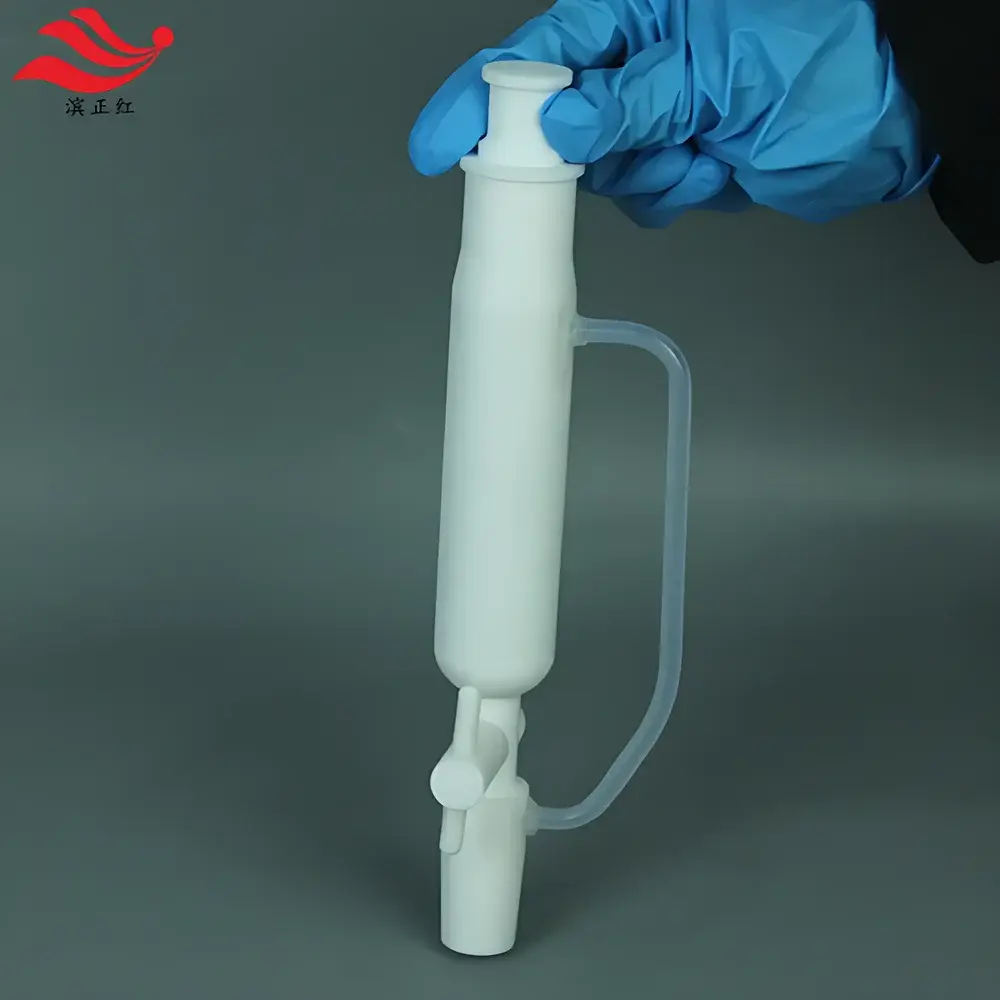
HF Condensation and Distillation System for Petrochemical & Chemical Applications – PFA Reaction Flask Assembly
| Brand | Binzhenghong |
|---|---|
| Origin | Jiangsu, China |
| Manufacturer Type | Direct Producer |
| Origin Classification | Domestic |
| Model Options | 250 mL, 500 mL, 1000 mL |
| Pricing | Upon Request |
Overview
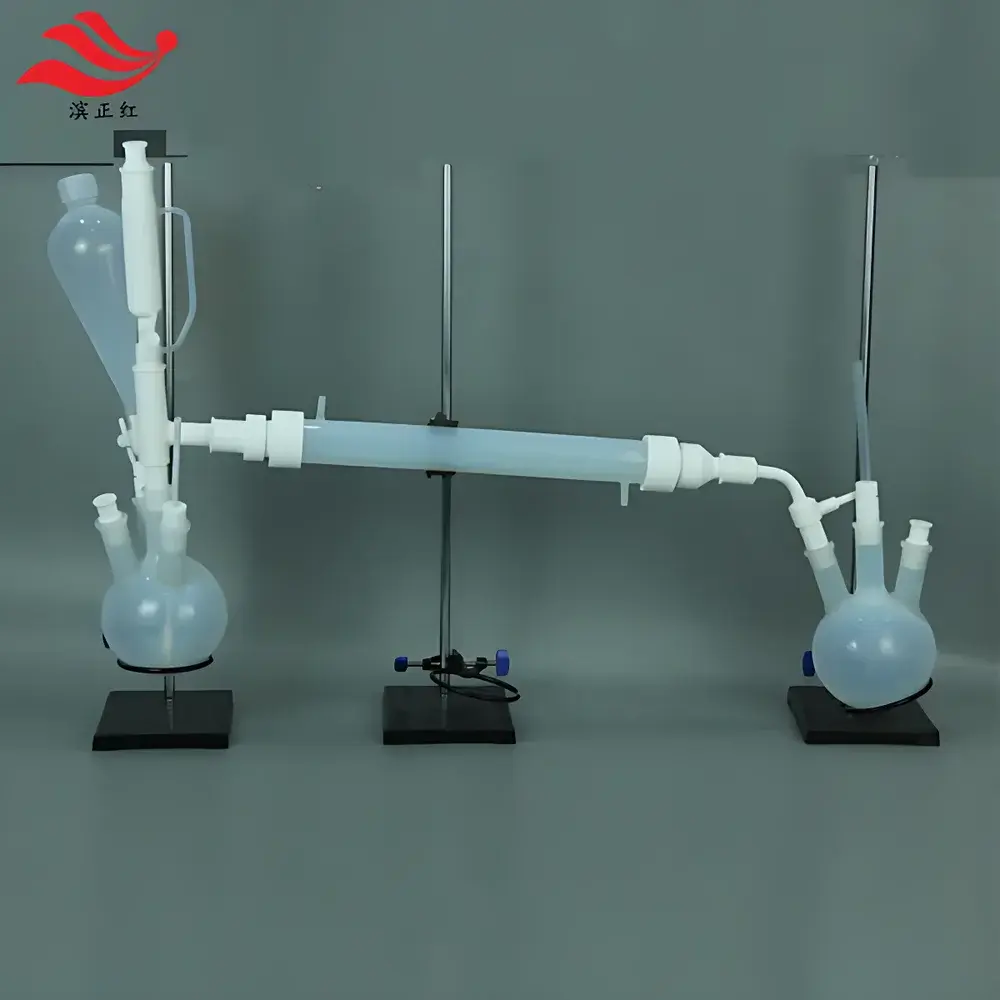
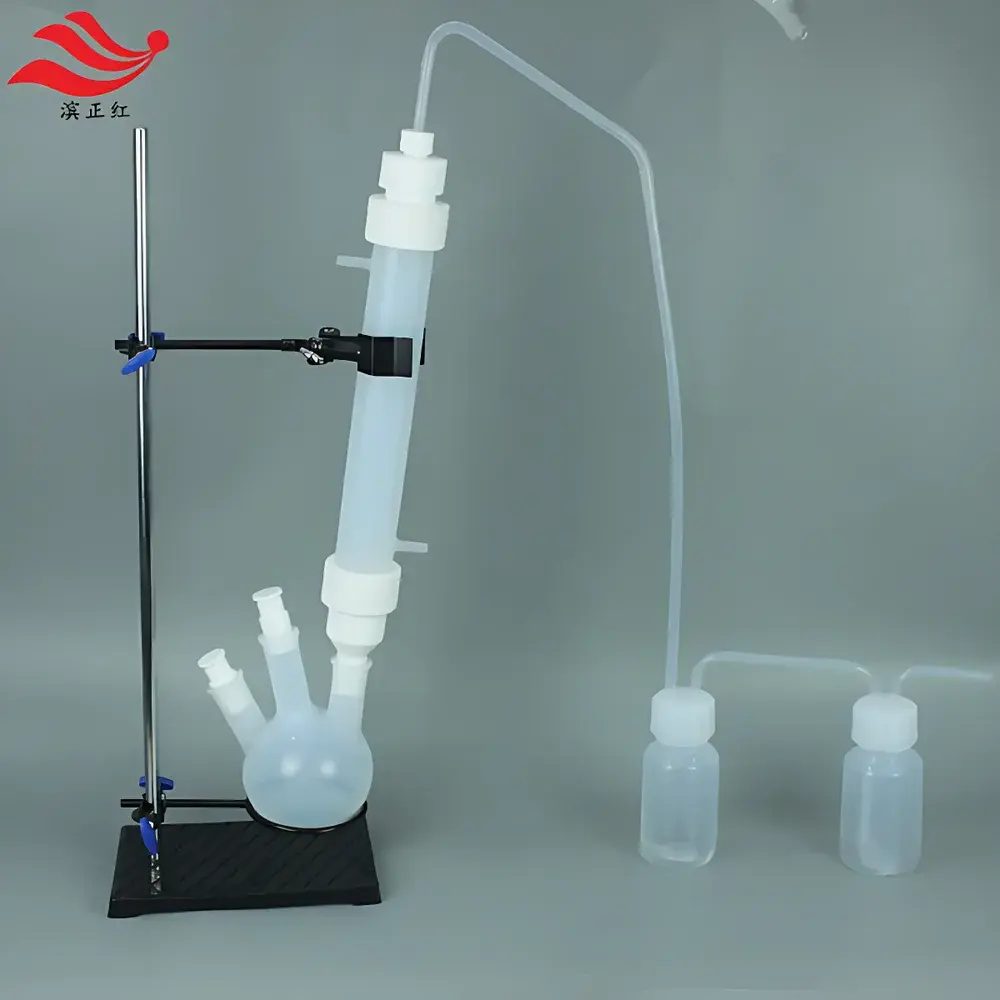
The HF Condensation and Distillation System is a fully fluoropolymer-integrated laboratory apparatus engineered for the safe handling, controlled distillation, and high-efficiency condensation of anhydrous hydrogen fluoride (HF) and other highly corrosive, volatile fluorinated compounds in petrochemical refining, fluorochemical synthesis, and advanced materials R&D. Constructed entirely from high-purity perfluoroalkoxy alkane (PFA), this system eliminates metal contamination and withstands continuous exposure to HF at elevated temperatures (up to 260 °C) and aggressive chemical environments. Unlike glass or stainless-steel alternatives, PFA offers exceptional resistance to etching, permeation, and stress cracking—critical for maintaining analytical integrity and operational safety during HF-mediated alkylation, fluorination, or catalyst regeneration processes. The system operates on standard atmospheric or vacuum-assisted distillation principles, leveraging precise thermal gradients and inert gas compatibility (N₂, Ar) to ensure stoichiometric control and reproducible recovery yields.
Key Features
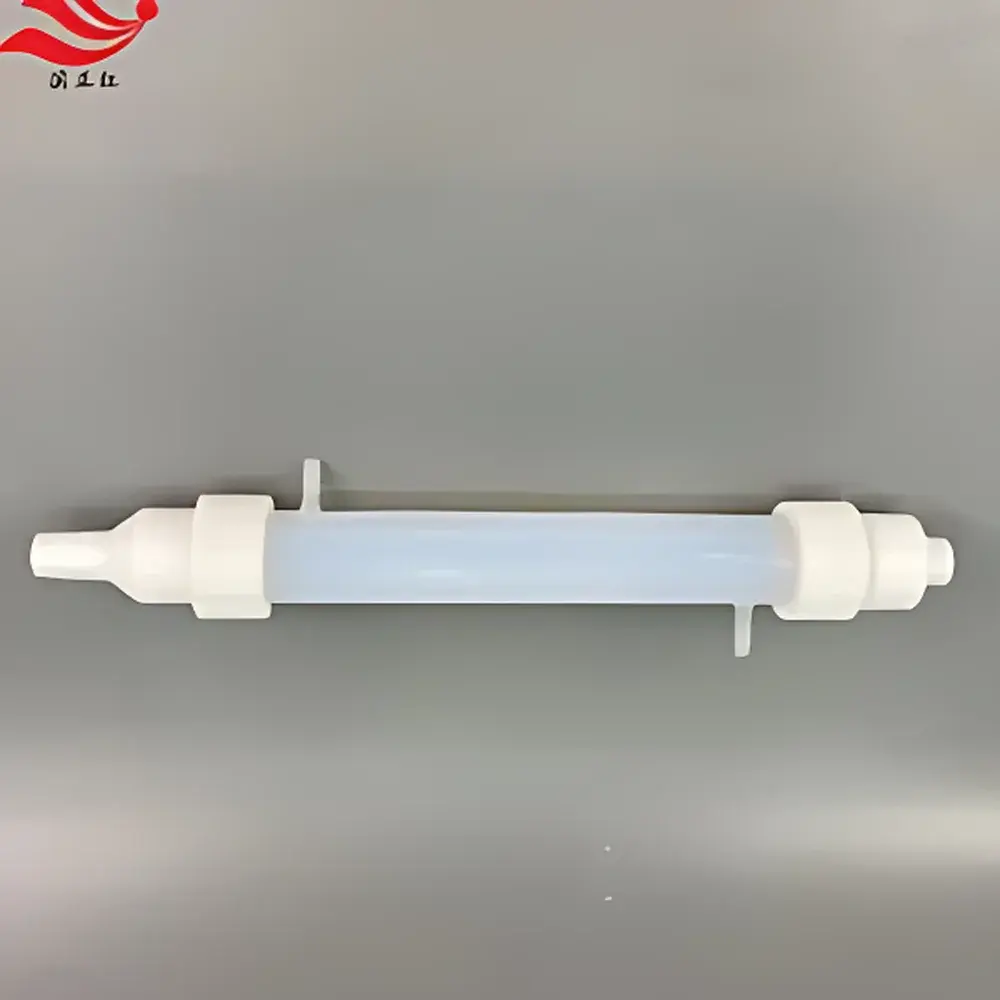
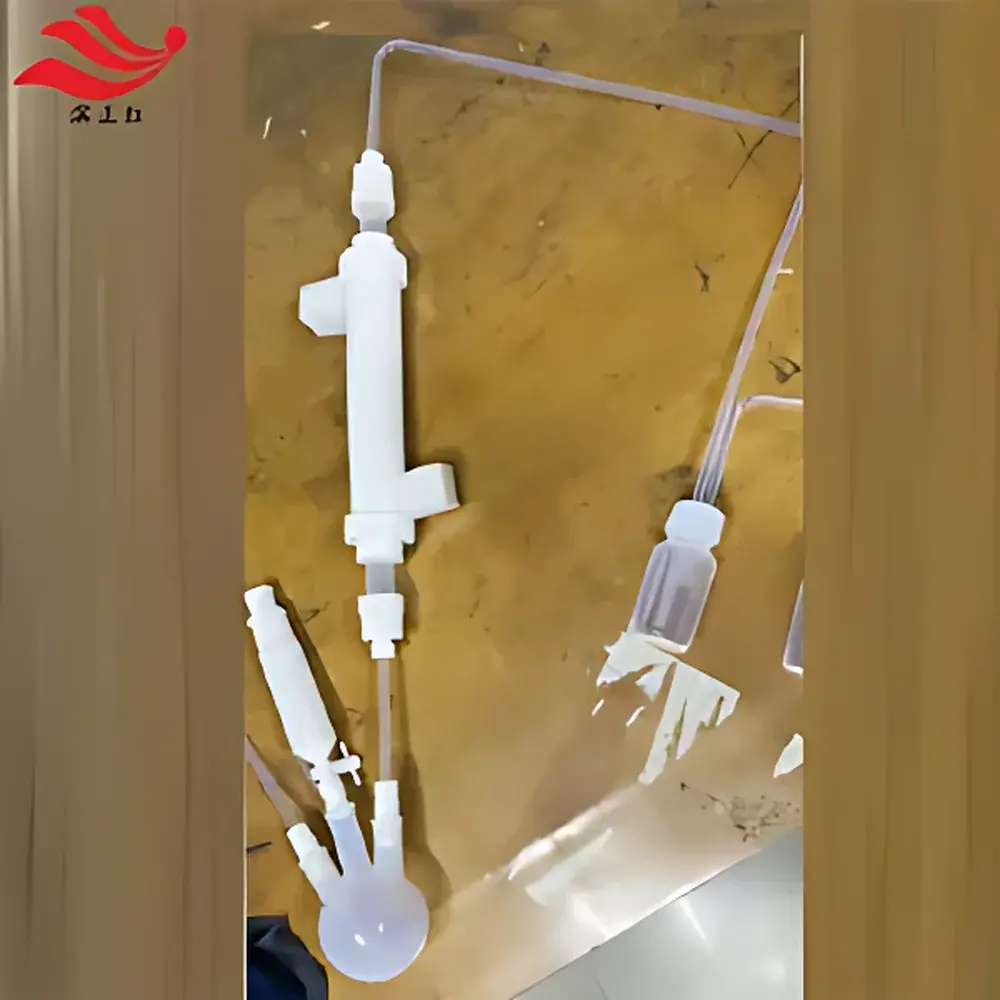
- Full-PFA construction—including reaction flask, pressure-equalizing dropping funnel, straight-tube condenser, and receiver vessel—ensuring zero metallic leaching and long-term chemical stability under HF exposure.
- Pressure-equalizing PFA dropping funnel enables controlled reagent addition without disrupting system vacuum or introducing air/moisture—essential for moisture-sensitive fluorination reactions.
- Optimized condenser geometry with extended PFA surface area and uniform wall thickness enhances condensation efficiency across variable reflux ratios (1:1 to 10:1), minimizing HF vapor loss and improving mass balance accuracy.
- Interchangeable volumetric configurations (250 mL, 500 mL, 1000 mL) support scalability from screening-scale optimization to pilot-batch synthesis while maintaining geometric similarity and thermal consistency.
- Chemically inert PFA ground-glass joint alternatives (e.g., PFA-to-PFA compression seals) eliminate lubricant contamination and provide leak-tight integrity up to 0.1 mbar absolute pressure.
- Autoclavable and compatible with Class 100 cleanroom handling protocols—suitable for semiconductor-grade HF purification workflows.
Sample Compatibility & Compliance
This system is validated for use with anhydrous HF, oleum-HF mixtures, fluorosulfonic acid, chlorosulfonic acid, and other Brønsted/Lewis superacids. It complies with ASTM D7213 (Standard Practice for Handling Anhydrous Hydrogen Fluoride) and aligns with ISO 9001-certified manufacturing controls. All PFA components meet USP Class VI biocompatibility requirements and are traceably certified for extractables profiling per ICH Q5C guidelines. The design supports GLP-compliant documentation when integrated with validated temperature monitoring (e.g., calibrated Pt100 sensors) and pressure logging systems. No regulatory exemptions apply; users must implement site-specific HF safety protocols—including real-time HF gas detection, emergency scrubbing, and NFPA 45-compliant fume hood containment.
Software & Data Management
While the core apparatus is hardware-only, it is engineered for seamless integration into automated process control environments. Standardized 1/4″–28 UNF threaded ports and PFA-compatible compression fittings allow direct coupling with digital temperature controllers (e.g., Eurotherm 3500 series), vacuum regulators (e.g., VAT Type 10.1), and data acquisition modules compliant with FDA 21 CFR Part 11. Audit trails, electronic signatures, and user-access hierarchies can be implemented via third-party SCADA platforms (e.g., Ignition SCADA or LabVIEW-based DAQ). Raw thermal and pressure logs are exportable in CSV/Excel format for trend analysis, batch record generation, and regulatory submission packages.
Applications
- Catalytic alkylation of isobutane with butylene using HF-based catalysts in refinery R&D labs.
- Synthesis of fluorinated pharmaceutical intermediates (e.g., fluticasone propionate precursors) requiring ultra-low metal residue.
- Purification of electronic-grade HF for silicon wafer cleaning and etching process development.
- Stability testing of fluorinated polymers (e.g., FEP, PTFE) under accelerated HF vapor exposure conditions.
- Development of novel ionic liquids containing fluorinated anions (e.g., [BF₄]⁻, [PF₆]⁻) under inert atmosphere.
- Recovery and recycle of spent HF from uranium enrichment cascade auxiliary systems (non-nuclear licensed facilities only).
FAQ
Is this system suitable for use with aqueous HF solutions?
No. This apparatus is designed exclusively for anhydrous HF and non-aqueous fluorinating media. Aqueous HF causes rapid hydrolytic degradation of PFA and compromises structural integrity.
Can the PFA condenser be used with dry ice/acetone cooling?
Yes—PFA exhibits no embrittlement at cryogenic temperatures. However, thermal shock must be avoided: pre-chill the condenser gradually and ensure uniform coolant flow to prevent localized stress fractures.
What validation documentation is provided with each unit?
Each assembly ships with a Certificate of Conformance (CoC), PFA material lot traceability report, dimensional inspection record, and pressure-test verification (leak rate ≤1×10⁻⁹ mbar·L/s He).
Are custom configurations (e.g., side-arm receivers, multi-stage condensers) available?
Yes. Binzhenghong offers OEM engineering support for application-specific adaptations, subject to minimum order quantities and PFA fabrication lead time assessment.
Related Products



