
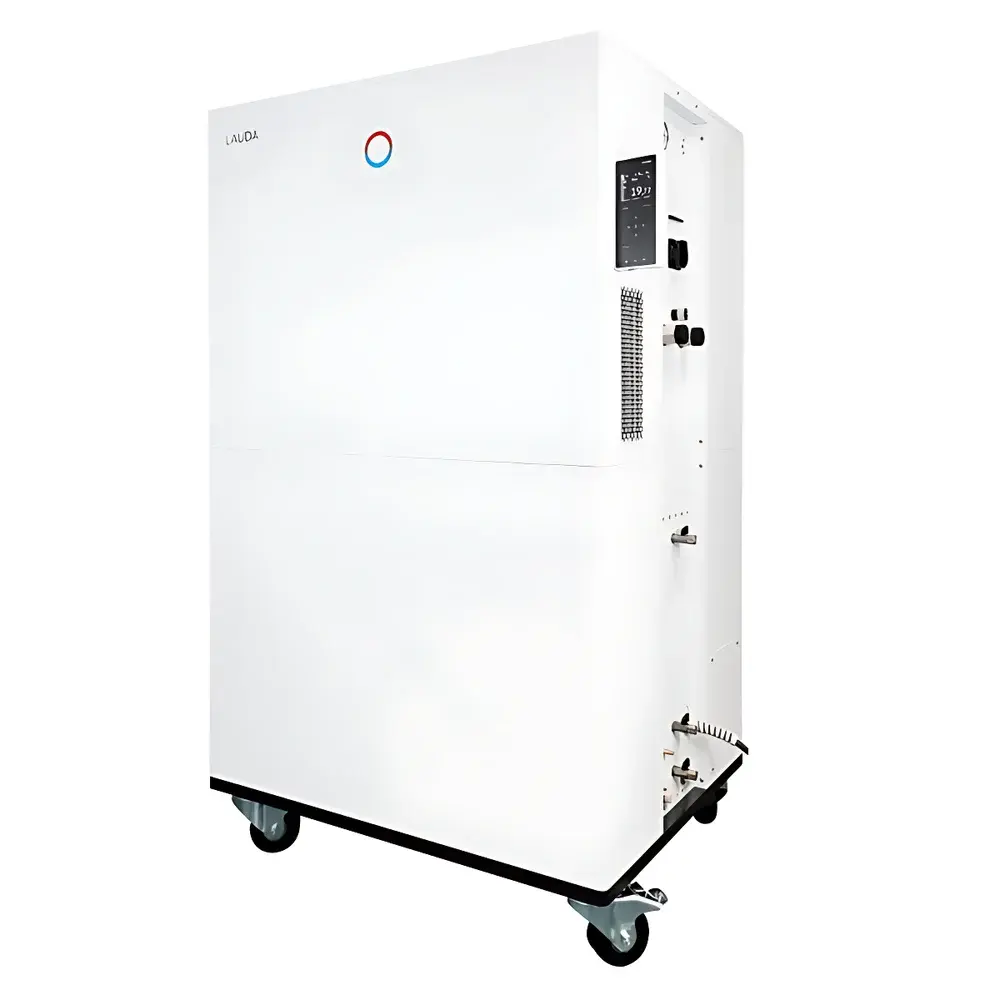
LAUDA Integral P IN 2050 PW High-Low Temperature Circulating Chiller
| Brand | LAUDA |
|---|---|
| Origin | Germany |
| Model | IN 2050 PW |
| Instrument Type | Integrated Circulating Chiller |
| Cooling Method | Water-Cooled |
| Temperature Range | –40 to +140 °C |
| Refrigeration Capacity | 15,000 W |
| Temperature Stability | ±0.05 °C |
| Pump Pressure | 6.0 bar |
| Pump Flow Rate | 120 L/min |
| Reservoir Volume | 11.1–36.3 L |
| Operating Mode | Continuous |
Overview
The LAUDA Integral P IN 2050 PW is a high-performance, integrated circulating chiller engineered for precise dynamic temperature control across demanding laboratory and industrial applications. Utilizing a closed-loop, pressurized thermal management architecture, it enables stable operation from –40 °C to +140 °C—achieving elevated upper limits by maintaining system pressure up to 4 bar, thereby suppressing vaporization of aqueous glycol-based heat transfer fluids. Its core thermodynamic design integrates a high-efficiency refrigeration circuit (R-449A, GWP 1397), a 16 kW electric heater, and a SmartCool digital compressor management system that modulates cooling output based on real-time thermal load—ensuring energy-efficient operation without sacrificing response time or stability. The unit operates continuously under full load with minimal internal fluid volume and an oversized expansion chamber, minimizing thermal inertia while maximizing long-term fluid integrity.
Key Features
- Pressurized closed-loop system rated to 4 bar—enables safe use of water/glycol mixtures at temperatures up to +140 °C
- LAUDA Variopump: electronically controlled, magnetically coupled, 8-stage variable-speed pump with digital pressure display (0–6.0 bar) and adjustable flow (up to 120 L/min)
- Integrated bypass valve for independent regulation of internal vs. external pressure—critical for high-backpressure applications such as jacketed reactors or inline viscometers
- Full-color TFT touchscreen interface with graphical temperature curve display, six-language menu support (English, German, French, Spanish, Italian, Russian), and intuitive text-based navigation
- Advanced PID controller with adaptive auto-tuning, PowerAdapt power optimization, and Tmax overtemperature protection with audible alarm
- Embedded self-diagnostic assistant, remote fault indication, and Ethernet/USB connectivity for secure LAN-based access via LAUDA.LIVE web server
- Programmable scheduler supporting five independent protocols, each containing up to 30 temperature/time segments (150 total segments)
Sample Compatibility & Compliance
The IN 2050 PW is compatible with standard heat transfer fluids—including water, water/ethylene glycol (e.g., 30/70 v/v), and other non-flammable, low-viscosity synthetic oils approved for use in LAUDA systems. Its sealed, pressurized design meets DIN EN 61000-6-2 (EMC immunity) and DIN EN 61000-6-4 (EMC emission) standards. For regulated environments, the device supports audit-ready operation: temperature logging with timestamped records, user-access control via password-protected interfaces, and optional firmware upgrades compliant with FDA 21 CFR Part 11 requirements when paired with LAUDA’s validated software suite. It is suitable for GLP/GMP-aligned workflows where traceability, repeatability, and environmental stability are essential—such as polymer synthesis, pharmaceutical stability testing, and materials characterization under thermal stress.
Software & Data Management
Control and monitoring are enabled through both local HMI and remote web access. The built-in LAUDA.LIVE server allows secure, browser-based operation from any PC, tablet, or smartphone within the local network—no proprietary client software required. All setpoints, actual values, alarms, and pump parameters are streamed in real time. Data export is supported via USB (CSV format), while Ethernet enables integration into centralized lab infrastructure (e.g., LabVantage, DeltaV, or custom SCADA). Optional communication modules—including RS-485, Profibus DP, EtherCAT, analog I/O, and dry-contact interfaces—facilitate seamless connection to PLCs and process control systems. Firmware updates are delivered via encrypted HTTPS download, ensuring cybersecurity compliance and version traceability.
Applications
- Temperature-controlled reaction calorimetry and synthesis in jacketed glass or stainless-steel reactors
- Dynamic thermal cycling for rheological testing, DSC calibration, and material fatigue studies
- Cooling and heating of analytical instruments requiring stable thermal environments—e.g., HPLC column ovens, FTIR accessories, and laser sources
- Process validation studies requiring ISO/IEC 17025-compliant temperature uniformity and stability documentation
- Accelerated aging tests per ASTM D3045 or IEC 60068-2-1/2 for electronics and packaging materials
- Calibration of temperature sensors and reference baths in metrology laboratories
FAQ
What heat transfer fluids are recommended for operation at +140 °C?
Water/ethylene glycol (30/70 v/v) is validated for continuous use up to +140 °C under 4 bar system pressure. Silicone oils may be used but require compatibility verification with seals and pump materials.
Is the IN 2050 PW suitable for cleanroom environments?
Yes—the unit meets ISO 14644-1 Class 8 air cleanliness requirements when installed with proper ventilation and filtered cooling water supply; optional HEPA-filtered cabinet airflow kits are available.
Can multiple IN 2050 PW units be synchronized for master-slave temperature control?
Yes—via Modbus TCP or EtherCAT, enabling coordinated ramp/soak profiles across distributed thermal systems.
Does the device support 21 CFR Part 11-compliant electronic signatures?
When deployed with LAUDA’s optional Validation Package and connected to a qualified network infrastructure, full Part 11 functionality—including role-based access, audit trails, and electronic signatures—is achievable.
What maintenance intervals are recommended for optimal long-term performance?
Compressor oil analysis every 24 months, refrigerant leak check annually, and heat exchanger cleaning every 12 months—per LAUDA Maintenance Manual Rev. 4.2.



