
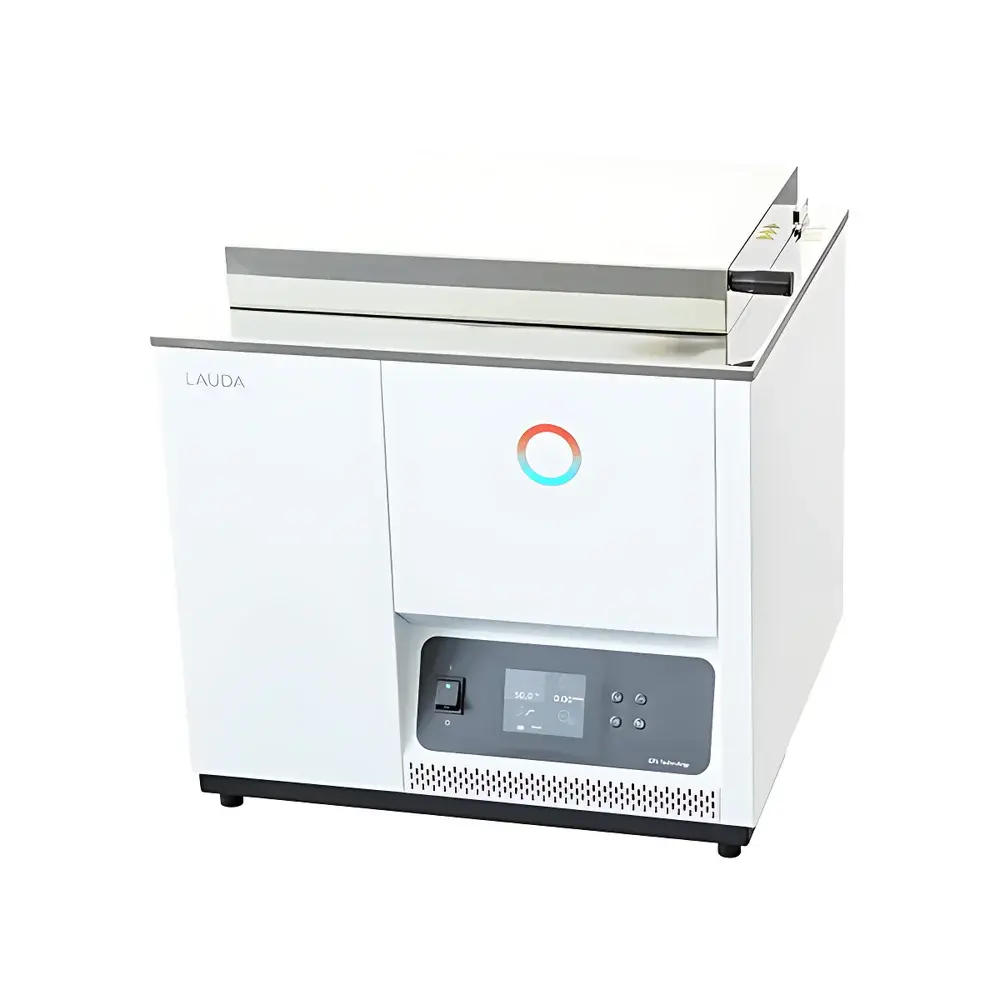
LAUDA Hydro H 41 General-Purpose Circulating Water Bath, 25–100 °C with ±0.1 °C Stability
| Brand | LAUDA |
|---|---|
| Origin | Germany |
| Model | H 41 |
| Temperature Range | 25–100 °C |
| Temperature Stability | ±0.1 °C |
| Bath Volume | 37.9 L |
| Heating Power | 1.5 kW |
| Dimensions (W×D×H) | 510×490×476 mm |
| Bath Opening (W×L) | 410×296 mm |
| Usable Depth | 285 mm |
| Weight | 22 kg |
| Power Supply | 230 V, 50/60 Hz |
Overview
The LAUDA Hydro H 41 is a high-precision, general-purpose circulating water bath engineered for demanding laboratory environments where thermal uniformity, long-term stability, and operational safety are critical. Operating within a calibrated temperature range of 25 °C to 100 °C, it leverages direct-bottom heating—positioned beneath the stainless-steel perforated support plate—to establish rapid thermal equilibrium and minimize vertical temperature gradients. This design ensures spatial temperature homogeneity ≤ ±0.1 °C across the full bath volume, validated under ISO/IEC 17025-compliant calibration protocols. Unlike immersion-heater configurations prone to localized hot spots, the Hydro H 41’s integrated heating element delivers laminar heat transfer, making it suitable for applications requiring strict thermal conformity—such as enzyme kinetics assays, cell culture incubation pre-conditioning, dissolution testing per USP , and ASTM D5236 viscosity reference baths.
Key Features
- High-contrast 3.5-inch TFT touchscreen interface with intuitive navigation, enabling precise temperature setpoints in 0.1 °C increments and real-time monitoring of actual bath temperature, elapsed time, and system status.
- Dual-layer insulated stainless-steel lid with inward-curving condensate channel geometry—designed to redirect condensed moisture back into the bath reservoir, eliminating droplet contamination on samples or vessels placed above.
- Integrated safety architecture: automatic cut-off triggers upon low-level detection (dry-run prevention), overtemperature excursion (>102 °C), or sustained deviation beyond ±0.5 °C from setpoint—accompanied by audible alarm and visual warning on display.
- Three independent timer functions: delay start (up to 24 h), hold duration post-setpoint attainment (0–999 min), and total run time (0–999 min), supporting unattended overnight operation compliant with GLP documentation workflows.
- Robust construction: seamless 316L stainless-steel bath chamber; electrogalvanized, powder-coated steel housing; drain valve with quick-connect fitting; supplied with perforated stainless-steel tray and dual-lid assembly.
Sample Compatibility & Compliance
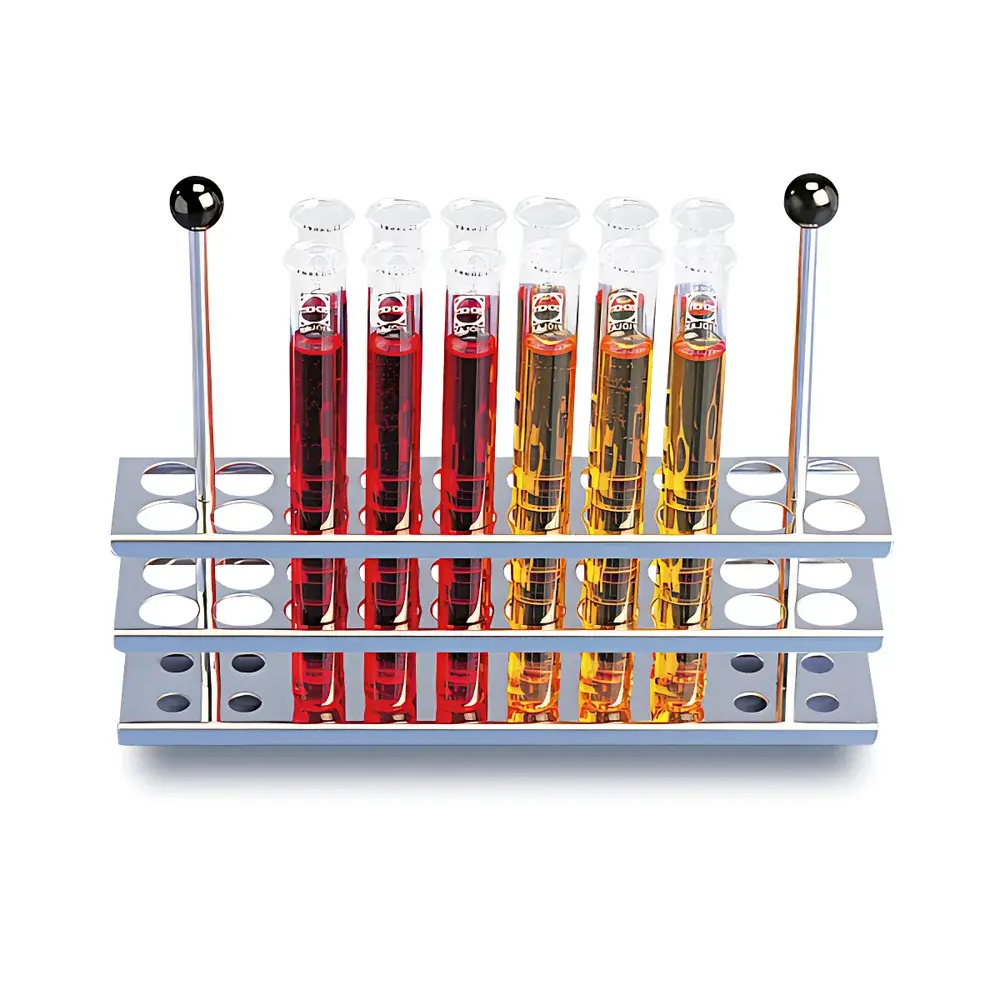
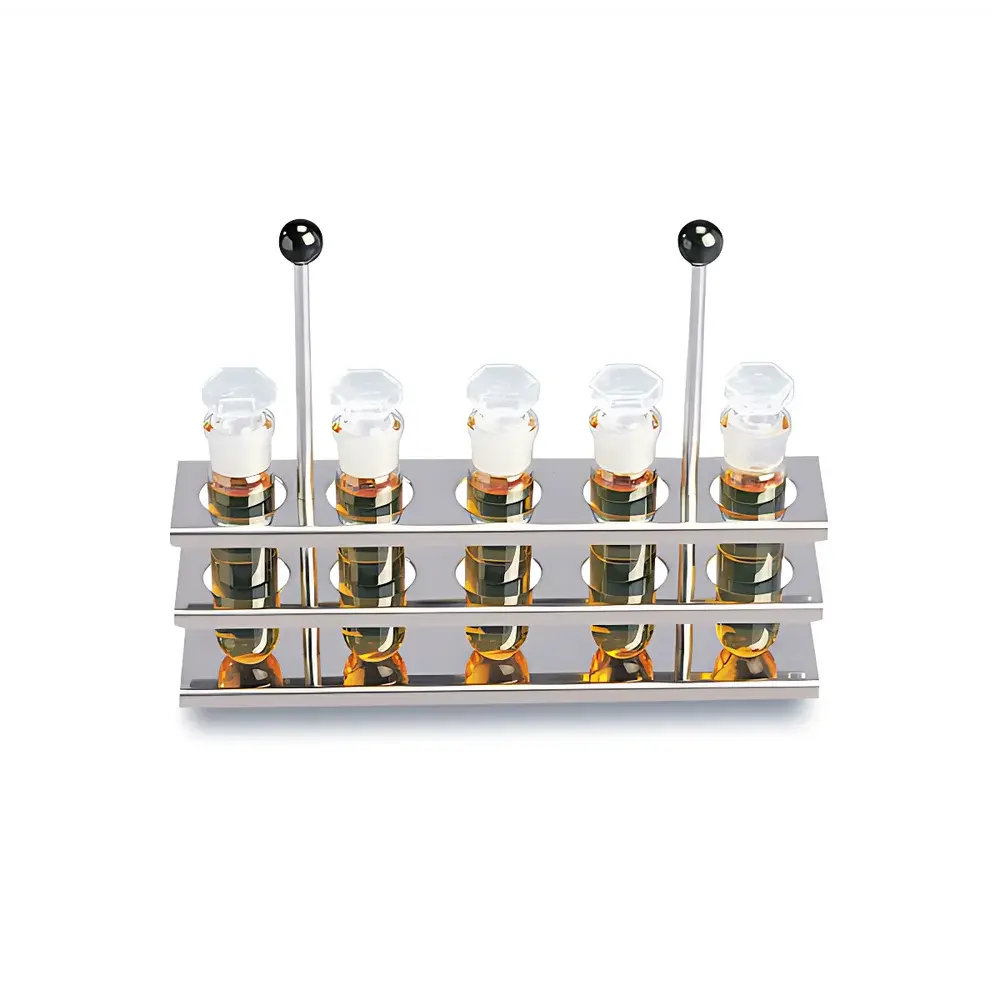
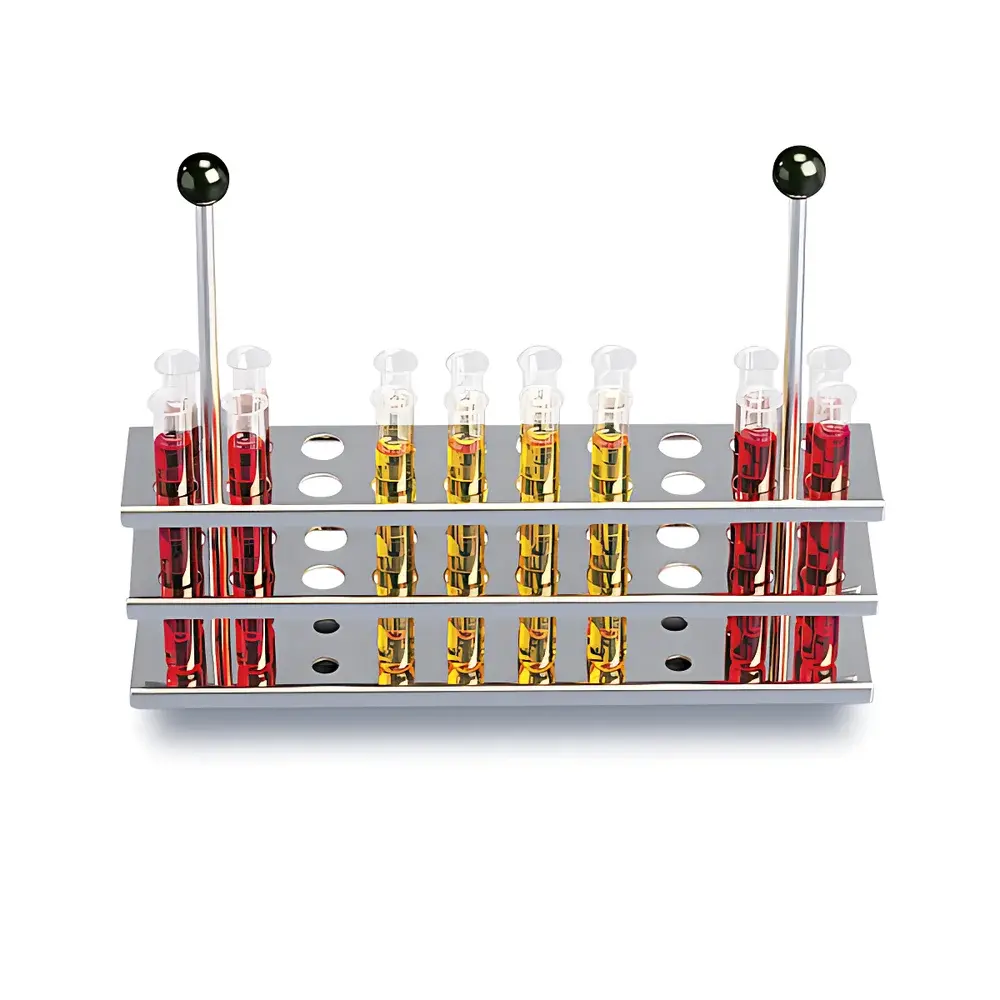
The H 41 accommodates standard laboratory glassware—including beakers (up to 1 L), test tube racks (15–50 mL formats), cuvette holders, and custom sample carriers—within its 410 × 296 mm opening and 285 mm usable depth. Its non-circulating (still-bath) configuration maintains laminar thermal conditions ideal for static incubation, while optional external recirculation kits (e.g., LAUDA PK series pumps) enable integration into closed-loop systems for jacketed reactor temperature control. The unit complies with IEC 61010-1:2010 for electrical safety and meets CE marking requirements for laboratory equipment. All firmware and hardware design elements support audit-ready operation under FDA 21 CFR Part 11 when paired with LAUDA’s optional data logging software (HydroLink v3.2).
Software & Data Management
While the H 41 operates autonomously via its onboard controller, it supports RS232 and USB-B connectivity for bidirectional communication with LAUDA HydroLink software (Windows-based). This platform enables remote parameter configuration, real-time temperature graphing with timestamped export (CSV/PDF), event-log archiving (including alarm timestamps and setpoint changes), and generation of IQ/OQ documentation templates aligned with ISO 9001 and GxP validation frameworks. Audit trails record user login events, parameter modifications, and system faults—retained for ≥30 days with configurable backup intervals.
Applications
- Biological sample warming prior to flow cytometry or PCR setup
- Standardized temperature conditioning of reagents and standards per CLSI EP25-A guidelines
- Thermal pre-equilibration of viscometers and density meters
- Controlled solubility studies under pharmacopeial conditions (USP , Ph. Eur. 2.2.42)
- Stability testing of diagnostic assay kits at defined storage temperatures
- Calibration of liquid-in-glass thermometers and RTDs using fixed-point references
FAQ
What is the maximum recommended operating temperature for continuous use?
The H 41 is rated for continuous operation up to 100 °C. For extended durations (>8 h) near boiling point, periodic water level verification and deionized water replenishment are advised to maintain thermal consistency and prevent scale accumulation.
Does the unit support external temperature probe feedback control?
No—the H 41 uses internal PT100 sensor feedback only. For process-critical applications requiring external probe input (e.g., vessel jacket monitoring), integration with LAUDA’s RC series controllers is required.
Is the bath compatible with corrosive solutions such as saline or buffer media?
The 316L stainless-steel chamber resists mild corrosion from phosphate-buffered saline (PBS) and Tris-HCl solutions. However, prolonged exposure to chloride-rich media above 60 °C may accelerate pitting; regular cleaning and passivation per ASTM A967 are recommended.
Can the drain valve be used during active heating cycles?
Drain operation is mechanically interlocked with power status: the valve remains sealed while the heater is energized. Drainage is only permitted after system shutdown and cooldown below 40 °C to prevent thermal shock and steam release.
What documentation is provided for IQ/OQ qualification?
LAUDA supplies factory calibration certificates traceable to DKD/DAkkS standards, mechanical drawings, electrical schematics, and a complete IQ/OQ protocol package—including test scripts, acceptance criteria, and blank execution forms—for GMP-regulated facilities.



