
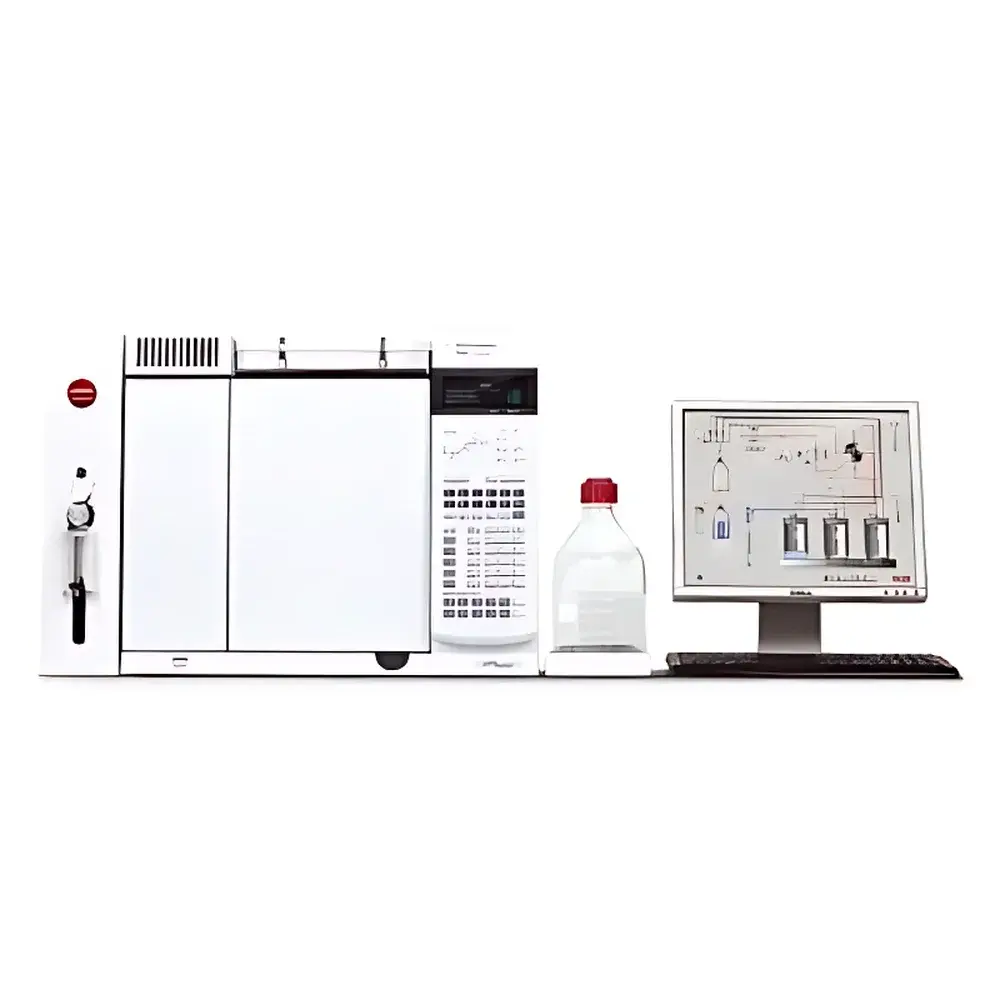
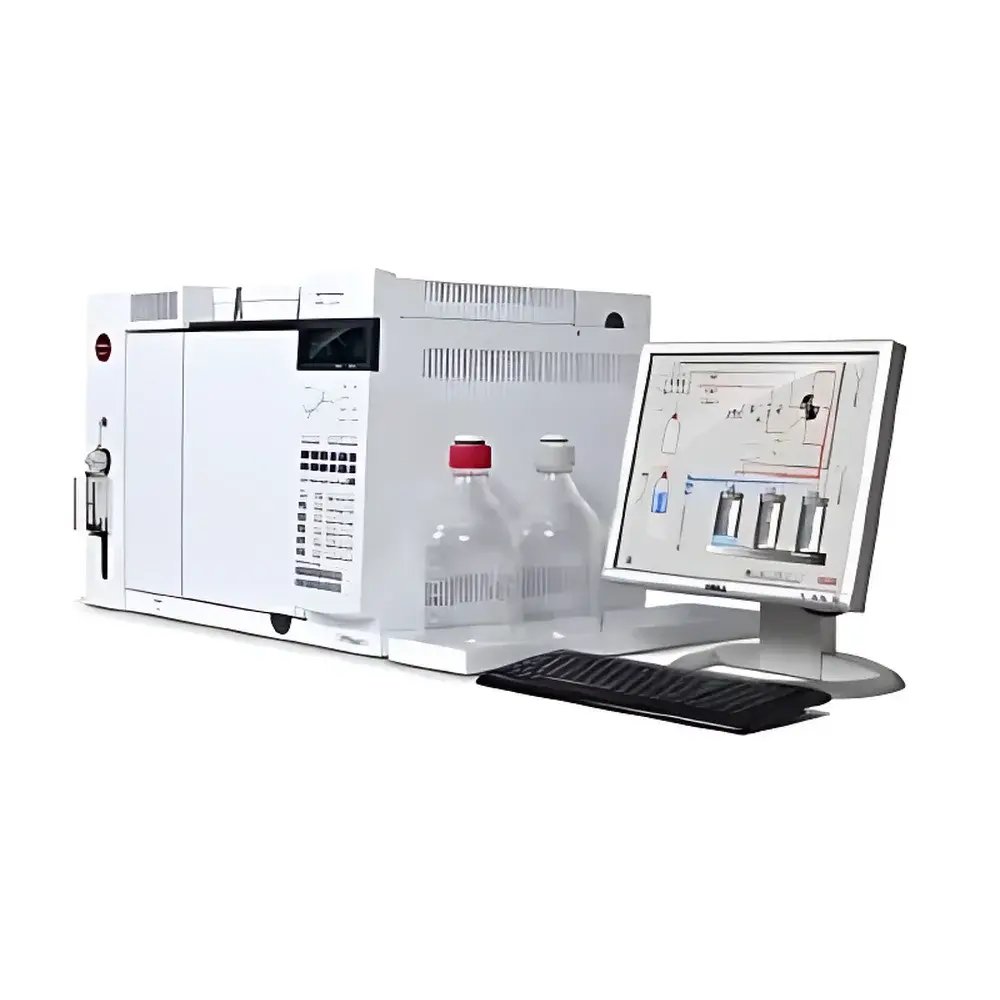
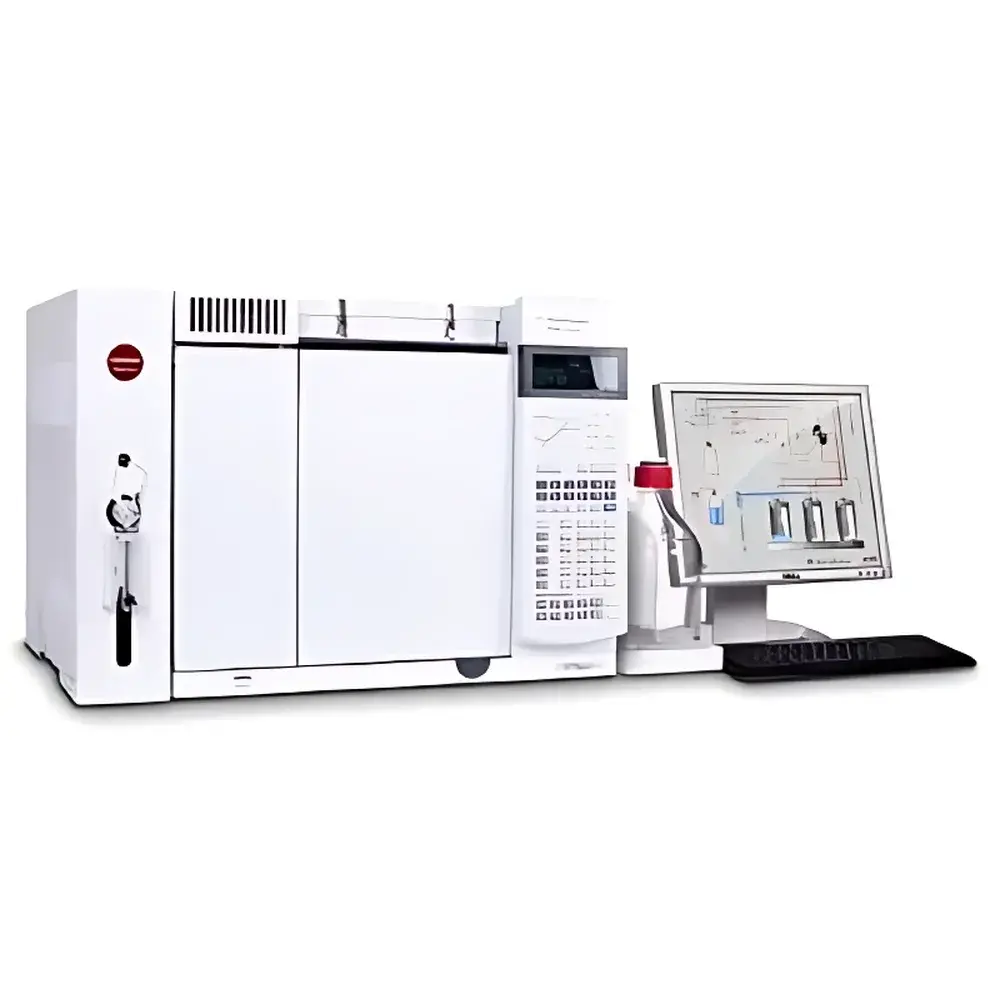
CRYSTEX Polymer Multifunctional Analysis System
| Origin | Imported |
|---|---|
| Manufacturer Type | Authorized Distributor |
| Model | CRYSTEX |
| Pricing | Available Upon Request |
Overview
The CRYSTEX Polymer Multifunctional Analysis System is an automated, benchtop analytical platform engineered for precise compositional and rheological characterization of polypropylene (PP) and ethylene-propylene copolymers. It implements a standardized solvent extraction protocol—based on hot xylene dissolution followed by controlled precipitation and filtration—to quantitatively separate the xylene-soluble fraction (XS), representing the amorphous or elastomeric phase in impact copolymers. Unlike manual ASTM D5492-98 procedures, CRYSTEX integrates inline infrared (IR) and optional viscometric detection to deliver simultaneous, high-reproducibility measurements of XS content, ethylene content (in both bulk and XS fractions), and intrinsic viscosity (IV) — all within a single 4-hour run for up to three samples. The system operates without operator intervention during extraction, filtration, or detection phases, eliminating direct human exposure to hot xylene and significantly reducing solvent consumption and waste generation.
Key Features
- High-throughput operation: Processes up to three PP or impact copolymer samples per run with fully automated solvent handling, heating, precipitation, filtration, and detection.
- Dual-detection capability: Standard IR4 Fourier-transform infrared detector enables quantitative determination of XS content and ethylene wt% in both total sample and XS fraction via calibrated C–H and C=C absorption bands.
- Optional capillary viscometer module: Measures intrinsic viscosity (dL/g) of both bulk polymer and XS fraction using Ubbelohde-type flow-time detection under controlled temperature (±0.1 °C).
- No manual solvent handling: Solvent delivery, reflux, cooling, and waste collection are fully enclosed and pneumatically actuated; operators only perform initial sample loading and final vial retrieval.
- Minimal sample preparation: Does not require precise gravimetric weighing; accepts nominal 0.5–1.0 g sample masses with built-in mass normalization algorithms.
- Robust compliance architecture: Software supports audit trails, user access levels, electronic signatures, and data export formats compatible with FDA 21 CFR Part 11 and GLP/GMP laboratory environments.
Sample Compatibility & Compliance
CRYSTEX is validated for use with isotactic polypropylene homopolymers, random ethylene-propylene copolymers (REPs), and ethylene-propylene impact copolymers (EPM/EPDM-modified PP). It meets method equivalency requirements against ISO 6427 and ASTM D5492-98 for XS determination, with inter-laboratory RSD <4.2% (n=17 samples, as verified per ASTM D445 and D1243 protocols). All wetted components comply with USP Class VI-certified materials, and solvent contact surfaces are constructed from inert stainless steel and PTFE-lined pathways to prevent catalytic degradation or adsorption artifacts. System validation documentation includes IQ/OQ/PQ templates aligned with ISO/IEC 17025 quality management standards.
Software & Data Management
The CRYSTEX Control Suite is a Windows-based application featuring intuitive workflow navigation, real-time process monitoring (temperature, pressure, flow status), and automated report generation in PDF and CSV formats. Calibration curves for IR quantification are stored with version-controlled metadata, including date, analyst ID, reference standard lot, and uncertainty estimates. The optional Remote Diagnostics Module enables secure TLS-encrypted connection for off-site technical support, firmware updates, and predictive maintenance alerts based on pump cycle counts and thermal history logs. All raw spectral and viscometric data are retained with timestamped acquisition parameters, satisfying long-term archival requirements under 21 CFR Part 11 Subpart B.
Applications
- Quality control of commercial polypropylene grades in production facilities, particularly for impact copolymers where XS content directly correlates with low-temperature toughness.
- R&D support for catalyst development, enabling rapid screening of ethylene incorporation efficiency and phase distribution in multi-reactor processes.
- Regulatory submission packages requiring orthogonal characterization: simultaneous XS, ethylene composition, and IV provide orthogonal metrics for polymer microstructure verification.
- Failure analysis labs investigating batch-to-batch variability in mechanical performance, especially when crystallinity anomalies or comonomer segregation are suspected.
- Contract testing laboratories seeking ISO/IEC 17025-accredited methods with reduced turnaround time and lower occupational health risk profiles.
FAQ
What regulatory standards does CRYSTEX comply with?
CRYSTEX methodology aligns with ASTM D5492-98, ISO 6427, and ASTM D1243 for ethylene quantification; software features meet FDA 21 CFR Part 11 requirements for electronic records and signatures.
Can CRYSTEX analyze polymers other than polypropylene?
It is optimized for PP and its ethylene-containing copolymers; limited applicability to other xylene-soluble thermoplastics (e.g., certain EPDM grades) may be possible but requires method revalidation.
Is solvent recovery integrated into the system?
Yes — the system includes a dedicated xylene distillation recovery unit with condensate collection, reducing net solvent consumption by >70% versus conventional methods.
How is calibration maintained across multiple users?
Calibration files are digitally signed and locked to instrument serial number; changes require supervisor-level credentials and generate immutable log entries with reason-for-change fields.
What maintenance intervals are recommended?
Preventive maintenance is scheduled every 6 months or after 500 runs, covering IR cell cleaning, viscometer capillary inspection, and pneumatic valve function verification — all documented in the onboard service log.





