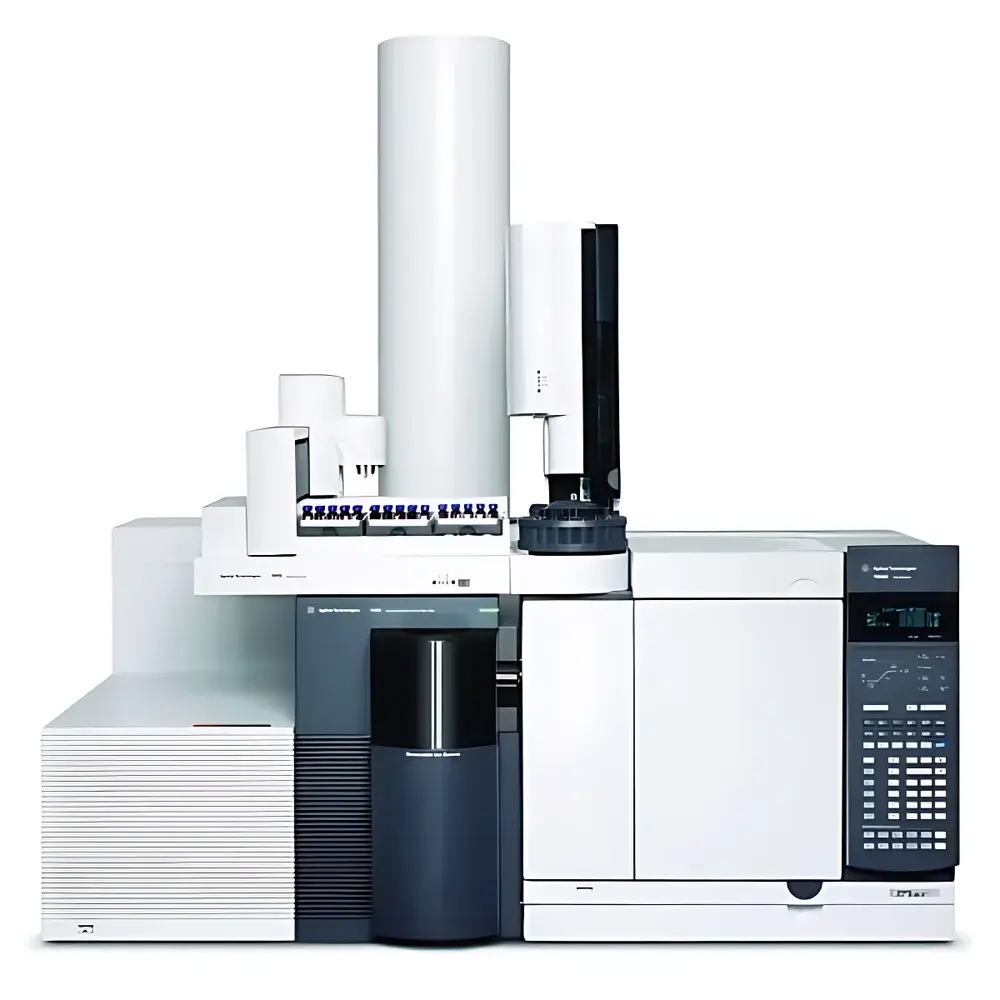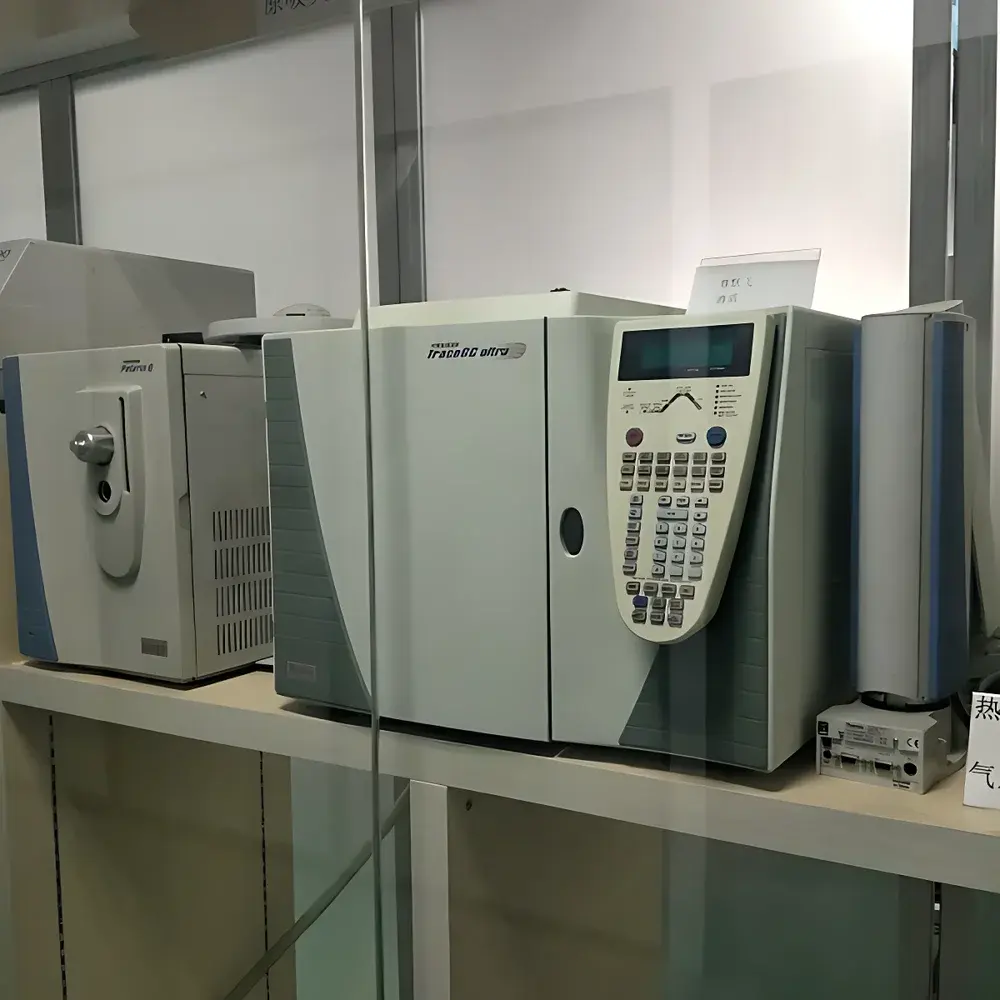
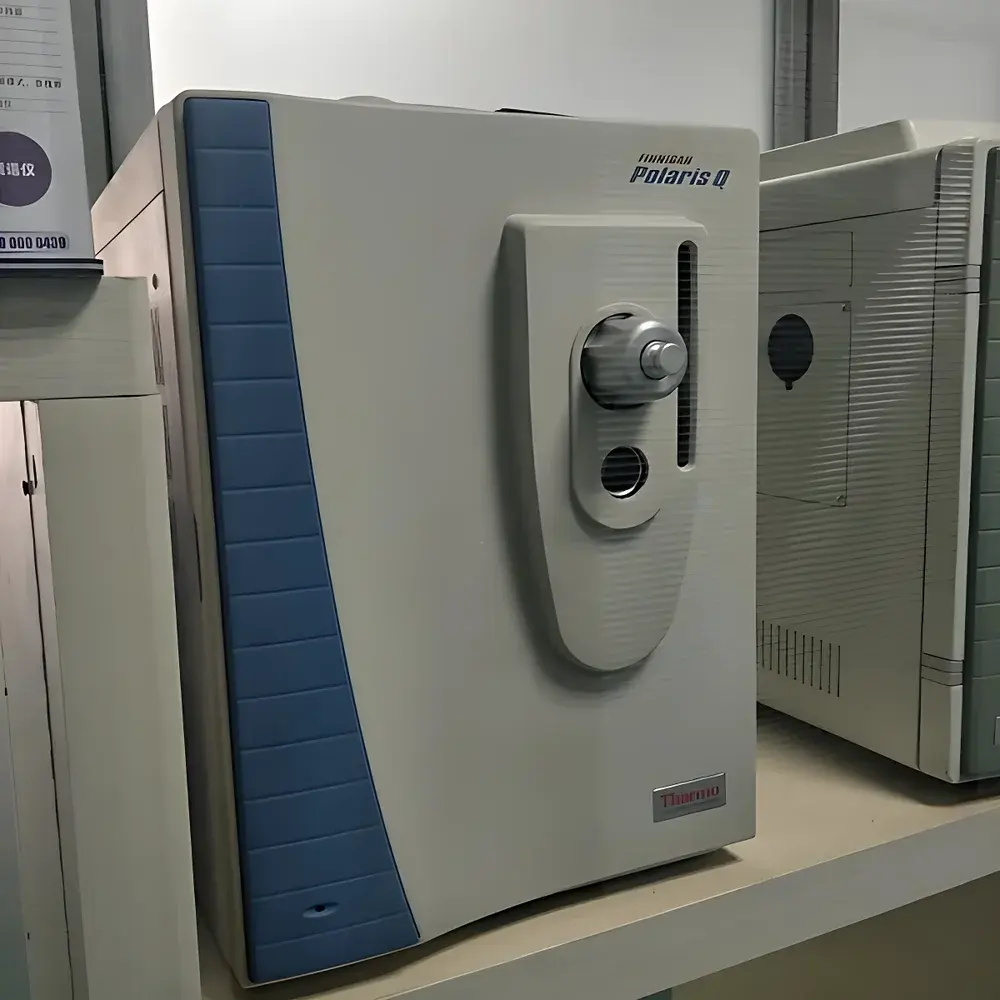
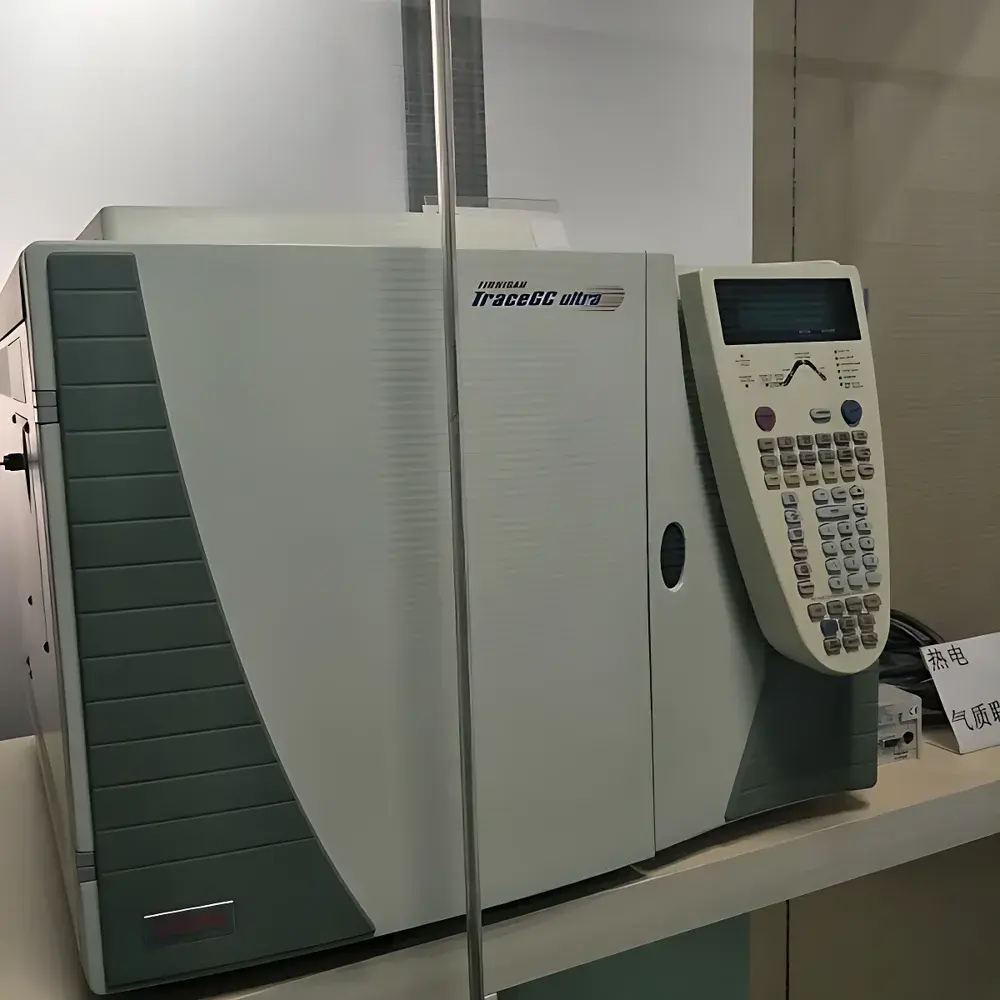
Thermo Scientific Trace GC ULTRA + Polaris Q Gas Chromatography-Mass Spectrometry (GC-MS) System
| Brand | Thermo Fisher |
|---|---|
| Origin | USA |
| Manufacturer Type | Authorized Distributor |
| Origin Category | Imported |
| Model | ULTRA + Polaris Q |
| Product Category | Mass Spectrometer |
| Usage Duration | 5–7 years |
| Warranty Period | 6 months |
| Instrument Model | ULTRA + Polaris Q |
| Instrument Age | 6–8 years |
Overview
The Thermo Scientific Trace GC ULTRA + Polaris Q is a high-performance, second-hand gas chromatography–mass spectrometry (GC-MS) system engineered for demanding qualitative and quantitative analysis in environmental, forensic, food safety, and pharmaceutical laboratories. This integrated platform couples the robust, high-resolution separation capability of the Trace GC ULTRA gas chromatograph with the advanced ion trap mass spectrometry performance of the Polaris Q mass spectrometer. The system operates on electron ionization (EI) and chemical ionization (CI) principles, with full-scan acquisition, MSn capabilities (up to MS3), and rapid polarity-switching for simultaneous positive/negative ion detection. Its design emphasizes analytical reproducibility, low maintenance overhead, and compliance-ready data handling—making it suitable for regulated environments requiring adherence to ISO/IEC 17025, EPA Method 8270/8260, ASTM D5845, and FDA 21 CFR Part 11–aligned workflows.
Key Features
- Trace GC ULTRA: High-precision gas chromatograph featuring programmable temperature ramping up to 120 °C/min, precision pneumatic control valves, and support for multiple inlet configurations—including split/splitless, PTV, and cold-on-column—to accommodate volatile, semi-volatile, and thermally labile compounds.
- Polaris Q Ion Trap MS: External, heated ion source (up to 300 °C) minimizes source contamination and suppresses unwanted ion–molecule reactions, enhancing signal stability and reducing downtime for cleaning.
- Mass range: 10–1100 amu with unit-mass resolution; EI full-scan sensitivity optimized for trace-level detection in complex matrices.
- 250 L/s turbomolecular pumping system ensures rapid vacuum recovery and stable baseline performance during extended runs.
- Intelligent scan functions—including Auto Tune, Auto Gain, and Smart Scan—automatically optimize acquisition parameters based on signal intensity and dynamic range.
- Pulsed Positive/Negative Ion Chemical Ionization (PPINICI): Enables alternating acquisition of both positive- and negative-ion CI spectra within a single chromatographic run—critical for comprehensive screening of analytes with disparate ionization efficiencies.
- Collision-induced dissociation (CID) with auto-optimized collision energy settings supports reliable MS/MS and MSn experiments without manual tuning.
- Lock-in device eliminates the need to vent the mass analyzer during source maintenance, significantly reducing instrument downtime.
Sample Compatibility & Compliance
The system demonstrates broad compatibility with solid, liquid, and gaseous samples via direct insertion probe (DIP), autosampler (e.g., AS3000), or headspace/GC–MS interface modules. It is routinely deployed for residue analysis (e.g., pesticides per EN 15662), dioxin/furan congener profiling (EPA 1613), doping agent confirmation (WADA Technical Document TD2023DL), and fire debris examination (ASTM E1618). All hardware and software components comply with GLP/GMP documentation requirements. Xcalibur’s audit trail functionality—including user login logs, method change history, and raw data integrity markers—supports 21 CFR Part 11 compliance when configured with electronic signatures and role-based access control.
Software & Data Management
Xcalibur 2.1 or later serves as the unified acquisition, processing, and reporting platform. It provides real-time spectral deconvolution, library search (NIST/EPA/WHO), quantitative calibration curve generation (linear, quadratic, weighted), and customizable report templates. Optional application-specific modules—including QuanLab Forms (quantitative bioanalysis), ToxLab Forms (toxicology screening), EnviroLab Forms (environmental compliance), and Mass Frontier (fragmentation pathway modeling)—extend interpretive depth without requiring third-party tools. Raw data files (.RAW) are stored in vendor-neutral formats compatible with long-term archival systems and LIMS integration via ODBC or API protocols.
Applications
- Environmental monitoring: Persistent organic pollutants (POPs), polycyclic aromatic hydrocarbons (PAHs), chlorinated benzenes, and brominated flame retardants in soil, water, and air particulates.
- Food and agricultural testing: Multi-residue pesticide screening in fruits, vegetables, grains, and animal tissues; mycotoxin verification; adulterant identification.
- Forensic toxicology: Detection and structural confirmation of novel psychoactive substances (NPS), anabolic steroids, and metabolites in biological fluids.
- Fire investigation: Identification of ignitable liquid residues (ILRs) using pattern recognition algorithms and retention index matching.
- Pharmaceutical impurity profiling: Structural elucidation of genotoxic impurities and degradation products under ICH Q3 guidelines.
FAQ
What is the expected operational lifetime of this refurbished system?
This unit has undergone full functional validation and component-level refurbishment by certified Thermo Fisher service engineers. With documented usage of 6–8 years and a post-refurbishment 6-month warranty, it meets Thermo’s OEM standards for second-life instrumentation.
Is Xcalibur software included and licensed?
Yes—the system ships with a fully licensed copy of Xcalibur 2.1 (or later compatible version), including base acquisition/processing modules and factory-installed method libraries. Optional add-ons (e.g., Mass Frontier) require separate licensing.
Can the system be upgraded to support GC×GC or additional detectors?
The Trace GC ULTRA chassis supports modular expansion—including TCD, ECD, FID, and micro-ECD detectors—as well as comprehensive GC×GC configuration with appropriate modulator and cryo-control hardware.
Does the system include installation and qualification documentation?
A complete IQ/OQ documentation package—aligned with ISO/IEC 17025 Annex A.2 and ASTM E2500—is provided upon request, including test protocols, acceptance criteria, and executed reports signed by qualified personnel.
What maintenance support is available after warranty expiration?
Extended service contracts, preventive maintenance plans, and priority parts logistics are available through Thermo Fisher’s global Field Service Network, with local technical support accessible in over 40 countries.