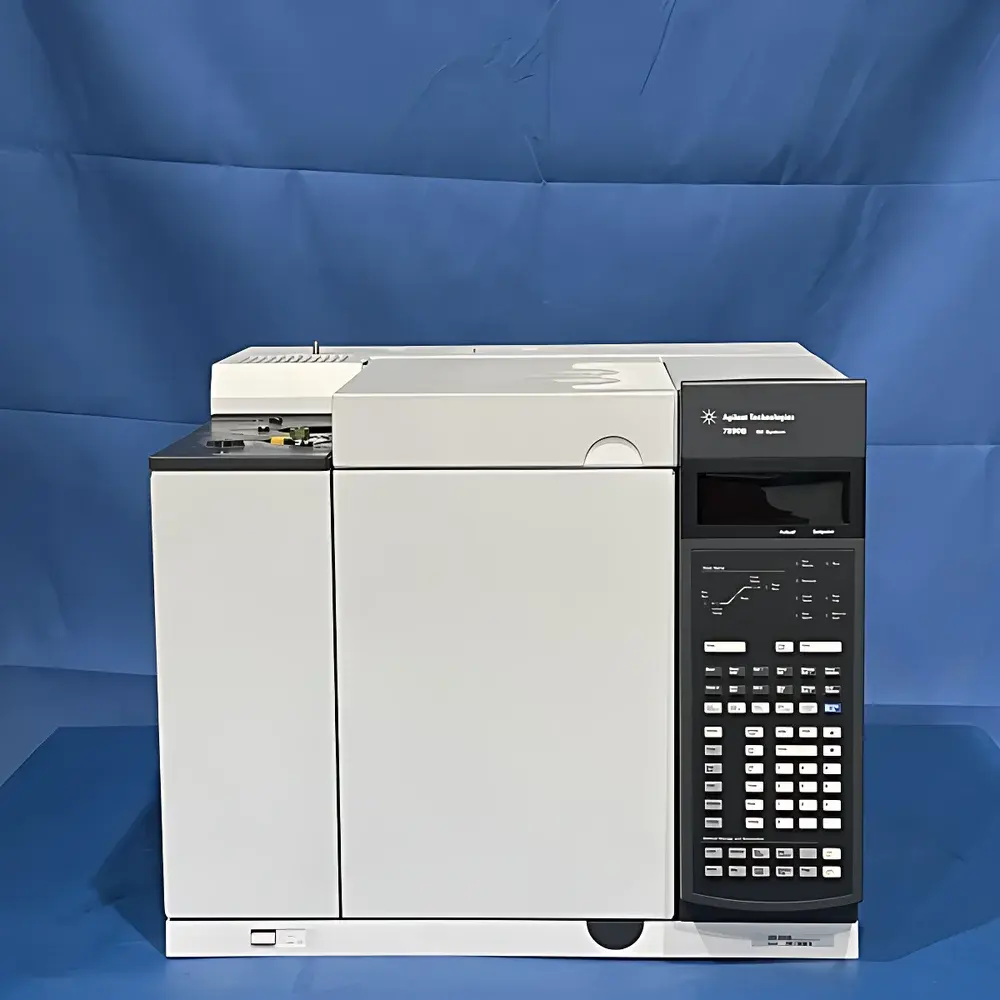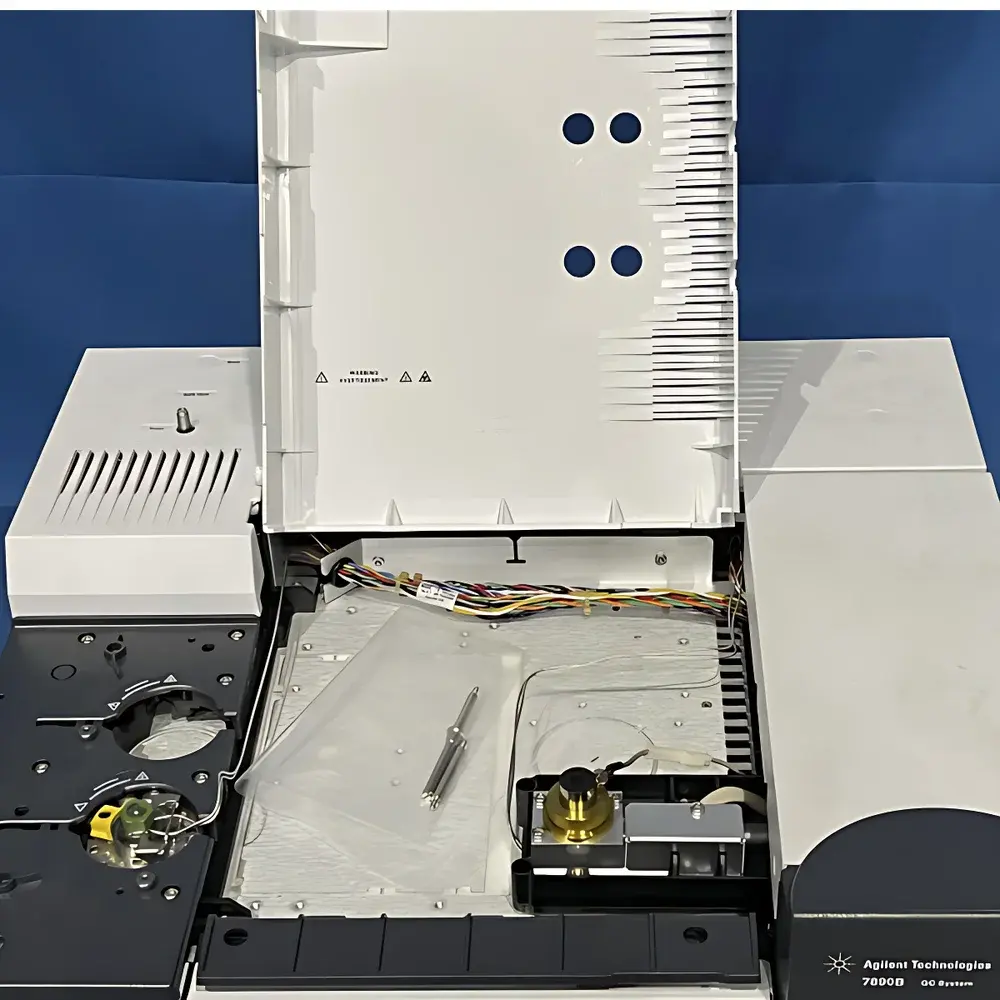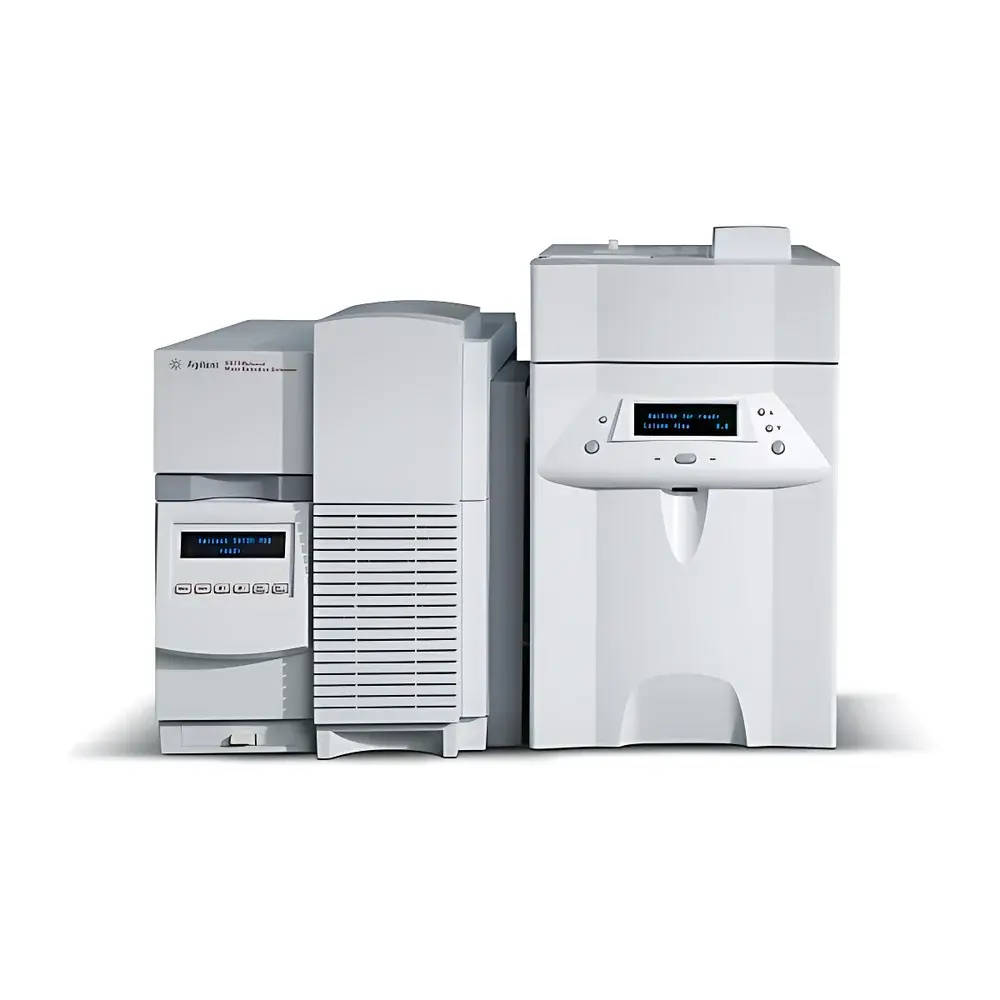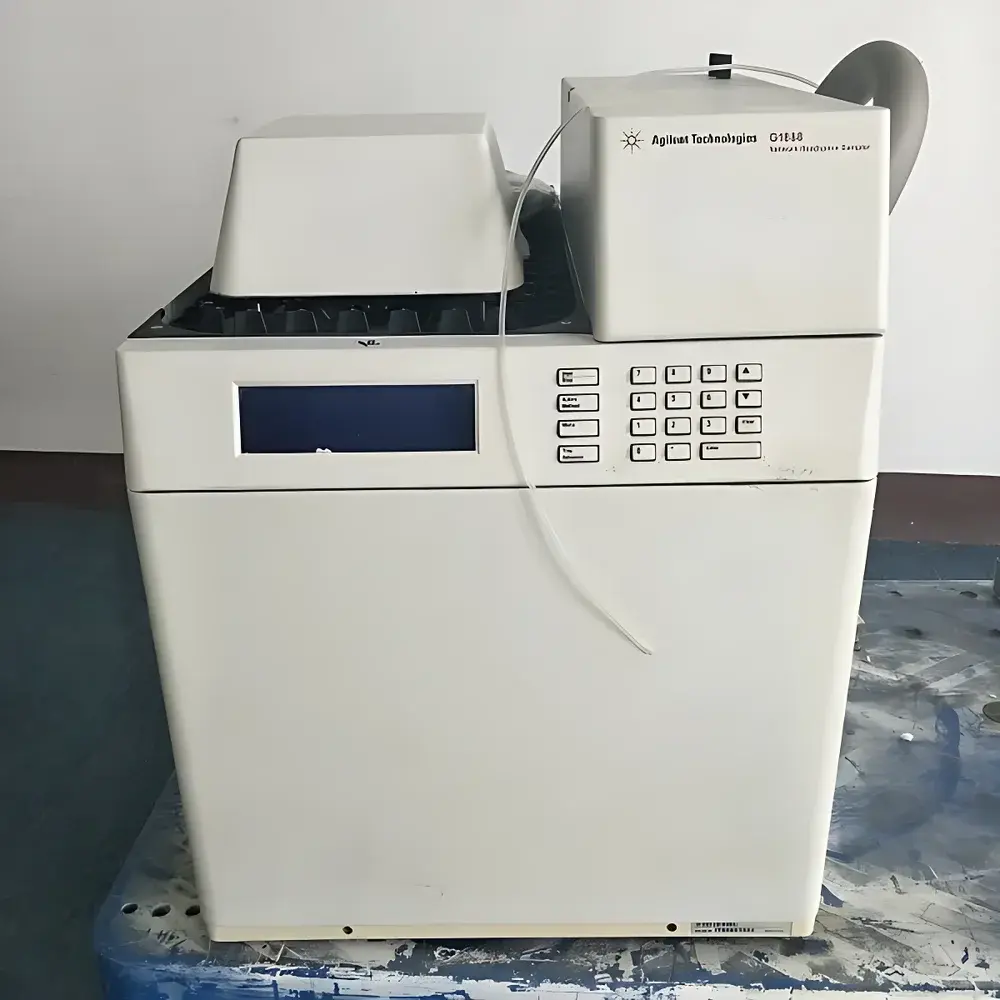
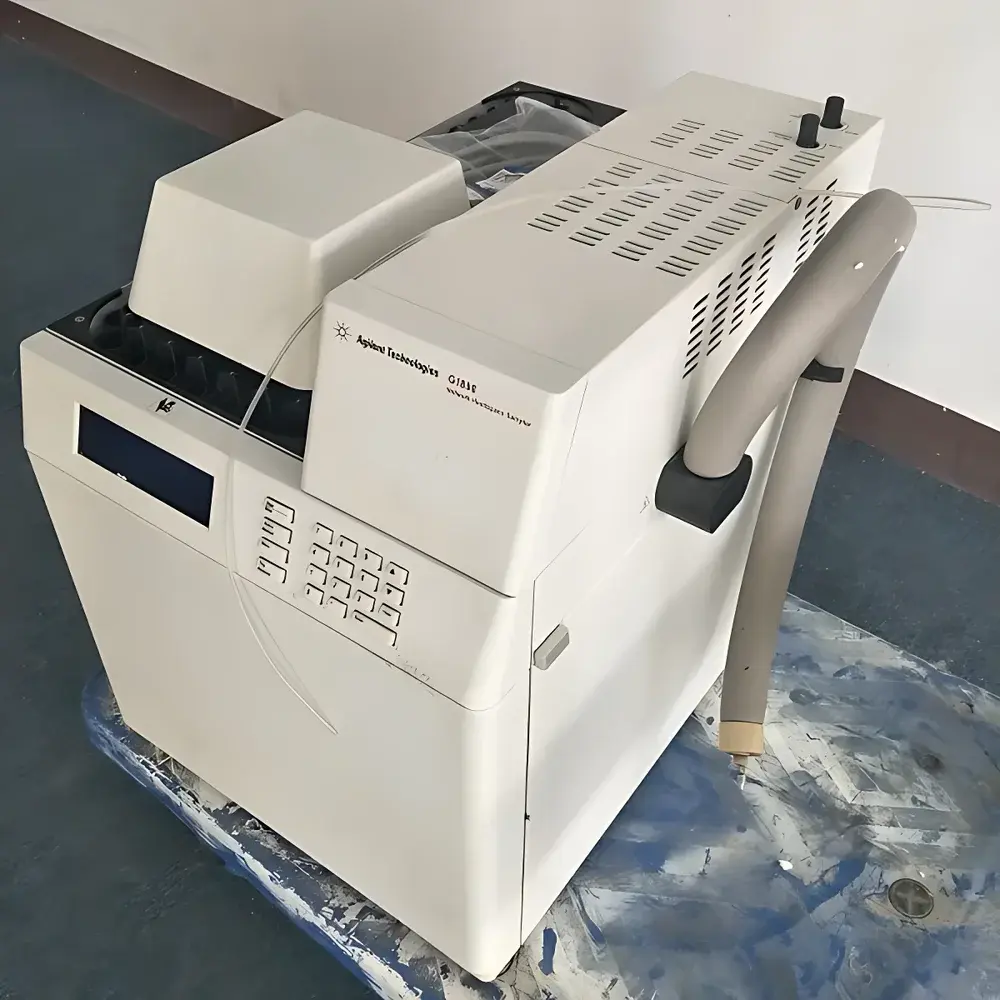
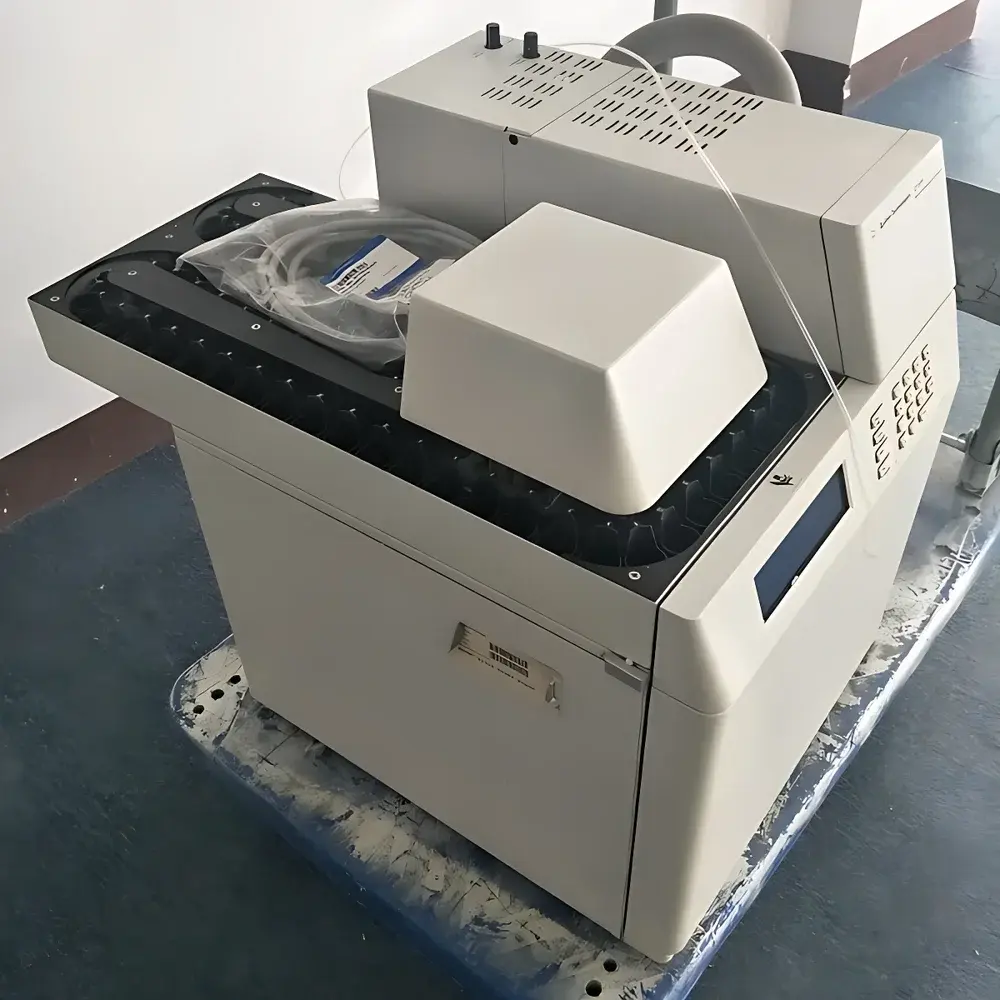
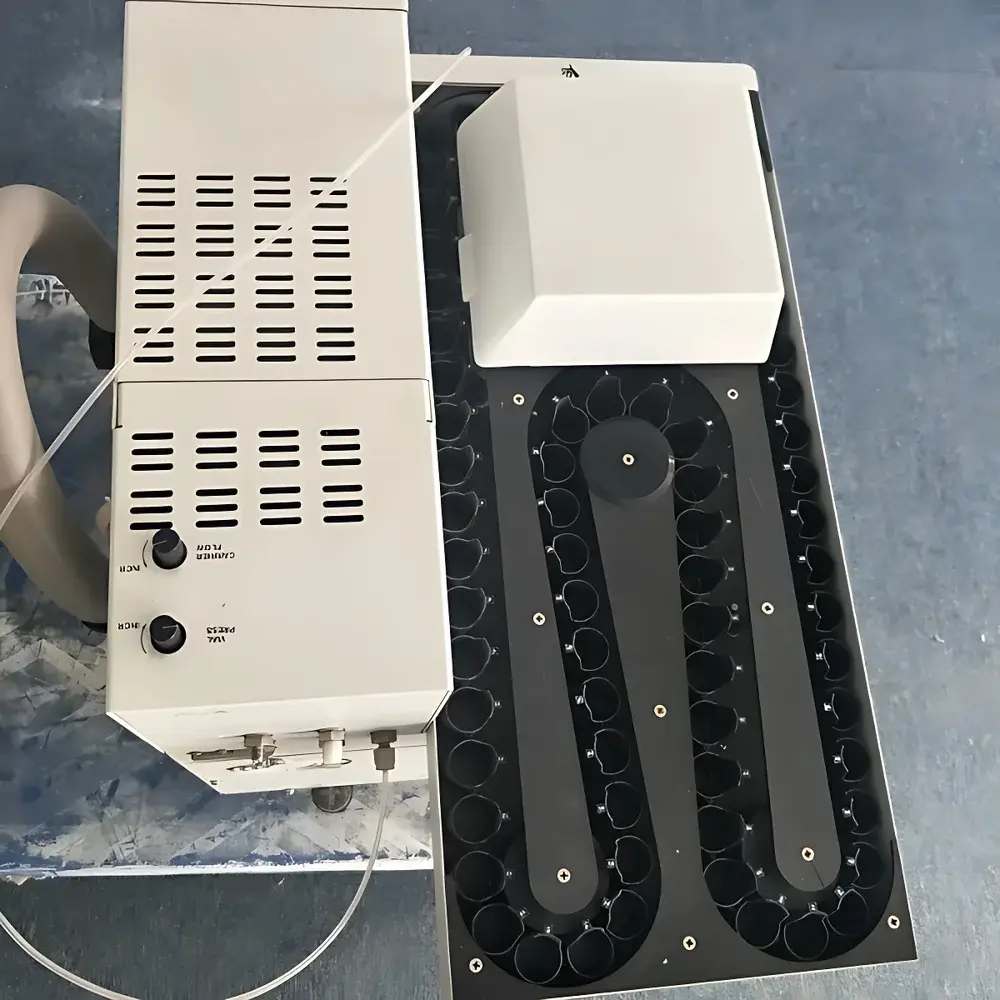
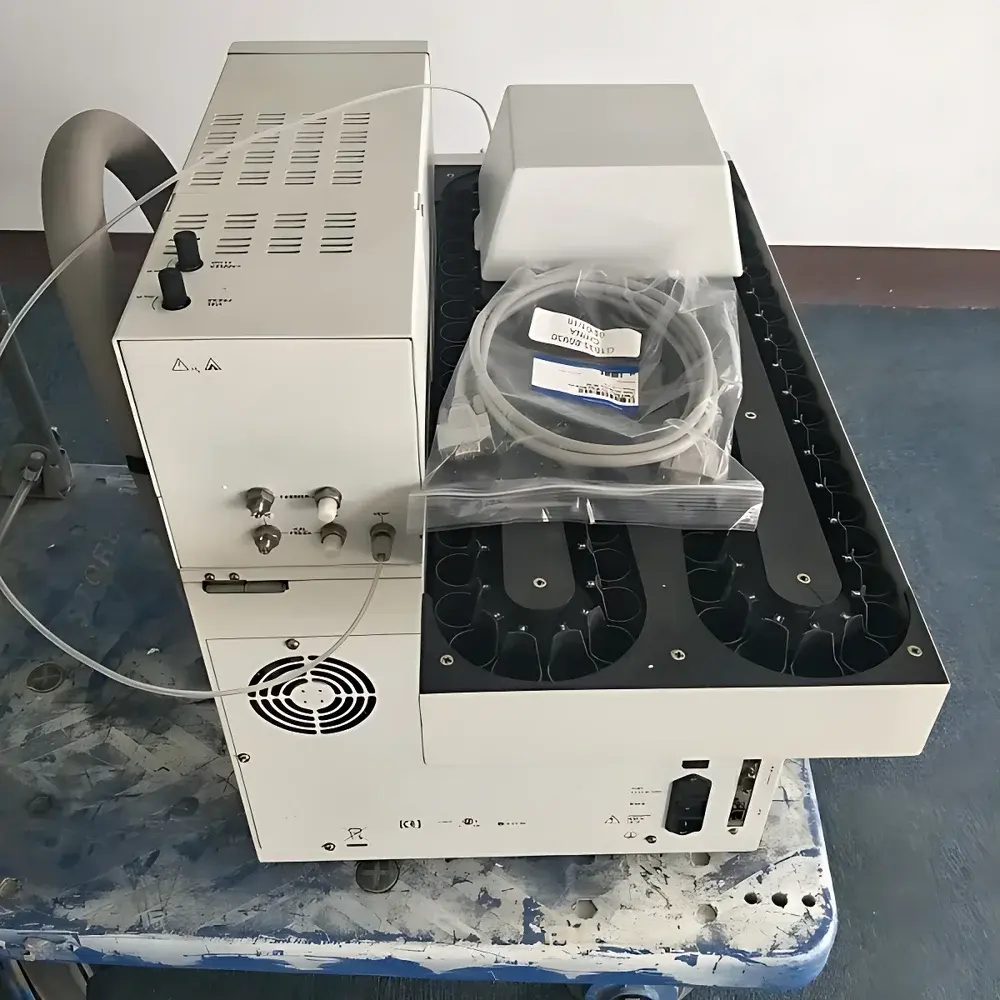
Agilent G1888 Headspace Sampler (Refurbished)
| Brand | Agilent Technologies |
|---|---|
| Origin | USA |
| Model | G1888 |
| Sample Capacity | 70-position tray |
| Temperature Range | 40–230 °C (heatable zones), ambient operation supported |
| Heating Zones | Up to 12 independently controlled positions |
| Inert Flow Path | Standard (needle-to-transfer-line) |
| MHE Modes | Dual-mode multi-headspace extraction (up to 100 punctures per vial) |
| Compliance | Fully compatible with 21 CFR Part 11 via Agilent ChemStation, MSD Productivity/Security, and Cerity CDS software |
| Warranty | 6 months |
| Operational Age | 3–4 years (total instrument service life: 6–8 years) |
| Certification | Factory-refurbished, functionally validated |
Overview
The Agilent G1888 Headspace Sampler is a fully automated, thermally programmable headspace sampling system engineered for high-precision volatile and semi-volatile compound analysis in gas chromatography (GC) workflows. Based on the equilibrium partitioning principle—where analytes distribute between a liquid/solid sample matrix and its overlying vapor phase—the G1888 enables quantitative determination of trace-level volatiles without solvent extraction or matrix interference. Designed for seamless integration with Agilent GC platforms including the 7890A and 6890N series, it delivers robust, reproducible injection performance across pharmaceutical, environmental, food safety, and forensic laboratories. Its modular architecture supports both routine single-extraction protocols and advanced multi-headspace extraction (MHE), making it suitable for challenging matrices such as polymers, viscous oils, biological tissues, and residual solvent quantitation per ICH Q3C guidelines.
Key Features
- 70-position autosampler tray with configurable vial spacing and barcode-ready labeling support
- 12 independently programmable heating zones—including oven, vial, transfer line, and needle—each controllable from 40 °C to 230 °C with ±0.1 °C stability
- True inert flow path: SilcoNert®-treated stainless steel needle, heated transfer line, and zero-dead-volume connections minimize adsorption and carryover
- Dual-mode MHE capability: Sequential and equilibration-based multi-injection strategies for improved precision in low-concentration or heterogeneous samples
- Up to 100 automated punctures per vial, enabling statistically robust averaging and enhanced detection limits
- Integrated diagnostics suite: Four preloaded chemical test methods, semi-automated leak detection, and comprehensive power-on self-test (POST)
- Onboard keypad control ensures standalone operation and GC-agnostic compatibility—including non-Agilent instruments via TTL/RS-232 interfaces
Sample Compatibility & Compliance
The G1888 accommodates standard 10–22 mL crimp-top or screw-cap headspace vials (including Agilent 5183-4477 and similar). It supports aqueous, organic, semi-solid, and solid-phase matrices—including tablets, gels, polymers, soil slurries, and fermentation broths. Temperature flexibility—from ambient (heating zones disabled) to 230 °C—enables analysis of thermolabile biomolecules (e.g., aldehydes in plasma) alongside high-boiling-point residuals (e.g., ethylene oxide in medical device packaging). All operational parameters—including method settings, event logs, temperature/pressure deviations, and user actions—are timestamped and audit-trail enabled. When operated under Agilent ChemStation, MSD Productivity, or Cerity Pharmaceutical CDS software, the system meets full 21 CFR Part 11 requirements for electronic records and signatures, supporting GLP and GMP-regulated environments.
Software & Data Management
The G1888 is natively controlled via Agilent’s industry-standard data systems. Method development leverages intuitive dropdown menus and spreadsheet-style sequence tables—streamlining setup for static/dynamic headspace, MHE cycles, and overlapping injection scheduling. Real-time event logging captures every thermal event, pressure fluctuation, valve actuation, and error condition, with automatic deviation alerts relative to setpoints. Data export conforms to ASTM E1381 and ISO/IEC 17025 metadata standards. Raw acquisition files (.D format) are fully searchable, version-controlled, and interoperable with LIMS platforms through OpenLab CDS or Empower integrations. Remote monitoring and method push-down are supported via Ethernet connectivity.
Applications
- Residual solvent analysis in APIs and excipients (ICH Q3C-compliant)
- Volatile organic compound (VOC) profiling in drinking water (EPA Method 502.2, 624)
- Flavor and fragrance release kinetics in beverages and dairy products
- Head-space oxygen and CO₂ monitoring in modified atmosphere packaging (MAP)
- Decomposition gas analysis in lithium-ion battery electrolytes
- Microbial volatile organic compound (MVOC) screening in indoor air quality studies
- Forensic toxicology: Ethanol, acetone, and isopropanol quantitation in blood specimens
FAQ
Is this unit factory-refurbished or third-party refurbished?
This G1888 has undergone Agilent-certified refurbishment at an authorized service center, including full mechanical recalibration, leak testing, firmware update to latest stable revision, and validation against OEM performance specifications.
Does it include the GC interface hardware?
Yes—each unit ships with the complete inert volatile interface kit required for direct coupling to Agilent 6890N or 7890A GC systems, including heated transfer line, GC inlet adapter, and mounting brackets.
Can it be used with non-Agilent GCs?
Yes—via standard TTL trigger signals and analog voltage outputs; full bidirectional communication requires optional RS-232 or Ethernet interface modules.
What documentation accompanies the instrument?
You receive a Certificate of Functional Verification, detailed refurbishment report, calibration log, and original Agilent user manuals (digital copy). No consumables or vials are included.
Is preventive maintenance included in the warranty?
The 6-month limited warranty covers parts and labor for defects in materials or workmanship. Scheduled PM services (e.g., syringe replacement, septum change, O-ring inspection) are recommended every 6 months but fall outside warranty scope.
Related Products