SCIEX API 4000 Triple Quadrupole Liquid Chromatography Tandem Mass Spectrometer (Used)
| Brand | SCIEX (formerly Applied Biosystems) |
|---|---|
| Origin | USA |
| Instrument Type | Triple Quadrupole LC-MS/MS |
| Model | API 4000 |
| Condition | Refurbished & Fully Tested |
| Compliance | Meets ASTM D7592, USP <1225>, ISO/IEC 17025 guidelines for method validation |
| Software | Analyst 1.6.2 or later (licensed) |
Overview
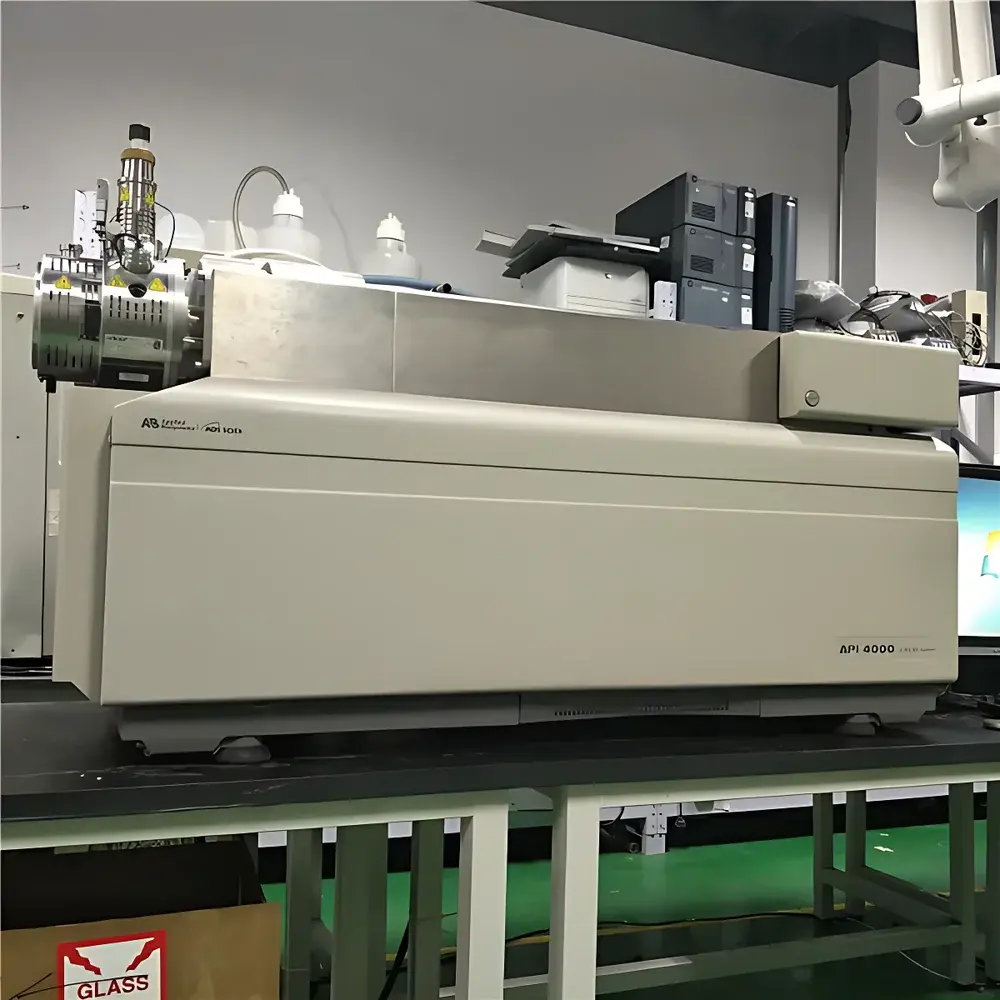
The SCIEX API 4000 Triple Quadrupole LC-MS/MS is a robust, high-sensitivity tandem mass spectrometry platform engineered for quantitative and qualitative analysis in regulated and research-intensive environments. Based on electrospray ionization (ESI) and atmospheric pressure chemical ionization (APCI) sources coupled with a triple quadrupole mass analyzer architecture, the system delivers exceptional selectivity, reproducibility, and linear dynamic range across complex biological, environmental, and forensic matrices. Its core design—featuring a patented LINAC™ collision cell, optimized ion optics, and low-noise detector electronics—enables reliable detection of target analytes at sub-picomolar concentrations. As a foundational instrument in pharmaceutical development since its commercial launch in 2001, the API 4000 remains widely deployed in GLP-compliant bioanalytical laboratories for pharmacokinetic (PK), toxicokinetic (TK), and drug metabolism and pharmacokinetics (DMPK) studies.
Key Features
- Triple quadrupole mass analyzer with unit-mass resolution and high transmission efficiency across m/z 50–2000
- Turbo V™ ion source supporting ESI and APCI modes with rapid polarity switching and stable spray performance from 5 µL/min to 2 mL/min flow rates
- DuoSpray™ ion source option enabling simultaneous dual-source analysis for method development acceleration and cross-validation
- PhotoSpray™ ion source (optional) for enhanced ionization of non-polar and thermally labile compounds
- LINAC™ collision cell providing consistent fragmentation efficiency, reduced memory effects, and improved duty cycle for high-throughput quantitation
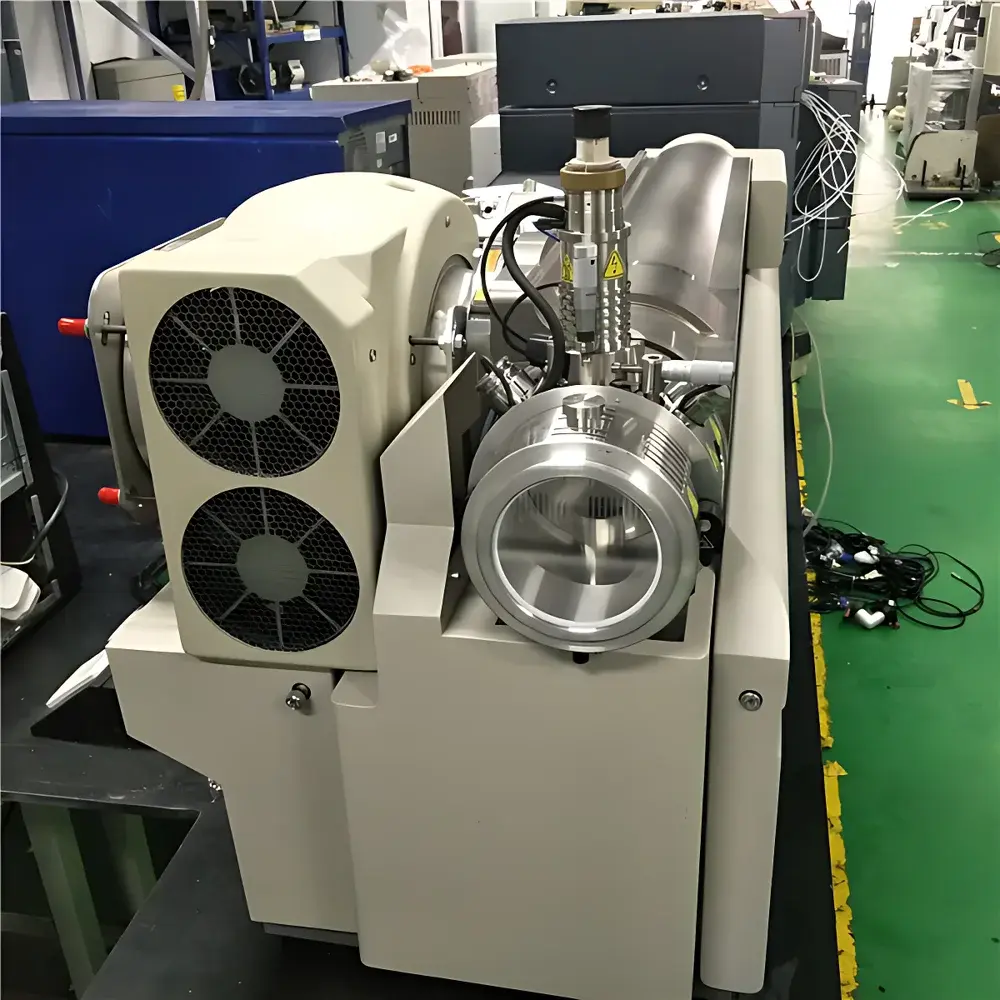
- Integrated vacuum system with dual-stage turbomolecular pumps ensuring long-term operational stability and minimal downtime
- Front-panel diagnostics and real-time status monitoring via embedded controller firmware
Sample Compatibility & Compliance
The API 4000 accommodates a broad range of sample types—including plasma, serum, urine, tissue homogenates, food extracts, wastewater, and forensic swabs—without requiring extensive derivatization or pre-concentration. Its rugged ion source design minimizes contamination buildup during extended runs involving high-fat or protein-rich matrices. The system supports full compliance with regulatory data integrity requirements when operated with validated Analyst software configurations. Audit trails, electronic signatures, and user-access controls align with FDA 21 CFR Part 11 and EU Annex 11 expectations. Method validation documentation—including precision, accuracy, selectivity, matrix effect assessment, and carryover evaluation—can be generated in accordance with ICH M10 and USP guidelines.
Software & Data Management
Controlled exclusively through SCIEX Analyst® software (v1.6.2 or newer), the API 4000 enables fully automated acquisition of both precursor ion scans and multiple reaction monitoring (MRM) transitions within a single LC run. Analyst provides integrated tools for peak integration, calibration curve fitting (linear/log-linear with 1/x² weighting), QC sample flagging, and batch reprocessing. Raw data files (.wiff) are stored in a structured, vendor-neutral format compatible with third-party review platforms such as SimGlycan®, Compound Discoverer™, and Watson LIMS interfaces. All processing parameters—including dwell time, declustering potential, collision energy, and dwell time scheduling—are exportable and version-controlled. System suitability reports and instrument performance logs are automatically generated per run and archived for audit readiness.
Applications
- Quantitative bioanalysis of small-molecule drugs and metabolites in biological fluids for PK/PD and clinical trial support
- Residue analysis of veterinary drugs, pesticides, and mycotoxins in food and feed commodities per EU Commission Regulation (EC) No 401/2006
- Screening and confirmation of controlled substances and novel psychoactive substances (NPS) in forensic toxicology workflows
- Environmental monitoring of pharmaceuticals and endocrine-disrupting compounds in surface water and wastewater effluents (EPA Method 1694)
- Metabolite identification support via triggered MS³ experiments using information-dependent acquisition (IDA)
- Method transfer from legacy API 3000 or API 4000 platforms to modern SCIEX X500R QTOF systems
FAQ
Is this a factory-refurbished unit or dealer-refurbished?
This API 4000 system has undergone comprehensive refurbishment by an ISO 9001-certified service provider, including replacement of critical consumables (ion source components, detector, vacuum gauges), full electrical calibration, and performance verification against NIST-traceable standards.
Does the system include original documentation and software licenses?
Yes—complete OEM documentation (user manuals, service manuals, installation qualification protocols) and a valid, transferable Analyst software license are included. Installation qualification (IQ) and operational qualification (OQ) documentation templates are provided for client-specific validation.
What level of technical support is available post-purchase?
A 12-month hardware warranty and remote application support are included. Optional extended service contracts provide on-site engineer response within 48 business hours and priority access to SCIEX-certified spare parts inventory.
Can the API 4000 interface with modern HPLC systems and column chemistries?
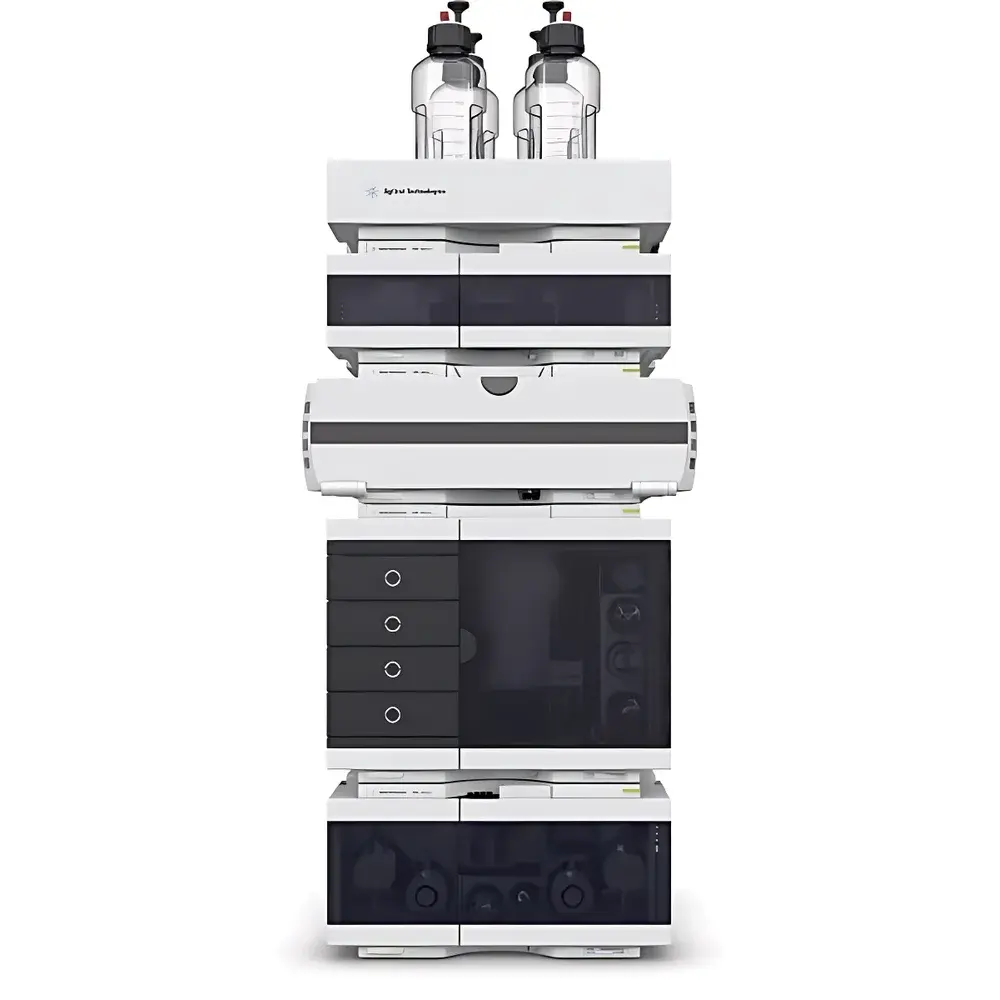
Yes—the system features standard RS-232 and Ethernet connectivity for seamless integration with UHPLC systems (e.g., Waters ACQUITY, Thermo Vanquish, Agilent 1290). It supports narrow-bore and microflow columns, including sub-2-µm particle packings, without hardware modification.
Is the instrument compliant with current laboratory data governance policies?
When configured with Analyst v1.7.1+ and deployed under documented IT security controls (e.g., domain authentication, encrypted storage, periodic backup), the system meets ALCOA+ principles and satisfies internal audit requirements for raw data retention and traceability.