
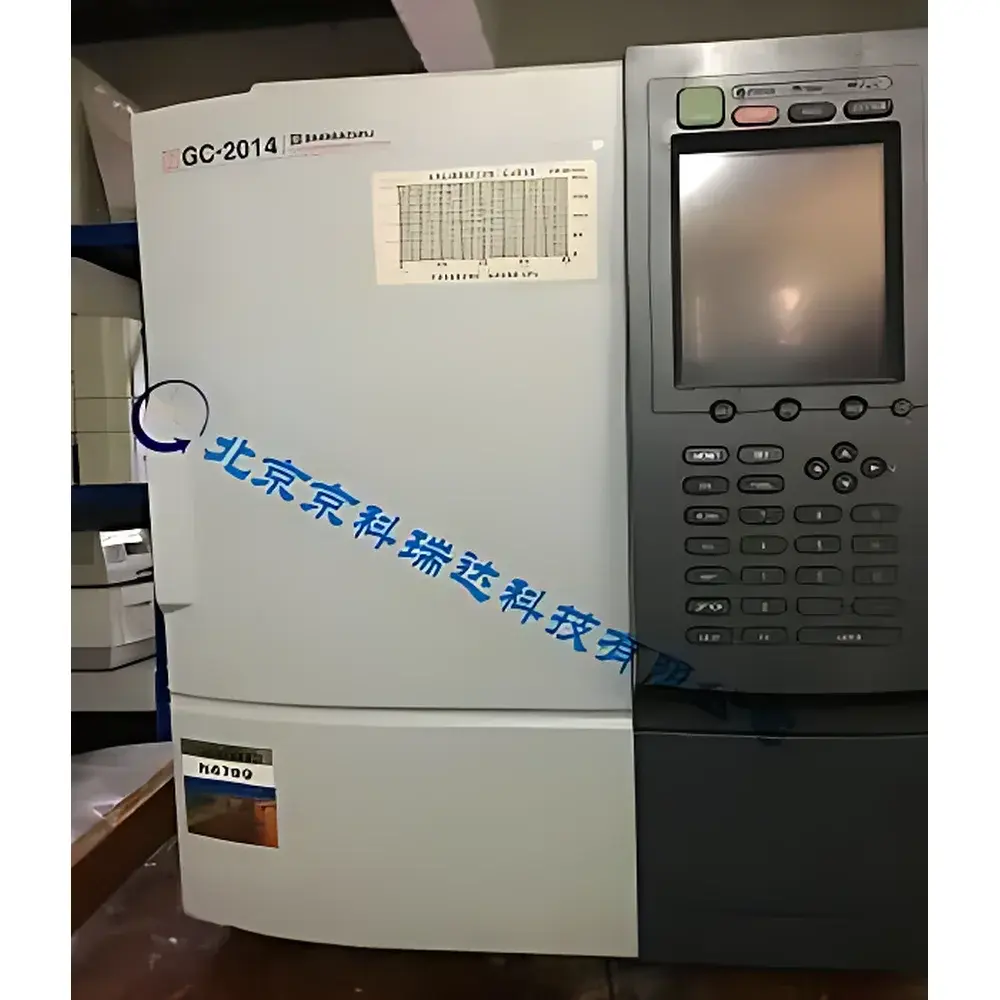
JK-01 Dedicated Gas Chromatograph System for Residual Solvent Analysis in Pharmaceuticals
| Origin | Beijing, China |
|---|---|
| Manufacturer Type | Authorized Distributor |
| Origin Category | Domestic (China) |
| Model | JK-01 Dedicated GC System for Pharmaceutical Residual Solvents |
| Pricing | Upon Request |
Overview
The JK-01 Dedicated Gas Chromatograph System is a purpose-built analytical platform engineered for the precise, reproducible quantification of residual solvents in pharmaceutical active pharmaceutical ingredients (APIs), excipients, and finished dosage forms. It complies with pharmacopeial requirements—including Chinese Pharmacopoeia (ChP), United States Pharmacopeia (USP <467>), European Pharmacopoeia (Ph. Eur. 2.4.24), and ICH Q3C guidelines—by implementing headspace gas chromatography (HS-GC) as the primary sample introduction method. The system integrates a robust dual-channel GC instrument with a fully programmable 12-position automatic headspace sampler (JK-01 HS Autosampler), enabling automated, unattended analysis of volatile organic compounds (VOCs) such as methanol, ethanol, acetone, dimethylformamide (DMF), dichloromethane, ethyl acetate, and toluene. Core separation relies on capillary or packed column chromatography under precisely controlled temperature gradients, with detection via flame ionization detection (FID) as standard—optionally configurable with TCD, ECD, NPD, or FPD for expanded selectivity.
Key Features
- Dual-column, dual-pneumatic-path architecture supports simultaneous or independent operation of two analytical channels—ideal for method validation, system suitability testing, or parallel QC/QA workflows.
- Advanced temperature control system with six independently regulated zones: oven (ambient +3°C to 420°C), injector(s), detector(s), valve box, transfer line, and sample loop—each with ±0.1°C stability and 0.1–40°C/min ramp rate programmability.
- Five-stage oven temperature programming enables complex elution profiles required for multi-solvent residue assays, while flexible rear-door auto-control allows stable near-ambient operation (down to ambient +3°C) for high-boiling or thermally labile analytes.
- Modular inlet configuration: compatible with packed-column on-column injection, glass-liner fast injection, and split/splitless capillary injection with septum purge—equipped with microprocessor-controlled solenoid valves for precise flow management.
- Integrated safety logic includes carrier gas low-pressure alarm, gas cutoff protection, overtemperature shutdown, and real-time pressure monitoring to prevent column degradation and ensure instrument longevity.
- Pre-wired auxiliary temperature ports allow seamless integration of third-party accessories (e.g., additional detectors, reaction modules, or auxiliary ovens) without hardware modification.
Sample Compatibility & Compliance
The JK-01 system accommodates solid, liquid, and semi-solid pharmaceutical samples—including tablets, lyophilized powders, ointments, and polymer-based packaging materials—via standardized 10 mL or 20 mL headspace vials. The autosampler’s heated transfer line (up to 180°C, ±0.5°C accuracy) eliminates condensation artifacts, while the thermostated sample chamber (up to 180°C, ±0.3°C) ensures consistent equilibration kinetics across all 12 vials. All thermal and timing parameters are logged with timestamped audit trails, supporting GLP and GMP compliance. Data integrity aligns with FDA 21 CFR Part 11 requirements when paired with validated chromatography data systems (CDS), and method protocols may be validated per ICH Q2(R2) for specificity, linearity, accuracy, precision, LOD/LOQ, and robustness.
Software & Data Management
Instrument control and data acquisition are managed through an embedded microprocessor interface with large-character LCD display and intuitive membrane keypad—supporting real-time run monitoring, parameter storage (≥100 methods), and built-in stopwatch functionality for manual timing validation. Raw chromatograms and peak tables are exportable in ASCII or CSV format for post-processing in third-party software (e.g., OpenLab CDS, Chromeleon, or Empower). The system supports RS-232 and USB connectivity for integration into centralized laboratory networks. Optional firmware upgrades enable enhanced reporting templates compliant with regulatory submission formats (e.g., PDF/A-1b, XML-based audit logs).
Applications
- Quantitative determination of Class 1–3 residual solvents in APIs and drug products per ICH Q3C.
- Leachable solvent screening from primary packaging (e.g., blister foils, plastic containers, rubber stoppers).
- Volatile impurity profiling in biologics, vaccines, and sterile injectables.
- Forensic toxicology: blood alcohol testing, volatile poison identification (e.g., chloroform, benzene, carbon disulfide).
- Environmental analysis: VOC monitoring in wastewater, indoor air, and industrial effluents.
- Food and flavor chemistry: headspace analysis of aroma compounds, fermentation byproducts, and solvent carryover in extracts.
FAQ
Does the JK-01 system meet USP <467> requirements for residual solvent testing?
Yes—the system implements headspace sampling and GC-FID detection in full alignment with USP <467> methodology, including specified column types, temperature programs, and system suitability criteria. Validation documentation packages are available upon request.
Can the autosampler accommodate non-standard vial sizes?
The JK-01 HS Autosampler accepts both 10 mL and 20 mL crimp-top headspace vials; custom adapters for alternative vial geometries (e.g., screw-cap or snap-cap) can be supplied under OEM agreement.
Is remote monitoring or network integration supported?
While the base configuration uses local keypad control, optional Ethernet or Wi-Fi modules enable remote status monitoring, method upload, and alarm notification via SNMP or HTTP protocols—compatible with enterprise LIMS environments.
What maintenance intervals are recommended for routine operation?
We recommend quarterly inspection of inlet liners, septa, and detector jets; biannual calibration of temperature zones and flow controllers; and annual verification of FID sensitivity and baseline stability per ASTM D3612 or ISO 10301 protocols.



