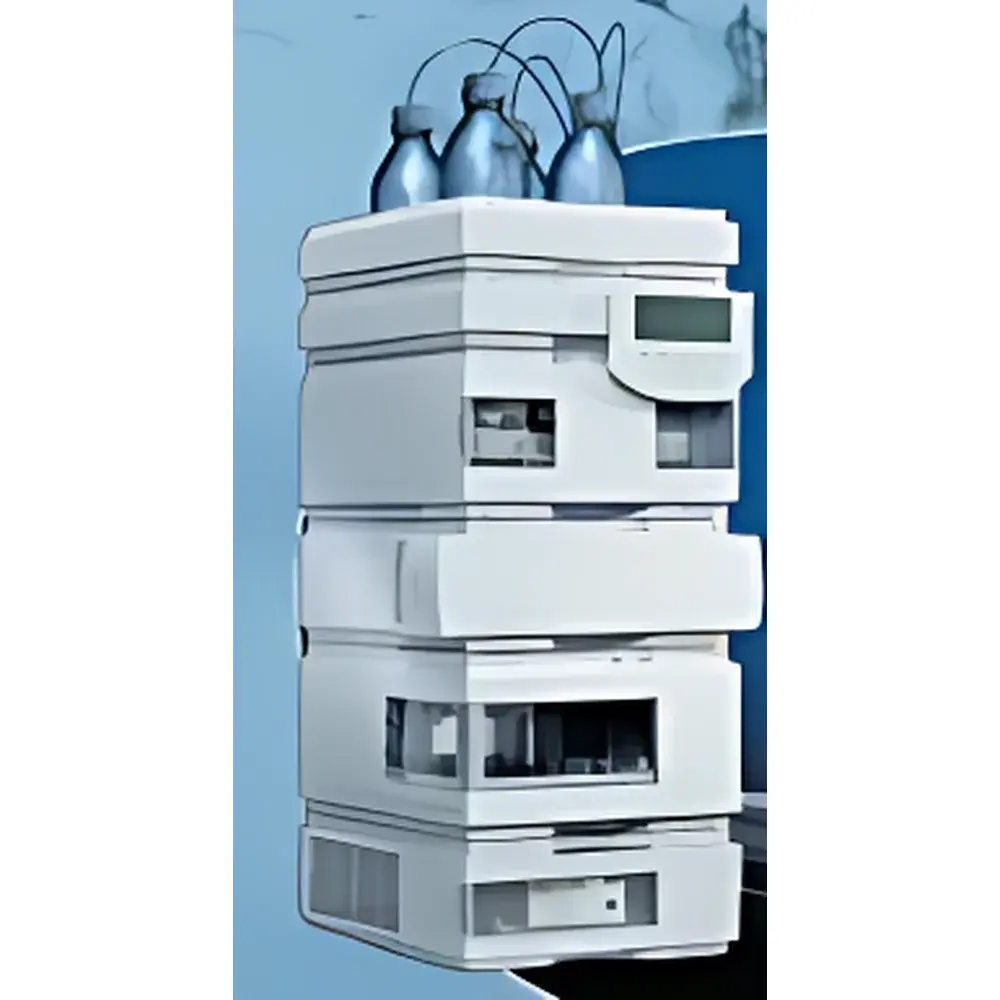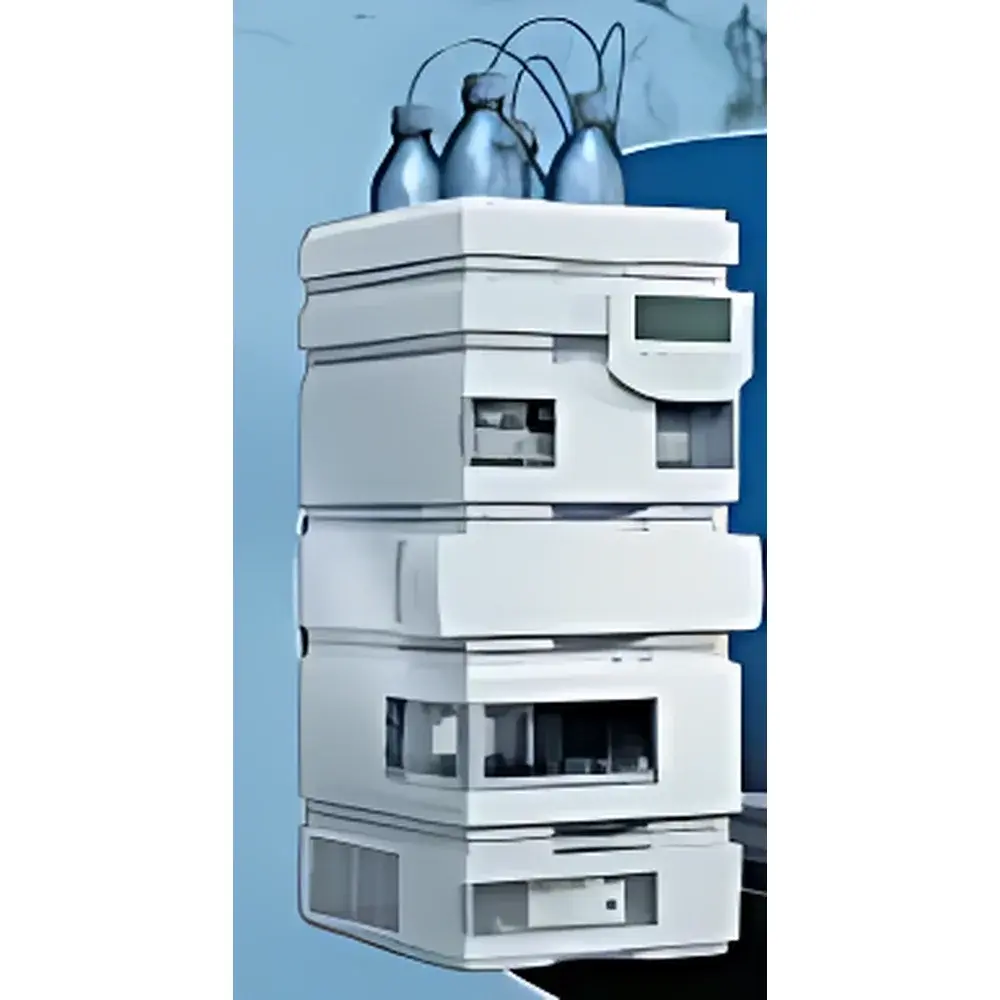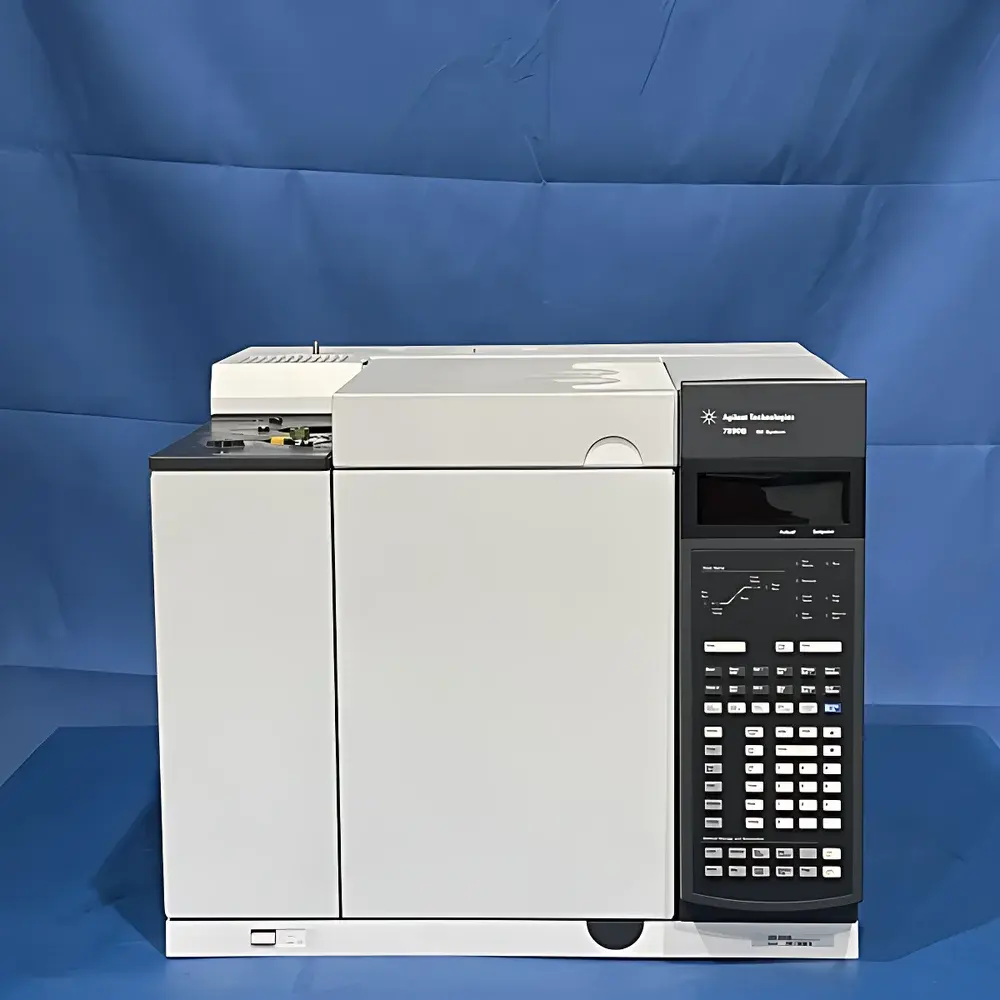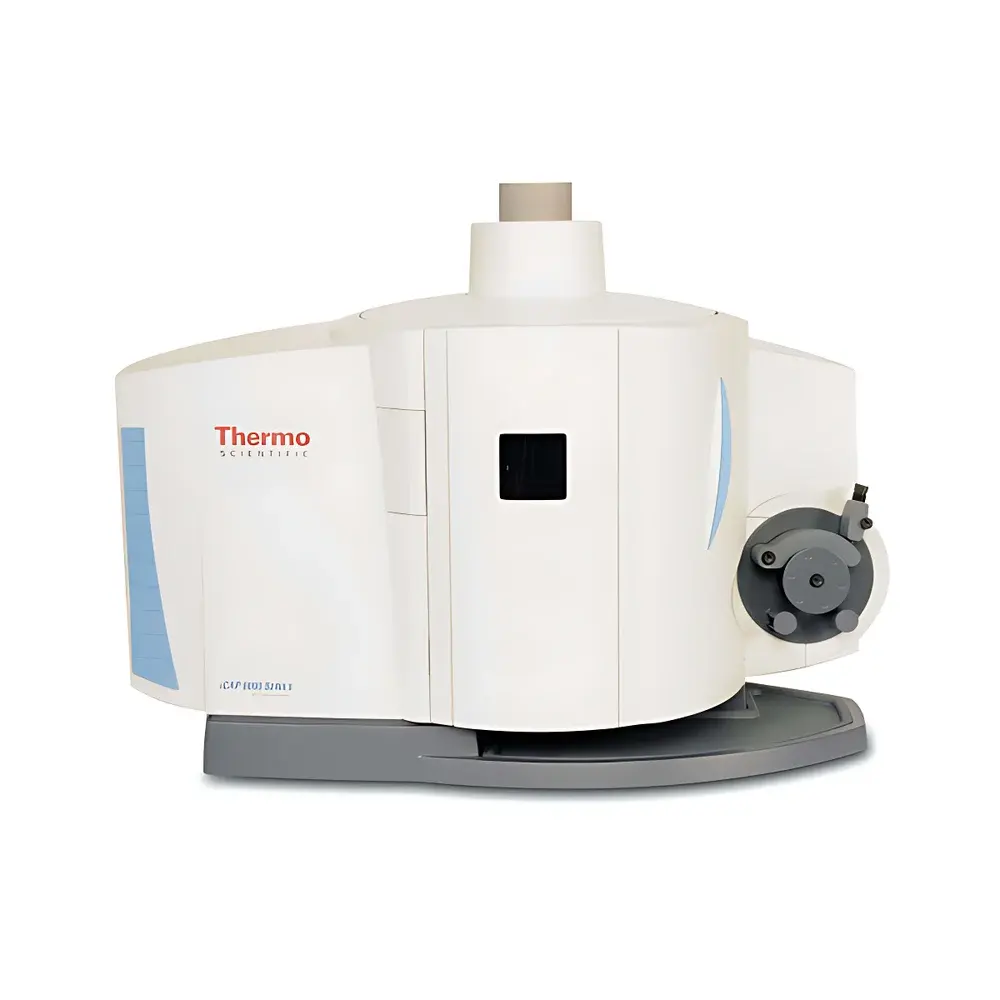
Thermo Fisher iCAP 6000 Used ICP-OES Spectrometer
| Brand | Thermo Fisher |
|---|---|
| Origin | USA |
| Model | iCAP 6000 |
| Instrument Type | Inductively Coupled Plasma Optical Emission Spectrometer (ICP-OES) |
| Age | 6–8 years |
| Warranty | 1 year |
| Category | Used Analytical Instrument |
| Regulatory Compliance | Designed to meet ASTM D5193, ISO 11885, USP <232>/<233>, and EPA Methods 200.7, 200.8, and 6010D requirements |
Overview
The Thermo Fisher iCAP 6000 is a robust, benchtop inductively coupled plasma optical emission spectrometer engineered for routine multi-element trace metal analysis in environmental, pharmaceutical, food safety, and industrial quality control laboratories. Utilizing radial-view axial-symmetric plasma configuration with solid-state RF generator and high-resolution echelle optical system, the instrument delivers stable plasma excitation, low background noise, and excellent signal-to-noise ratio across wavelengths from 166 nm to 847 nm. Its dual-view capability (radial and axial observation modes) enables flexible method optimization—radial for high-concentration samples and axial for sub-pptr detection limits—without hardware reconfiguration. The iCAP 6000 was originally designed for compliance with international regulatory frameworks governing elemental impurity testing, including ICH Q3D, USP /, and FDA 21 CFR Part 11 when operated with validated software configurations.
Key Features
- High-stability 27.12 MHz solid-state RF generator delivering consistent plasma power (750–1500 W) with automatic impedance matching
- Echelle grating spectrometer with CCD detector offering simultaneous multi-element acquisition across full UV-Vis spectral range
- Integrated peristaltic pump and autosampler compatibility (e.g., Cetac ASX-520 or equivalent) for unattended operation
- Robust nebulizer design (e.g., concentric glass or SeaSpray™) paired with cyclonic or Scott-type spray chamber for efficient aerosol generation
- On-board argon gas flow control with real-time pressure monitoring and auto-shutdown logic for plasma safety
- Pre-configured method templates aligned with EPA 200.7 (drinking water), EPA 6010D (wastewater), and ISO 11885 (water quality)
Sample Compatibility & Compliance
The iCAP 6000 accommodates liquid samples—including aqueous digests (HNO₃/HCl/HF-based), organic solvents (with oxygen ashing), and diluted biological matrices—via standard 1.5 mL or 50 mL sample tubes. It supports direct analysis of filtered environmental waters, acid-digested soil/sediment extracts, pharmaceutical excipient solutions, and food digestates. All operational protocols are compatible with GLP and GMP environments when implemented with audit-trail-enabled software (e.g., Thermo Scientific Qtegra Intelligent Scientific Data Solution™ v2.9 or later). Instrument qualification documentation—including Installation Qualification (IQ), Operational Qualification (OQ), and Performance Qualification (PQ) templates—is available upon request to support regulatory submissions.
Software & Data Management
The system operates with Thermo Scientific Qtegra ISDS software, providing full instrument control, spectral deconvolution, internal standard correction, matrix-matched calibration, and automated QC checks (e.g., drift correction, blank subtraction, recovery calculation). Raw spectral data are stored in vendor-neutral .qdb format, exportable to CSV, XML, or LIMS-compatible formats. Software configurations include electronic signature support, user access levels (admin/operator/analyst), and full 21 CFR Part 11 compliance mode with time-stamped audit trails, locked results, and immutable data archiving. Post-purchase software updates and license reactivation services are supported through Thermo Fisher’s global service network.
Applications
- Environmental monitoring: Quantification of As, Cd, Cr, Pb, Hg, Se, and other regulated metals in drinking water, wastewater, leachates, and soil extracts per EPA and ISO standards
- Pharmaceutical quality control: Elemental impurity screening in APIs, excipients, and packaging materials per ICH Q3D and USP
- Food and beverage safety: Detection of toxic elements (e.g., Pb, Cd, Sn) in infant formula, juices, cereals, and dietary supplements
- Geochemical and metallurgical analysis: Multi-element profiling of ores, alloys, catalysts, and recycled materials
- Academic and contract research: Method development for speciation coupling (e.g., HPLC-ICP-OES) and validation studies requiring trace-level reproducibility
FAQ
Is this unit fully refurbished and performance-verified prior to shipment?
Yes. Each iCAP 6000 undergoes comprehensive refurbishment including plasma torch cleaning/replacement, nebulizer recalibration, optical alignment verification, RF generator stability test, and full-system performance qualification using NIST-traceable standards (e.g., CRM 1643e). A detailed PQ report is provided with delivery.
Does the instrument include original software licenses and documentation?
Yes. The system ships with original Qtegra ISDS installation media, license key, and complete technical manuals (hardware, software, safety, and maintenance). Electronic copies are also supplied on encrypted USB drive.
Can the iCAP 6000 be integrated into an existing LIMS environment?
Yes. Qtegra supports ASTM E1384-compliant data export via ODBC, direct LIMS API integration, and configurable result formatting for seamless ingestion into major LIMS platforms (e.g., LabWare, STARLIMS, Thermo SampleManager).
What consumables and spare parts are recommended for initial operation?
Recommended starter kit includes: one plasma torch (QT-01), two nebulizers (concentric + SeaSpray), one Scott-type spray chamber, argon gas regulator with dual-stage filtration, and certified multi-element calibration standards (Inorganic Ventures ICV-4 or equivalent).
Is on-site installation and operator training available?
Yes. Optional professional services include factory-trained engineer deployment for site preparation assessment, mechanical/electrical/gas utility verification, instrument installation, performance validation, and hands-on operator training (2-day standard course covering method setup, troubleshooting, and compliance reporting).