
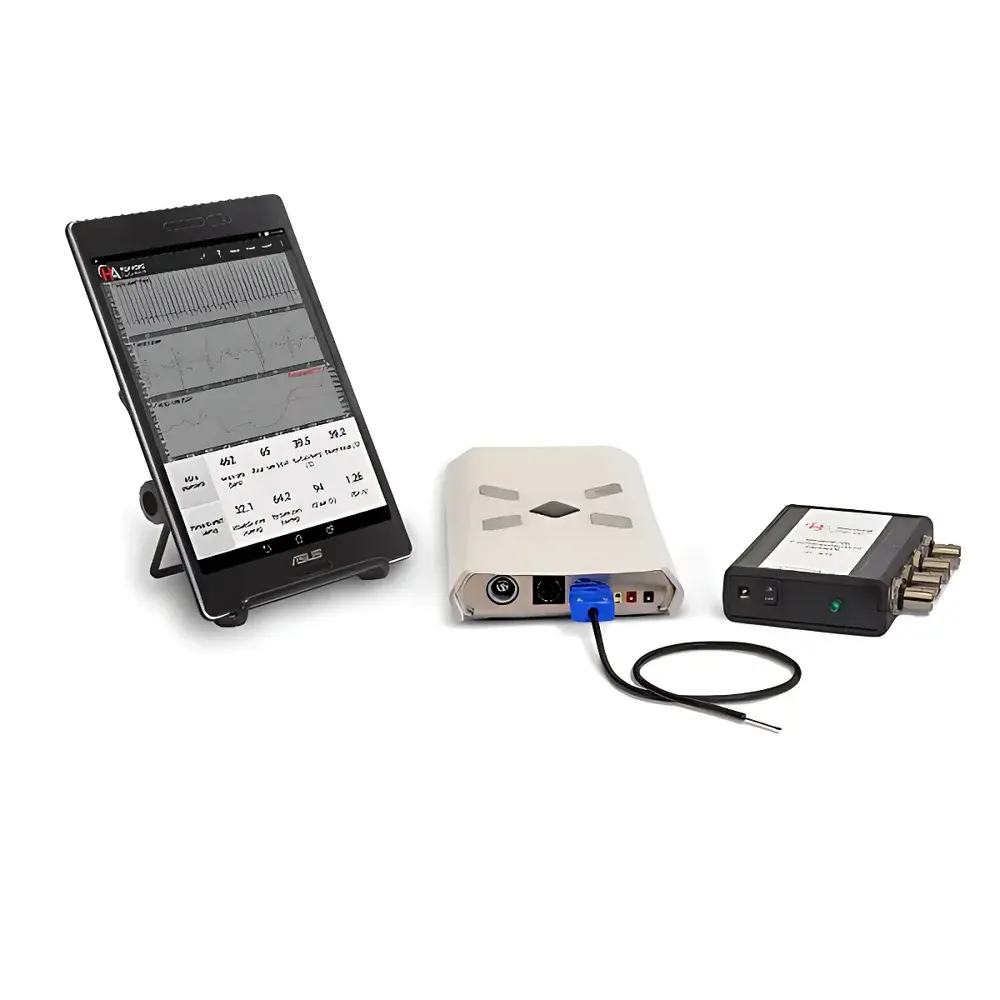
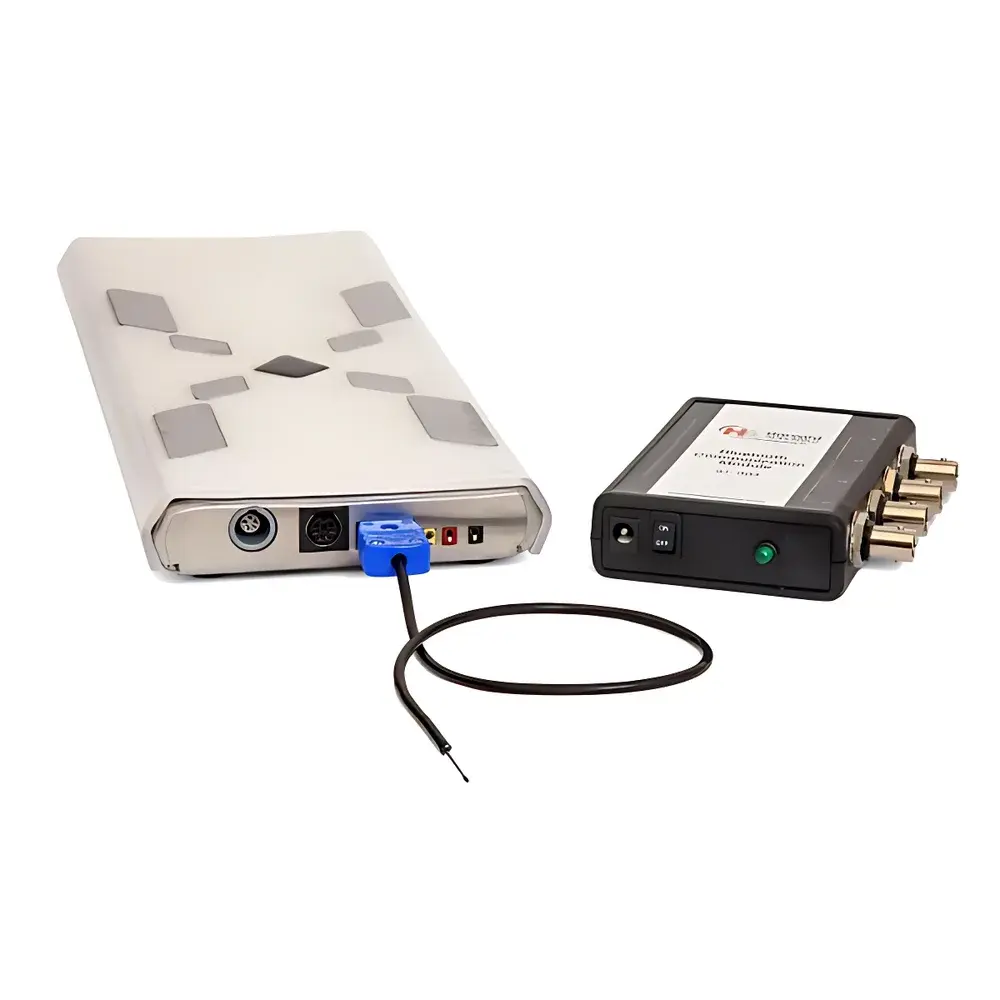
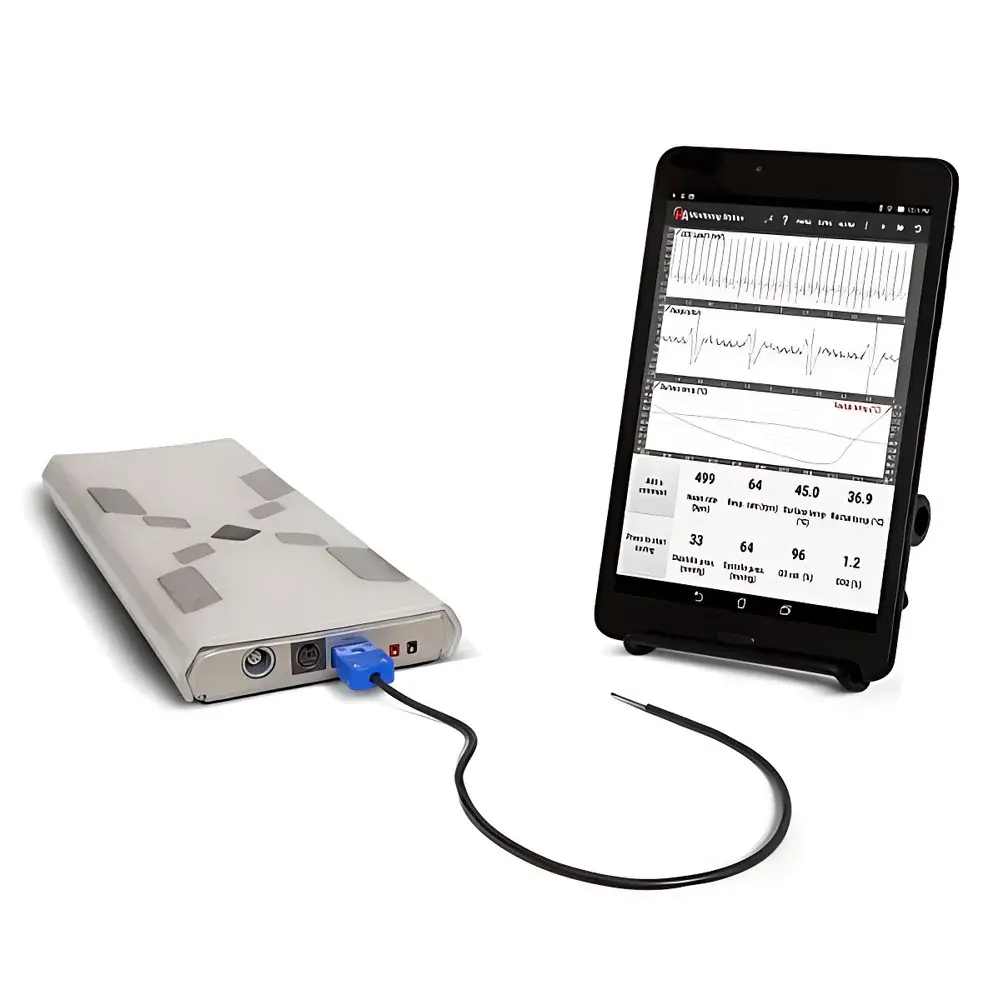
Harvard Apparatus HPMS Small Animal Physiological Monitoring System
| Brand | Harvard Apparatus |
|---|---|
| Origin | USA |
| Manufacturer Type | Authorized Distributor |
| Origin Category | Imported |
| Model | HPMS |
| Instrument Type | ECG-based Multi-Parameter Physiological Monitor |
| Connectivity | Bluetooth 5.0 |
| Display Platform | Android tablet (included) |
| Data Output Formats | LabChart-compatible binary, CSV |
| Heating Platform | Temperature-regulated (setpoint range: 25–42 °C, ±0.3 °C stability) |
| Probe Compatibility | Rectal thermistor, ECG needle electrodes, SpO₂ sensor (reflectance-type), NIBP cuff (rat/mouse), Capnography module (sidestream CO₂) |
Overview
The Harvard Apparatus HPMS Small Animal Physiological Monitoring System is a compact, integrated platform engineered for real-time, multi-parameter physiological assessment during acute in vivo experiments in rodents and other small laboratory animals (e.g., mice, rats, guinea pigs, hamsters, and juvenile rabbits). It operates on a modular architecture grounded in clinical-grade signal acquisition principles—ECG derived via differential bipolar lead configuration (Lead II equivalent), SpO₂ measured using reflectance-mode pulse oximetry at 660/940 nm wavelengths, non-invasive blood pressure (NIBP) acquired via tail-cuff or femoral cuff oscillometry, end-tidal CO₂ monitored by sidestream infrared capnography (0–10% range), respiratory rate inferred from thoracic impedance or pressure transducer coupling, and core temperature tracked via calibrated rectal thermistor (±0.1 °C accuracy). The system integrates a thermostatically controlled heating platform with closed-loop PID regulation, enabling precise maintenance of normothermia—a critical requirement for metabolic stability and reproducible pharmacological or neurological outcomes.
Key Features
- Compact footprint (32 × 24 × 12 cm) optimized for stereotaxic rigs, laminar flow hoods, and confined surgical workspaces.
- Single-cable connectivity: Power + USB-C data link to embedded Bluetooth 5.0 module—eliminates signal crosstalk and simplifies cable management.
- Android-based touchscreen interface (10.1″, 1280 × 800) with intuitive icon-driven navigation; no PC dependency for live monitoring or session initiation.
- Three independent waveform display channels—configurable per parameter (e.g., ECG + respiration + CO₂; or SpO₂ + BP + temperature).
- User-definable numeric overlay: Up to six parameters simultaneously shown as real-time digital readouts with configurable units and alarm thresholds.
- Integrated heating platform with programmable setpoint (25–42 °C), thermal gradient compensation, and auto-shutoff upon disconnection.
- Modular accessory mounting: Standardized dovetail rails support rapid attachment/detachment of stereotaxic adapters (ear bars, nose clamp, incisor bar) or anesthesia masks (ISO-compatible vaporizer port).
Sample Compatibility & Compliance
The HPMS supports longitudinal monitoring across common rodent strains (C57BL/6, Sprague-Dawley, Wistar, BALB/c) under both conscious restrained and anesthetized conditions (isoflurane, ketamine/xylazine, pentobarbital). All analog front-end circuits comply with IEC 61000-4-2 (ESD immunity) and IEC 60601-1 third edition for medical electrical equipment safety. Signal processing adheres to ANSI/AAMI EC13:2002 for ECG monitor performance and ISO 80601-2-61:2017 for pulse oximeters. Data integrity meets GLP-aligned requirements: timestamped acquisition (ms resolution), audit-trail-enabled session logging, and encrypted local storage (microSD card, up to 128 GB). Optional FDA 21 CFR Part 11 compliance package available upon request (electronic signatures, role-based access control, immutable audit logs).
Software & Data Management
Acquired data are streamed and buffered in real time to the Android tablet, stored in a proprietary binary format (.hpmsbin) with embedded metadata (animal ID, protocol name, operator initials, date/time, hardware calibration IDs). Export utilities include one-click conversion to ASCII CSV (tab-delimited, UTF-8 encoded) and LabChart 8+ compatible .adicht format. Pre-compiled MATLAB scripts (R2020b+) and Python 3.8+ Jupyter notebooks (with NumPy, SciPy, Pandas) are provided for batch preprocessing—supporting baseline correction, R-wave peak detection, respiratory cycle segmentation, and CO₂ curve integration. All exported files retain original sampling rates (ECG: 1 kHz; SpO₂: 100 Hz; CO₂: 50 Hz; temperature: 10 Hz) and full precision (32-bit float).
Applications
- Cardiovascular pharmacology: Dose-response evaluation of vasodilators, ion channel blockers, or chronotropic agents under controlled thermal and respiratory conditions.
- Neuroscience surgery: Real-time correlation of cortical EEG (via optional analog input expansion) with hemodynamic stability during craniotomy or optogenetic implantation.
- Pulmonary toxicology: Dynamic assessment of bronchoconstriction or hypoxemia following aerosolized challenge (e.g., methacholine, LPS).
- Anesthesia depth validation: Cross-referencing BIS-like indices (derived from ECG variability and HRV spectral analysis) with end-tidal anesthetic concentration.
- Metabolic phenotyping: Sustained monitoring of O₂ consumption proxies (via SpO₂ desaturation kinetics and CO₂ production) during cold exposure or diet-induced obesity studies.
FAQ
Is the HPMS compatible with third-party stereotaxic frames?
Yes—the base platform features standardized M4 threaded mounting holes (25 mm pitch grid) and accepts industry-standard dovetail rails (e.g., Kopf, Stoelting, David Kopf Instruments).
Can ECG leads be used simultaneously with a surface EMG electrode array?
Yes; the system provides two isolated analog input channels (±10 V range, 16-bit resolution) for auxiliary signals, electrically decoupled from primary physiological inputs.
Does the system support continuous long-term recording beyond 24 hours?
Yes; internal buffering supports >72 hours of continuous 1-kHz ECG + 100-Hz SpO₂ acquisition when external power and microSD storage are used.
Are calibration certificates traceable to NIST standards included?
Each unit ships with a factory calibration report (valid for 12 months) referencing NIST-traceable reference sources for temperature, pressure, and optical wavelength verification.
Can multiple HPMS units be synchronized for multi-animal cohort studies?
Not natively; however, external TTL sync pulses can be routed via the GPIO port to align timestamps across distributed systems using custom LabVIEW or Python orchestration.




