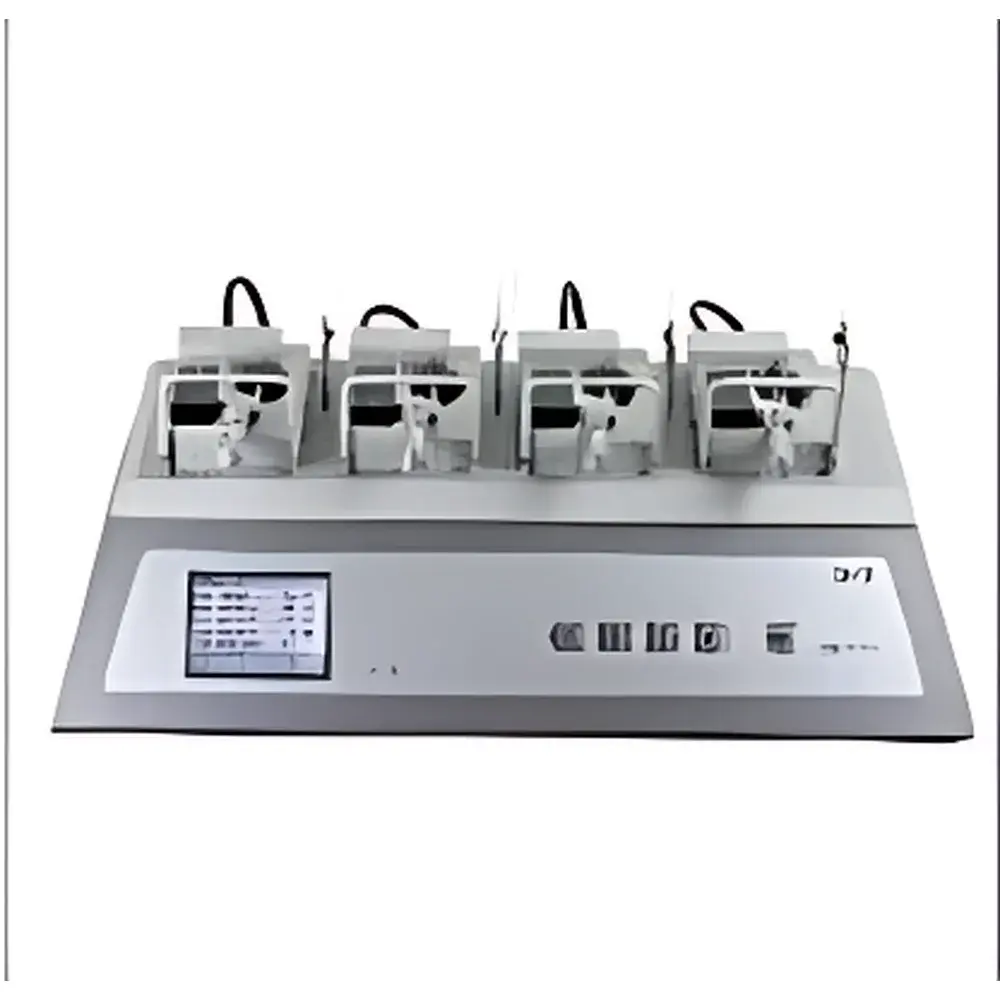
Brookfield 840MD Myodynamics Isometric and Isotonic Muscle Force Measurement System
| Origin | USA |
|---|---|
| Manufacturer Type | Authorized Distributor |
| Origin Category | Imported |
| Model | 840MD |
| Pricing | Available Upon Request |
Overview
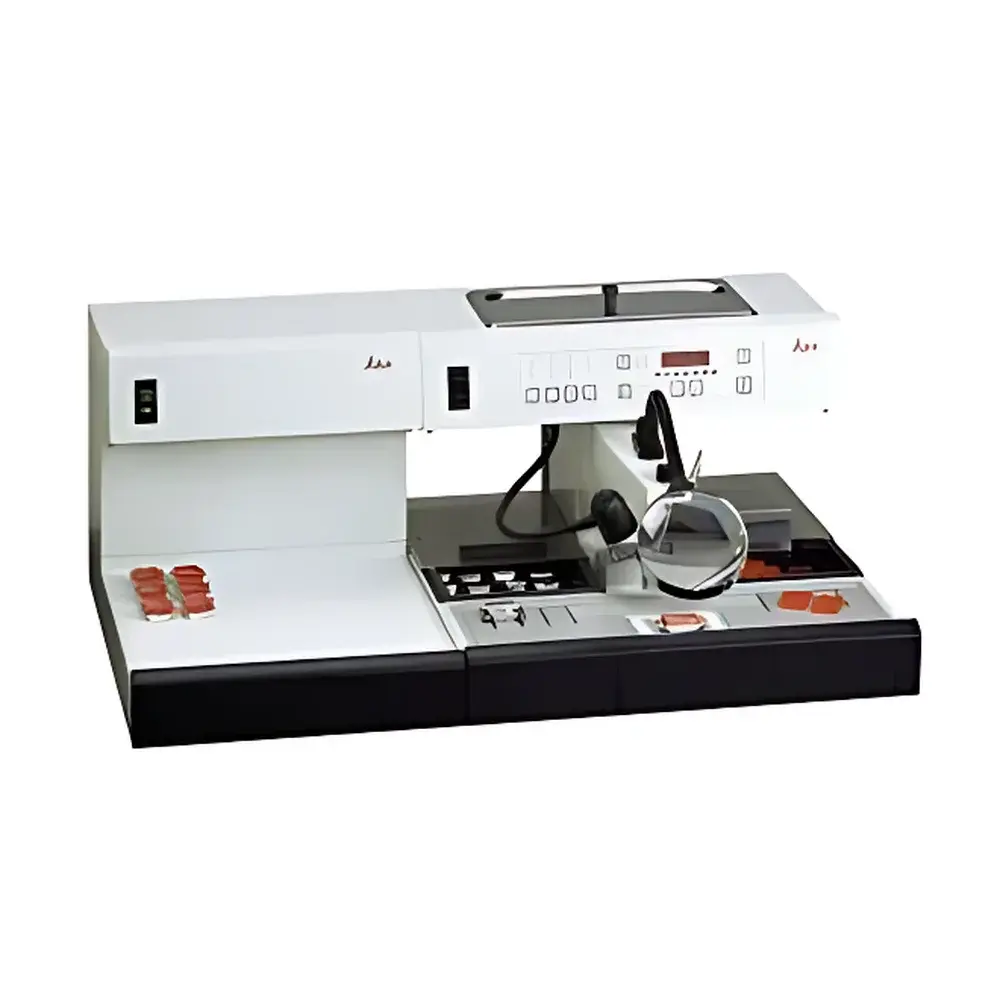
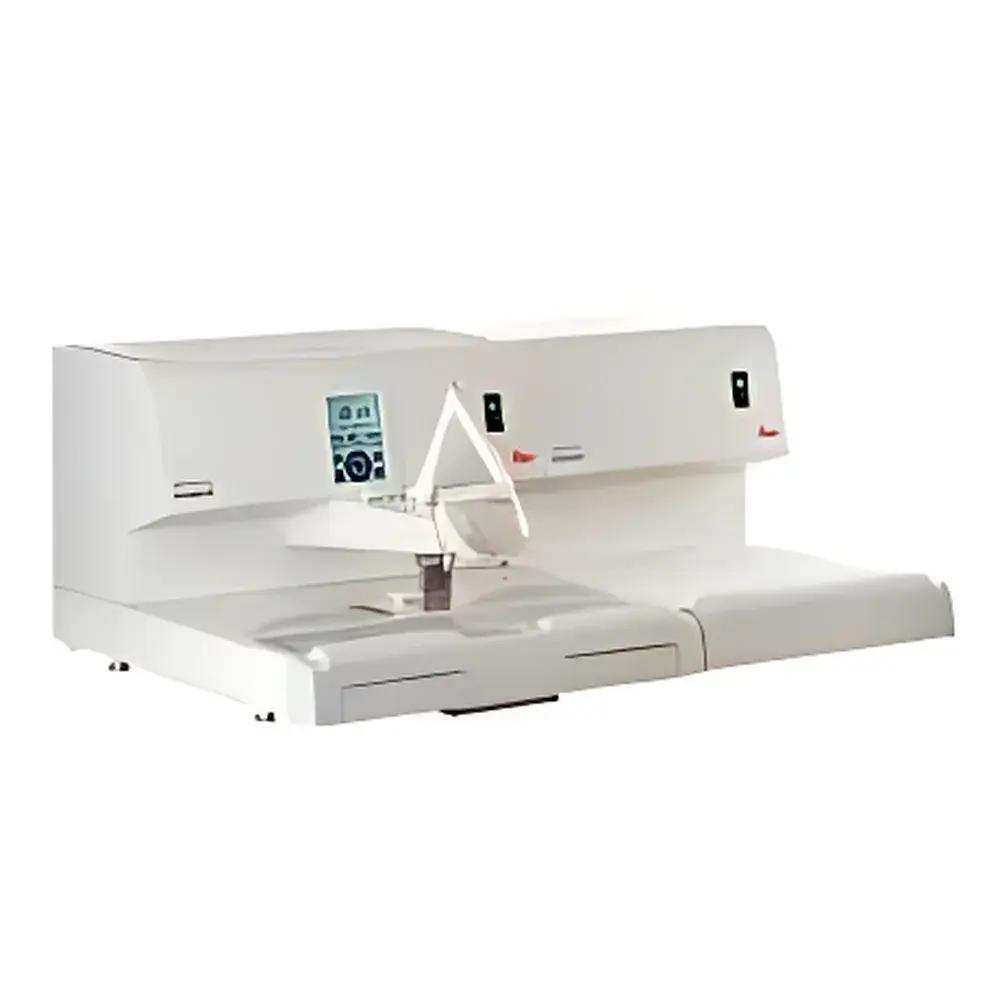
The Brookfield 840MD Myodynamics Muscle Force Measurement System is a high-precision, multi-channel in vitro physiological instrument engineered for quantitative assessment of contractile force generation in isolated muscle preparations. Based on the fundamental principles of isometric and isotonic transduction—where force is measured via calibrated strain-gauge or piezoresistive transducers under controlled length or load conditions—the 840MD enables rigorous biomechanical characterization of skeletal, cardiac, and smooth muscle tissue strips. Designed specifically for academic physiology laboratories, pharmaceutical preclinical research units, and contract research organizations (CROs), the system supports reproducible, temperature-stabilized ex vivo experimentation with full compliance to GLP-aligned operational workflows. Its modular architecture accommodates both single- and four-channel configurations, allowing parallel acquisition of mechanical output from up to four independent muscle specimens under identical environmental and stimulation parameters.
Key Features
- Four-channel simultaneous isometric force recording, enabling comparative pharmacological or genetic intervention studies across matched tissue samples
- Programmable linear motor actuator with sub-micron resolution (10 µm minimum displacement step) and 11 mm total travel range for precise length–tension protocol execution
- Rectangular dual-wall organ bath design (30 mm maximum specimen length capacity) optimized for large-diameter smooth muscle strips and intact diaphragm or soleus preparations
- Integrated water-jacketed thermal regulation system maintaining bath temperature within ±0.1 °C of setpoint—operable below ambient (e.g., 25–37 °C range) via external chiller coupling
- Analog voltage output (±10 V, 0–5 V selectable) from high-stability force transducers (full-scale ranges: 0.5–50 mN typical), compatible with standard data acquisition systems including National Instruments DAQ, Spike2, and LabChart
- Native integration with the CS200 Electrical Stimulator for monophasic/biphasic pulse delivery (0.1–100 Hz, 0.1–20 ms pulse width, 0–100 V amplitude) synchronized to force acquisition
Sample Compatibility & Compliance
The 840MD accommodates a broad spectrum of excised mammalian tissue preparations, including rodent (rat, mouse) and larger species (rabbit, porcine) skeletal muscle (e.g., extensor digitorum longus, EDL), cardiac papillary muscles, vascular (aortic, mesenteric) and gastrointestinal (ileal, colonic) smooth muscle strips, and human biopsy-derived specimens when processed under IRB-approved protocols. All hardware components—including bath materials, transducer housings, and fluid pathways—meet USP Class VI biocompatibility standards. The system supports documentation practices aligned with FDA 21 CFR Part 11 requirements when used with compliant software platforms featuring electronic signatures, audit trails, and user-access controls. Experimental protocols may be validated against ISO/IEC 17025 guidelines for testing laboratory competence.
Software & Data Management
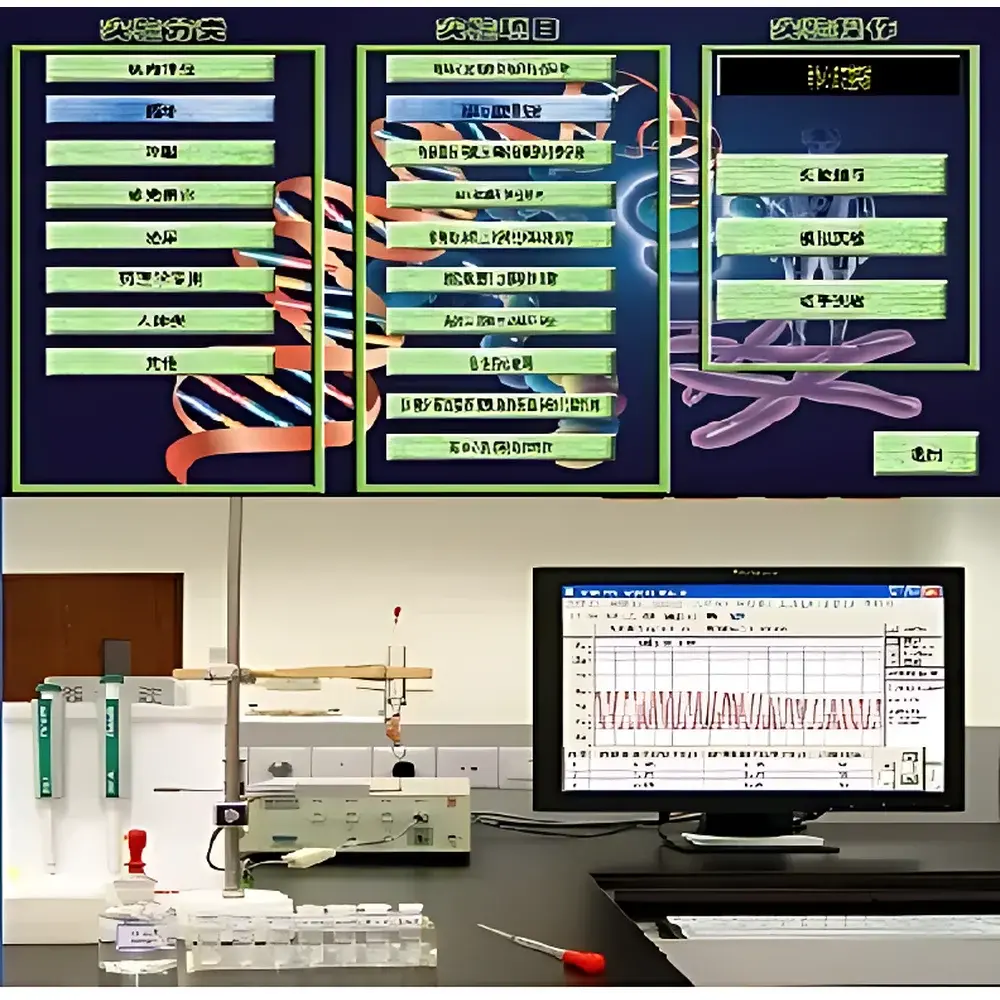
While the 840MD delivers analog transducer signals directly to third-party acquisition hardware, it is routinely deployed with industry-standard physiological data analysis environments such as ADInstruments LabChart (v8+), Spike2 (CED), or custom MATLAB/Python-based pipelines. These platforms support real-time visualization of force–time traces, derivative (dF/dt) computation, twitch kinetics analysis (contraction/relaxation time constants, peak force, time-to-peak), and automated normalization to cross-sectional area or passive baseline. Export formats include ASCII, HDF5, and MAT files—facilitating downstream statistical modeling (ANOVA, dose–response curve fitting) and integration into LIMS or ELN infrastructure.
Applications
- Characterization of myotropic drug effects (e.g., calcium sensitizers, β-adrenergic agonists, Rho-kinase inhibitors) on contractile amplitude and kinetics
- Mechanistic studies of excitation–contraction coupling defects in genetically modified murine models of muscular dystrophy or cardiomyopathy
- Functional validation of tissue-engineered skeletal muscle constructs prior to in vivo implantation
- Assessment of age-related or disease-associated declines in smooth muscle tone in hypertension and diabetes research
- Standardized evaluation of neuromuscular junction integrity using nerve–muscle co-culture preparations
FAQ
What types of muscle tissues are compatible with the 840MD system?
Skeletal, cardiac, and smooth muscle strips from rodents, rabbits, pigs, and human surgical specimens—provided appropriate ethical approvals and tissue viability protocols are followed.
Does the 840MD support isotonic measurements?
Yes—the programmable motor allows dynamic length control during contraction, enabling true isotonic shortening velocity (Vmax) determination using slack-test or force–velocity curve methodologies.
Can the system operate at sub-physiological temperatures?
Yes—integrated water-jacket cooling permits stable operation down to 20 °C when connected to an external recirculating chiller.
Is the 625FS buffer perfusion module compatible with all four baths simultaneously?
Yes—the 625FS delivers sequential or concurrent buffer infusion to all four organ baths with programmable flow rates (0.1–5 mL/min) and volume tracking, reducing manual handling errors.
Are transducer calibration certificates provided with the system?
Each force transducer ships with NIST-traceable calibration documentation valid for 12 months; annual recalibration services are available through authorized Brookfield service centers.