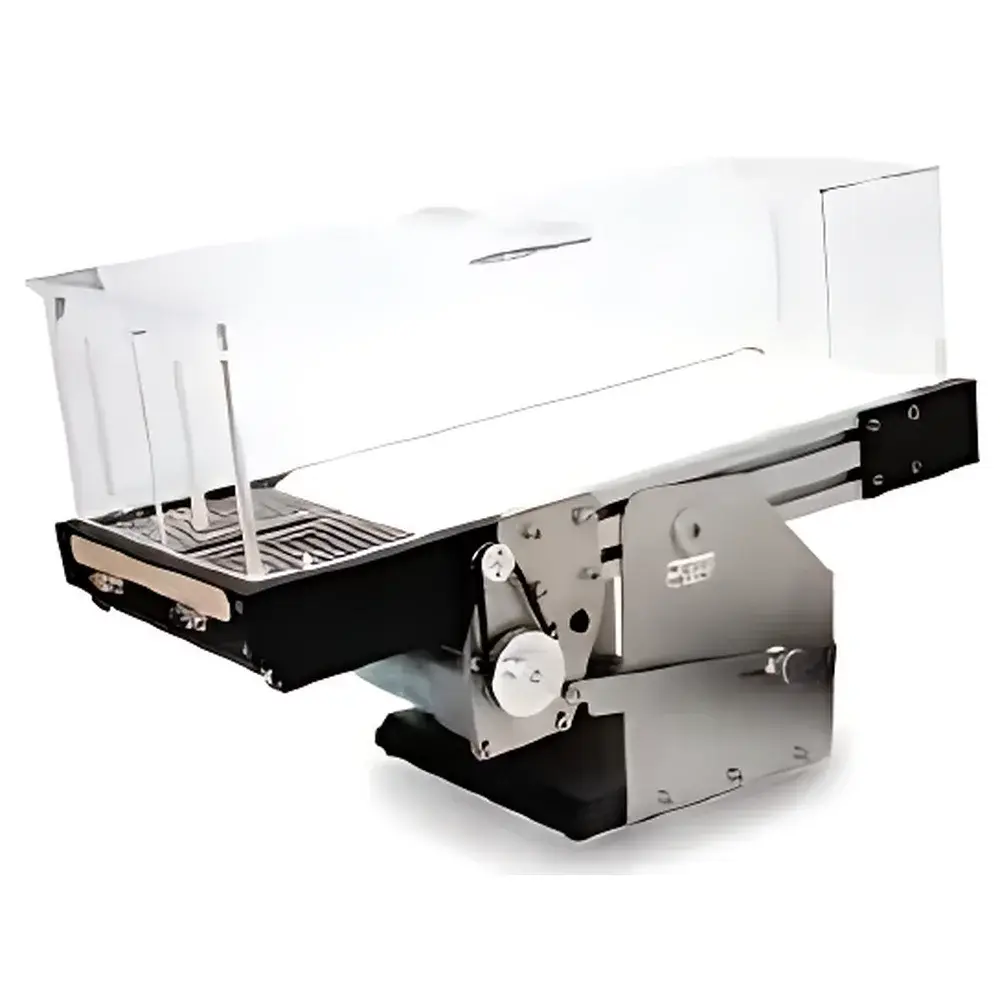
Panlab LE8700TS Small Animal Treadmill System
| Brand | Harvard Apparatus |
|---|---|
| Origin | USA |
| Manufacturer Type | Authorized Distributor |
| Origin Category | Imported |
| Model | LE8700TS |
| Price Range | USD 14,000–70,000 |
Overview
The Panlab LE8700TS Small Animal Treadmill System is an engineered platform for standardized, reproducible forced exercise protocols in preclinical rodent research. Designed around the biomechanical and physiological constraints of mice, rats, and rabbits, it operates on a precision-controlled motorized belt principle—where locomotor output (distance, speed, duration) and aversive stimulus delivery (electrical or pneumatic) are independently regulated to induce consistent behavioral compliance. The system adheres to established paradigms in exercise physiology, neurobehavioral fatigue assessment, cardiovascular adaptation studies, and metabolic stress modeling. Its modular architecture supports both acute endurance testing and chronic training regimens under controlled environmental conditions, with optional integration into indirect calorimetry workflows via sealed chamber retrofitting.
Key Features
- Motor-driven treadmill belt with continuous speed adjustment from 0 to 3750 px/s (pixel-per-second calibration traceable to standard video tracking systems; actual linear velocity configurable per animal size and gait analysis requirements)
- Bi-directional incline control from –25° to +25°, enabling uphill/downhill locomotion studies relevant to muscle recruitment and energy expenditure modeling
- Dual aversive stimulation modalities: programmable foot-shock delivery (0–2 mA, constant current, isolated circuitry compliant with IEC 60601-1 safety standards) and interchangeable pneumatic air-puff stimulation (requires user-supplied compressed air source and regulator)
- Independent channel control across 1-, 2-, or 5-lane configurations; each lane features autonomous start/stop, real-time parameter logging, and stimulus-triggered event tagging
- Integrated capacitive touchscreen controller with multi-parameter LCD display: real-time readouts of elapsed time, cumulative distance, instantaneous speed, shock count, and session status
- Ultra-low-noise brushless DC motor rated for >5,000 hours of continuous operation; acoustic emission <45 dB(A) at 1 m distance during maximal speed operation
- Belt construction: dual-layer composite (polyurethane outer surface + polyester fiber substrate) for abrasion resistance, static dissipation, and ease of decontamination between subjects
- Structural frame: anodized aluminum side panels and Z-shaped steel rear support for mechanical rigidity and vibration damping
- Integrated waste collection tray beneath each lane, compatible with autoclavable liners and standard laboratory disinfectants
Sample Compatibility & Compliance
The LE8700TS accommodates C57BL/6, BALB/c, Sprague-Dawley, and New Zealand White subjects across standardized weight ranges (15–35 g mice; 200–500 g rats; up to 3 kg rabbits). Lane dimensions are optimized for natural gait kinematics and minimize wall-contact artifacts. All electrical components meet CE marking requirements per Directive 2014/30/EU (EMC) and 2014/35/EU (LVD). The system supports GLP-compliant data integrity when used with SeDaCom v5.x software under audit-trail-enabled configurations (21 CFR Part 11 readiness achievable via optional electronic signature module and server-based deployment).
Software & Data Management
Data acquisition occurs via RS-232 serial interface (standard) or optional USB-to-serial adapter. SeDaCom software provides synchronized timestamping of treadmill events (speed changes, incline shifts, stimulus onset), analog input channels (e.g., EMG, ECG if externally interfaced), and digital triggers. Export formats include CSV, MATLAB .mat, and HDF5 for downstream statistical analysis in R, Python (SciPy/Pandas), or GraphPad Prism. Raw binary logs retain sub-second temporal resolution for latency-critical behavioral microanalysis. Firmware updates are delivered through Harvard Apparatus’ secure portal and validated against ISO/IEC 17025-accredited calibration procedures.
Applications
- Exercise-induced neuroplasticity and hippocampal BDNF expression profiling
- Cardiac hypertrophy and vascular remodeling in hypertension models
- Insulin sensitivity assessment via graded treadmill challenge (GTT-TM protocol)
- Fatigue threshold determination in muscular dystrophy or mitochondrial disease models
- Pharmacodynamic evaluation of ergogenic compounds (e.g., AMPK modulators, PPARδ agonists)
- Respiratory metabolism coupling: when retrofitted with Oxylet Pro-compatible sealed chamber, enables VO₂/VO₂max, RER, and activity-calibrated energy expenditure quantification
FAQ
Is the LE8700TS compatible with third-party video tracking systems such as EthoVision or Noldus?
Yes—the px/s speed unit is calibrated to standard 640×480 pixel video frames at 30 fps; users may apply custom scaling factors within their tracking software.
Can the pneumatic stimulation module be used simultaneously with electrical stimulation?
No—stimulation modes are mutually exclusive per lane to prevent confounding aversive valence; hardware interlocks prevent concurrent activation.
What maintenance intervals are recommended for long-term reliability?
Belt tension verification every 200 hours; motor brush inspection at 2,500 hours; full calibration check recommended annually using NIST-traceable tachometer and current standard.
Does the system support automated protocol scheduling across multiple days?
Yes—SeDaCom allows creation of nested schedules with variable speed ramps, rest intervals, and conditional stimulus logic based on real-time performance thresholds.
Is the sealed chamber option available for all lane configurations?
Only the single-lane LE8700TS-1 variant supports full Oxylet Pro integration; multi-lane units require external whole-body plethysmography solutions.