Shimadzu Automotive Interior Materials Testing System for Formaldehyde and VOCs Analysis
| Origin | Japan |
|---|---|
| Supplier Type | Authorized Distributor |
| Origin Category | Imported |
| Model | Interior Materials Testing System |
| Pricing | Upon Request |
Overview
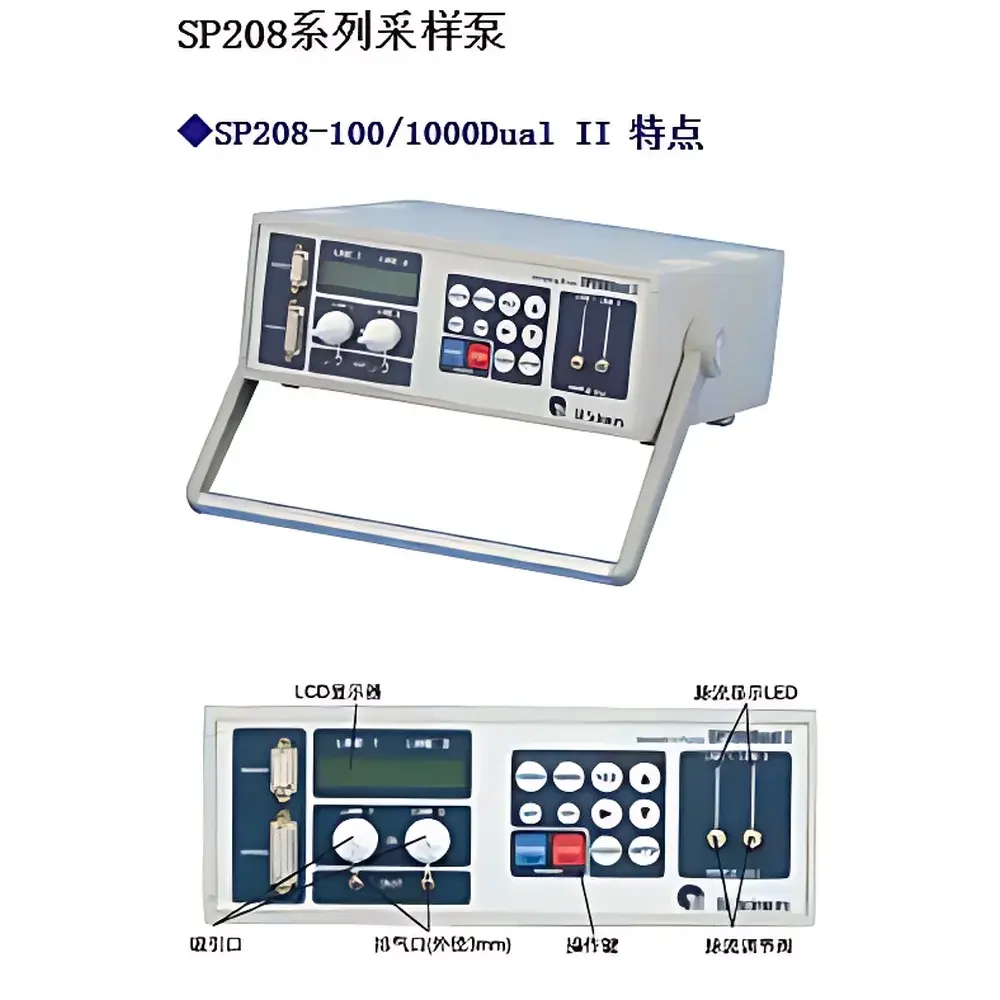
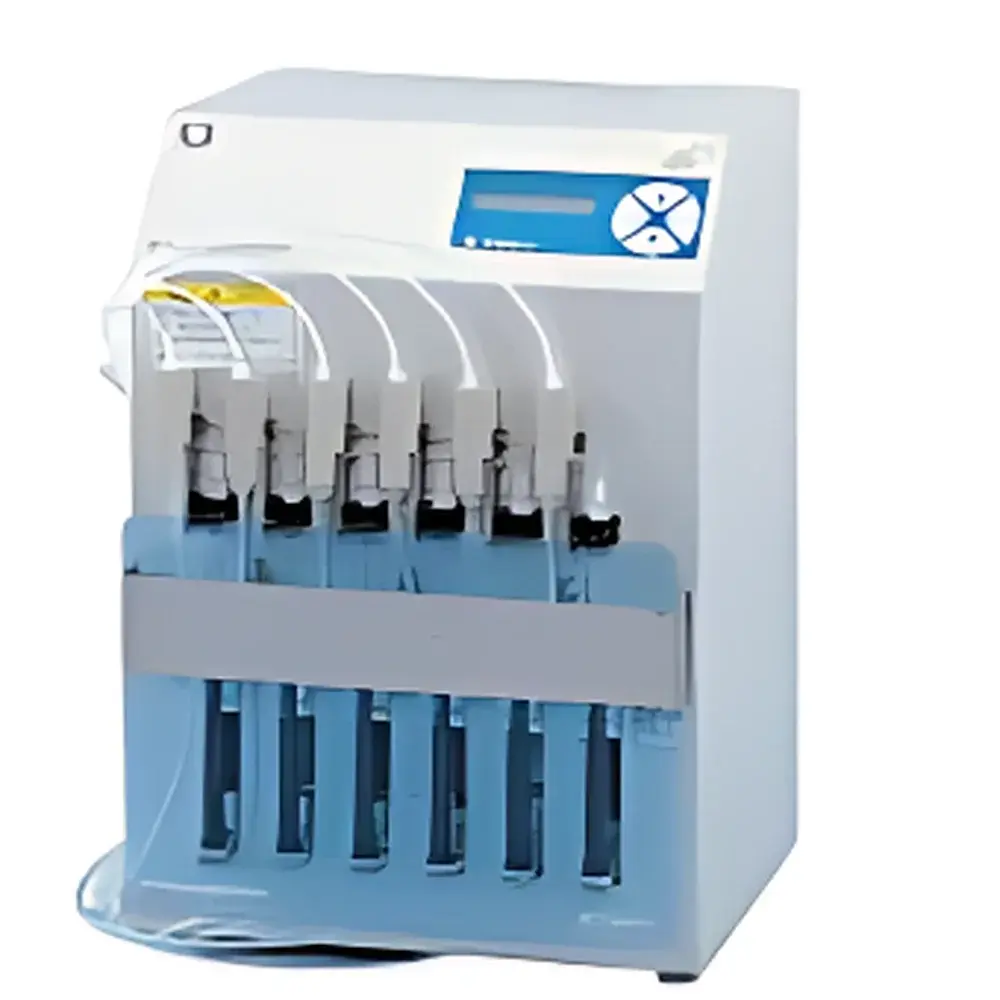
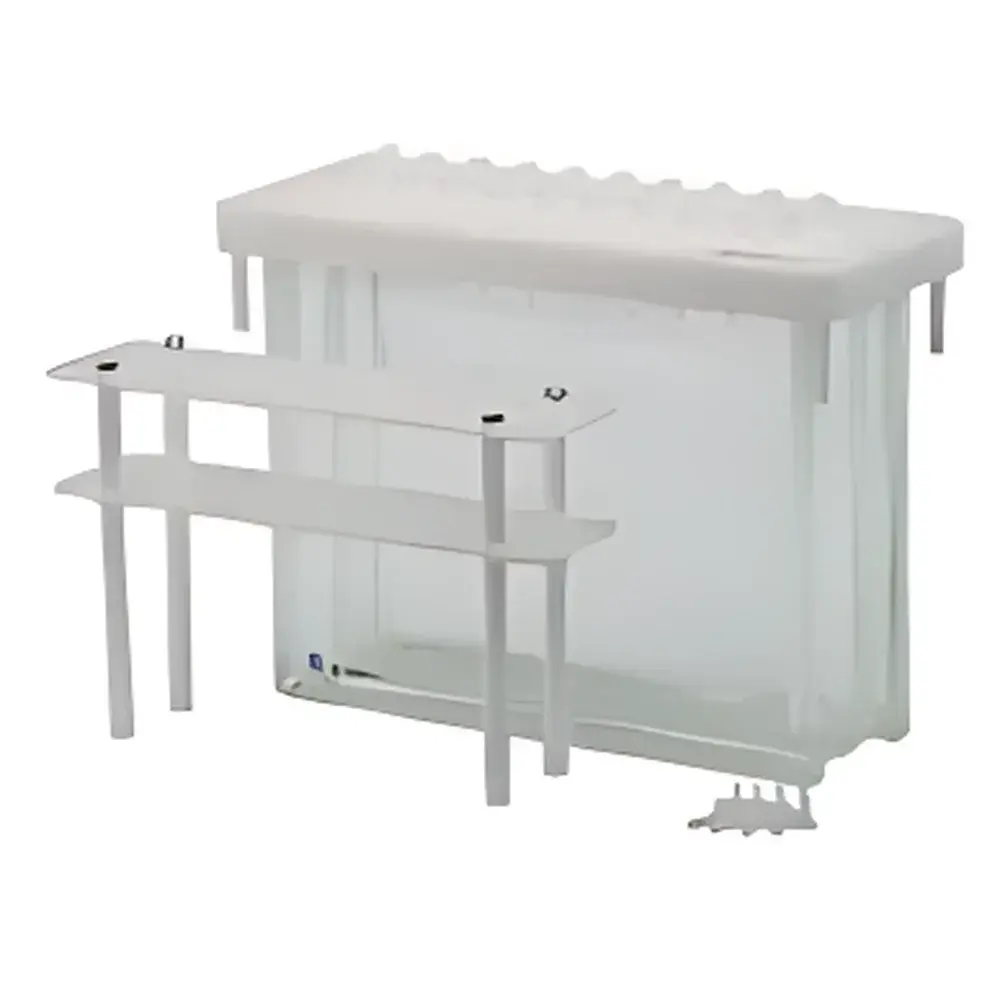
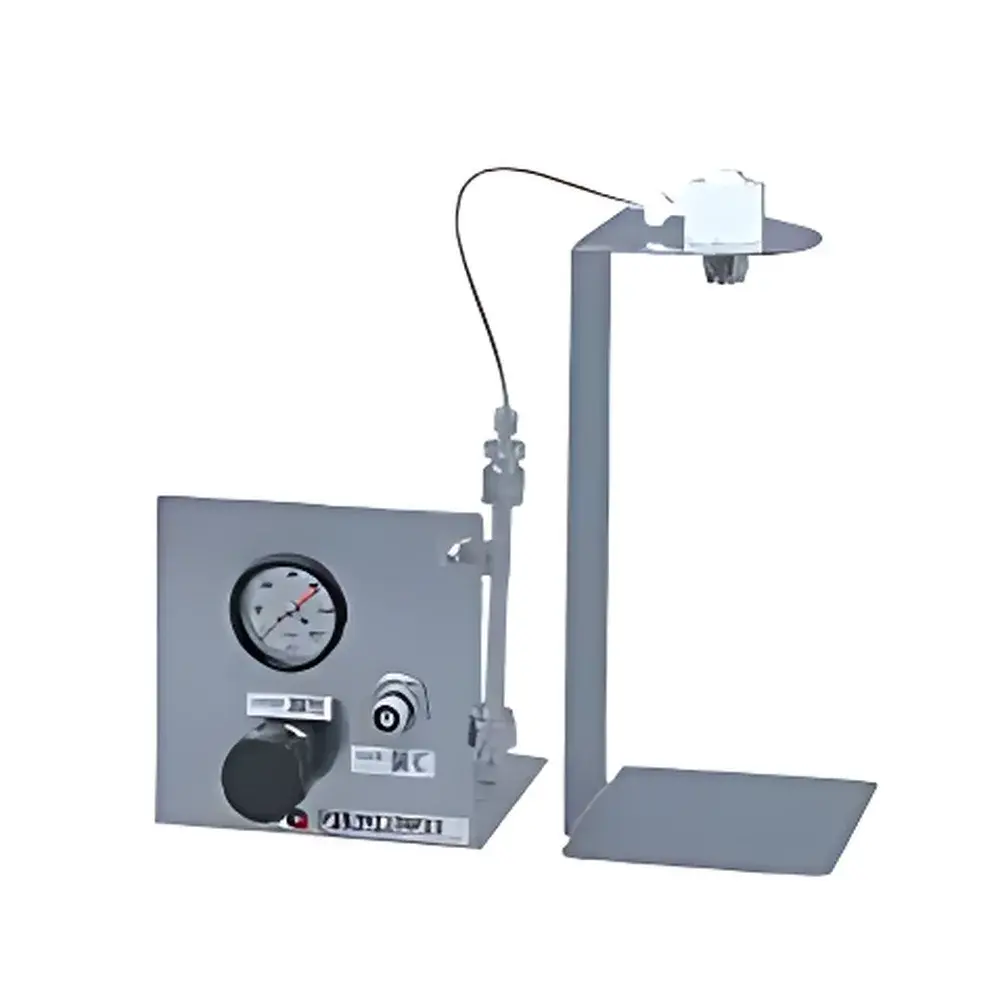
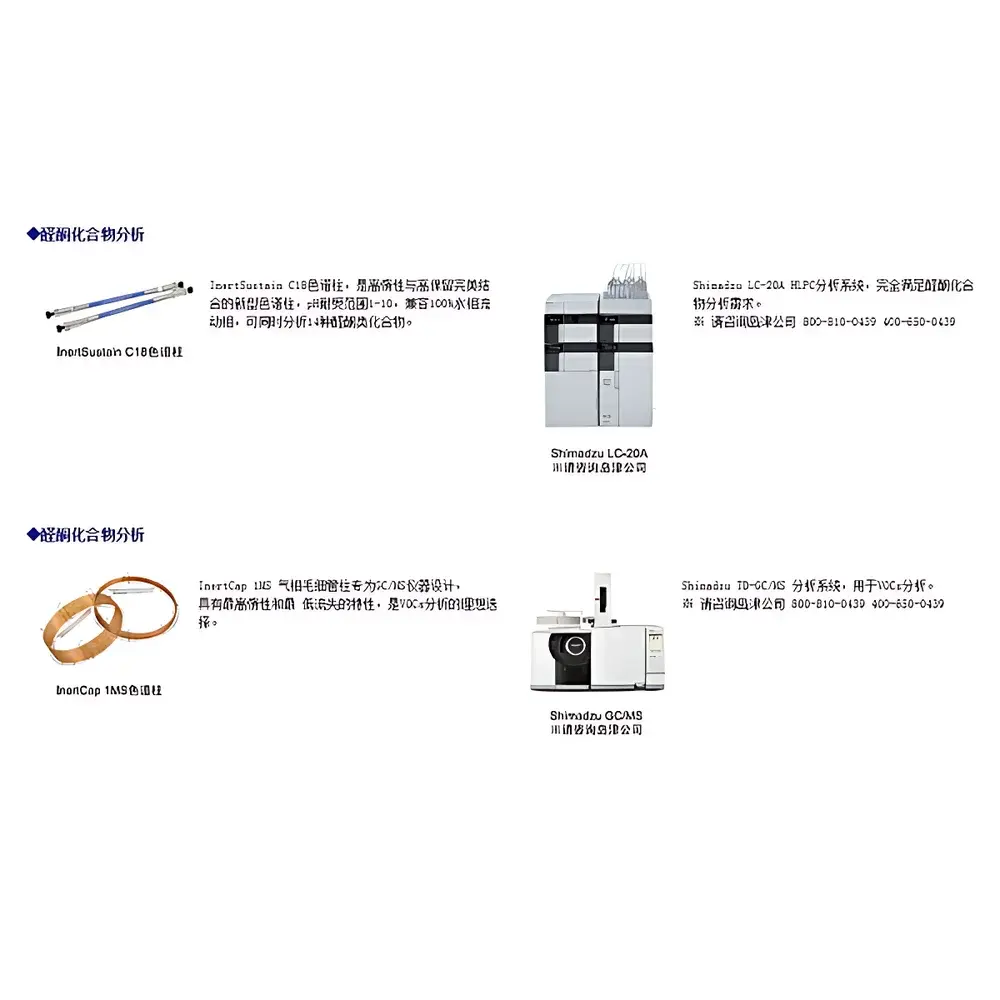
The Shimadzu Automotive Interior Materials Testing System is a purpose-built, integrated analytical solution designed to meet stringent international regulatory requirements for volatile organic compound (VOC) and formaldehyde emissions testing from automotive interior components—such as dashboards, seat fabrics, trim panels, and adhesives. The system operates on the principle of active air sampling followed by thermal desorption (TD) or derivatization-based liquid chromatography analysis. It comprises three core functional modules: (1) a dual-channel, microprocessor-controlled constant-flow sampling pump (SP-208 series), (2) inert, high-efficiency DNPH-coated silica sorbent cartridges (InertSep Mini AERO DNPH) for aldehyde/ketone derivatization, and (3) automated or manual solid-phase extraction (SPE) hardware for post-sampling elution. This architecture ensures trace-level quantification in compliance with ISO 12219-4, VDA 278, DIN 51960, and SAE J1756 protocols, supporting both R&D validation and production-line quality control under GLP/GMP-aligned workflows.
Key Features
- Dual-pump architecture enabling simultaneous, independent sampling at two distinct flow rates—optimized for co-capture of formaldehyde (low-drag DNPH cartridges) and broader VOCs (high-resistance TD tubes) without cross-interference.
- Intelligent flow compensation: real-time adjustment of motor torque based on dynamic backpressure from individual sorbent tubes, maintaining ±2% volumetric accuracy across 10–1000 mL/min range—even under variable impedance conditions.
- Temperature-compensated flow display: all sampled volumes automatically corrected to standard conditions (20 °C, 101.3 kPa) and logged with timestamped metadata.
- Programmable sampling logic: start/stop triggers support time-based (e.g., delayed initiation), calendar-scheduled (YYYY-MM-DD HH:MM), or immediate activation; termination options include total elapsed time, cumulative volume, or manual override.
- Visual pulse-flow monitoring via tri-color LED indicator (High/Good/Low), allowing manual fine-tuning of pulsation amplitude to minimize breakthrough risk and optimize analyte retention efficiency.
- Modular SPE compatibility: supports both automated (G-Prep Elute 8060, 6-channel, 0.1–25.0 mL/min ±5% accuracy) and manual (20-port, PTFE/glass construction) elution platforms for reproducible recovery of derivatized hydrazones.
Sample Compatibility & Compliance
The system accommodates standardized sampling media including InertSep Mini AERO DNPH cartridges (spherical silica, 40–63 µm, DNPH loading <0.5 µg/mg) and AERO TD Tubes (for T-DEX/ATD systems). All wetted surfaces are passivated stainless steel or fluoropolymer-lined to prevent catalytic degradation or adsorptive loss of carbonyl species. Method validation adheres to ISO/IEC 17025 requirements, with documented linearity (R² ≥ 0.999 over 0.1–50 µg/m³), repeatability (RSD ≤ 4.5%), and method detection limits (MDL) verified per EPA TO-11A and ASTM D5197. Data integrity conforms to FDA 21 CFR Part 11 when paired with optional audit-trail-enabled software.
Software & Data Management
Sampling parameters—including start/stop conditions, flow setpoints, temperature compensation values, and pulse-flow status—are stored in up to five user-configurable configuration files. Raw flow/time data are exported via RS-232 or USB to external PCs for post-processing. Optional Shimadzu LabSolutions™ TD or LC software provides full instrument control, calibration curve generation (including multi-point weighted linear regression), peak integration, and electronic signature-capable report generation compliant with GLP documentation standards.
Applications
- Quantitative determination of C1–C10 aldehydes (formaldehyde, acetaldehyde, hexanal) and ketones (acetone, butanone) emitted from polyurethane foams, PVC coatings, and fiber composites.
- Validation of low-emission material substitutions during vehicle platform development.
- Batch release testing of interior parts against OEM-specific VOC specifications (e.g., BMW GS 97014, Ford WSS-M99P1165-A).
- Method transfer between QC labs and third-party certification bodies accredited to ISO 17025.
- Generation of certified reference standards using the included inert gas dilution tool and calibrated flow controller (preset at 120 kPa, ~50 mL/min free-flow output).
FAQ
Can the SP-208 pump be used for both DNPH cartridge and thermal desorption tube sampling simultaneously?
Yes—the SP-208 1000 Dual model features independent flow control channels, each programmable for distinct impedance profiles and flow rates required by DNPH cartridges (typically 0.1–1 L/min) and TD tubes (typically 50–200 mL/min).
What is the recommended elution solvent for InertSep Mini AERO DNPH cartridges?
Acetonitrile is the validated solvent; 5 mL delivered at 1 mL/min yields quantitative recovery of DNPH-hydrazones with minimal background interference.
Is the G-Prep Elute 8060 compatible with non-Shimadzu SPE cartridges?
Yes—it accepts standard 1/4-inch OD or 3-mL format cartridges from major vendors, provided they fit the manifold’s column holder geometry and pressure rating (≤100 psi).
Does the system support unattended overnight sampling?
Yes—programmable start/stop logic, battery-backed real-time clock, and non-volatile parameter storage enable fully autonomous operation for durations up to 999 hours.
How is background contamination minimized in DNPH cartridges?
InertSep Mini AERO DNPH cartridges undergo rigorous lot-wise blank testing; typical formaldehyde blank levels are <0.05 µg per cartridge, verified by HPLC-UV at 360 nm.