YT9511 Sweat Resistance Test Chamber
| Origin | Taiwan |
|---|---|
| Manufacturer Type | Authorized Distributor |
| Regional Classification | China-sourced |
| Model | YT9511 |
| Pricing | Available Upon Request |
Overview
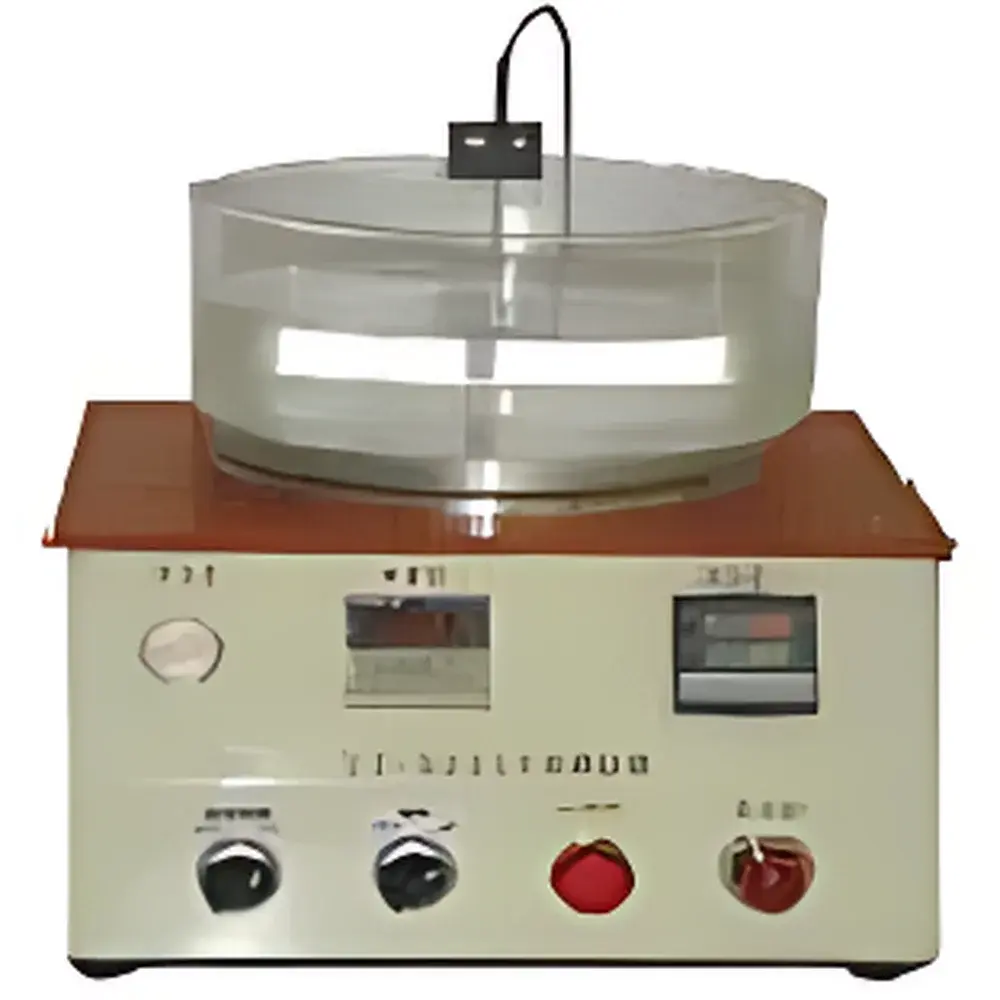
The YT9511 Sweat Resistance Test Chamber is a purpose-built environmental aging apparatus engineered for evaluating the chemical resistance and color stability of eyewear frame materials under simulated perspiration exposure conditions. Unlike general-purpose thermal chambers, the YT9511 implements controlled, sustained thermal-humid stress—specifically calibrated to replicate the combined effects of human sweat composition (pH 4.5–6.5), elevated temperature, and prolonged contact duration—on polymer-based, metal-coated, or composite spectacle frames. Its operational principle centers on maintaining a precisely regulated chamber environment at 55 °C ±5 °C for a defined exposure period of 8.0 ±0.5 hours, after which visual assessment is conducted per QB/T 14214–2003 (“Specifications for Testing Methods of Spectacle Frames”). This test method is widely adopted by OEM lens/frame manufacturers, quality assurance laboratories, and regulatory testing facilities across Asia to validate material durability prior to market release.
Key Features
- Microprocessor-controlled temperature regulation with PID feedback loop ensures thermal stability within ±5 °C tolerance over the full 8-hour test cycle.
- Dual-wall insulated chamber design minimizes external thermal interference and supports consistent internal ambient uniformity.
- Non-corrosive stainless-steel interior chamber (304 grade) resists degradation from repeated exposure to synthetic sweat simulants.
- Adjustable sample holder configuration accommodates multiple frame geometries—including full-rim, semi-rimless, and rimless designs—without mechanical deformation during testing.
- Integrated digital timer with auto-shutdown function prevents overexposure and supports unattended operation in GLP-compliant lab environments.
- Compliance-ready documentation package includes calibration certificate traceable to NML (National Measurement Laboratory, Taiwan) standards.
Sample Compatibility & Compliance
The YT9511 is validated for use with acetate, TR-90 nylon, titanium alloys, stainless steel, and electroplated brass frames. Sample mounting fixtures are designed to avoid localized pressure points that could induce false discoloration or micro-cracking. The system adheres strictly to QB/T 14214–2003, which defines the pass/fail criteria for spot formation, blooming, blistering, and chromatic shift (assessed under D65 illuminant at 45°/0° geometry using CIE L*a*b* metrics). While QB/T 14214 is a national Chinese standard, its methodology aligns with broader international practices referenced in ISO 12870 (Ophthalmic optics – Spectacle frames – Requirements and test methods) and ASTM F2245 (Standard Specification for Ophthalmic Frames). For multinational compliance reporting, test records generated with the YT9511 may be integrated into audit trails meeting FDA 21 CFR Part 11 requirements when paired with validated electronic data capture software.
Software & Data Management
The YT9511 operates as a standalone hardware platform without embedded software or touchscreen interface—intentionally designed to maximize reliability and reduce validation overhead in regulated QC settings. Temperature logging is performed externally via Class I certified thermocouple data loggers (e.g., Omega OM-DAQPRO-5300 series) connected to PC-based acquisition systems. All raw time-series temperature data, operator entries, and visual inspection reports are stored in CSV/PDF formats compatible with LIMS integration. Optional IQ/OQ documentation templates are available upon request to support GMP facility qualification under ISO 13485 or ICH Q7 frameworks.
Applications
- Pre-production validation of new frame material batches against sweat-induced corrosion and dye migration.
- Comparative benchmarking of surface coatings (e.g., PVD, electroplating, lacquer finishes) for long-term aesthetic integrity.
- Root-cause analysis of field complaints related to discoloration or surface pitting observed in tropical or high-humidity markets.
- Supporting technical dossiers for CE marking submissions where material biocompatibility and durability must be demonstrated per EN ISO 12870 Annex A.
- Training labs and academic institutions conducting polymer degradation studies under accelerated aging protocols.
FAQ
Does the YT9511 generate or dispense synthetic sweat solution?
No—the YT9511 is a thermal exposure chamber only. Users must apply standardized artificial sweat (per QB/T 14214 Annex A: pH 4.7 buffer containing lactic acid, sodium chloride, and urea) manually to samples prior to chamber insertion.
Is humidity control included in this model?
No—humidity is not actively regulated. The test relies on residual moisture from pre-applied sweat solution and chamber thermal mass to sustain localized hygrothermal stress; relative humidity is not monitored or reported.
Can the YT9511 be used for testing lenses or optical coatings?
Not recommended. QB/T 14214–2003 applies exclusively to frame components. Lens materials require separate ISO 8980-3 or ANSI Z80.1 accelerated aging protocols involving UV exposure and cyclic thermal shock.
What calibration frequency is recommended?
Annual calibration against NIST-traceable reference thermometers is advised; verification checks before each test batch using a secondary calibrated probe are required under GLP practice.
Is CE marking applicable to the YT9511?
The unit complies with EU EMC Directive 2014/30/EU and Low Voltage Directive 2014/35/EU; however, as a non-medical, non-in-vitro diagnostic device, it does not require CE marking under MDR or IVDR regulations. Declaration of Conformity is supplied with shipment.