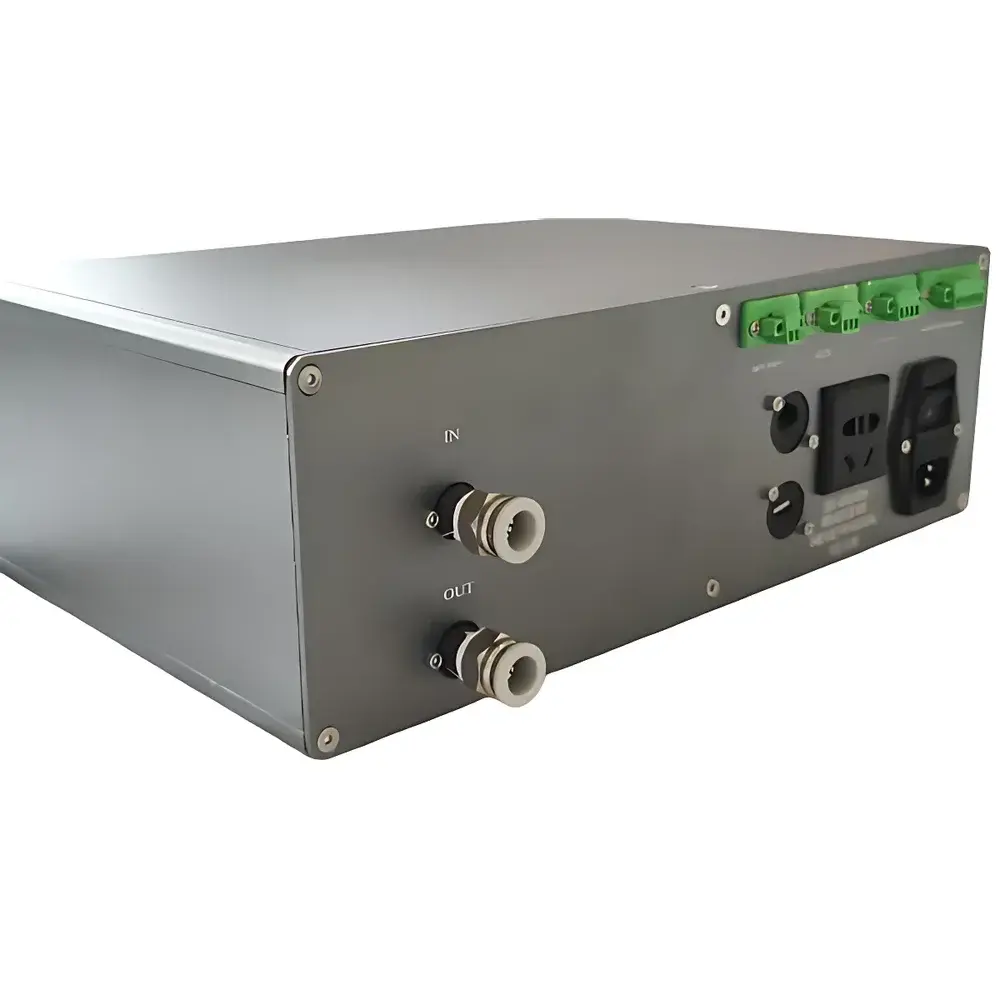
SFA Online Intelligent Ore Grade Analysis System
| Origin | Switzerland |
|---|---|
| Manufacturer Type | Distributor |
| Origin Category | Imported |
| Model | SFA |
| Pricing | Upon Request |
Overview
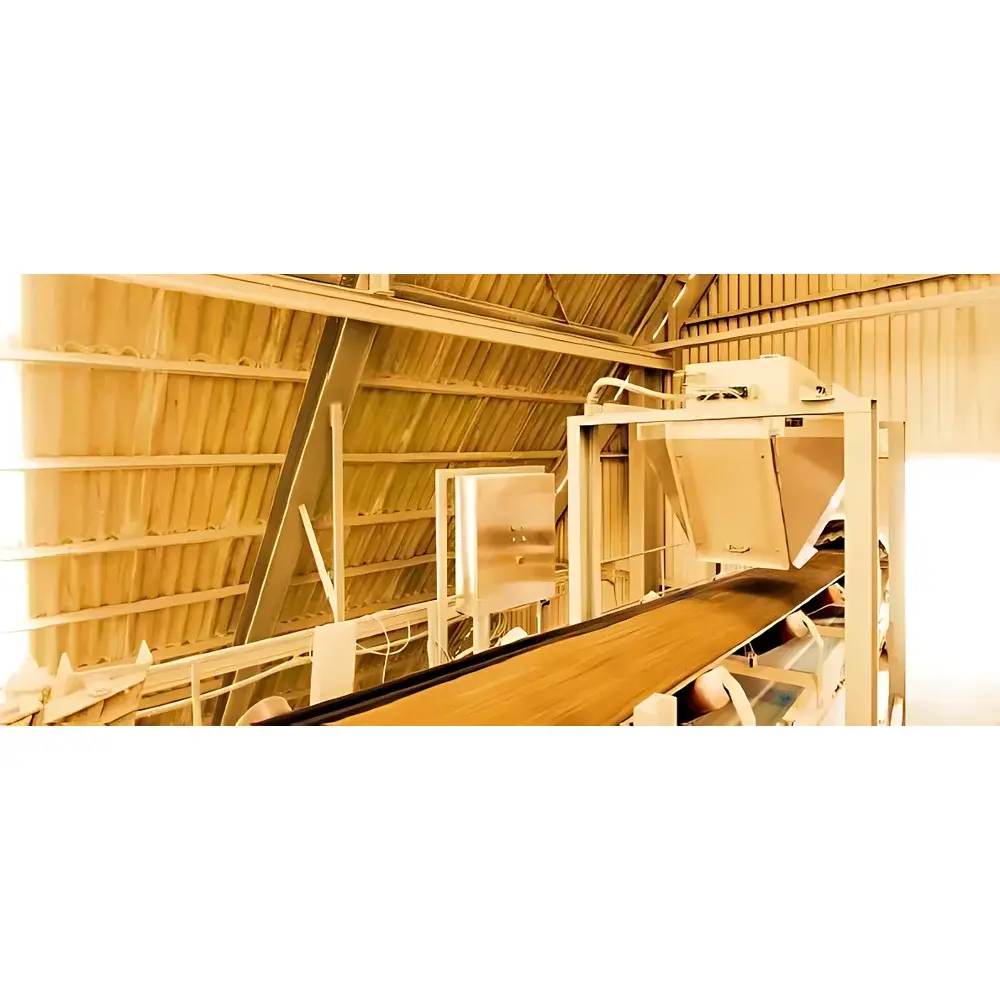
The SFA Online Intelligent Ore Grade Analysis System is a high-precision, non-destructive near-infrared (NIR) spectroscopic analyzer engineered for real-time, in-line compositional analysis of bulk mineral and coal feed streams. Unlike elemental analyzers based on X-ray fluorescence (XRF) or prompt gamma neutron activation analysis (PGNAA), the SFA system operates on molecular absorption spectroscopy principles: it illuminates the sample stream with a stable halogen lamp source, captures the resulting NIR reflectance/transmission spectrum (typically 700–2500 nm) via a precision optical bench comprising beam-splitting optics and a high-sensitivity detector array, and applies multivariate calibration models to quantify chemical and mineralogical species—including iron-bearing phases (e.g., hematite, magnetite), major oxides (Fe₂O₃, SiO₂, Al₂O₃, CaO, MgO), active silicates, moisture, ash, sulfur, and volatile matter. Designed for integration into conveyor belts, chutes, or pneumatic transfer lines, the SFA delivers continuous, representative measurements without sample preparation, bypassing the statistical limitations and time delays inherent in manual grab sampling and offline laboratory analysis.
Key Features
- Non-radioactive NIR technology: Uses only a halogen broadband light source—no isotopic, X-ray, or gamma radiation; eliminates regulatory licensing, shielding requirements, and occupational exposure concerns.
- High-frequency measurement capability: Acquires and processes up to 140 spectral scans per minute, enabling robust statistical averaging and responsive process feedback control.
- Real-time quantification of both inorganic and organic components: Simultaneously reports ore grade (e.g., total Fe, Fe²⁺/Fe³⁺ ratio), basicity (CaO/SiO₂), moisture content, and coal quality parameters (Moisture, Ash, Sulfur, Volatiles) in a single analytical cycle.
- Robust industrial architecture: IP65-rated enclosure, vibration-dampened optical path, temperature-stabilized detector, and dust-resistant window design ensure reliable operation in harsh plant environments (e.g., sinter plants, coal handling facilities, port terminals).
- Low total cost of ownership: Halogen lamp is the sole consumable; typical lamp lifetime exceeds 5,000 hours; estimated 5-year maintenance cost ≈ €3,000, excluding routine calibration verification.
Sample Compatibility & Compliance
The SFA system is validated for heterogeneous, moving bulk solids with particle sizes ranging from <1 mm to 50 mm, including crushed iron ore fines, lump ore, blended sinter feed, thermal and coking coals, and metallurgical concentrates. It complies with IEC 61508 (functional safety for industrial automation), meets EMC Directive 2014/30/EU, and supports traceable calibration under ISO/IEC 17025-accredited laboratory protocols. While not a standalone regulatory compliance instrument, its data output is structured to support GLP/GMP-aligned QA/QC workflows and can be integrated into systems compliant with FDA 21 CFR Part 11 when paired with validated LIMS or DCS platforms. Calibration models are developed using reference methods traceable to ASTM E1655 (standard practices for NIR quantitative analysis) and ISO 18337 (coal analysis by NIR).
Software & Data Management
The embedded SFA Control Suite provides real-time spectral visualization, dynamic trend plotting (e.g., Fe% vs. time, moisture drift), alarm thresholds with configurable HMI alerts, and automated report generation (CSV, PDF). All raw spectra and processed results are timestamped and stored locally with optional secure cloud synchronization. Audit trails record user actions, calibration updates, and model version changes—enabling full traceability required for internal audits and third-party certification. The system supports OPC UA and Modbus TCP protocols for seamless integration into DCS, MES, or digital twin infrastructure. Remote diagnostics and firmware updates are performed over encrypted TLS connections, ensuring cybersecurity alignment with IEC 62443-3-3.
Applications
- Steelmaking & Iron Ore Processing: Real-time optimization of blending ratios in stockyard pre-homogenization; closed-loop control of lime and coke addition based on instantaneous Fe grade and basicity; reduction of sinter quality variance through feed-forward correction.
- Coal-Fired Power & Gasification Plants: Continuous assessment of incoming coal lot quality; prediction of slagging/fouling propensity via Ga/Fe ratio monitoring; feedforward adjustment of air-to-fuel ratios and mill settings.
- Customs & Border Inspection: Rapid, non-invasive screening of imported mineral concentrates and coal shipments for contractual grade verification and adulteration detection—reducing reliance on destructive lab assays and accelerating clearance cycles.
- Mining & Beneficiation Facilities: On-belt grade control at primary crushing stations; real-time estimation of gangue mineral content (e.g., quartz, clay) to optimize downstream separation parameters.
FAQ
Does the SFA system require radioactive sources or special licensing?
No. It uses only a halogen lamp as the NIR illumination source and contains no radioactive isotopes, X-ray tubes, or gamma emitters. Installation and operation comply with standard electrical safety regulations only.
How often must calibration models be updated?
Model revalidation is recommended every 3–6 months depending on feed variability and operational stability. Drift correction can be performed daily using certified reference samples or auto-zero routines.
Can the SFA analyze wet or frozen material?
Yes—moisture content is a primary output parameter. However, surface water film thickness beyond ~3 mm may attenuate signal; vibratory feeders or belt speed modulation are recommended to ensure consistent presentation.
What is the minimum sample mass required per measurement?
The system analyzes the entire cross-section of the conveyed stream. Effective sampling mass depends on belt width, speed, and layer depth—but no discrete subsampling is needed.
Is third-party validation data available for specific ore types?
Yes. Application-specific performance reports—including RMSEP (root mean square error of prediction) values against reference lab data—are provided upon request for hematite, magnetite, bauxite, and bituminous coal matrices.
Related Products