
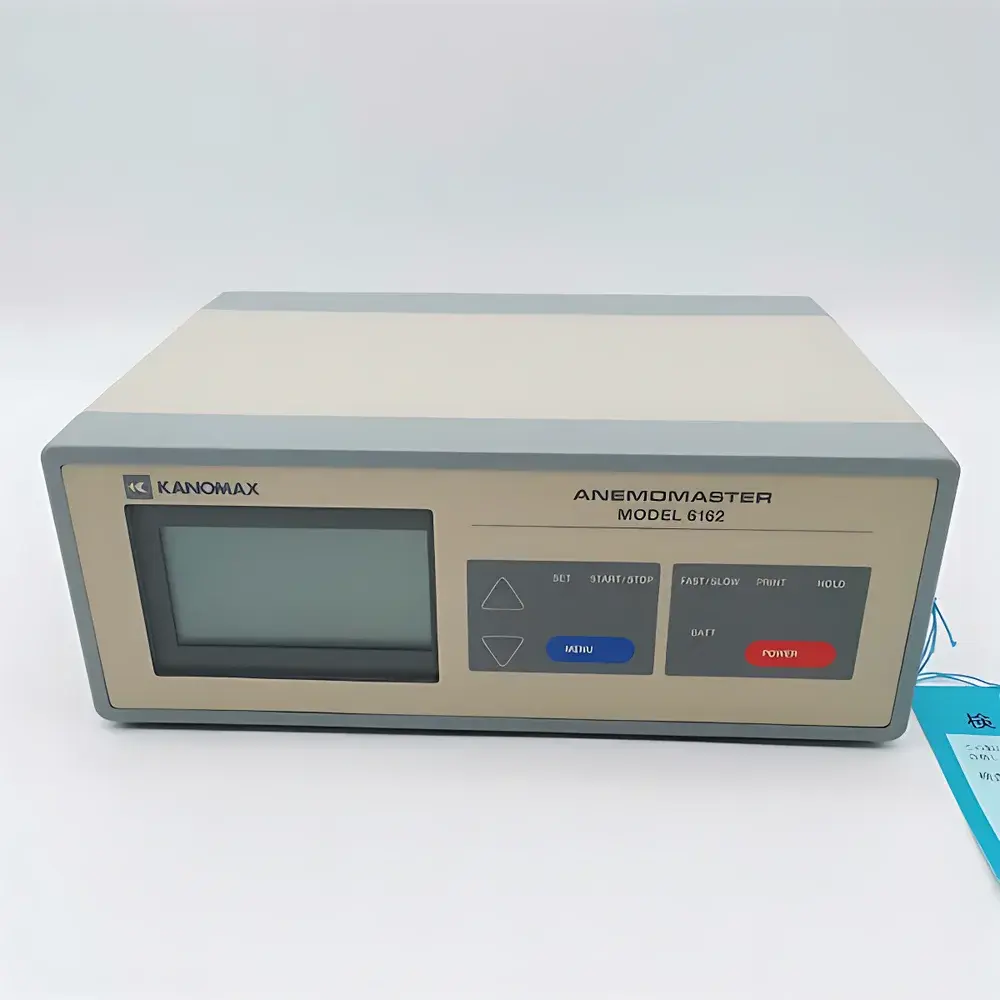
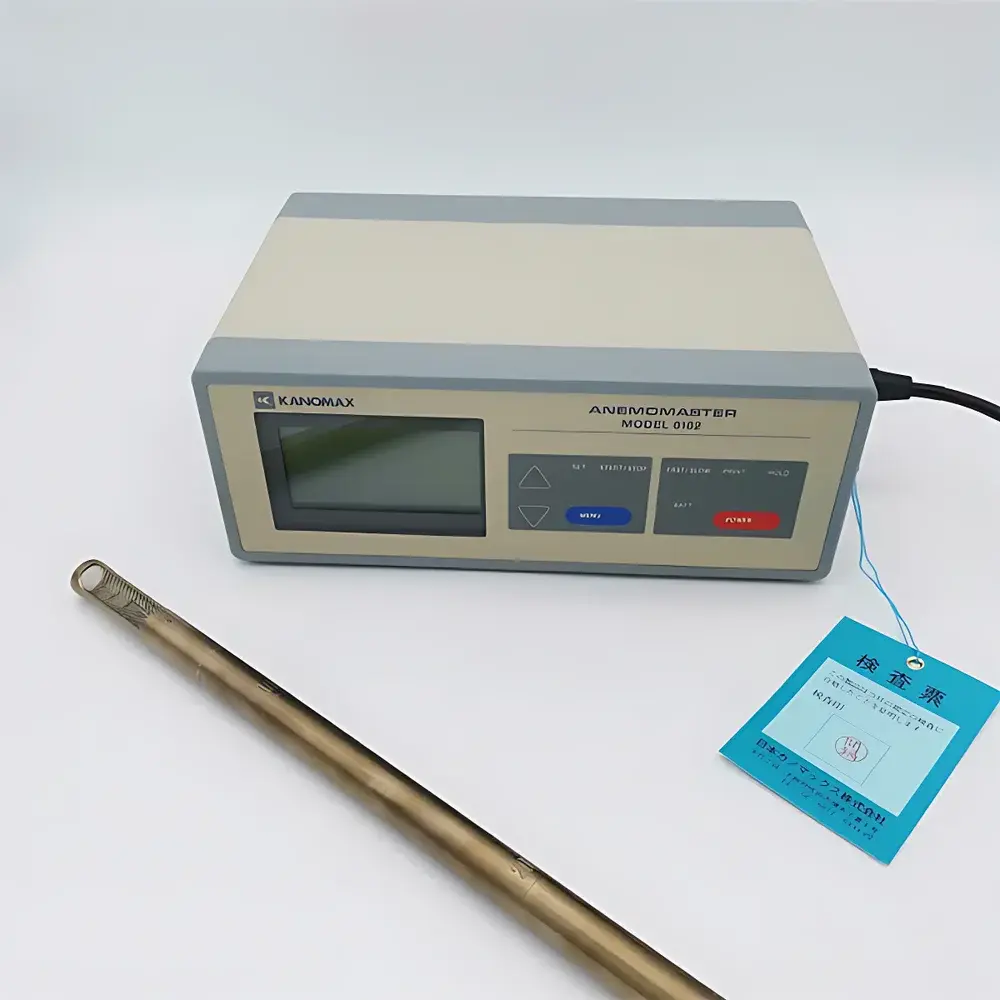
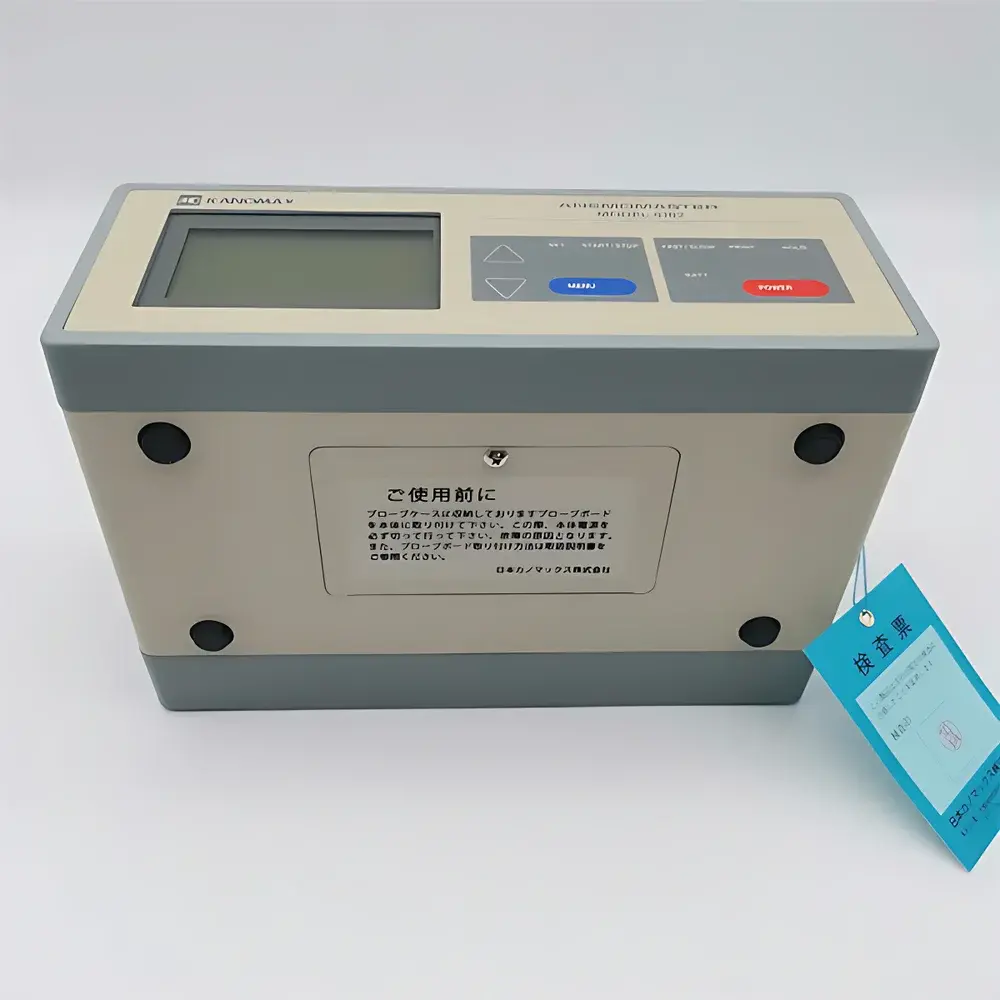
Kanomax 6162 High-Temperature Thermal Anemometer for Engine Exhaust and Industrial Gas Flow Measurement
| Brand | Kanomax |
|---|---|
| Model | 6162 |
| Type | Thermal Anemometer |
| Resolution | 0.01 m/s |
| Velocity Range | 0–50.0 m/s (with temperature-dependent zero-velocity thresholds) |
| Accuracy | ±(1% of reading + 1 °C) for temperature |
| velocity accuracy varies by range | ±0.15 m/s (0–4.99 m/s), ±0.3 m/s (5.00–9.99 m/s), ±0.75 m/s (10.0–24.9 m/s), ±1.5 m/s (25.0–50.0 m/s) |
| Operating Temperature | 0–500 °C (probe-dependent) |
| Humidity Range | 0–100 %RH |
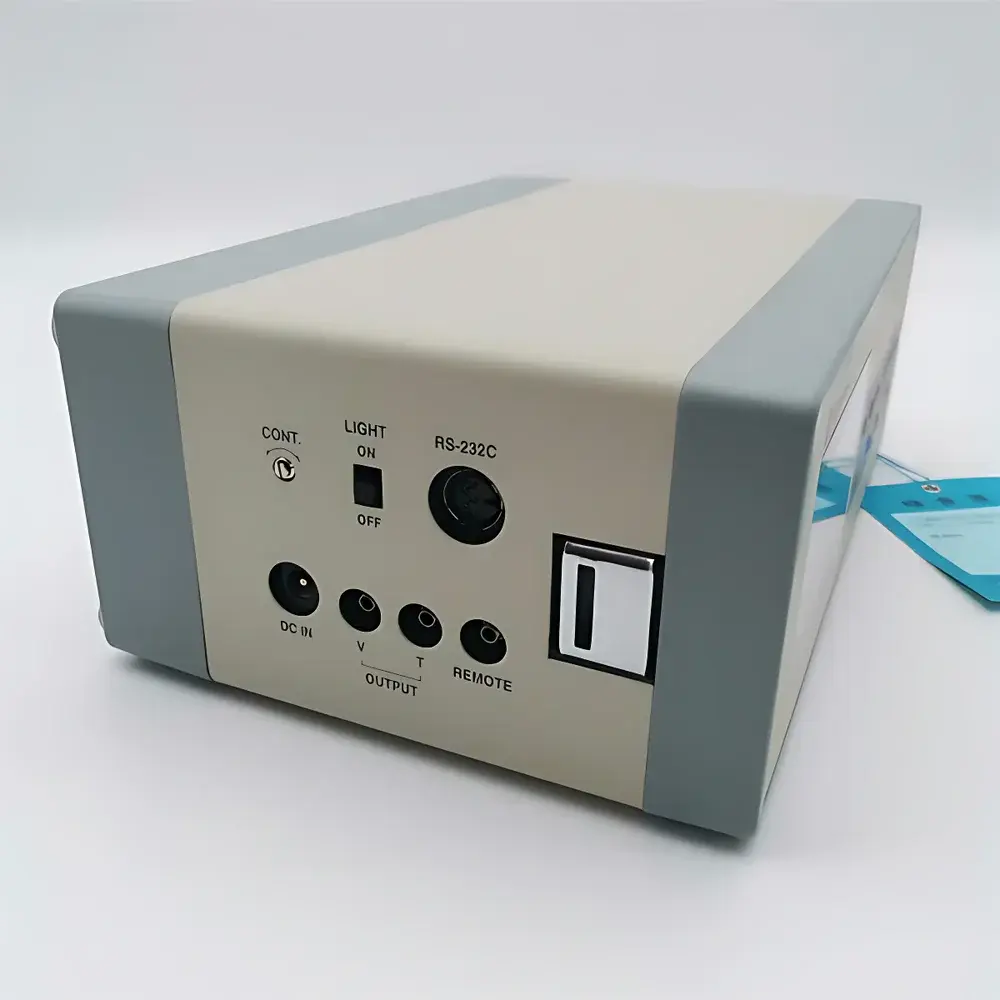
| Output | 0–1 V analog |
| Data Storage | 999 sets with min/max/avg statistics |
| Interface | RS232C |
| Probe Cable | PTFE-insulated, rated to 200 °C |
| Extended Cable | PVC-insulated, rated to 80 °C |
| Power | 6 × 1.5 V AA batteries or 12.5 V DC adapter (450 mA) |
Overview
The Kanomax 6162 is a purpose-engineered thermal anemometer designed for reliable, real-time measurement of gas velocity and temperature in high-temperature industrial exhaust streams—particularly engine exhaust, combustion flue gases, kiln ducts, and thermal process vents. Unlike conventional low-temperature anemometers, the 6162 employs a robust hot-wire sensing principle based on constant-temperature anemometry (CTA), where convective heat loss from a heated sensor element is correlated to mass flow velocity under controlled thermal conditions. Its modular probe architecture supports three interchangeable high-temperature probes (models 0203, 0204, 0205), each rated for distinct operational envelopes (0–200 °C, 0–400 °C, and 0–500 °C), enabling precise adaptation to varying thermal loads without recalibration. The instrument simultaneously acquires velocity and temperature data, and—when combined with user-input cross-sectional area—automatically computes volumetric flow rate (m³/s or CFM), making it suitable for stack testing, emission monitoring pre-screening, and HVAC system commissioning in elevated-temperature environments.
Key Features
- Triple-probe compatibility: Interchangeable PTFE-sheathed probes (Φ11 × 208 mm, Φ14 × 500 mm, Φ14 × 1000 mm) optimized for different temperature ranges and duct geometries
- Temperature-compensated velocity measurement: Zero-velocity threshold dynamically adjusted per temperature band (e.g., V₀ = 0.2 m/s at 0–99 °C; V₀ = 1.0 m/s at 300–400 °C) to maintain signal integrity and reduce noise-induced drift
- Integrated statistical analysis: Onboard calculation of min, max, and average values across up to 999 stored measurement sets
- Industrial-grade analog output: Isolated 0–1 V DC signal proportional to measured velocity, compatible with PLCs, data loggers, and SCADA systems
- RS232C serial interface for bidirectional communication: Enables remote configuration, real-time data streaming, and firmware updates via terminal software
- Robust mechanical design: Main unit (220 × 150 × 85 mm, 1.8 kg) features IP54-rated enclosure; probe cables utilize fluoropolymer insulation for continuous operation up to 200 °C
Sample Compatibility & Compliance
The 6162 is validated for use in non-corrosive, particle-limited gas streams typical of internal combustion engine exhaust (diesel, gasoline, natural gas), boiler flue gases, and industrial drying ovens. It is not intended for abrasive, condensing, or highly corrosive media (e.g., H₂SO₄-laden stacks or wet scrubber outlets) without upstream conditioning. While not certified to IEC 61000-6-2/4 or ATEX, its electrical isolation, grounded chassis, and EMI-resistant cabling meet baseline requirements for laboratory and light industrial deployment. For regulatory reporting, velocity data may support preliminary assessments aligned with EPA Method 2 (stack gas velocity) or ISO 16811:2016 (thermal anemometer performance criteria), though final compliance verification requires traceable calibration against NIST-traceable standards and documented uncertainty budgets per ISO/IEC 17025.
Software & Data Management
Data acquisition and post-processing are supported through Kanomax’s proprietary PC application (Windows-compatible), which enables time-stamped CSV export, trend graphing, and batch statistical reporting. All stored measurements include timestamp, velocity, temperature, and probe ID. Audit trail functionality records parameter changes and memory clear events. Though not FDA 21 CFR Part 11 compliant out-of-the-box, the system supports GLP-aligned workflows when used with controlled access protocols, electronic lab notebook integration, and manual signature logs for calibration verification and field test reports.
Applications
- Engine development labs: Real-time exhaust velocity profiling during transient dynamometer cycles
- Thermal power plant maintenance: Flue gas velocity mapping across economizer and air preheater ducts
- Automotive emissions R&D: Pre-test screening of aftertreatment system inlet/outlet flow uniformity
- Industrial furnace optimization: Combustion air distribution verification in annealing and sintering lines
- Environmental consultancy: Stack characterization prior to permanent CEMS installation
- Academic combustion research: Boundary layer and wake flow studies in high-temperature wind tunnels
FAQ
What is the maximum continuous operating temperature for the longest probe (0205)?
The 0205 probe (Φ14 × 1000 mm) is rated for continuous exposure up to 500 °C; however, ambient electronics housing must remain below 50 °C.
Can the 6162 measure mass flow directly?
No—it measures volumetric velocity and temperature; mass flow requires additional inputs (gas composition, static pressure, and absolute temperature) for density correction.
Is calibration traceable to national standards?
Yes; Kanomax provides optional factory calibration certificates traceable to JCSS (Japan Calibration Service System), with uncertainty statements per ISO/IEC 17025.
Does the device support automatic zeroing at elevated temperatures?
No—zeroing must be performed at ambient conditions before insertion into hot ducts; temperature-dependent offset compensation is applied algorithmically during measurement.
Can data be exported in real time to a DCS?
Yes, via the 0–1 V analog output or RS232C serial stream using Modbus RTU or ASCII protocol (configuration required via PC utility).
Related Products







