
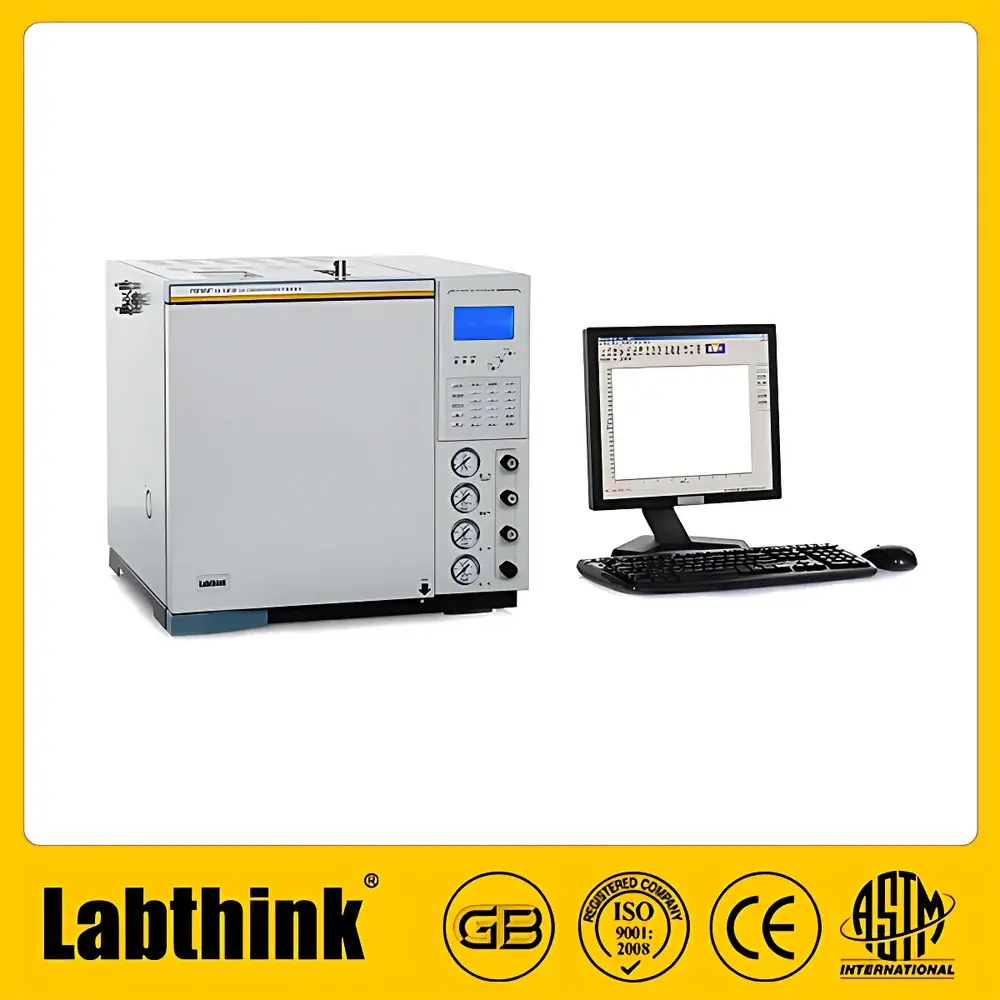
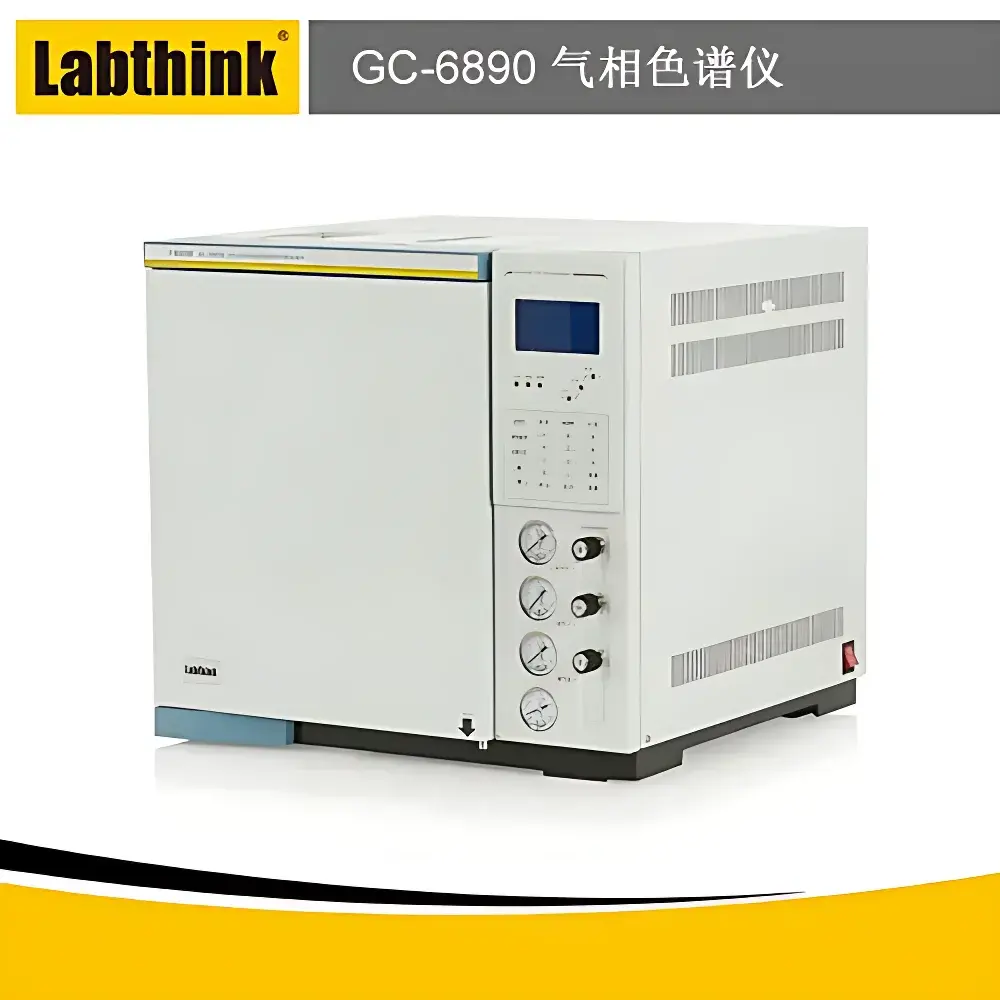
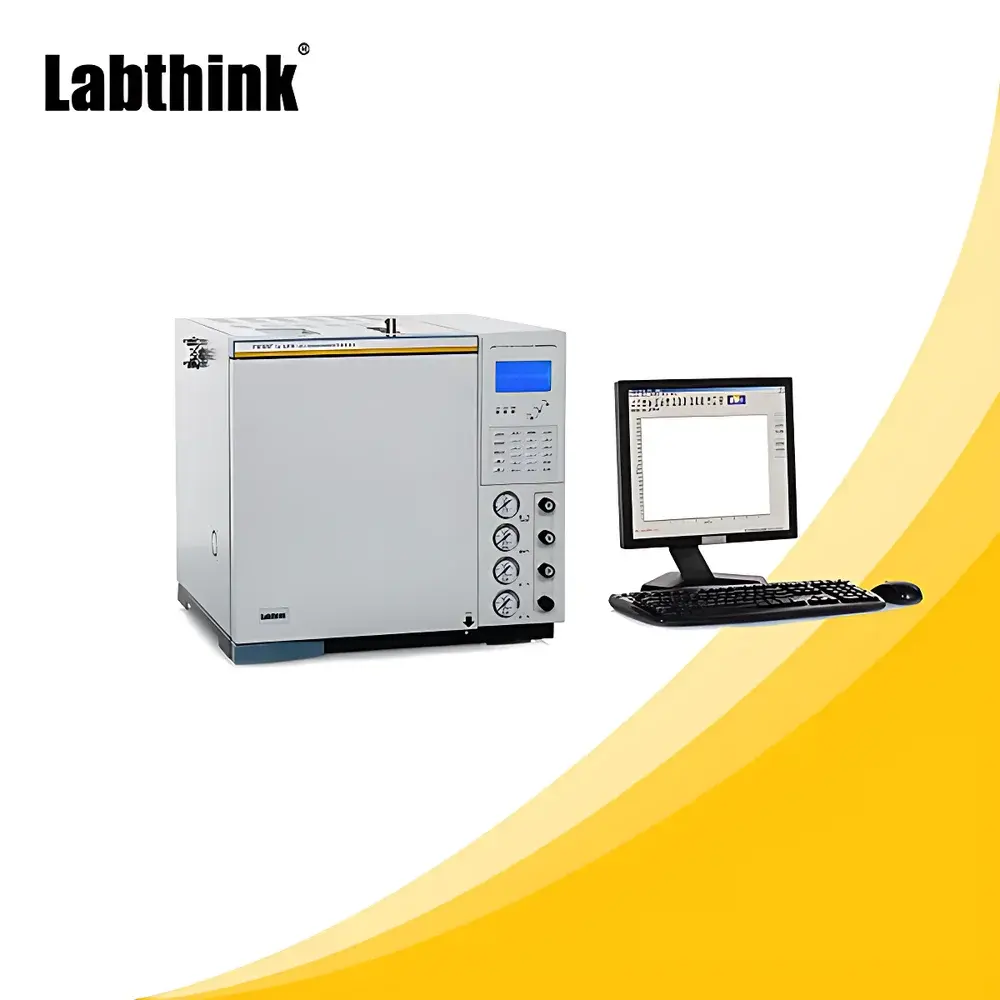
Labthink GC-6890 Ethylene Oxide (EO) Residual Analysis Gas Chromatograph
| Brand | Labthink |
|---|---|
| Model | GC-6890 |
| Origin | Shandong, China |
| Manufacturer Type | Direct Manufacturer |
| Instrument Type | Laboratory Gas Chromatograph |
| Temperature Control Range | Ambient +3°C to 399°C |
| Oven Ramp Rate | 1–30°C/min |
| Cooling Rate | ≤15 min from 300°C to 50°C |
| Compliance | Designed for GB/T 14233.1–2008 and GB/T 16886.7–2001 EO residue testing protocols |
Overview
The Labthink GC-6890 Ethylene Oxide (EO) Residual Analysis Gas Chromatograph is a dedicated laboratory-scale gas chromatographic system engineered for precise, reproducible quantification of residual ethylene oxide in single-use sterile medical devices. It operates on the principle of headspace gas chromatography (HS-GC), wherein EO is extracted from solid or semi-solid samples using aqueous solvent under controlled thermal equilibrium, followed by automated injection of the equilibrated vapor phase into a capillary column. Separation occurs via differential partitioning between the stationary phase (typically polyethylene glycol or cyanopropylphenyl polysiloxane) and mobile carrier gas (helium or nitrogen), with detection achieved via flame ionization detection (FID). This method delivers high sensitivity (sub-ppm detection capability), excellent linearity across clinically relevant concentration ranges (0.1–50 µg/g), and robust inter-laboratory reproducibility—critical for regulatory conformance in ISO 11135–1 and ISO 10993–7 compliant environments.
Key Features
- Thermally stable oven with programmable temperature ramping (1–30°C/min) and rapid cooling (<15 min from 300°C to 50°C), enabling efficient cycle times for high-throughput EO residue screening.
- Precision temperature control (±0.1°C) across the full operating range (ambient +3°C to 399°C), ensuring consistent headspace equilibrium and retention time stability.
- FID detector optimized for low-noise, linear response to volatile organic compounds—including EO—with detection limits conforming to GB/T 14233.1–2008 requirements (≤0.2 µg/g).
- Integrated electronic pressure control (EPC) for carrier gas flow regulation, enhancing retention time repeatability and method transferability between instruments.
- Modular architecture supporting future upgrades including autosampler integration, data integrity modules, and 21 CFR Part 11-compliant software packages.
Dedicated headspace sampler interface compatible with standard 20 mL vials; supports both manual and automated sample introduction workflows.
Sample Compatibility & Compliance
The GC-6890 is validated for analysis of EO residues in a broad spectrum of sterilized medical devices, including but not limited to: syringes, infusion sets, blood transfusion sets, plasma separation cups, leukocyte reduction filters, urinary catheters, surgical masks, protective gowns, plasma bags, blood collection tubes, tissue expanders, implantable drug delivery systems, and absorbent cotton products. All testing procedures align with the mandatory Chinese national standards GB/T 14233.1–2008 (“Test methods for infusion, transfusion, and injection equipment—Part 1: Chemical tests”) and GB/T 16886.7–2001 (“Biological evaluation of medical devices—Part 7: Ethylene oxide sterilization residuals”). The system’s performance characteristics meet the analytical validation criteria outlined in ISO/IEC 17025 for calibration, precision, accuracy, specificity, and limit of quantitation—supporting GLP and GMP-aligned quality control laboratories.
Software & Data Management
Controlled via Labthink’s proprietary ChromaSoft™ GC workstation, the GC-6890 provides full method development, sequence management, real-time chromatogram visualization, peak integration, and calibration curve generation. Raw data files are stored in vendor-neutral formats (e.g., .CDF) with embedded audit trails, user access logs, and electronic signature support. Optional configurations include 21 CFR Part 11 compliance modules featuring role-based permissions, electronic signatures with biometric or PKI authentication, and immutable record archiving—enabling seamless integration into regulated QC/QA workflows subject to FDA, NMPA, or MDR audits.
Applications
- Quantitative determination of residual EO in finished medical devices post-sterilization.
- Process validation and routine monitoring of EO sterilization cycles in contract manufacturing organizations (CMOs).
- Stability studies assessing EO desorption kinetics during shelf-life evaluation.
- Comparative analysis of EO clearance efficiency across packaging materials (e.g., Tyvek® vs. medical-grade paper).
- Supporting biological safety assessments per ISO 10993–7, particularly for Class IIb and Class III implantables.
- Root cause investigation of non-conforming EO levels in released product batches.
FAQ
What extraction solvent is recommended for EO residue testing?
Deionized water is specified in GB/T 14233.1–2008 as the primary extraction medium; alternative solvents such as saline or buffer solutions may be used only after method verification.
Is derivatization required prior to GC analysis?
No—EO is sufficiently volatile and thermally stable for direct headspace analysis without chemical derivatization.
Can this instrument be used for other residual solvents besides EO?
Yes; with appropriate column selection and method optimization, the GC-6890 supports analysis of chloroform, methylene chloride, and other sterilant residuals commonly encountered in medical device manufacturing.
What is the typical analysis time per sample?
A complete HS-GC run—including equilibration, injection, separation, and data processing—requires approximately 12–18 minutes depending on oven program parameters.
Does the system support external headspace autosamplers?
Yes; the GC-6890 features standard RS-232 and LAN interfaces compatible with third-party headspace autosamplers meeting ASTM D6866 or ISO 11464 specifications.
Related Products





