
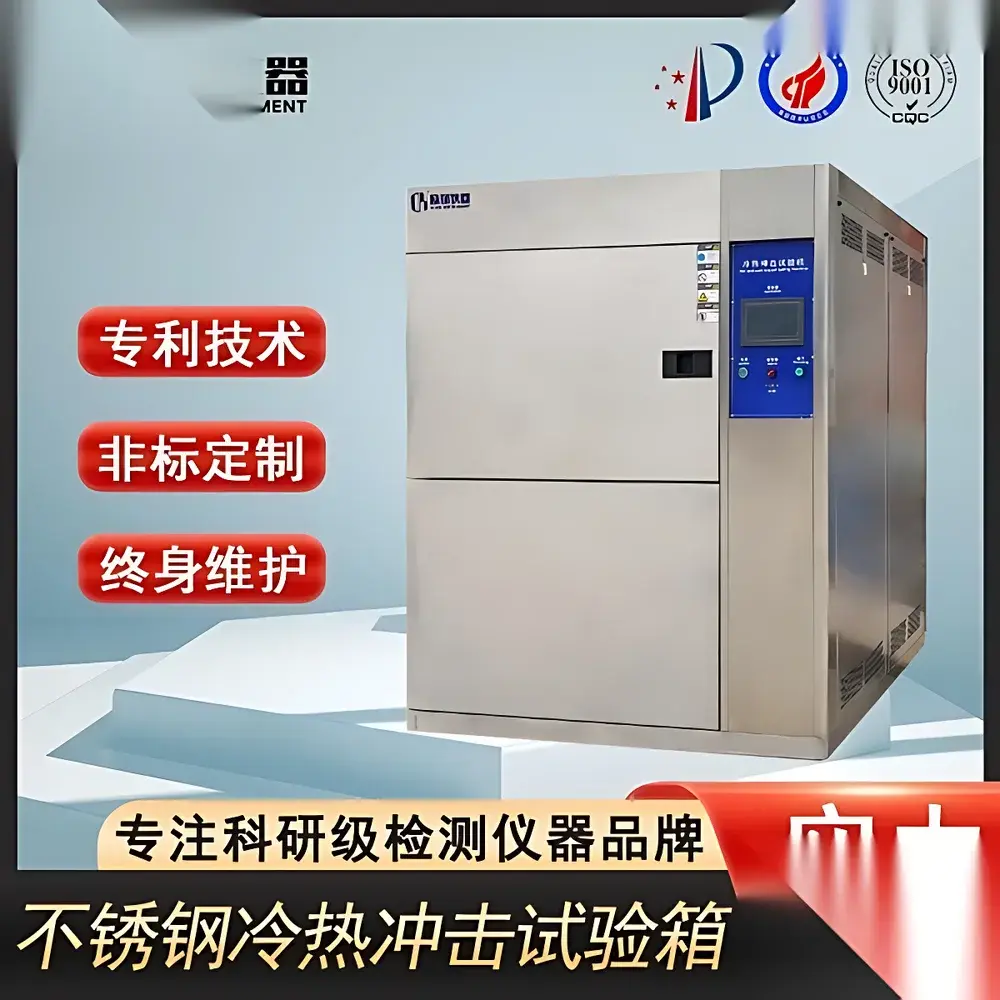
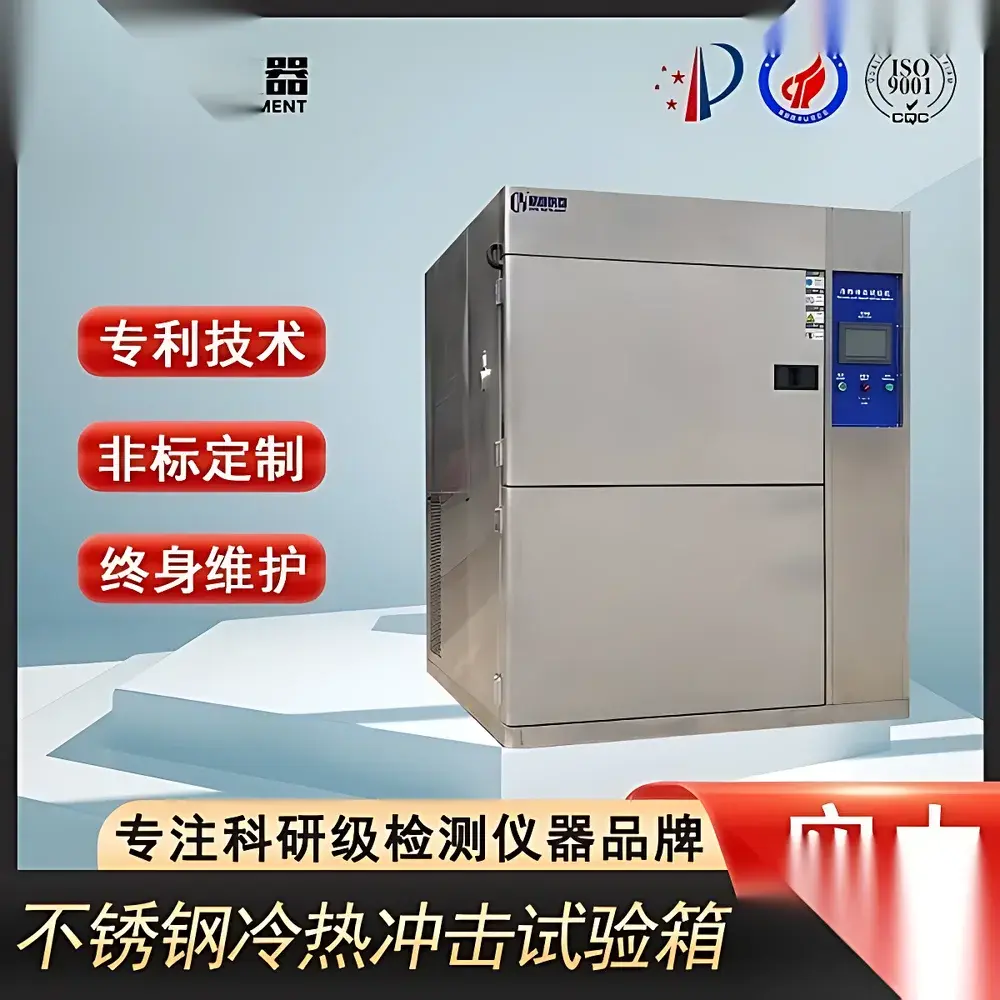
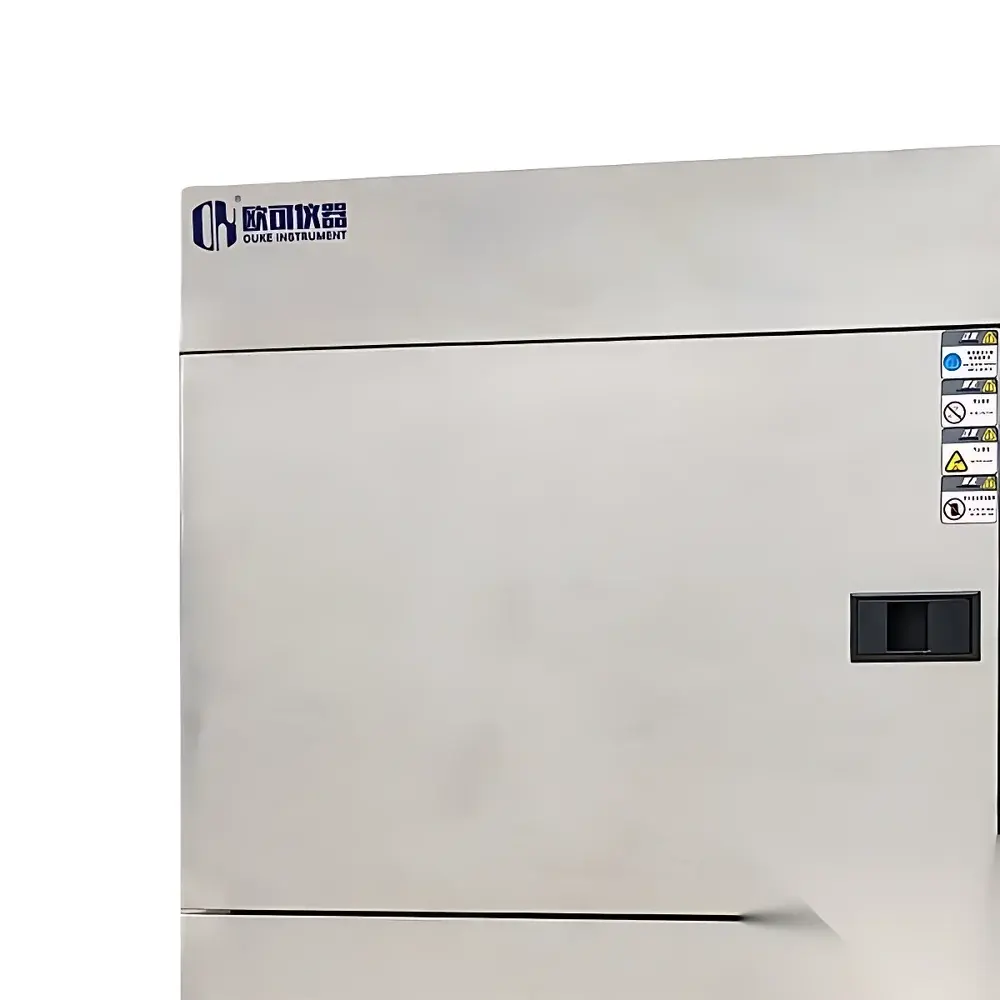
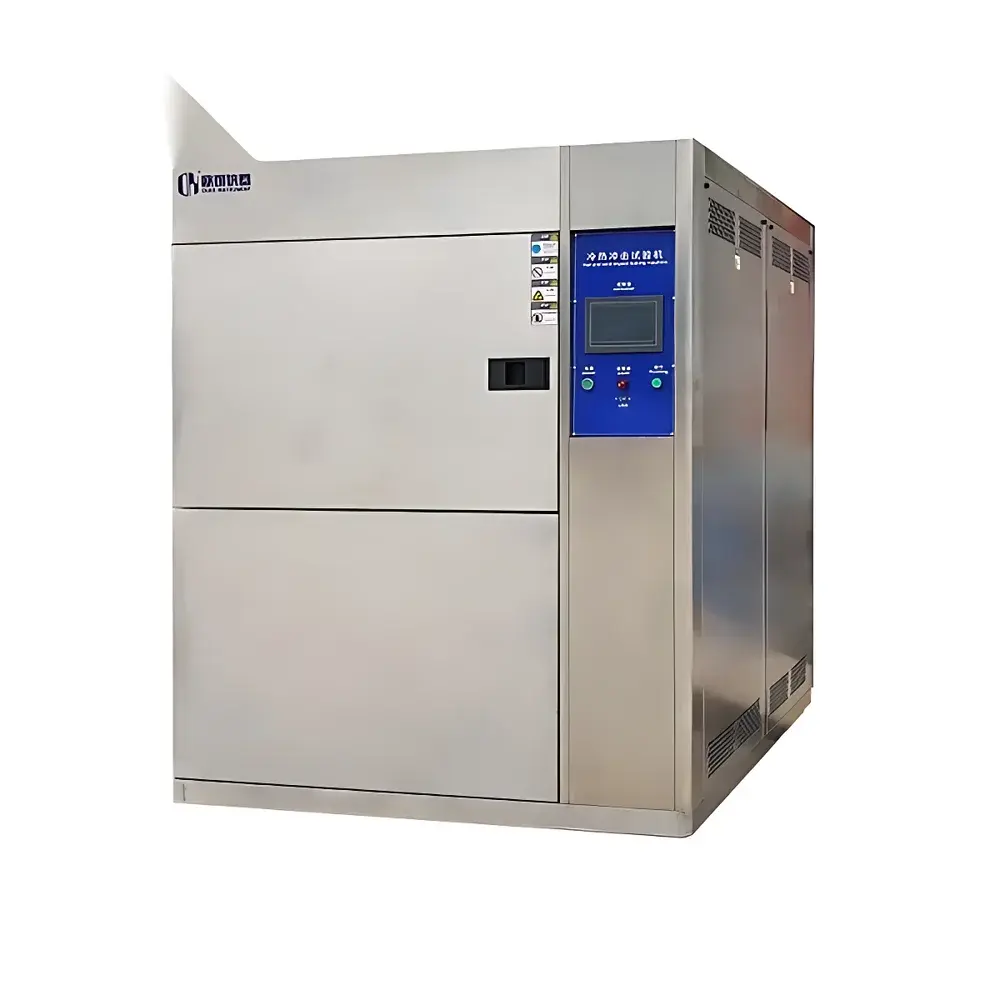
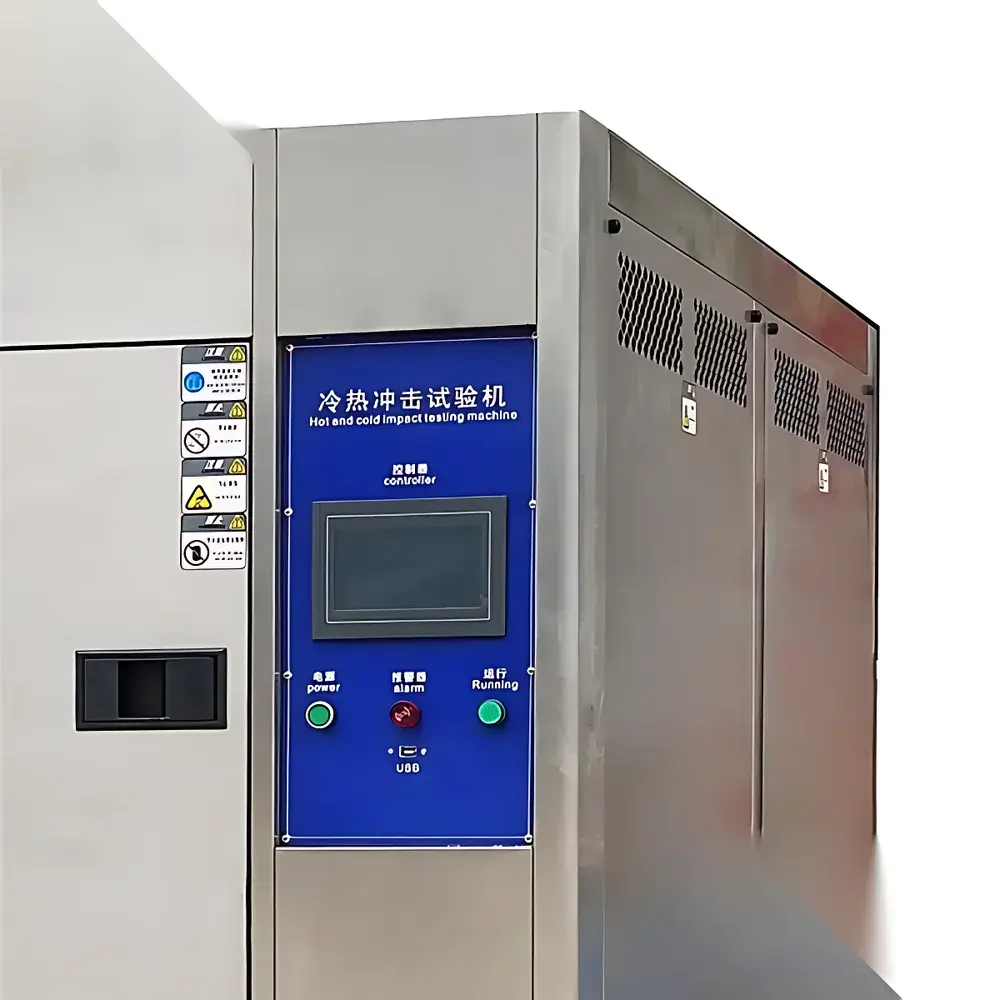
Quick Temperature Shock Test Chamber
| Brand | Other Brands |
|---|---|
| Origin | Imported |
| Manufacturer Type | General Distributor |
| Price | USD 11,200 (FOB) |
Overview
The Quick Temperature Shock Test Chamber is an engineered environmental simulation system designed to evaluate the reliability and structural integrity of materials and components under rapid, extreme thermal transitions. Operating on the principle of controlled thermal inertia transfer—either via dual-chamber air movement (two-box configuration) or independent thermal reservoirs with automated specimen transfer (three-box configuration)—this chamber subjects test specimens to repeated, high-rate temperature excursions between predefined hot and cold extremes. Unlike standard thermal cycling chambers, it achieves transition times as low as 10–15 seconds between −65 °C and +150 °C (typical range), enabling accelerated assessment of thermo-mechanical stress responses such as interfacial delamination, solder joint fatigue, sealant cracking, and coefficient-of-thermal-expansion (CTE) mismatch failure modes. It is widely deployed in R&D labs, quality assurance departments, and third-party certification facilities supporting electronics manufacturing, aerospace component validation, automotive electronics qualification, and polymer packaging development.
Key Features
- Two-box and three-box configurations available: Two-box systems utilize a motor-driven transfer basket moving specimens between isolated high-temperature and low-temperature zones; three-box systems maintain dedicated hot soak, cold soak, and test chambers for higher repeatability and minimized thermal cross-contamination.
- High-speed thermal transition: Achieves ≤15 s transfer time between extreme setpoints, with typical temperature ramp rates exceeding 30 °C/min within the test zone during active dwell phases.
- Precision-controlled temperature ranges: Standard operating range from −70 °C to +180 °C (customizable to −80 °C/+200 °C upon request), with stability maintained at ±0.5 °C and uniformity within ±2.0 °C across the working volume.
- Intelligent controller with programmable profiles: Touchscreen HMI supports up to 99 user-defined test cycles, each comprising multiple segments (soak, transfer, dwell, recovery) with adjustable dwell durations, transition triggers, and safety interlocks.
- Robust chamber construction: Inner chamber fabricated from SUS304 stainless steel; insulated with high-density polyurethane foam (≥150 mm thickness); double-glazed observation window with electric defrosting function.
- Comprehensive safety architecture: Includes over-temperature/over-pressure cutouts, refrigerant leak detection, door safety switches, real-time compressor monitoring, and emergency power-off circuitry compliant with IEC 61000-6-2 and IEC 61000-6-4.
Sample Compatibility & Compliance
The chamber accommodates test specimens up to 500 mm × 500 mm × 500 mm (W×D×H) in standard configurations, with optional extended-volume models supporting larger assemblies. Compatible with PCBs, IC packages, MEMS devices, battery modules, elastomeric gaskets, composite laminates, and molded plastic housings. Designed and validated to meet the technical requirements of multiple international and military standards, including:
- IEC 60068-2-14: Environmental testing – Part 2-14: Tests – Test N: Change of temperature
- MIL-STD-810H Method 503.5: Temperature Shock
- GJB 150.5A-2009: Military Standard – Environmental Test Methods for Equipment – Part 5: Temperature Shock Test
- GB/T 2423.22–2012: Environmental testing – Part 2: Tests – Test N: Change of temperature
- GB/T 10592–2008: High-low temperature test chambers – Technical conditions
- USP <1207> and ISO 11607-1: Applicable for accelerated aging validation of sterile barrier systems when integrated into qualified protocols.
All units undergo factory calibration traceable to NIST-certified reference standards, with optional on-site verification and IQ/OQ documentation packages available for GLP/GMP-regulated environments.
Software & Data Management
Built-in data logging records temperature, time, cycle count, alarm status, and chamber state variables at user-selectable intervals (1–60 s). Export formats include CSV and PDF reports compatible with LIMS integration. Optional PC-based software (ChamberLink Pro) provides remote monitoring, real-time graphing, multi-chamber fleet management, and audit-trail-enabled user access control—fully compliant with FDA 21 CFR Part 11 requirements when configured with electronic signatures and role-based permissions. Historical data retention supports ≥12 months of continuous operation without external storage.
Applications
- Qualification of surface-mount technology (SMT) assemblies per IPC-J-STD-020 and JEDEC JESD22-A104
- Validation of automotive ECUs under ISO 16750-4 (road vehicles – environmental conditions)
- Reliability screening of aerospace avionics per RTCA DO-160 Section 4.3
- Accelerated life testing of lithium-ion battery cells and modules
- Evaluation of adhesive bond strength and coating adhesion under thermal stress
- Pre-compliance screening for IEC 61215 (photovoltaic modules) and IEC 62133 (secondary cells)
FAQ
What is the difference between two-box and three-box thermal shock configurations?
The two-box design uses a single transfer basket moving samples between hot and cold zones; the three-box system isolates test, hot soak, and cold soak chambers—reducing thermal lag and improving profile fidelity.
Can this chamber be used for HALT or HASS testing?
While not a dedicated HALT system, its rapid transition capability and wide temperature range support early-stage robustness screening when combined with vibration inputs via external shakers.
Is remote monitoring supported out of the box?
Yes—standard Ethernet interface enables web-based status viewing; full remote control and data export require optional ChamberLink Pro license.
Does the system comply with FDA 21 CFR Part 11 for electronic records?
Yes—when equipped with validated software, audit trail, and electronic signature modules, it meets Part 11 requirements for regulated pharmaceutical and medical device applications.
What maintenance intervals are recommended?
Compressor oil and filter replacement every 2,000 operating hours; annual calibration verification; quarterly inspection of door seals and sensor mounting integrity.



