
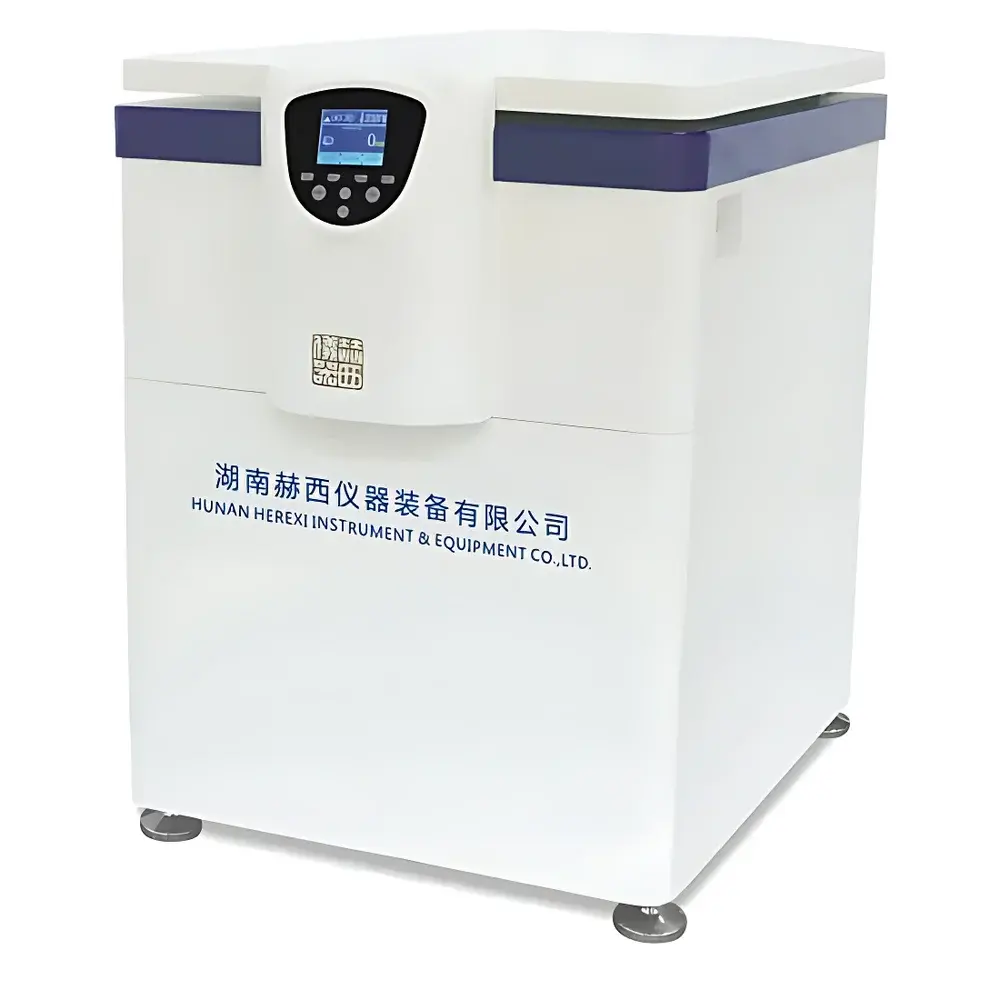
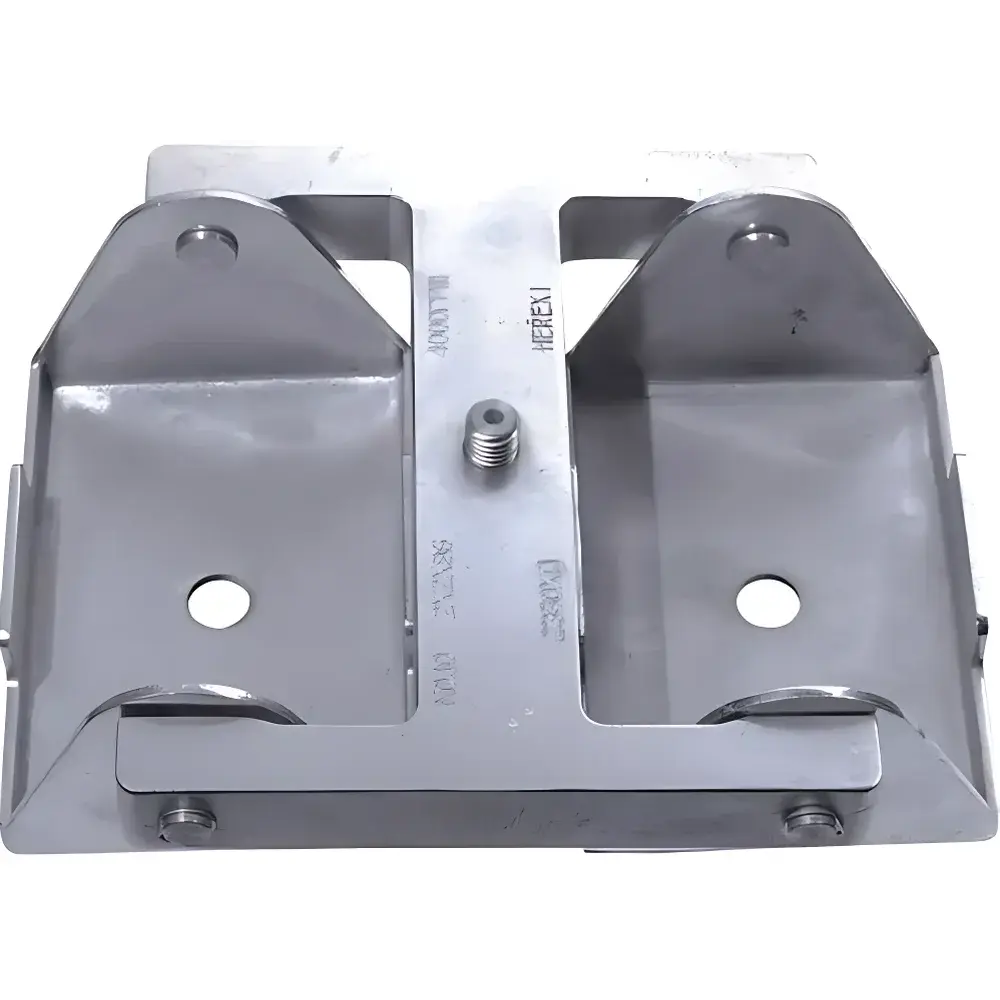
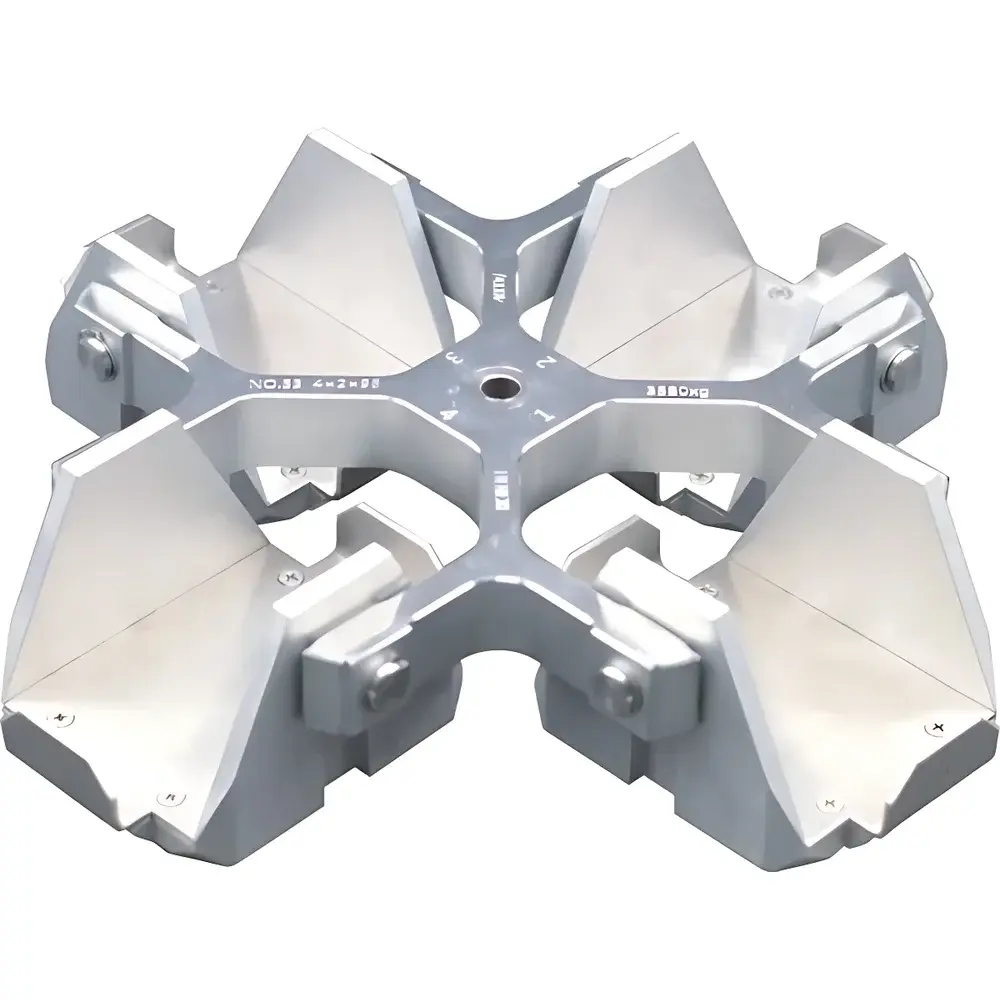
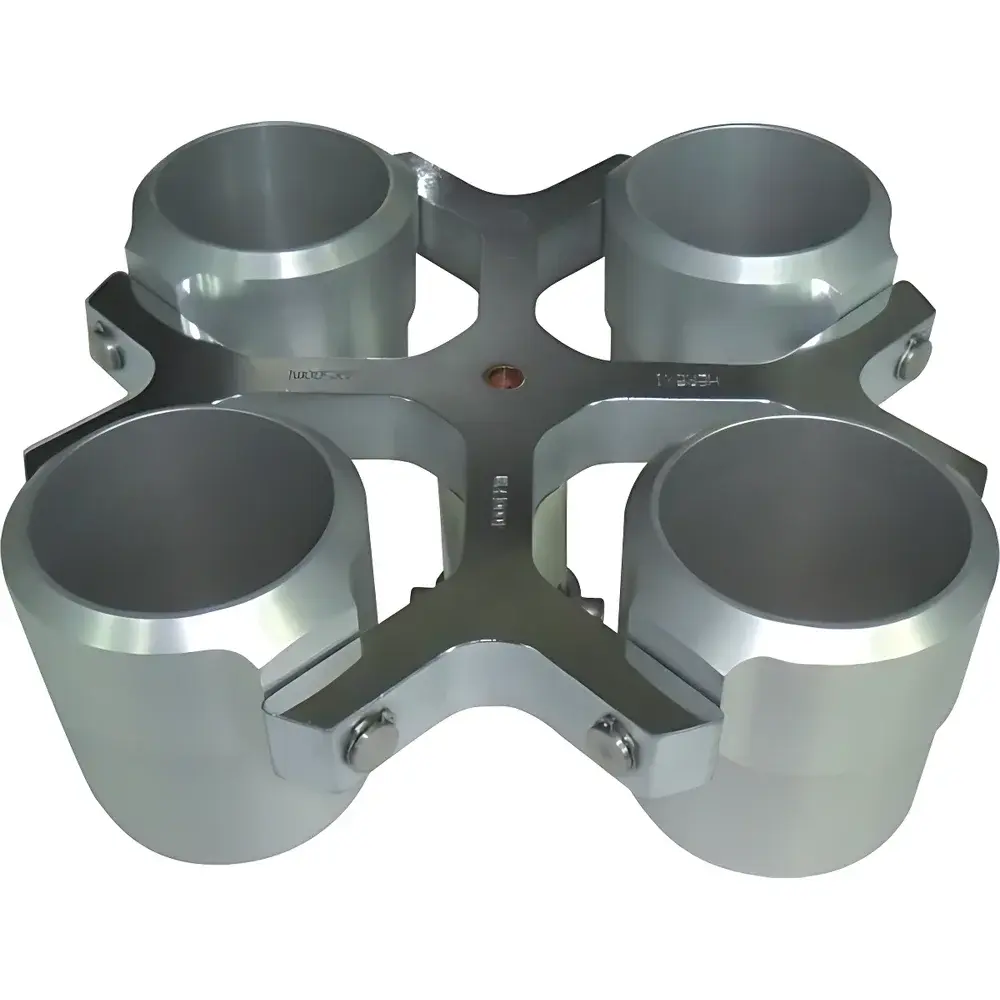
Hesiy HR/T20MM Floor-standing High-speed Refrigerated Centrifuge with Horizontal Mold Reaction Plate Rotor
| Brand | Hesiy |
|---|---|
| Origin | Hunan, China |
| Model | HR/T20MM |
| Instrument Type | Floor-standing refrigerated centrifuge |
| Speed Range | 10,000–20,600 rpm |
| Max RCF | 29,280 ×g |
| Max Capacity | 4 × 750 mL (horizontal rotor) |
| Temperature Range | −20 °C to +40 °C |
| Temp. Accuracy | ±1 °C |
| Noise Level | ≤65 dB(A) |
| Dimensions (W×D×H) | 710 × 560 × 770 mm |
| Weight | 150 kg |
| Power Supply | AC 220 V, 50 Hz |
| Motor | Brushless AC frequency-controlled motor |
| Certifications | ISO 9001:2015, ISO 13485:2016, CFDA registered |
| Compliance | RoHS 2015/863 (silicone O-ring sealing) |
| Rotor Auto-ID | Yes |
| Acceleration/Deceleration | 10 programmable rates |
| Programmable Methods | 20 user-defined protocols |
Overview
The Hesiy HR/T20MM is a floor-standing high-speed refrigerated centrifuge engineered for demanding separation workflows in bioscience, clinical diagnostics, pharmaceutical development, food safety testing, and agricultural research laboratories. It operates on the principle of sedimentation under controlled centrifugal force, enabling efficient pelleting of cells, bacteria, subcellular organelles, viruses, and macromolecular complexes. Its integrated refrigeration system—using R404a-free compressor technology—maintains precise thermal stability during prolonged high-speed runs, critical for preserving thermolabile biomolecules and ensuring reproducible pellet integrity. Designed for high-throughput applications, the HR/T20MM accommodates up to 4 × 750 mL in its standard horizontal rotor configuration and supports specialized horizontal mold reaction plate rotors (2×2×96-well and 4×2×96-well formats), making it uniquely suited for mycological assays, ELISA-based pathogen screening, and standardized microbial growth monitoring per CLSI M38 and EUCAST guidelines.
Key Features
- 4.3-inch TFT true-color touchscreen interface with dual-control logic: simultaneous real-time display of setpoints (speed, time, temperature, acceleration/deceleration rate) and actual running parameters.
- High-torque brushless AC frequency-controlled motor driven by Microchip dsPIC30F microcontroller and Fairchild FSBB30CH intelligent power modules—ensuring low electromagnetic interference, extended service life, and <±50 rpm speed accuracy at maximum load.
- Multi-layer safety architecture: automatic rotor recognition, imbalance detection with auto-shutdown, overspeed and overtemperature protection, and passive vibration damping via composite elastomeric mounts.
- Biocontainment-certified horizontal rotors with integrated silicone O-ring seals compliant with EU RoHS Directive 2015/863—preventing aerosol leakage during high-speed spinning of fungal cultures or clinical specimens.
- Electromechanical door lock system with quiet actuation and fail-safe interlock; stainless steel 304 centrifuge chamber, powder-coated steel housing, and triple-layer reinforced front panel for structural rigidity and operator protection.
- Full programmability: 20 pre-stored methods, 10-step acceleration/deceleration ramp control, and timer range from 1 minute to 99 hours 59 minutes—supporting overnight density gradient ultracentrifugation and multi-stage fractionation protocols.
Sample Compatibility & Compliance
The HR/T20MM accepts a broad spectrum of sample containers—including conical-bottom and flat-bottom 250 mL tubes, 50 mL polypropylene tubes, 1.5/2.0 mL microcentrifuge tubes, 15 mL conical tubes, vacuum blood collection tubes (19 × 5 mL format), and standardized 96-well microplates (including horizontal mold reaction plates for fungal growth kinetics). All rotors are validated for use under GLP-compliant workflows and meet ISO 13485:2016 requirements for in vitro diagnostic device manufacturing environments. The instrument’s temperature control system adheres to ASTM E2500-13 for thermal performance verification, while its mechanical safety design conforms to IEC 61010-2-020 (2016) for laboratory centrifuges. CFDA registration confirms regulatory alignment with China’s medical device classification framework for Class II instruments used in clinical sample processing.
Software & Data Management
While the HR/T20MM operates as a standalone instrument with embedded firmware, its parameter logging capability supports audit-ready documentation per FDA 21 CFR Part 11 when paired with external LIMS integration via RS-232 or optional USB data export. Each run records timestamped metadata—including rotor ID, speed history, temperature profile, acceleration curve, and fault codes—enabling full traceability for quality assurance audits. Firmware updates are performed via secure USB interface, with version history retained in non-volatile memory. No cloud connectivity or proprietary software installation is required, minimizing IT infrastructure dependencies and cybersecurity exposure in regulated lab settings.
Applications
- Microbial cell harvesting: rapid concentration of filamentous fungi (e.g., Aspergillus, Penicillium) and yeasts (e.g., Candida albicans) from liquid culture media at 4,000 rpm with minimal shear-induced hyphal fragmentation.
- Clinical specimen processing: plasma separation from whole blood using vacuum tube adapters; PBMC isolation via Ficoll gradients at 1,200 ×g for immunology studies.
- Vaccine and biologics manufacturing: clarification of bacterial lysates and purification of viral vectors using fixed-angle rotors capable of >29,000 ×g.
- Food microbiology: enumeration of spoilage molds and yeasts in dairy, juice, and grain matrices using standardized 96-well plate protocols aligned with ISO 21527-1.
- Agricultural biotechnology: extraction and concentration of plant-derived exosomes and extracellular vesicles from tissue homogenates.
FAQ
Does the HR/T20MM support validation documentation for GMP environments?
Yes—the instrument includes factory calibration certificates traceable to NIST standards, and its ISO 13485:2016 certification enables IQ/OQ protocol development for pharmaceutical and diagnostic manufacturing sites.
Can the horizontal mold reaction plate rotor be autoclaved?
No—rotor bodies are constructed from aluminum alloy with anodized surface treatment; only the silicone O-rings comply with autoclave-compatible materials per ISO 17664. Cleaning must follow manufacturer-recommended ethanol wipe-down procedures.
What is the minimum ambient temperature required for stable −20 °C operation?
The unit requires ambient conditions between +15 °C and +32 °C with ≤70% relative humidity for consistent sub-zero chamber performance. Installation in air-conditioned labs is strongly recommended.
Is rotor imbalance detection active during acceleration and deceleration phases?
Yes—imbalance sensing operates continuously across all operational phases, triggering immediate shutdown if deviation exceeds ±3 g across any axis, as verified per EN 61000-6-3 EMC compliance testing.



