
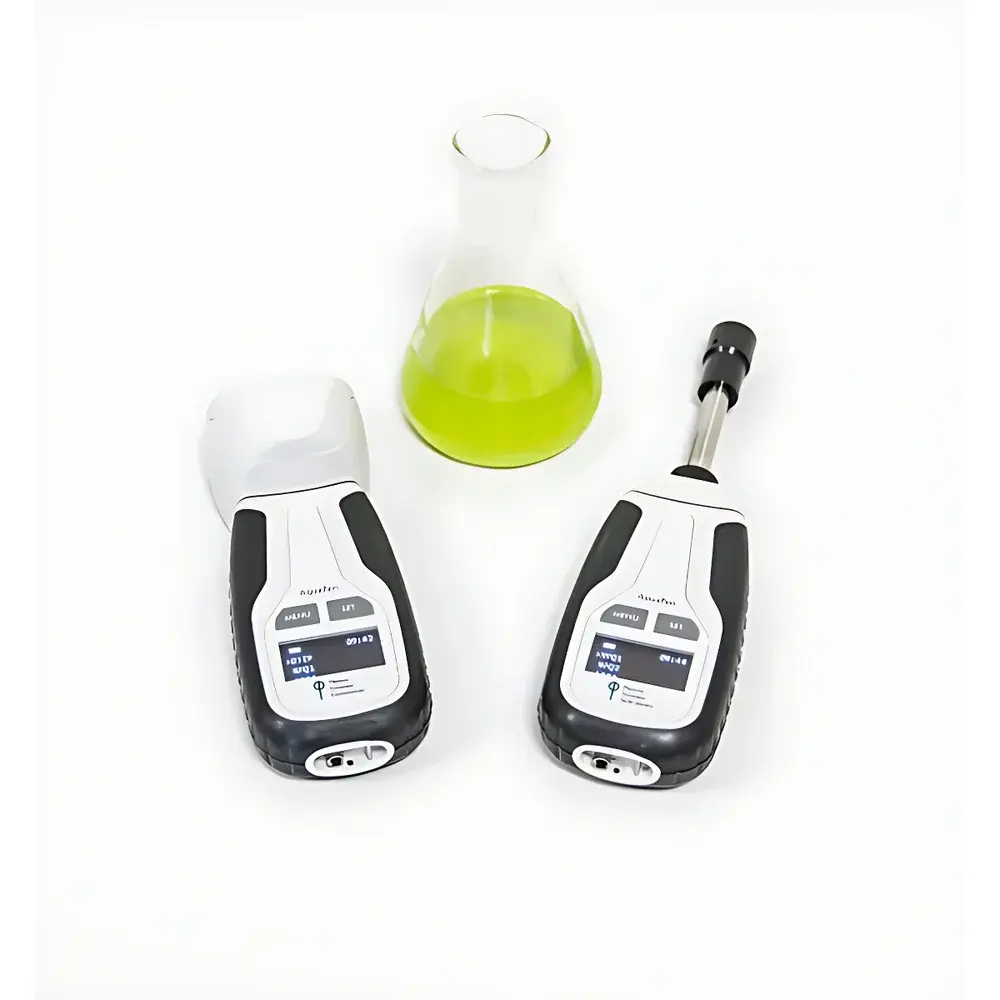
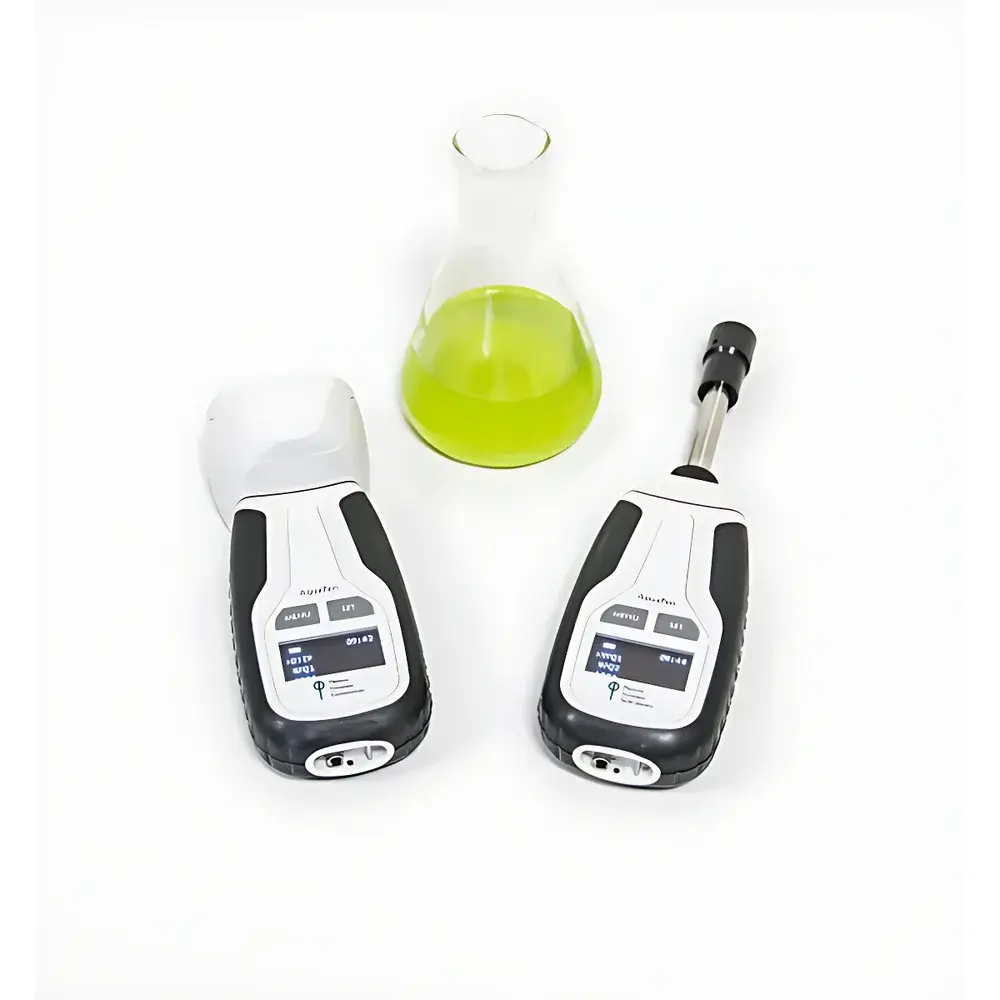
PSI AquaPen AP110 Handheld Algal Chlorophyll Fluorometer
| Brand | PSI (Czech Republic) |
|---|---|
| Model | AquaPen AP110 |
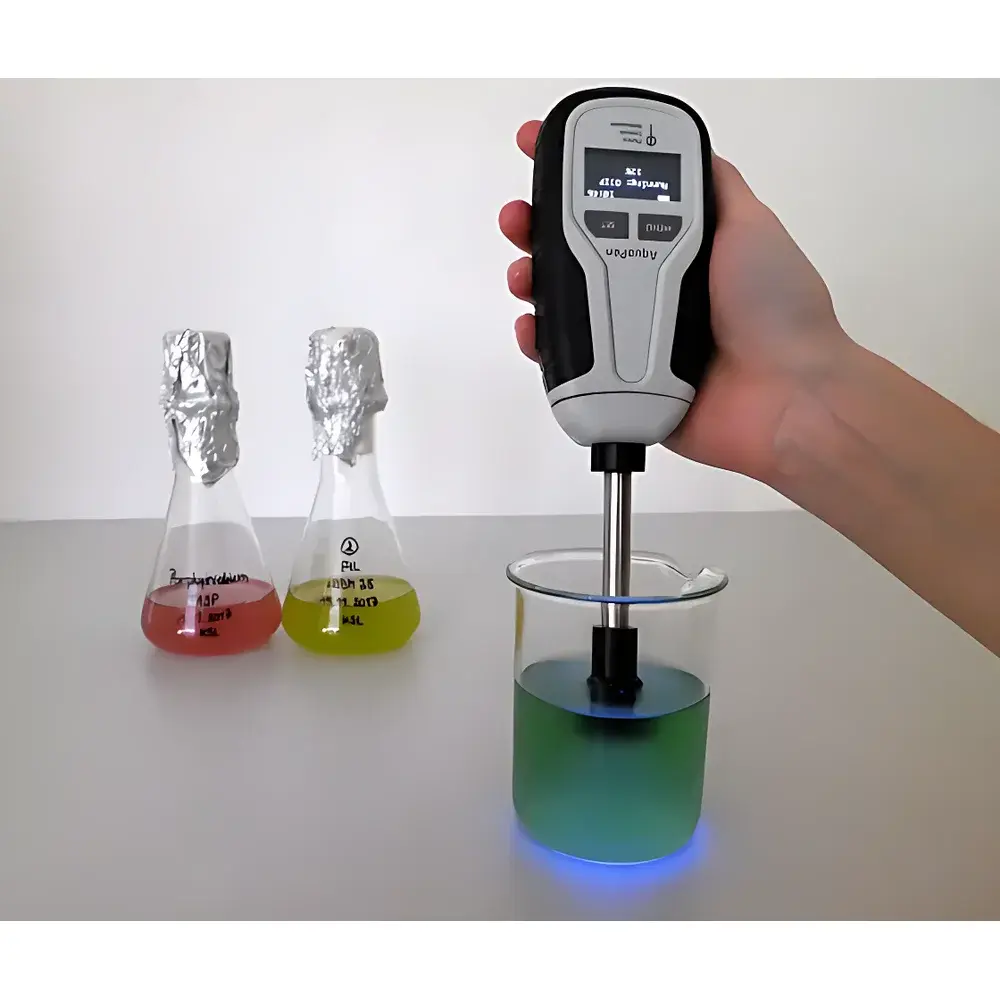
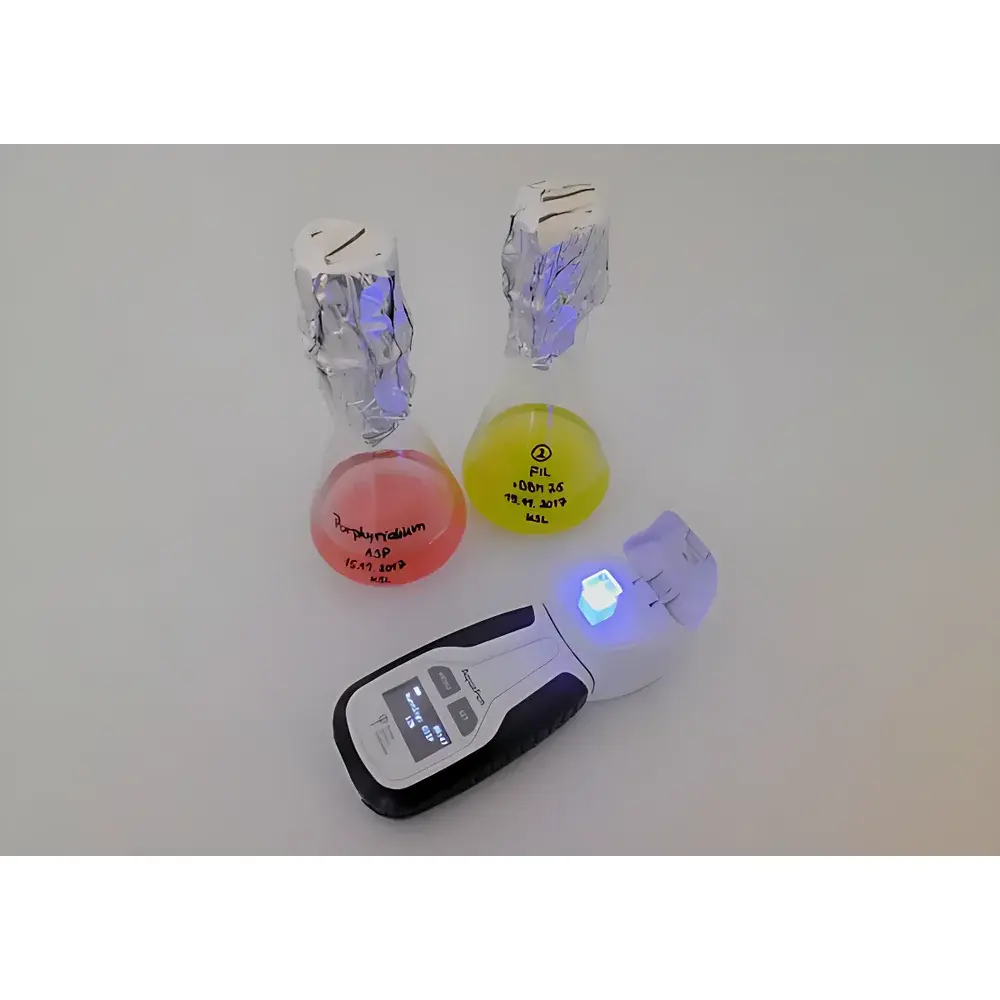
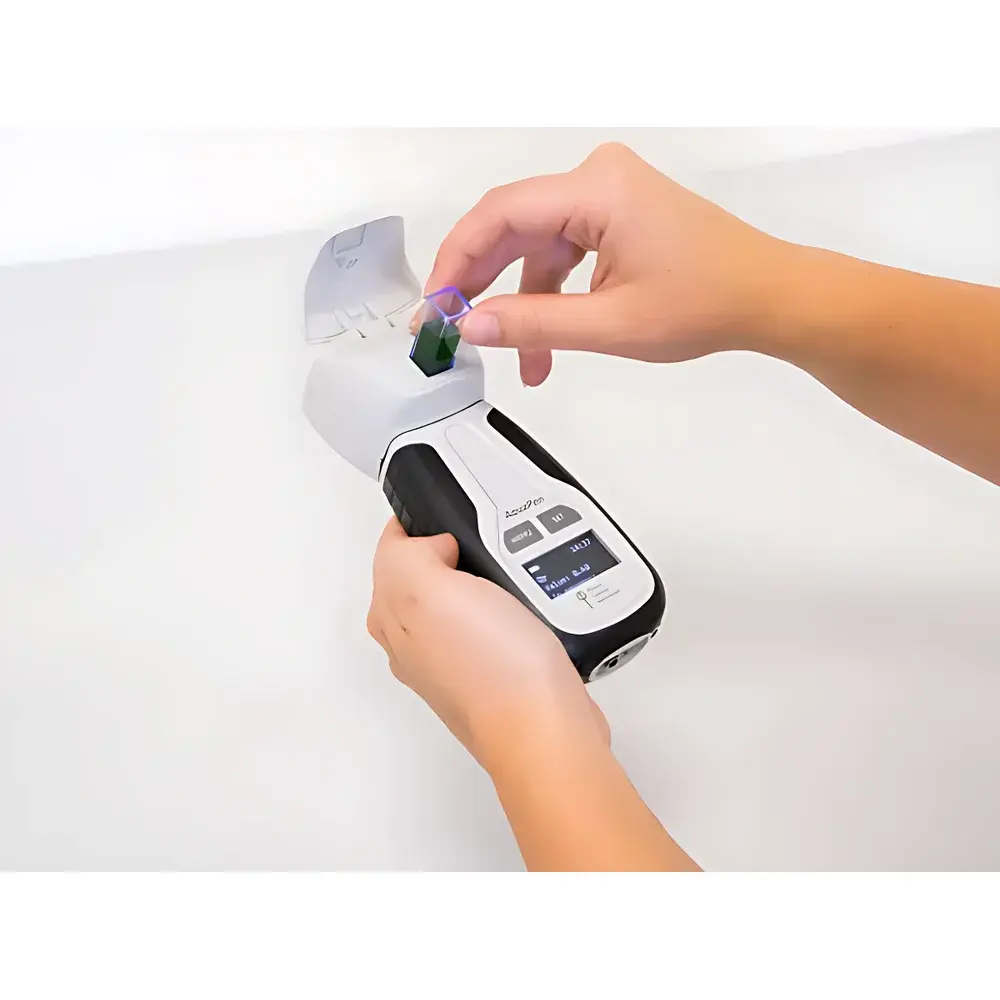
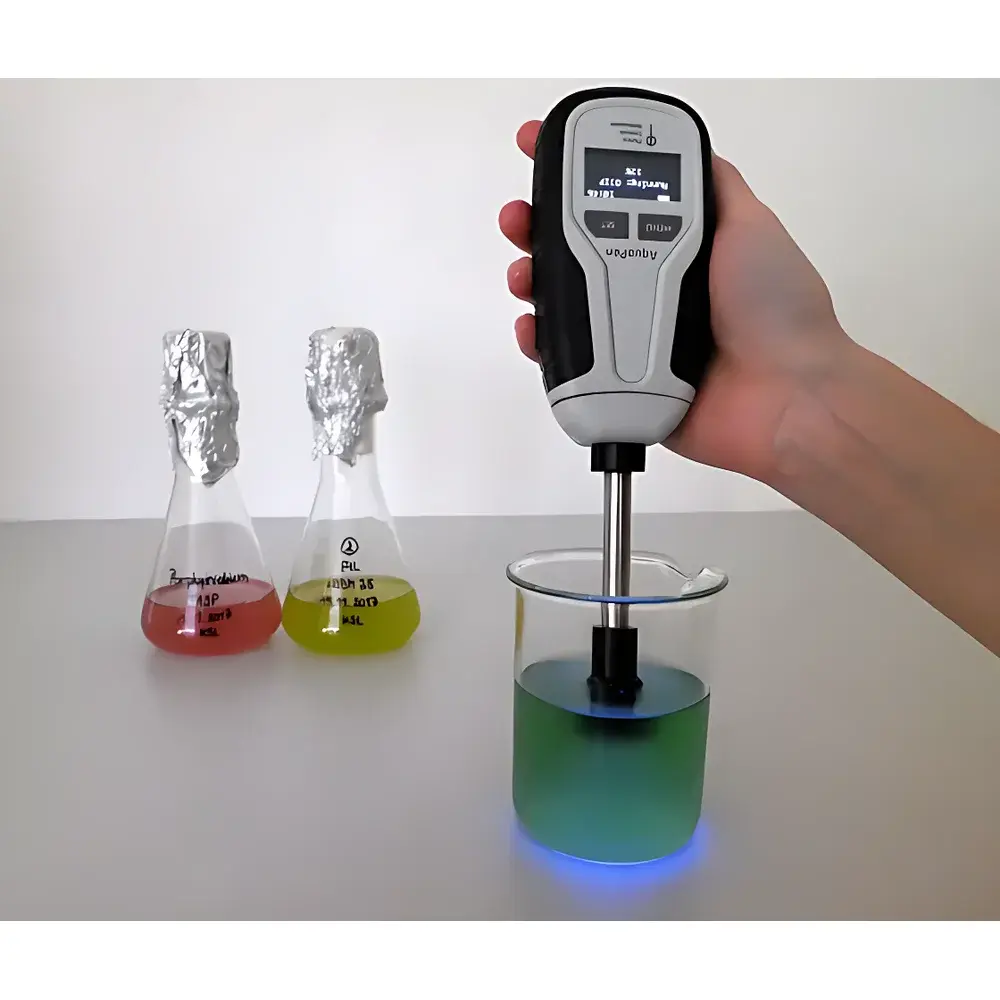
| Probe Types | AP110-C (cuvette-based) & AP110-P (immersion probe) |
| Excitation Wavelengths | 455 nm (blue), 620 nm (red) for fluorescence |
| Detection Limit | 0.5 µg Chl/L |
| Time Resolution | 10 µs (100,000 measurements/s) for OJIP kinetics |
| Data Storage | 16 MB (~149,000 data points) |
| Dimensions | 165 × 65 × 55 mm |
| Weight | 290 g |
| Operating Temperature | 0–55 °C |
| Humidity Range | 0–95% RH (non-condensing) |
| Power | Rechargeable Li-ion battery, 48 h continuous operation |
| Communication | Bluetooth + USB + integrated GPS |
| Software | FluorPen v1.1 (Windows 7+) |
Overview
The PSI AquaPen AP110 Handheld Algal Chlorophyll Fluorometer is a field-deployable, high-resolution instrument engineered for quantitative analysis of photosynthetic performance in phytoplankton, cyanobacteria, and macroalgae. Based on pulse-amplitude modulated (PAM) chlorophyll a fluorescence methodology, the AquaPen AP110 applies standardized photochemical protocols—including dark-adapted Fv/Fm, light-adapted ΦPSII, non-photochemical quenching (NPQ), rapid OJIP transient kinetics, and light response curves (LC)—to assess functional integrity of Photosystem II (PSII) under controlled or natural conditions. Its dual-probe architecture enables flexible deployment across laboratory, mesocosm, and open-water environments without compromising analytical rigor. The device complies with internationally accepted fluorescence measurement conventions defined by the International Society of Photosynthesis Research (ISPR) and aligns with experimental frameworks referenced in peer-reviewed literature on algal ecophysiology, stress physiology, and biotechnological screening.
Key Features
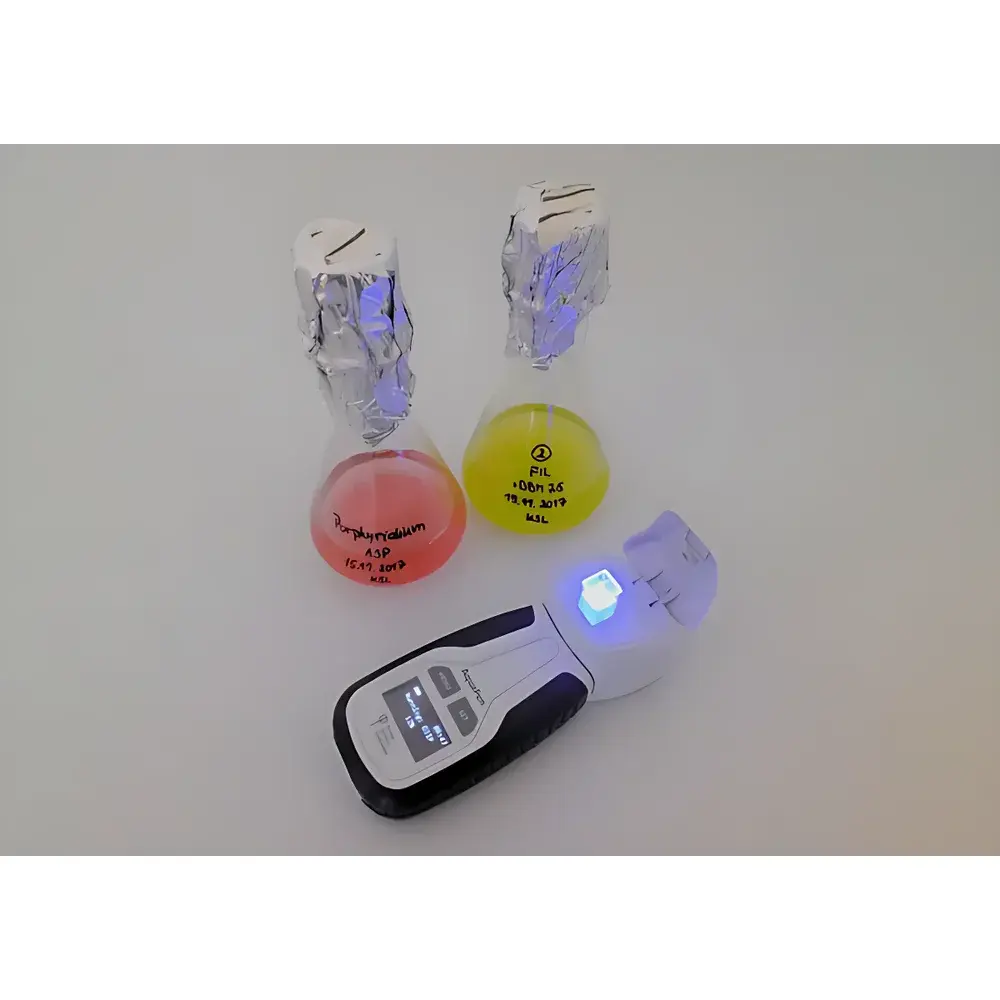
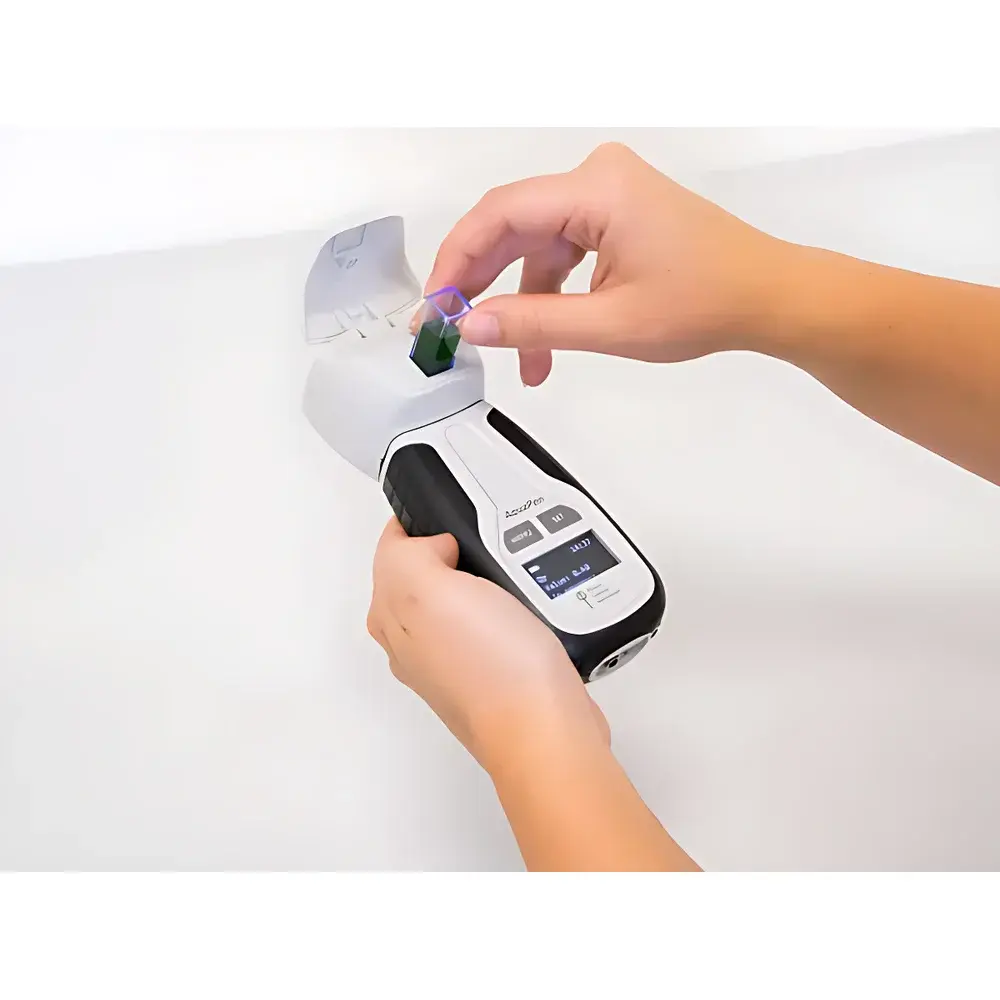
- Two interchangeable optical configurations: AP110-C cuvette module (4 mL capacity) for discrete water samples, suspension cultures, or filtrates; and AP110-P immersion probe for in situ profiling of natural waters, aquaculture tanks, or benthic macroalgal surfaces.
- Simultaneous dual-wavelength excitation (455 nm blue LED + 620 nm red LED) optimized for maximal PSII excitation efficiency and minimal photoinhibitory artifact during kinetic assays.
- OJIP transient acquisition at 10 µs resolution—capable of resolving early electron transport events (O-J-I-P phases) and computing 26 standardized biophysical parameters including Mo, Sm, PIAbs, ABS/RC, TRo/RC, and ETo/RC per ISO 10260–2019 guidelines for chlorophyll fluorescence instrumentation.
- Integrated optical density (OD) measurement at 680 nm and 720 nm (AP110-C only), enabling concurrent estimation of algal biomass and correction of fluorescence signals for inner-filter effects.
- Onboard programmable protocols covering Ft, QY, OJIP, NPQ1/NPQ2, LC1–LC3, OD, and Multi-mode autonomous monitoring—with adjustable actinic, saturating, and measuring light intensities (0–1000 µmol photons·m−2·s−1 and 0–3000 µmol photons·m−2·s−1, respectively).
- Embedded GPS and timestamping ensure georeferenced data traceability—critical for longitudinal ecological surveys, regulatory compliance reporting, and GLP-aligned field studies.
Sample Compatibility & Compliance
The AquaPen AP110 supports direct measurement of diverse aquatic photosynthetic organisms, including freshwater and marine microalgae (e.g., Chlorella, Phaeodactylum), toxic cyanobacteria (e.g., Microcystis, Planktothrix), dinoflagellates (Alexandrium), and macrophytic species (Ulva, Gracilaria). Its detection limit of 0.5 µg Chl/L permits reliable quantification in oligotrophic lakes, drinking water reservoirs, and ballast water screening applications. The instrument meets mechanical and electrical safety standards per IEC 61010-1:2010 and operates within environmental specifications compliant with IP54-rated field instrumentation requirements. All fluorescence parameter definitions conform to the Minimal Information about a Photosynthesis Experiment (MIPE) standard and are traceable to ASTM E2922–21 (Standard Guide for Chlorophyll Fluorescence-Based Assessment of Photosynthetic Performance).
Software & Data Management
FluorPen v1.1 software provides full bidirectional control of the AquaPen AP110 via Bluetooth or USB. It supports real-time visualization of fluorescence transients, automated curve fitting for OJIP and NPQ models, batch export of raw and processed parameters to Excel-compatible .csv files, and generation of publication-ready kinetic plots with customizable axes and annotations. Audit-trail functionality logs user actions, protocol versions, calibration timestamps, and firmware revisions—supporting 21 CFR Part 11 readiness when deployed in regulated QA/QC workflows. Data files include embedded metadata (GPS coordinates, UTC timestamps, probe ID, ambient temperature) to facilitate spatial-temporal analysis in GIS platforms or statistical modeling environments (R, Python/Pandas).
Applications
- Quantitative assessment of phytoplankton community health in eutrophication monitoring programs and wastewater treatment efficacy evaluation.
- High-throughput phenotyping of algal mutants or strains under abiotic stressors (UV-B, heavy metals, nutrient limitation, salinity gradients).
- Optimization of photobioreactor operating conditions through real-time PSII efficiency feedback during cultivation trials.
- Early detection of cyanobacterial bloom initiation via deviation from baseline Fv/Fm and NPQ relaxation kinetics.
- Ecotoxicological screening of emerging contaminants (e.g., bisphenol A, nanoplastics) using chlorophyll fluorescence endpoints as sensitive biomarkers of photosynthetic disruption.
- Field validation of remote sensing algorithms by ground-truthing satellite-derived chlorophyll-a estimates with calibrated in situ fluorescence yield.
FAQ
Can the AquaPen AP110 differentiate between green algae and cyanobacteria based on fluorescence signatures?
No—chlorophyll a fluorescence alone does not provide taxonomic resolution. However, combined use of OD680/OD720 ratios (AP110-C) and spectral deconvolution in post-processing may support semi-quantitative group-level inference when validated against pigment HPLC or flow cytometry data.
Is the immersion probe (AP110-P) suitable for long-term submerged deployment?
The AP110-P probe is rated for intermittent immersion up to 10 m depth but is not designed for unattended submersion beyond 24 h. For continuous monitoring, PSI recommends integration with the FluorCam-based field station systems featuring waterproof enclosures and telemetry modules.
Does the device require daily recalibration?
No routine recalibration is needed. The system employs factory-calibrated LEDs and PIN photodiodes with temperature-compensated gain control. Users are advised to perform a blank reference measurement (e.g., filtered seawater or culture medium) before each sampling session to normalize background scattering effects.
How is data integrity ensured during Bluetooth transmission in electromagnetically noisy field environments?
All Bluetooth packets include CRC-16 error checking and automatic retransmission logic. Critical datasets (e.g., OJIP transients) are also redundantly stored onboard prior to wireless transfer, preventing loss due to signal dropout.
Can FluorPen software generate reports compliant with ISO/IEC 17025 accreditation requirements?
Yes—when used with documented SOPs, version-controlled firmware/software, and traceable calibration records, FluorPen v1.1 supports generation of audit-ready reports containing instrument identification, operator ID, environmental metadata, raw and derived parameters, and uncertainty estimates per GUM (JCGM 100:2008) principles.





