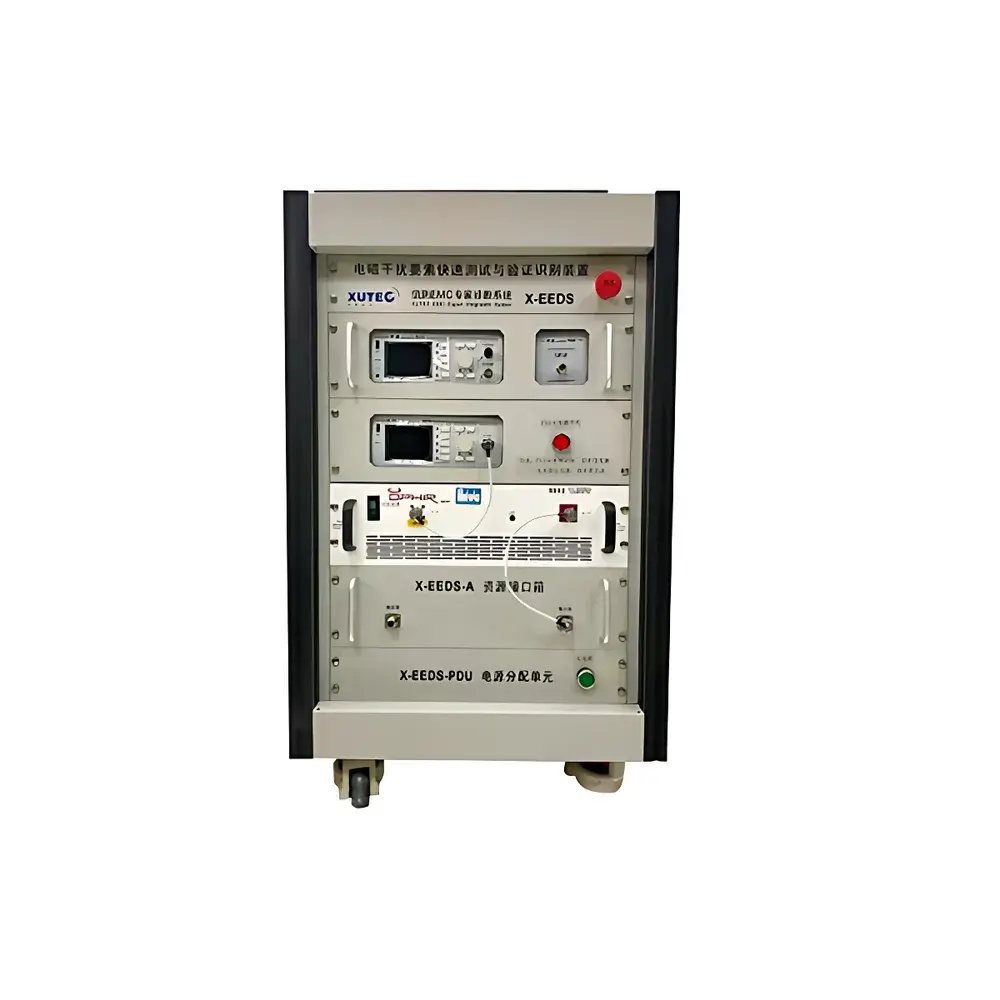
EasyTest EEDs Rapid EMC Diagnostic System
| Origin | Beijing, China |
|---|---|
| Manufacturer Type | Authorized Distributor |
| Origin Category | Domestic (PRC) |
| Model | EEDs |
| Pricing | Available Upon Request |
Overview
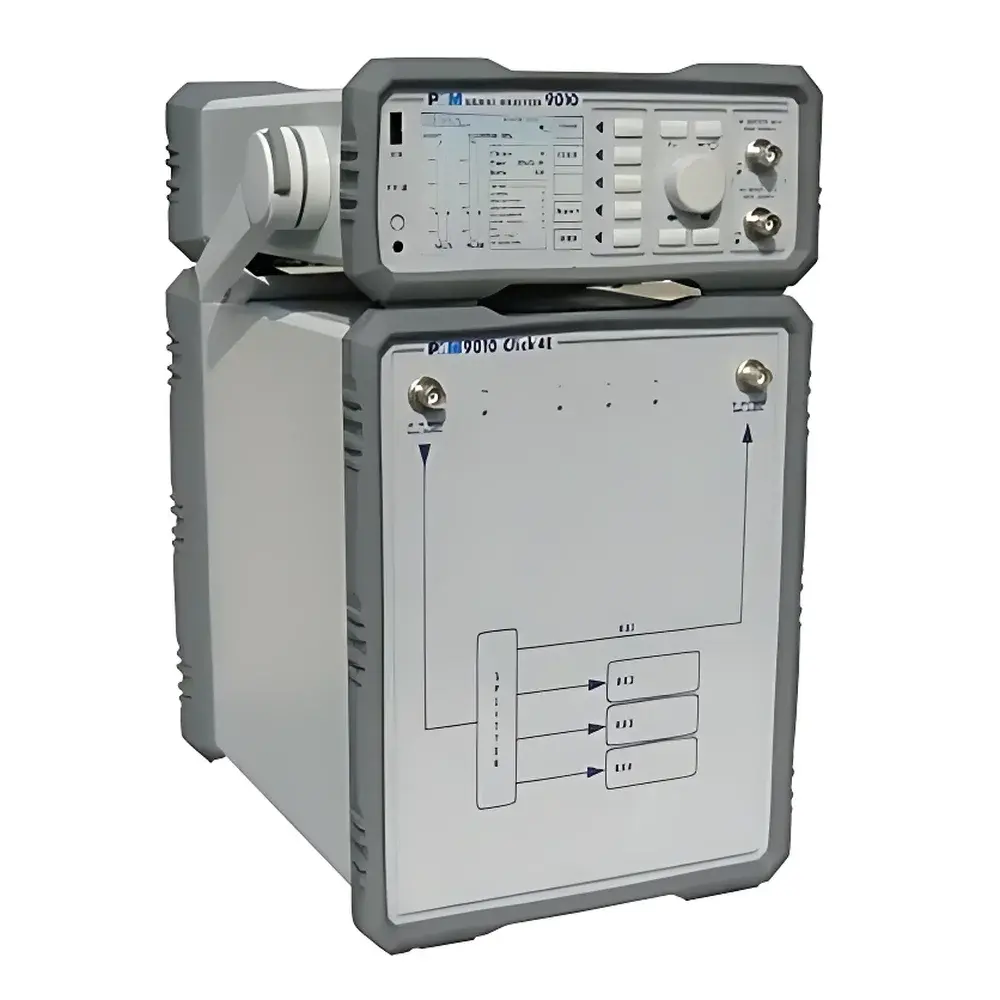
The EasyTest EEDs Rapid EMC Diagnostic System is a portable, field-deployable electromagnetic compatibility (EMC) troubleshooting platform engineered for pre-compliance and diagnostic-level testing in non-anechoic environments. Unlike full-scale certified EMC test facilities—requiring shielded rooms, calibrated antennas, and accredited procedures—the EEDs system employs a digital EMC receiver architecture combined with near-field scanning probes, current clamps, and broadband injection methods to rapidly identify emission sources, coupling paths, and susceptibility vulnerabilities in electronic systems. Its core measurement principles include time-domain transient capture, frequency-selective spectrum analysis (9 kHz–6 GHz), conducted emissions monitoring via LISN integration, and bulk current injection (BCI) for immunity assessment. Designed for R&D labs, manufacturing QA teams, and field service engineers, the EEDs system enables iterative EMC validation prior to formal certification, significantly reducing retest cycles and accelerating design-for-EMC workflows.
Key Features
- Digital EMC receiver with real-time spectrum analysis, fast sweep capability, and high dynamic range for accurate detection of narrowband and broadband emissions.
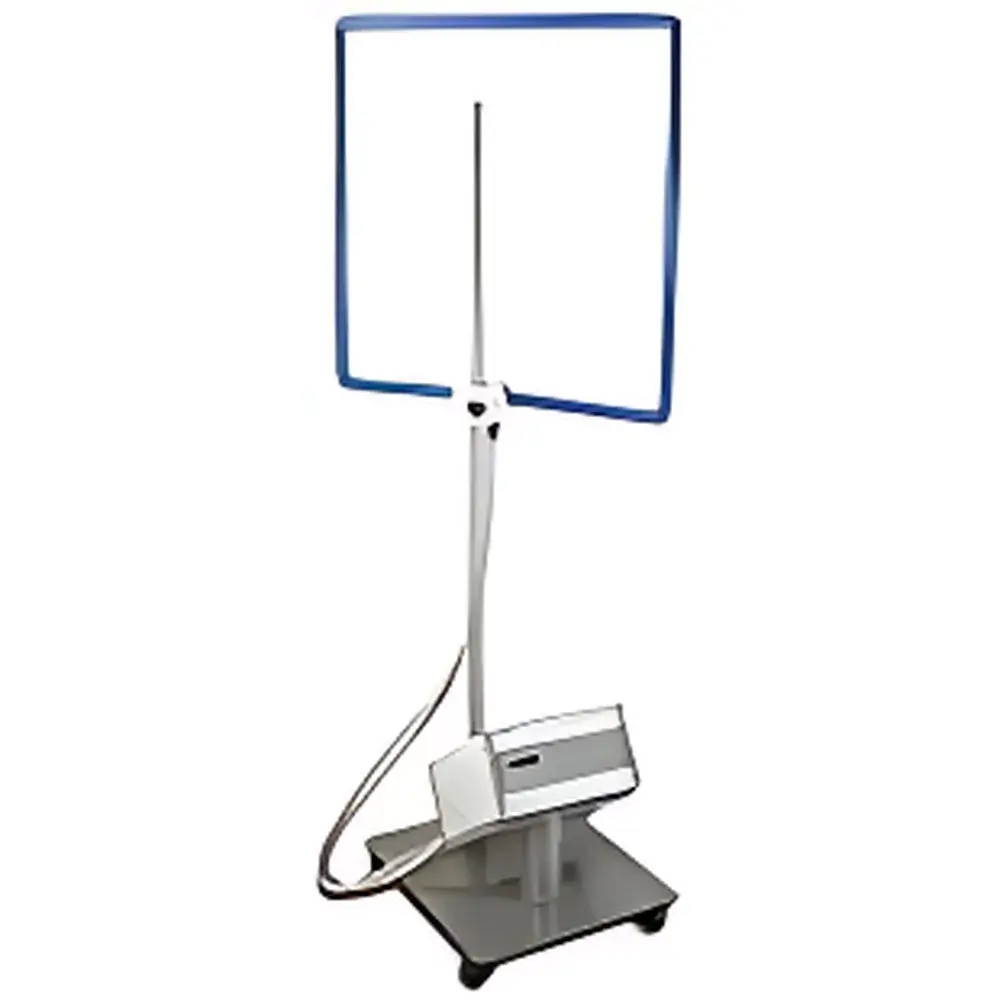
- Integrated near-field probe set (magnetic and electric) for localized radiation source mapping without anechoic chamber requirements.
- Conducted emission testing support via standardized LISN (Line Impedance Stabilization Network) interfaces compliant with CISPR 16-1-2 and ANSI C63.4.
- Bulk Current Injection (BCI) capability using calibrated current clamps and external RF power amplifiers, enabling immunity evaluation per ISO 11452-4 and DO-160 Section 20.
- Automated test sequencing: programmable frequency sweeps, discrete point injection, breakpoint resume, and pause/resume functionality for complex test plans.
- Fiber-optic interconnections between receiver units and front-end sensors to minimize ground-loop noise and reduce measurement uncertainty.
- Modular hardware architecture supporting scalable sensor expansion—including optional TEM cells, GTEM chambers, and custom fixture integration.
- Onboard data logging with timestamped parameter snapshots, including center frequency, RBW/VBW settings, detector mode (peak, quasi-peak, average), and limit line status.
Sample Compatibility & Compliance
The EEDs system supports a broad range of electronic equipment under test (EUT), including embedded control units, power electronics modules, automotive ECUs, industrial PLCs, medical device subsystems, and avionics line-replaceable units (LRUs). It accommodates EUTs up to 1.5 m × 1.0 m × 1.0 m and operates with standard IEC/CISPR-defined accessories—including biconical, log-periodic, and active rod antennas; current probes (e.g., Fischer F-33-1); and commercial LISNs (e.g., Schaffner FN3600 series). Software libraries include built-in compliance templates aligned with CISPR 32, CISPR 25, EN 55032, EN 55024, and MIL-STD-461G (for diagnostic interpretation only—not certified for final compliance reporting). All calibration data and correction factors are user-editable and traceable to NIST-traceable reference standards.
Software & Data Management
The EEDs Control Suite is a Windows-based application supporting GLP/GMP-aligned data integrity practices. It features full audit trail logging (user actions, configuration changes, report generation timestamps), role-based access control, and encrypted project file storage. Test configurations—including detector types, scan ranges, limit lines, and correction tables—are stored as XML-based profiles for version control and cross-platform sharing. Measurement results export to CSV, PDF, and XML formats compatible with internal LIMS or enterprise QA databases. The software supports FDA 21 CFR Part 11–compliant electronic signatures when deployed in regulated environments. Automated report generation includes annotated spectra, annotated near-field heatmaps, injection-level logs, and pass/fail summary tables referencing applicable standards clauses.
Applications
- Rapid pre-compliance screening of PCB assemblies and enclosures during design iteration.
- Root-cause analysis of radiated emissions from clock harmonics, switching power supply noise, or data bus crosstalk.
- Verification of shielding effectiveness on chassis seams, cable grommets, and I/O filter implementations.
- Conducted immunity debugging—identifying resonant coupling into analog sensor inputs or communication lines.
- Field diagnostics of EMI-related malfunctions in deployed systems (e.g., CAN bus dropouts, ADC offset drift under RF exposure).
- Training and competency development for EMC test engineers in lab and production floor settings.
FAQ
Does the EEDs system meet formal EMC certification requirements?
No—it is a diagnostic and pre-compliance tool. Final compliance testing must be performed in an ISO/IEC 17025-accredited laboratory using fully validated methods and calibrated instrumentation.
Can the system perform radiated immunity testing?
It supports BCI-based immunity diagnostics but does not include integrated radiated immunity transmitters or calibrated field-generating antennas required for EN 61000-4-3 testing.
Is firmware and software update support provided?
Yes—EasyTest provides quarterly software updates with expanded standard templates, bug fixes, and driver compatibility patches for newly released test accessories.
What operating system versions are supported?
Windows 10 (64-bit) and Windows 11 (64-bit), with .NET Framework 4.8 and Visual C++ Redistributables v143 installed.
Can third-party probes and LISNs be used with the EEDs system?
Yes—the software includes a generic accessory configuration interface and supports manufacturer-specific calibration files (.cal, .cor) for seamless integration of non-OEM sensors.