
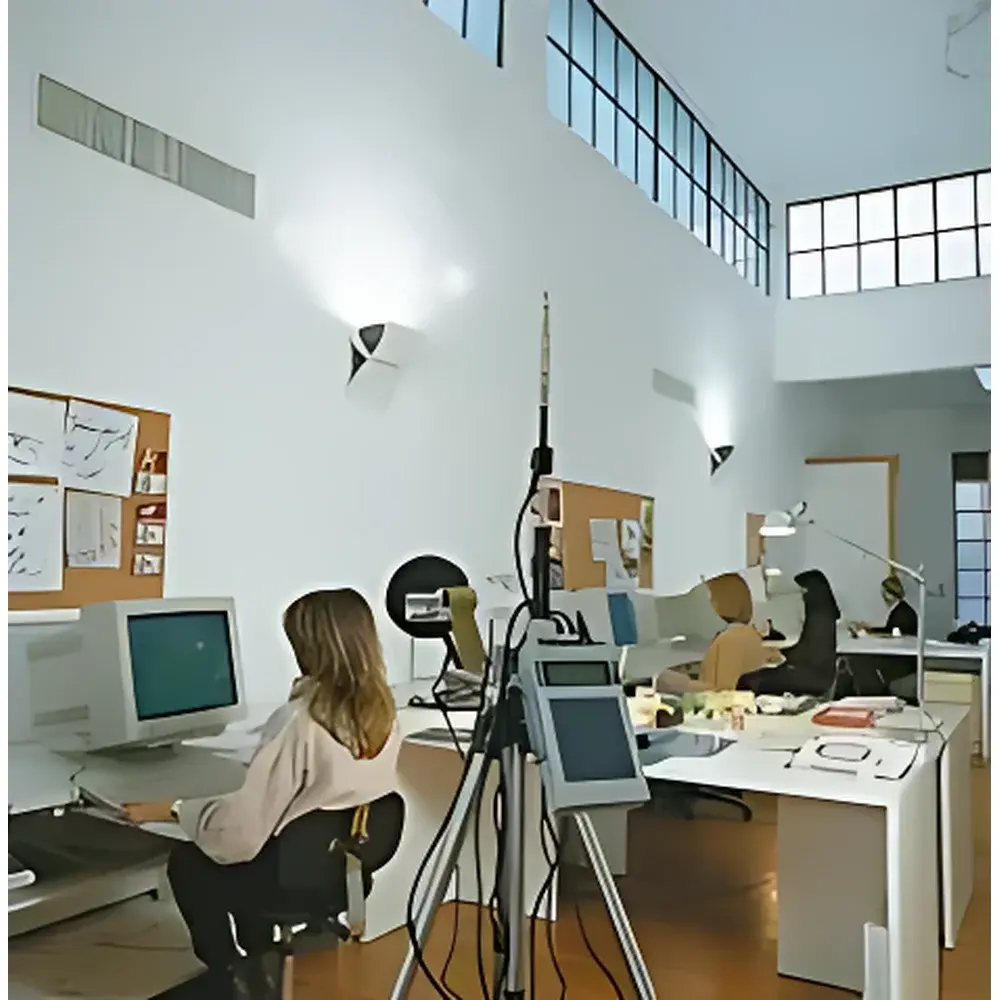
Lsi Babuc Portable Thermal Environment Analyzer
| Brand | Lsi |
|---|---|
| Origin | Italy |
| Model | Babuc |
| Compliance | Pre-loaded ISO/TC 159/SC5 Standards |
| Core Indices | WBGT, PMV-PPD, HIS, TTS, SWreq, Ereq, DLE, TO, CET, Ep, SWp, Wp |
| Data Acquisition | BabucM (4/6-channel) or BabucA (11-channel) Logger |
| Sensors | BSU121 Natural Ventilation Wet-Bulb Probe, BST131 150-mm Black Globe Thermometer (ISO 7726), BSU102 Forced-Ventilation Psychrometer (ISO 7726), BSV101 Hot-Wire Anemometer (ISO 7726) |
| Software | InfoGAP-Base-PC (BSZ300), InfoGAP-Advance-PC (BSZ301), Microclima Module (BSZ303) |
| Power | BSC010 Rechargeable Battery Pack (7.2 Vdc) |
| Enclosure | BWA314 Rugged Transport Case |
| Mounting | BVA304 Tripod, BVA306 Sensor & Logger Bracket, BSD020 BabucM Mount |
| Connectivity | RS-232 (9-pin male), USB-to-RS232 Adapter Optional |
Overview
The Lsi Babuc Portable Thermal Environment Analyzer is a field-deployable, standards-compliant instrumentation system engineered for quantitative assessment of human thermal exposure in occupational and environmental settings. It operates on the foundational principles of heat exchange physiology—integrating empirical thermal indices with biophysical modeling grounded in ISO 7243 (WBGT), ISO 7730 (PMV-PPD), ISO 7933 (analytical determination of heat stress), and ISO 7726 (instrumentation requirements for thermal environment measurement). Unlike generic temperature loggers, the Babuc platform implements real-time sensor fusion: natural wet-bulb temperature (tnw), black globe temperature (tg), dry-bulb temperature (ta), air velocity (v), and optional radiant asymmetry inputs are acquired synchronously and processed using pre-certified algorithms derived from ISO/TC 159/SC5—the international technical committee responsible for ergonomics of the physical environment. This ensures metrological traceability and eliminates manual calculation errors in regulatory reporting.
Key Features
- Pre-installed, non-modifiable ISO/TC 159/SC5 algorithm suite enabling automatic computation of 14+ standardized thermal indices—including WBGT (indoor/outdoor modes), PMV-PPD, CET (Corrected Effective Temperature), HIS (Heat Stress Index), TTS (Thermal Time Scale), SWreq (sweat rate), Ereq (evaporative heat loss requirement), DLE (duration of limited exposure), TO (operative temperature), Ep (evaporative prediction), SWp (sweat prediction), and Wp (workload-adjusted thermal index).
- Dual-platform data acquisition architecture: BabucM (4- or 6-channel portable logger) and BabucA (11-channel industrial-grade logger), both compliant with IEC 61000-4 electromagnetic immunity standards and rated IP54 for field durability.
- Traceable sensor suite calibrated per ISO 7726: BST131 150-mm black globe thermometer (±0.2°C accuracy), BSU121 naturally ventilated wet-bulb probe (±0.15°C), BSU102 forced-ventilation psychrometer (±0.1°C dry/wet bulb), and BSV101 hot-wire anemometer (0.05–5 m/s range, ±3% reading).
- Integrated power management via BSC010 rechargeable Li-ion battery pack (7.2 Vdc, >12 h continuous operation), supporting unattended monitoring across full-shift assessments.
- Ruggedized transport and deployment: BWA314 shock-absorbing hard case, BVA304 aluminum tripod with leveling base, BVA306 universal sensor bracket, and BSD020 BabucM-specific mounting plate—enabling rapid setup in factories, construction sites, agricultural zones, and outdoor workspaces.
Sample Compatibility & Compliance
The Babuc system is validated for use across heterogeneous thermal environments—from controlled indoor laboratories to high-radiation outdoor worksites. Its sensor configuration satisfies mandatory instrumentation criteria in ISO 7243 (heat stress evaluation), ISO 7730 (thermal comfort assessment), and EN 27243 (European adaptation of WBGT methodology). All computational outputs adhere to GLP-aligned audit trails when used with InfoGAP-Advance-PC (BSZ301), including timestamped raw sensor values, intermediate variables (e.g., mean radiant temperature, convective heat transfer coefficient), and final index derivations. The software supports 21 CFR Part 11-compliant electronic signatures and user-access logging when deployed in regulated pharmaceutical or food processing facilities requiring OSHA 1910.142 or EU Directive 89/654/EEC compliance documentation.
Software & Data Management
- InfoGAP-Base-PC (BSZ300): Entry-level desktop application for data download (via RS-232 or USB-RS232 adapter), time-synchronized visualization, and PDF report generation with embedded ISO clause references.
- InfoGAP-Advance-PC (BSZ301): Advanced post-processing module enabling WBGT simulation under hypothetical metabolic rates (1.0–4.0 met), clothing insulation (0.5–2.0 clo), and exposure durations—critical for preventive risk assessment and engineering control validation.
- Microclima (BSZ303): Specialized module for moderate environments (operative temperature 10–30°C), extending analysis to adaptive comfort models per ASHRAE 55 and EN 15251, including running mean outdoor temperature calculations.
- All software versions enforce role-based access control, automated backup to network drives, and export to CSV, Excel, and XML formats compatible with LIMS integration.
Applications
The Babuc analyzer serves as a primary tool for occupational hygienists, safety officers, and industrial ergonomists conducting: (1) OSHA-compliant heat illness prevention program audits; (2) validation of HVAC system performance against ISO 7730 thermal comfort bands; (3) design verification of personal cooling systems (e.g., phase-change vests, air-fed suits); (4) epidemiological studies correlating WBGT thresholds with physiological strain markers (heart rate, core temperature, sweat sodium loss); and (5) forensic reconstruction of heat-related incident causation in litigation support. Its portability and ISO-traceable calibration make it suitable for third-party certification bodies performing EN ISO/IEC 17025-accredited thermal hazard assessments.
FAQ
Does the Babuc system comply with OSHA Technical Manual Section III: Chapter 4 on Heat Stress?
Yes. The WBGT calculation engine implements the exact equations and weighting factors specified in OSHA’s referenced ISO 7243 methodology, including differential coefficients for indoor vs. solar-radiant outdoor conditions.
Can raw sensor data be exported for independent reanalysis?
Yes. All logged data—including unprocessed thermocouple voltages, resistance readings, and timestamped analog inputs—are accessible in native binary format and convertible to IEEE 754-compliant CSV via InfoGAP utilities.
Is sensor recalibration required annually?
Per ISO/IEC 17025 guidelines, we recommend annual traceable recalibration at an accredited laboratory using NIST-traceable reference sources; however, field verification using the included calibration check kit (BSC010-powered stability test mode) is performed prior to each critical assessment.
What is the uncertainty budget for WBGT measurement under typical industrial conditions?
Based on GUM-compliant propagation of component uncertainties (BST131 globe: ±0.18°C, BSU121 wet-bulb: ±0.12°C, BSU102 psychrometer: ±0.09°C, ambient air temp: ±0.10°C), combined standard uncertainty for WBGT is ±0.29°C (k=2) at 30°C/50% RH.
Does the system support multi-user environments with audit trail requirements?
InfoGAP-Advance-PC (BSZ301) provides full 21 CFR Part 11 functionality: electronic signatures, immutable audit logs, session timeouts, and password complexity enforcement—validated for FDA-regulated manufacturing QC labs.
Related Products







