
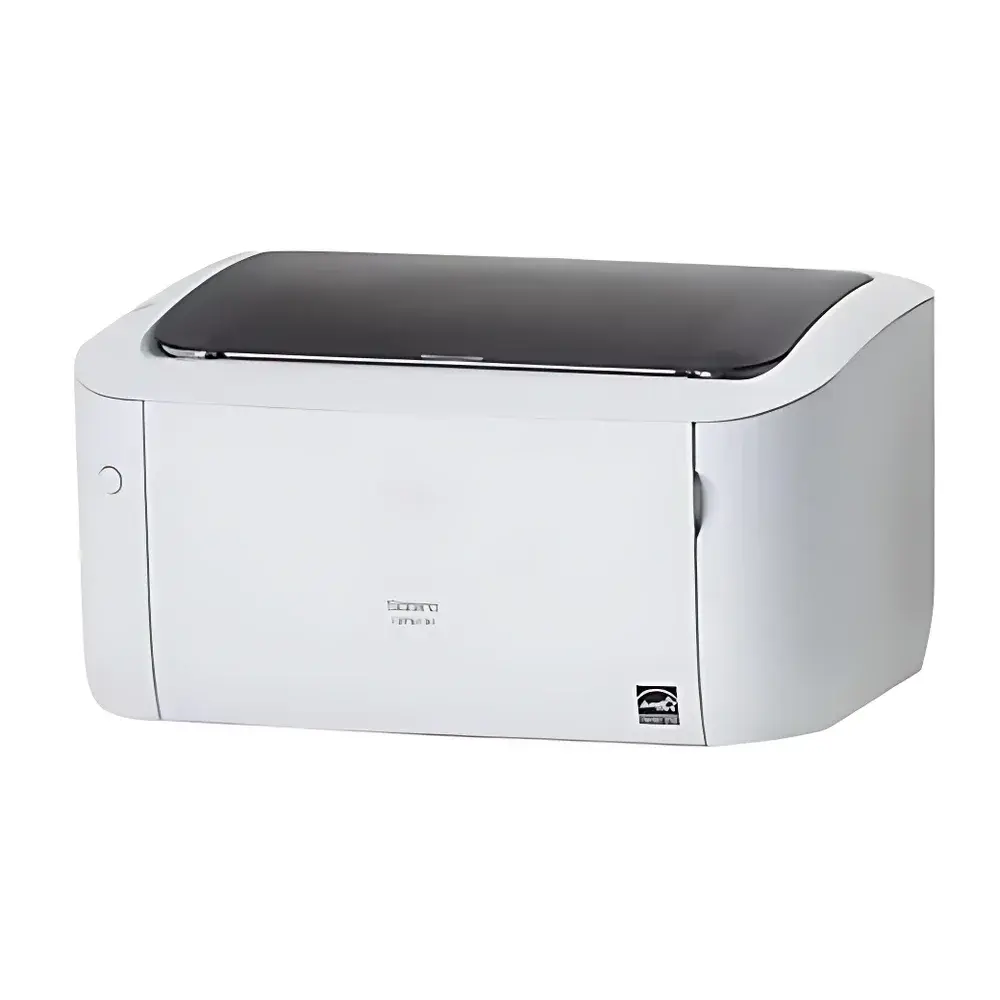
Otsuka ELSZ-2000 Series Nanoparticle Laser Particle Size and Zeta Potential Analyzer
| Brand | Otsuka |
|---|---|
| Origin | Japan |
| Model | ELSZ-2000 |
| Dispersion Method | Dry & Wet |
| Instrument Type | Laboratory Laser Particle Analyzer |
| Measurement Range | 0.1 nm – 10 µm |
| Repeatability | <5% |
| Measurement Time | 3 min |
| Zeta Potential Range | ±200 mV |
| Temperature Control | 0–90 °C (0.1 °C resolution) |
| Detection Principle | Electrophoretic Light Scattering (ELS), Dynamic Light Scattering (DLS), Static Light Scattering (SLS) |
| Laser Sources | Dual semiconductor lasers (660 nm, 30 mW & 70 mW) |
| Detector | High-sensitivity APD |
| Sample Compatibility | Liquid suspensions, planar solid surfaces (15 mm × 35 mm), high-concentration dispersions |
| Molecular Weight Range | 360 – 20,000,000 Da (Mw) |
| pH Titration Capability | 1–13, 0.1 µL resolution, triple independent syringe system |
Overview
The Otsuka ELSZ-2000 Series is a fully integrated laboratory-grade nanoparticle characterization system engineered for simultaneous, high-precision measurement of hydrodynamic diameter (via dynamic light scattering), zeta potential (via electrophoretic light scattering), and absolute molecular weight (via static light scattering). Designed around dual-wavelength laser excitation (660 nm, 30 mW and 70 mW) and a high-sensitivity avalanche photodiode (APD) detector, the platform delivers sub-nanometer resolution in particle sizing (0.1 nm – 10 µm) and robust electrokinetic analysis across ±200 mV. Its optical architecture employs heterodyne detection for ELS and interferometric intensity correlation for DLS—both compliant with ISO 22412:2017 (DLS) and ISO 13099-2:2012 (zeta potential). The system operates under strict temperature control (0–90 °C, ±0.1 °C resolution), enabling thermally resolved studies of conformational transitions, aggregation onset, and phase behavior in colloidal and macromolecular systems.
Key Features
- Dual-laser optical configuration optimized for signal-to-noise ratio in both low-conductivity biological buffers and high-ionic-strength industrial formulations
- Automated temperature gradient scanning mode for determination of denaturation temperatures (Tm), cloud points, and critical micelle concentrations (CMC)
- Multi-modal sample handling: standard rectangular flow cell, square quartz cuvette, high-concentration cell, and dedicated planar electrode cell for surface zeta potential of films, membranes, and coated substrates (up to 15 mm × 35 mm)
- Integrated microfluidic titration module supporting automated pH or additive titrations (pH 1–13) with 0.1 µL precision, triple independent syringes, and programmable step/dynamic/loop modes
- Advanced data inversion algorithms including Cumulant analysis (ISO 22412), NNLS and CONTIN regularization (for polydisperse systems), Smoluchowski/Hückel model selection for zeta potential, and Debye plot analysis for molecular weight and second virial coefficient (A2)
- Real-time particle size monitoring, residual error visualization, and inverse function diagnostics to validate fitting reliability and detect instrumental artifacts
Sample Compatibility & Compliance
The ELSZ-2000 accommodates aqueous and organic dispersions, protein solutions, polymer melts (after solvent dilution), liposomal formulations, ceramic slurries, pigment pastes, and semiconductor nanocolloids. Solid-phase measurements comply with ASTM D7854-18 for surface charge characterization of flat substrates. All zeta potential calculations adhere to IUPAC-recommended electrokinetic theory frameworks, with selectable models (Smoluchowski for >0.2 µm particles in low-viscosity media; Hückel for sub-100 nm particles in high-viscosity or low-permittivity solvents). Data acquisition and reporting support audit trails, electronic signatures, and metadata tagging required under FDA 21 CFR Part 11 and EU Annex 11 for regulated environments. System validation documentation aligns with IQ/OQ protocols per GMP/GLP guidelines.
Software & Data Management
The proprietary ELSZ Analysis Suite provides a validated Windows-based interface with role-based access control, secure project databases, and timestamped raw correlation functions stored in HDF5 format. Software modules include ZetaScan (surface potential mapping via motorized XY stage), PolySize (multi-angle DLS for shape-sensitive sizing), and MwPro (Debye plot generation with A2 and Rg extraction). Export options include CSV, PDF reports compliant with ISO/IEC 17025, and direct integration with LIMS via OPC UA. All calibration logs, maintenance records, and instrument performance checks are archived with SHA-256 hashing for integrity verification.
Applications
- Biopharmaceutical development: monoclonal antibody aggregation kinetics, PEGylated nanoparticle stability, liposome surface charge optimization for cellular uptake
- Advanced materials: dispersion stability of quantum dots, carbon nanotubes, and metal-organic frameworks (MOFs) in functional inks and coatings
- Food & cosmetics: emulsion droplet size distribution in dressings and creams; zeta potential-driven shelf-life prediction of nanoencapsulated actives
- Polymer science: molar mass distribution of synthetic and natural polymers, branching analysis via Rg/Rh ratio
- Electronics: slurry stability assessment for CMP slurries and photoresist dispersions in semiconductor fabrication
- Ceramics & pigments: isoelectric point mapping of alumina, titania, and iron oxide nanoparticles for optimized grinding and spray-drying
FAQ
What sample volume is required for standard liquid-phase zeta potential measurement?
Typical requirement is 0.8–1.2 mL in the standard rectangular cell; as low as 40 µL using the disposable capillary cell option.
Can the system measure zeta potential of dried or coated thin films?
Yes—using the planar electrode cell and motorized stage, surface potential is measured directly on flat substrates without re-dispersion.
Is temperature-controlled molecular weight determination supported?
Yes—static light scattering measurements can be performed across a defined thermal ramp to assess thermal unfolding or aggregation onset.
Does the software support compliance with pharmaceutical quality systems?
Yes—the system includes full 21 CFR Part 11 functionality: audit trail, electronic signature, user permission tiers, and data immutability features.
How is high-concentration sample analysis achieved without dilution?
Via the dedicated high-concentration cell utilizing attenuated laser power and optimized scattering geometry to minimize multiple scattering artifacts.



