
Customizable Working Electrodes for Electrochemical and In-Situ Microscopy Applications
| Origin | Beijing, China |
|---|---|
| Manufacturer Type | Authorized Distributor |
| Origin Category | Domestic (China-made) |
| Light Source Type | Internal Illumination Source |
| Compatible Core Materials | Glassy Carbon, Gold, Platinum, Silver, Copper, Aluminum, Nickel, Spectroscopic-Grade Graphite, Isotropic Graphite |
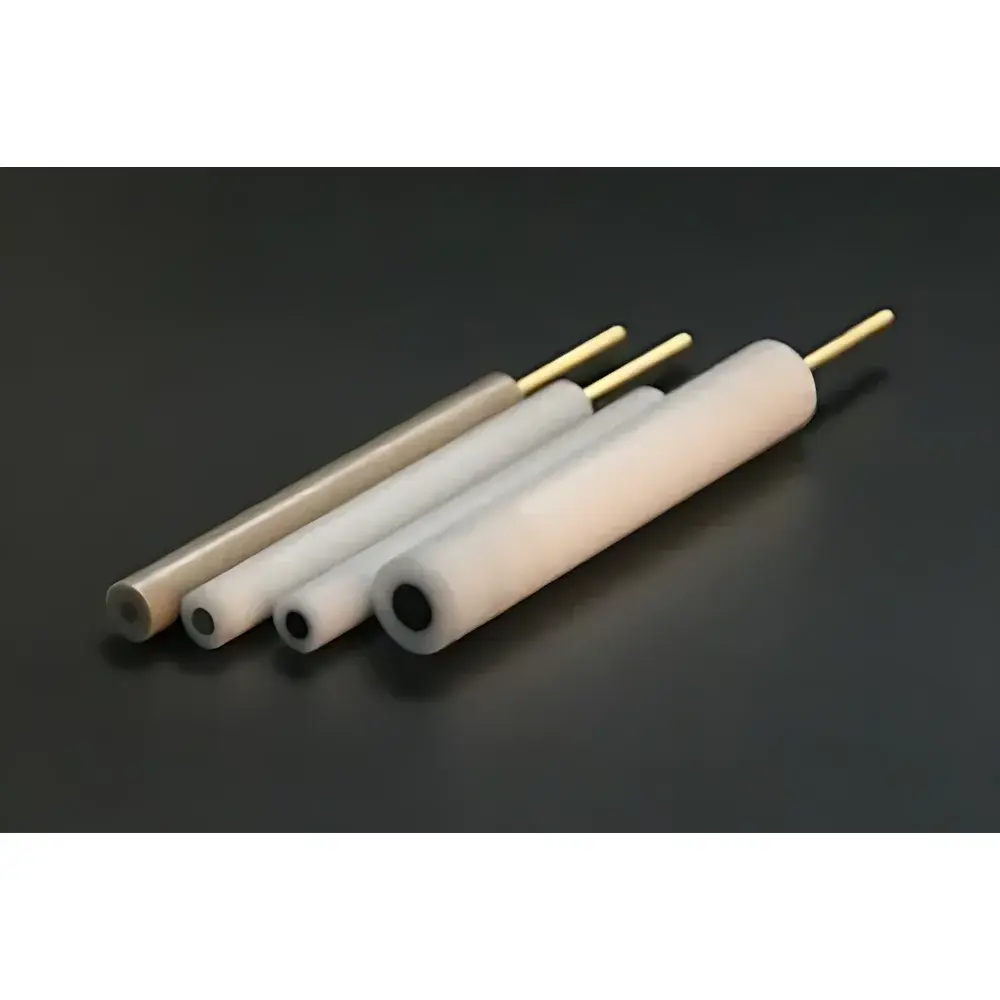
| Core Diameters | 1–6 mm (standard), customizable beyond 6 mm |
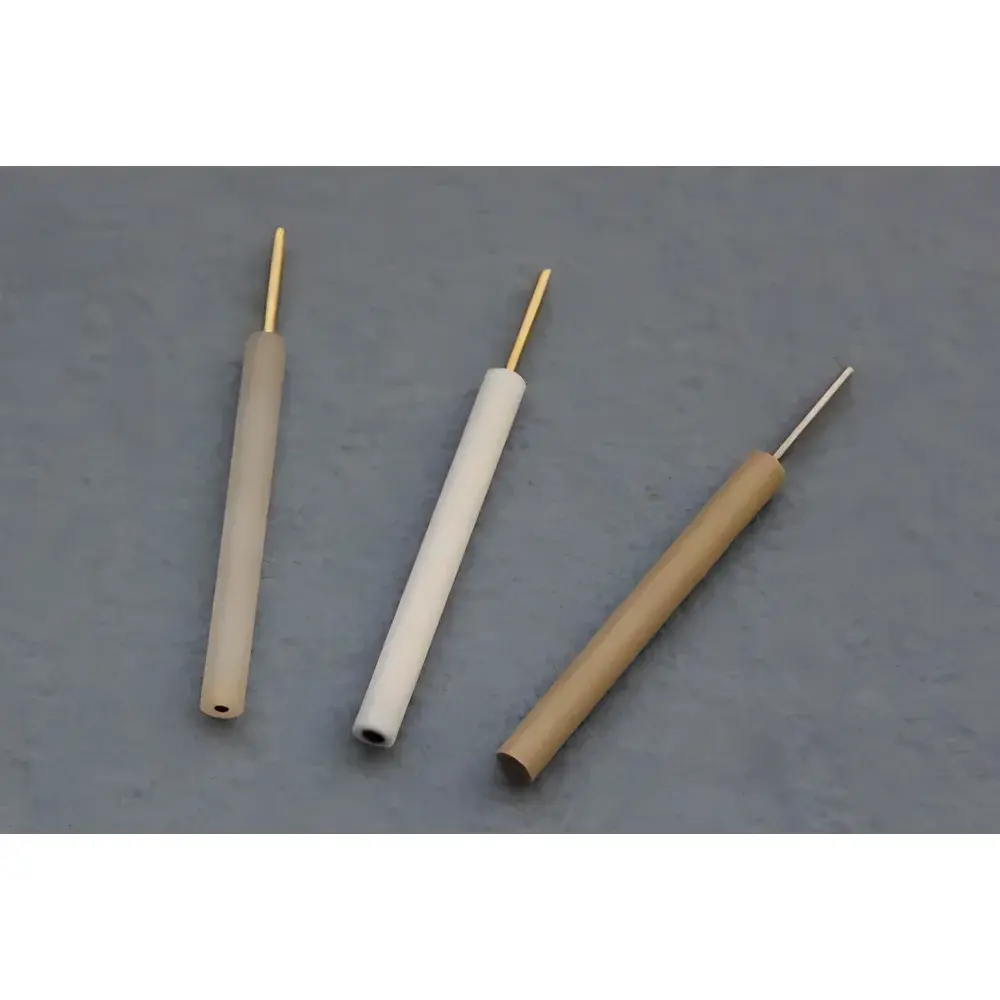
| Sheath Materials | PTFE, PEEK, PVDF, PCTFE |
| Tip Length Options | <15 mm, 10 mm, 7 mm, 5 mm, or custom |
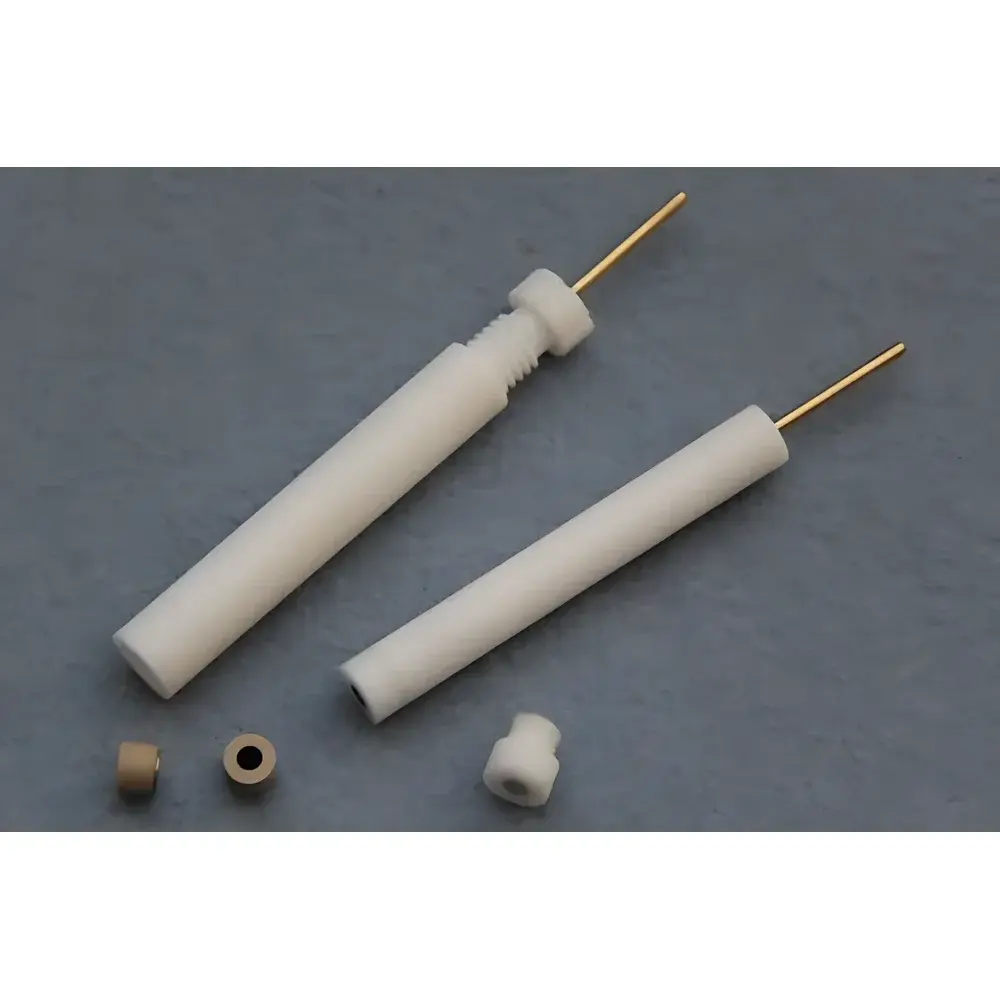
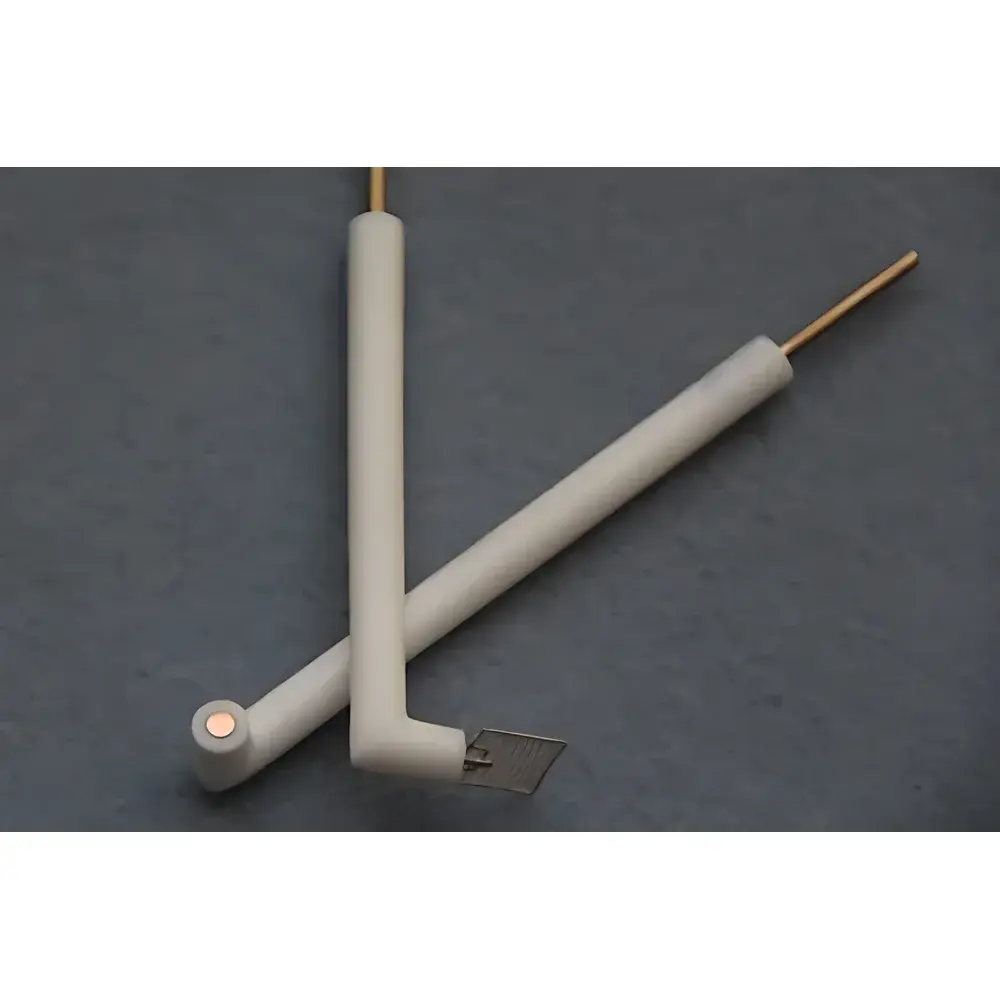
| Configurations | Standard Rod-Type, Dual-Mode SEM/AFM-Compatible (Screw-Head or Push-Type), L-Shaped Disk/Grid/Sheet Electrodes |
Overview
Working electrodes serve as the primary interface for electron transfer in electrochemical measurements—including cyclic voltammetry, chronoamperometry, impedance spectroscopy, and photoelectrochemical characterization. These electrodes are engineered for precise control of active surface area, chemical inertness, electrical conductivity, and mechanical compatibility with advanced analytical platforms. Unlike generic conductive probes, this series is purpose-built for integration into three-electrode cells, optoelectrochemical flow cells, and in-situ/operando microscopy environments. The design emphasizes dimensional stability under potentiostatic control, minimal background current, and reproducible geometric definition—critical for quantitative kinetic analysis and interfacial charge-transfer modeling. While not a light source per se, these electrodes are frequently paired with internal illumination systems (e.g., xenon or mercury arc lamps) in photoelectrochemical setups where controlled photon flux intersects the electrode surface orthogonally or at defined angles. Their classification under optical laboratory equipment reflects their functional role in light-coupled electrochemistry—not emission, but photoreactive surface interrogation.
Key Features
- Multi-material electrode cores: Glassy carbon (GC), platinum (Pt), gold (Au), silver (Ag), copper (Cu), aluminum (Al), nickel (Ni), spectroscopic-grade graphite, and isotropic graphite—each selected for defined electrochemical window, catalytic activity, and surface renewability.
- Precision-machined core diameters: Standard options from 1 mm to 6 mm; extended sizing available upon request to accommodate diffusion-controlled or high-current-density applications.
- Chemically resistant insulating sheaths: PTFE (excellent solvent resistance), PEEK (high thermal/mechanical stability), PVDF (UV-resistant, halogen-free), and PCTFE (low gas permeability, cryogenic compatibility).
- Dual-mode SEM/AFM-compatible configurations: Screw-head and push-type detachable designs enable post-electrolysis transfer to vacuum-based electron microscopy or ambient/liquid AFM without adhesive mounting or conductive coating—preserving native surface morphology and oxidation state integrity.
- L-shaped geometry variants: Optimized for minimized solution resistance (iR drop) in three-electrode configurations; enables precise spatial proximity between working and reference electrodes (<100 µm separation achievable), critical for low-conductivity electrolytes and fast-scan kinetics.
Sample Compatibility & Compliance
These electrodes are validated for use across aqueous, non-aqueous, and ionic liquid electrolytes, including concentrated acid/base media (e.g., 1 M H₂SO₄, 1 M KOH), organic solvents (acetonitrile, DMF, THF), and molten salt systems. All metallic cores meet ASTM F899 (Standard Specification for Wrought Stainless Steels) or equivalent purity standards (e.g., 99.99% Pt, 99.999% Au). Graphite variants conform to ISO 8501-1 for spectral purity and isotropy verification. Sheath materials comply with USP Class VI biocompatibility testing where applicable. No proprietary firmware or embedded electronics are present—ensuring full compatibility with third-party potentiostats (BioLogic, Metrohm Autolab, CH Instruments, PalmSens) and regulatory workflows requiring audit trails (FDA 21 CFR Part 11–compliant data acquisition systems).
Software & Data Management
As passive transduction elements, these electrodes require no dedicated software. However, they are fully interoperable with industry-standard electrochemical analysis suites—including EC-Lab (BioLogic), NOVA (Metrohm), GPES (Ecochemie), and open-source platforms such as Thales (Zahner) and PyEClib. When used in correlative operando studies (e.g., simultaneous CV + SEM imaging), electrode geometry metadata (core diameter, tip length, sheath material) can be embedded directly into experiment logs via LabArchives or ELN systems supporting ISA-Tab or AnIML schema. Traceability is maintained through batch-specific certificates of conformance covering dimensional inspection (CMM verified), surface roughness (Ra < 0.05 µm for polished Pt/Au), and resistivity validation.
Applications
- Photoelectrochemical water splitting and CO₂ reduction using illuminated three-electrode cells.
- In-situ scanning electron microscopy of electrodeposited nanostructures during galvanostatic growth.
- Atomic force microscopy of redox-induced polymer swelling or passivation layer evolution.
- Corrosion monitoring in simulated geological repositories (bentonite-clay electrolytes).
- Electrocatalyst screening under industrially relevant mass transport conditions (rotating disk electrode mode).
- Neuroelectrochemical sensing with ultra-low-noise L-shaped GC microelectrodes.
FAQ
Are these electrodes compatible with rotating disk electrode (RDE) or rotating ring-disk electrode (RRDE) systems?
Yes—standard rod-type configurations accept standard RDE/RRDE collets (e.g., Pine Research, ALS). Custom shaft lengths and torque-tolerant sheath interfaces are available for high-RPM operation (up to 10,000 rpm).
Can I specify surface pretreatment (e.g., electrochemical activation, flame annealing) prior to delivery?
Surface activation is not performed pre-shipment due to storage stability concerns; however, detailed SOPs for polishing (alumina slurries), electrochemical cleaning (cyclic voltammetry in H₂SO₄), and UV-ozone treatment are provided with each order.
What is the maximum operating temperature for PEEK-sheathed electrodes?
PEEK sheaths maintain structural integrity up to 250 °C continuously and 300 °C short-term; thermal expansion mismatch with metal cores is compensated via precision interference fits.
Do you supply electrodes with integrated reference or counter functionality?
No—this product line is strictly working-electrode focused. Reference and counter electrodes are sold separately to ensure optimal material selection and geometric independence per application requirement.





