
CEL-HPR Series Photochemical High-Pressure Reactor
| Brand | CEAULIGHT |
|---|---|
| Model | CEL-HPR |
| Origin | Beijing, China |
| Manufacturer Type | Direct Manufacturer |
| Origin Category | Domestic (China) |
| Instrument Classification | High-Pressure Photochemical Reactor |
| Vessel Volume Options | 50 mL / 250 mL / 500 mL |
| Construction Material | 316L Stainless Steel |
| Maximum Operating Pressure | 10 MPa (Rated), with Optional Safety Valves at 3.5 MPa or 6.5 MPa |
| Optical Window Diameter | 40 mm (CEL-HPR50/250), 50 mm (CEL-HPR500) |
| Optical Transmission Range | 180–1100 nm (Fused Silica Quartz Window) |
| Vacuum Capability | Not Designed for Vacuum Operation |
| Temperature Control | External Heating/Cooling (Water Bath, Oil Bath, or Electric Heating Jacket) |
| Stirring | Mechanical Stirring via Motor-Driven Shaft (CEL-HPR500 Only) |
| Liner Material | Removable PTFE Lining |
| Standard Port Configuration | 4 × 3 mm NPT (CEL-HPR250), 6 × 6 mm NPT (CEL-HPR500), with Configurable Inlet/Outlet/Instrumentation Ports |
| Sealing Mechanism | Precision Threaded Flange with Metal-to-Metal Seal |
Overview
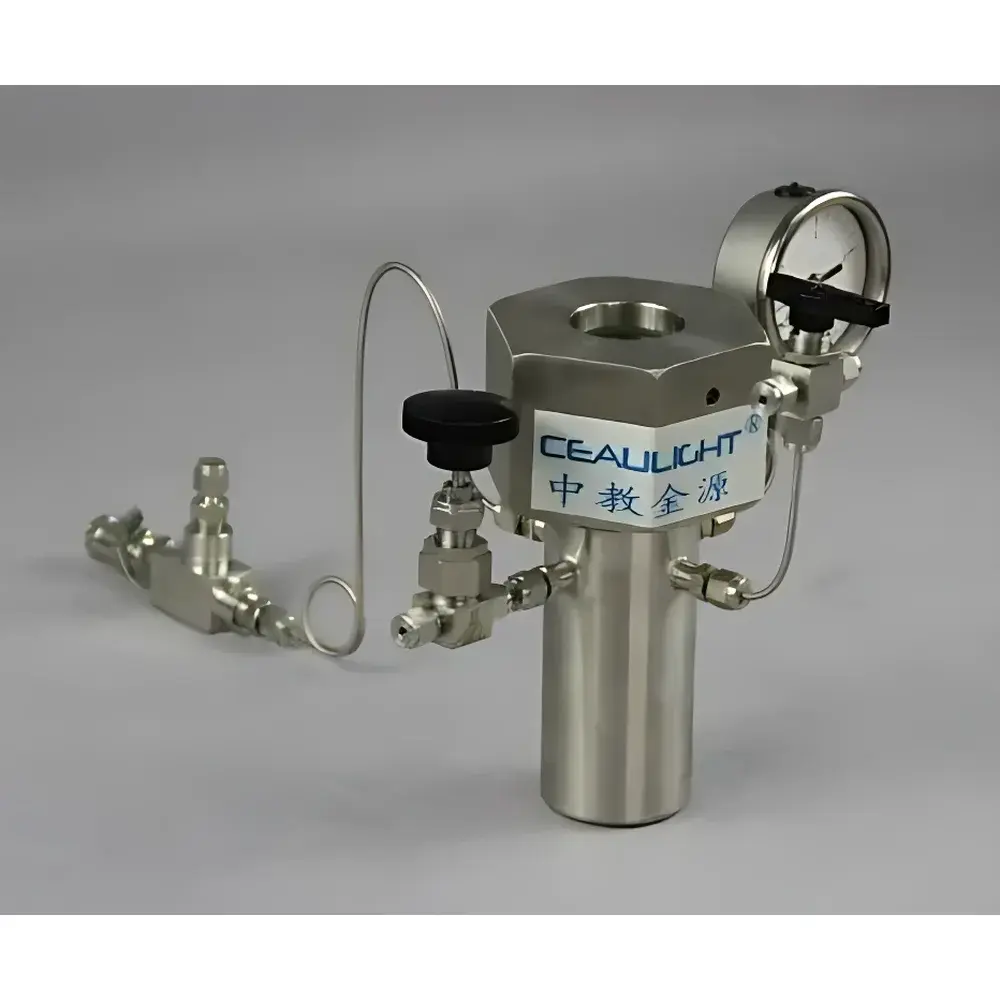
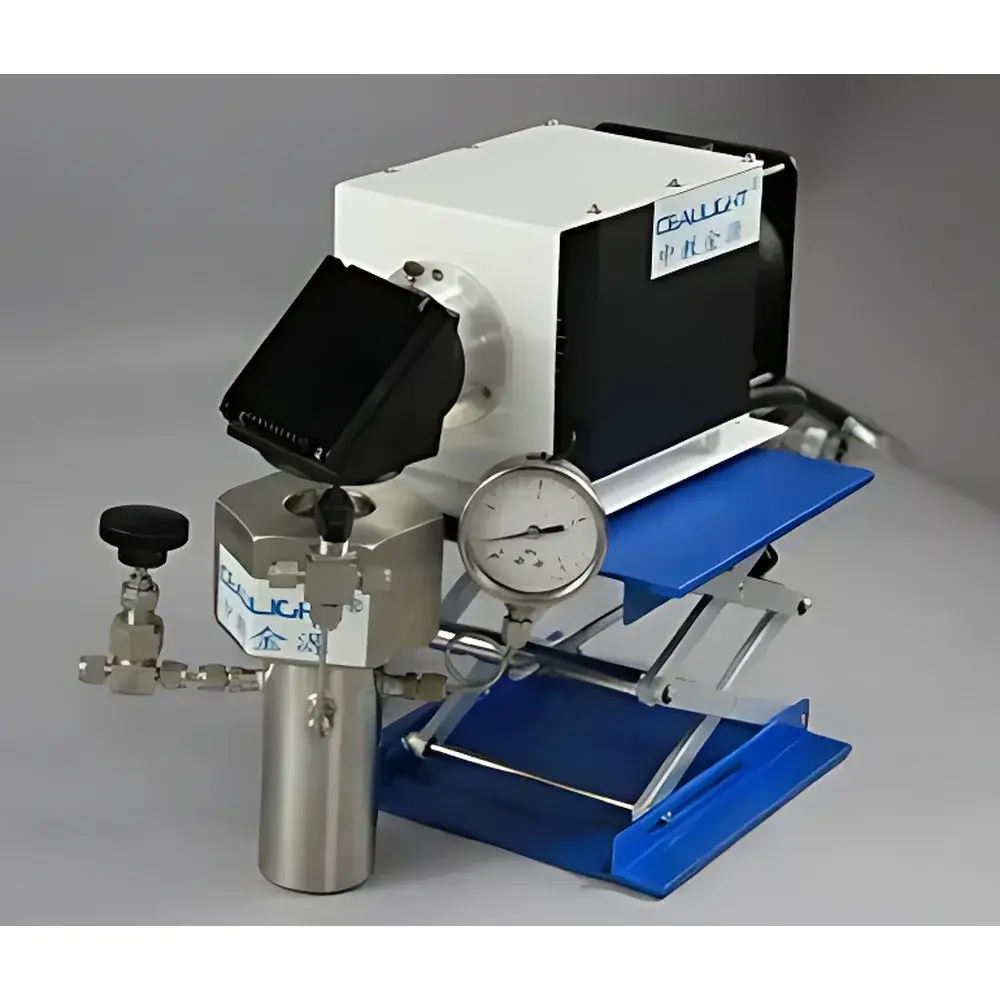
The CEL-HPR Series Photochemical High-Pressure Reactor is an engineered platform designed for controlled photochemical synthesis, catalytic degradation, and light-driven reaction kinetics under elevated pressure conditions. Built upon Couette-type high-pressure vessel architecture and optimized optical access, the system enables precise integration of broadband illumination (180–1100 nm) with pressurized reaction environments—critical for advancing heterogeneous photocatalysis, solar fuel generation, CO₂ photoreduction, and pharmaceutical phototransformation studies. Each reactor variant (50 mL, 250 mL, 500 mL) maintains full ASME BPVC Section VIII Div. 1–compliant pressure containment while ensuring spectral fidelity through fused silica quartz windows. The modular port layout, standardized NPT connections, and removable PTFE liner support reproducible experimental setup across GLP-compliant laboratories and academic research facilities.
Key Features
- High-integrity pressure containment: Rated to 10 MPa maximum working pressure; optional certified safety valves available at 3.5 MPa or 6.5 MPa for application-specific overpressure protection.
- Optimized optical coupling: 40 mm (CEL-HPR50/250) or 50 mm (CEL-HPR500) fused silica quartz windows with ≥90% transmission from deep UV (180 nm) to NIR (1100 nm), enabling compatibility with xenon arc, LED, and laser-based irradiation sources.
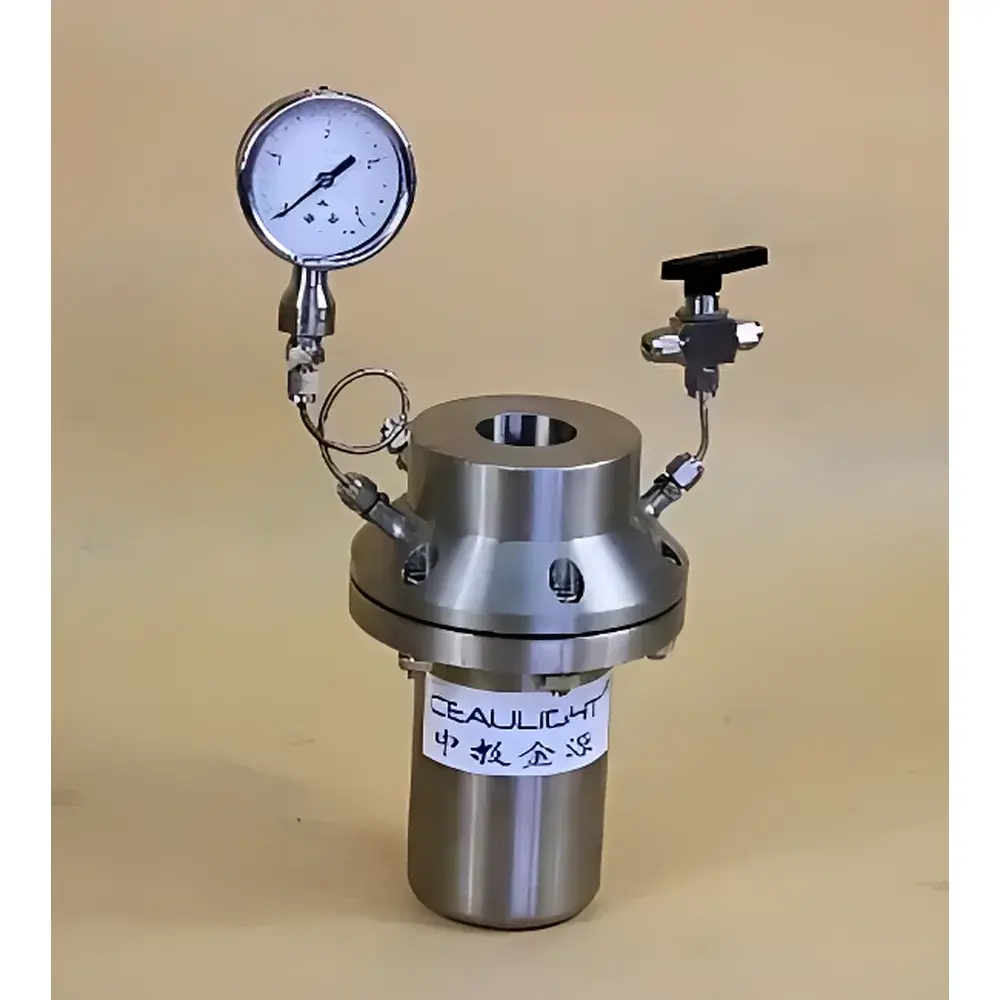
- Modular instrumentation interface: Standardized NPT ports (4 × 3 mm on CEL-HPR250; 6 × 6 mm on CEL-HPR500) allow simultaneous connection of pressure transducers, thermocouples, gas mass flow controllers, online GC sampling lines, and safety relief devices.
- Enhanced thermal management: External temperature control via circulating water/oil baths or electric heating jackets; CEL-HPR500 integrates an internal helical heating coil for uniform axial temperature distribution.
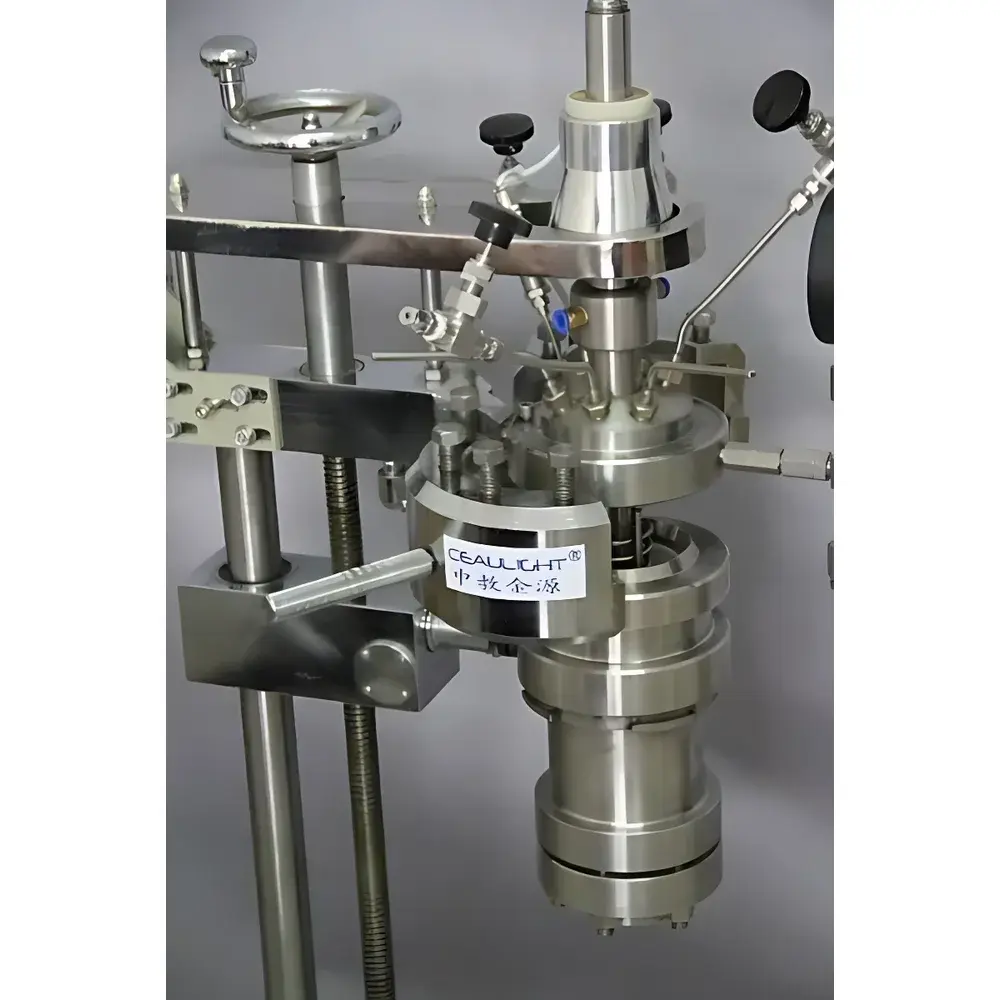
- Operational flexibility: Motor-driven mechanical stirring (CEL-HPR500 only) ensures homogeneous suspension of photocatalyst particles (e.g., TiO₂, g-C₃N₄, MOFs) under high-pressure irradiation—improving photon absorption efficiency and interfacial charge transfer kinetics.
- Chemical compatibility & maintenance: Fully removable PTFE liner prevents cross-contamination between runs and simplifies cleaning; all wetted surfaces conform to ASTM F2136 for fluoropolymer-lined pressure vessels.
Sample Compatibility & Compliance
The CEL-HPR series accommodates liquid-phase, slurry-phase, and gas–liquid–solid triphasic reactions involving organic solvents (e.g., acetonitrile, methanol, water), corrosive reagents (e.g., HCl, H₂O₂), and reactive gases (e.g., O₂, H₂, CO₂, CH₄). Its 316L stainless steel construction meets NACE MR0175/ISO 15156 requirements for sour service applications. All pressure components undergo hydrostatic testing at 1.5× design pressure and are supplied with traceable calibration certificates. The system supports compliance with ISO/IEC 17025 method validation protocols and aligns with USP guidelines for analytical instrument qualification when integrated into regulated QC workflows.
Software & Data Management
While the base CEL-HPR reactor operates as a standalone hardware platform, it is fully compatible with third-party process monitoring systems (e.g., LabVIEW, MATLAB, DeltaV) via analog 4–20 mA or digital RS485 interfaces for real-time acquisition of pressure, temperature, and gas flow data. Optional OEM data logging modules provide time-stamped audit trails compliant with FDA 21 CFR Part 11 requirements—including electronic signatures, user access control, and immutable record retention—for GMP-aligned photoreaction development and scale-up studies.
Applications
- Photocatalytic hydrogen evolution and CO₂ reduction under simulated solar irradiation and elevated H₂/CO₂ partial pressures.
- Kinetic modeling of photoinduced radical chain reactions in pharmaceutical intermediate synthesis.
- Accelerated photostability testing of APIs per ICH Q1B guidelines using controlled UV–vis exposure within sealed high-pressure environments.
- In situ FTIR or Raman spectroscopy of transient intermediates during photocatalytic oxidation of VOCs.
- Development of plasmonic photocatalysts requiring localized heating under visible-light excitation at >5 MPa.
FAQ
What is the maximum allowable operating temperature for the CEL-HPR500 reactor?
The maximum recommended operating temperature is 200 °C when using the internal heating coil; external heating jacket operation is limited to 180 °C based on PTFE liner thermal stability.
Can the CEL-HPR reactors be used under vacuum conditions?
No—these reactors are engineered exclusively for positive-pressure operation and lack vacuum-rated seals or flange designs.
Is custom port configuration available for integration with proprietary gas delivery systems?
Yes—CEAULIGHT offers engineering consultation and mechanical drawing review for non-standard port placement, thread types (e.g., Swagelok, VCR), and feedthrough integration.
How is light uniformity ensured across the reaction volume?
Optical path geometry is validated via ray-tracing simulations; incident irradiance homogeneity is maintained within ±8% across the central 80% of the illuminated cross-section when using collimated sources.
Does the system include pressure and temperature sensors by default?
Sensors are optional accessories—standard configurations include calibrated pressure gauge and thermowell ports, but transducers must be selected and installed separately per user requirements.
Related Products



