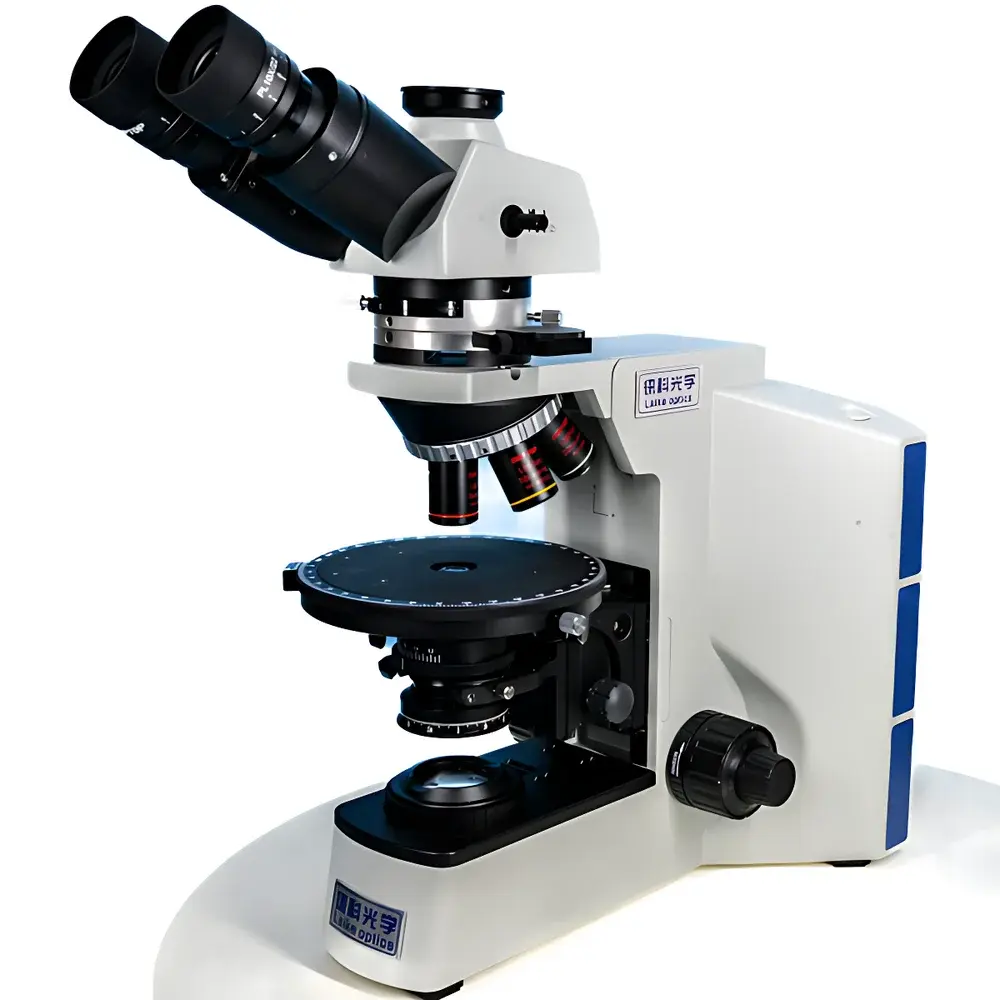
LEI-TECH LK-53P-S Research-Grade Asbestos Identification Polarizing Microscope
| Brand | LEI-TECH |
|---|---|
| Origin | Tianjin, China |
| Manufacturer Type | Original Equipment Manufacturer (OEM) |
| Country of Manufacture | China |
| Model | LK-53P-S |
| Pricing | Available Upon Request |
Overview
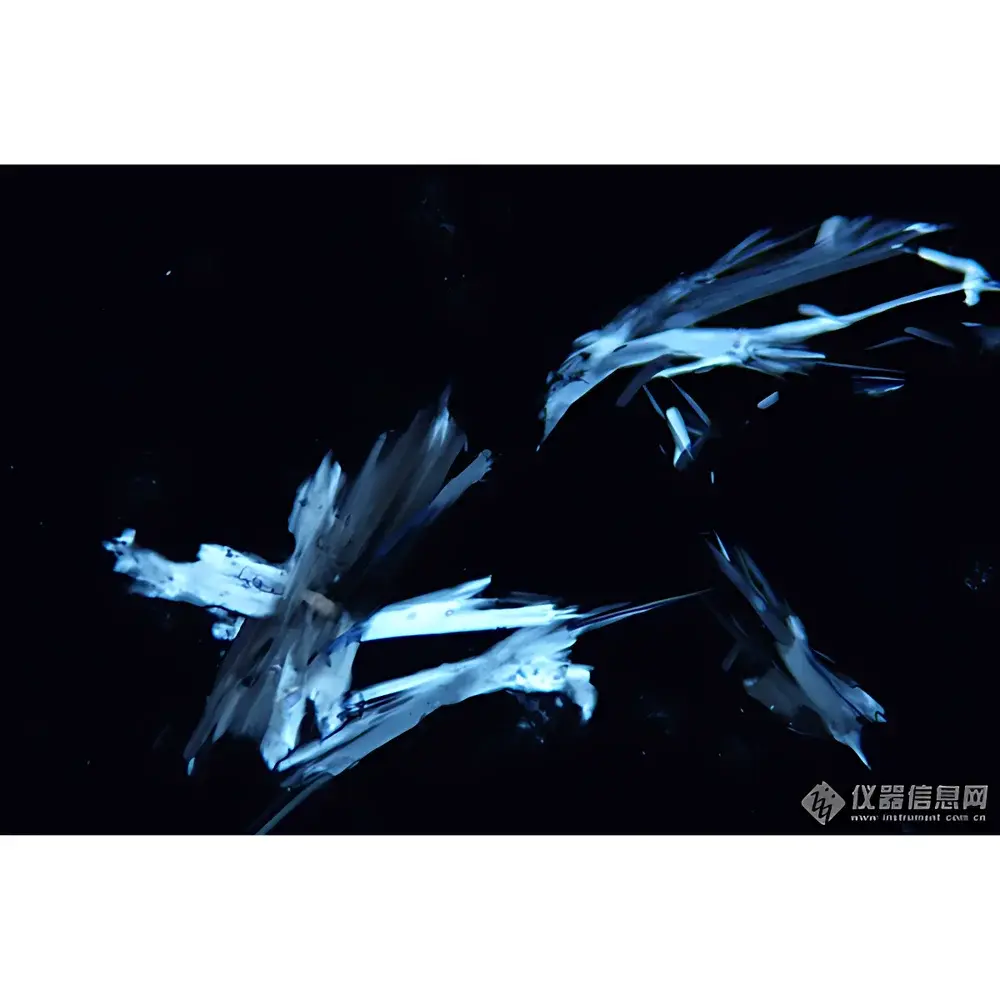
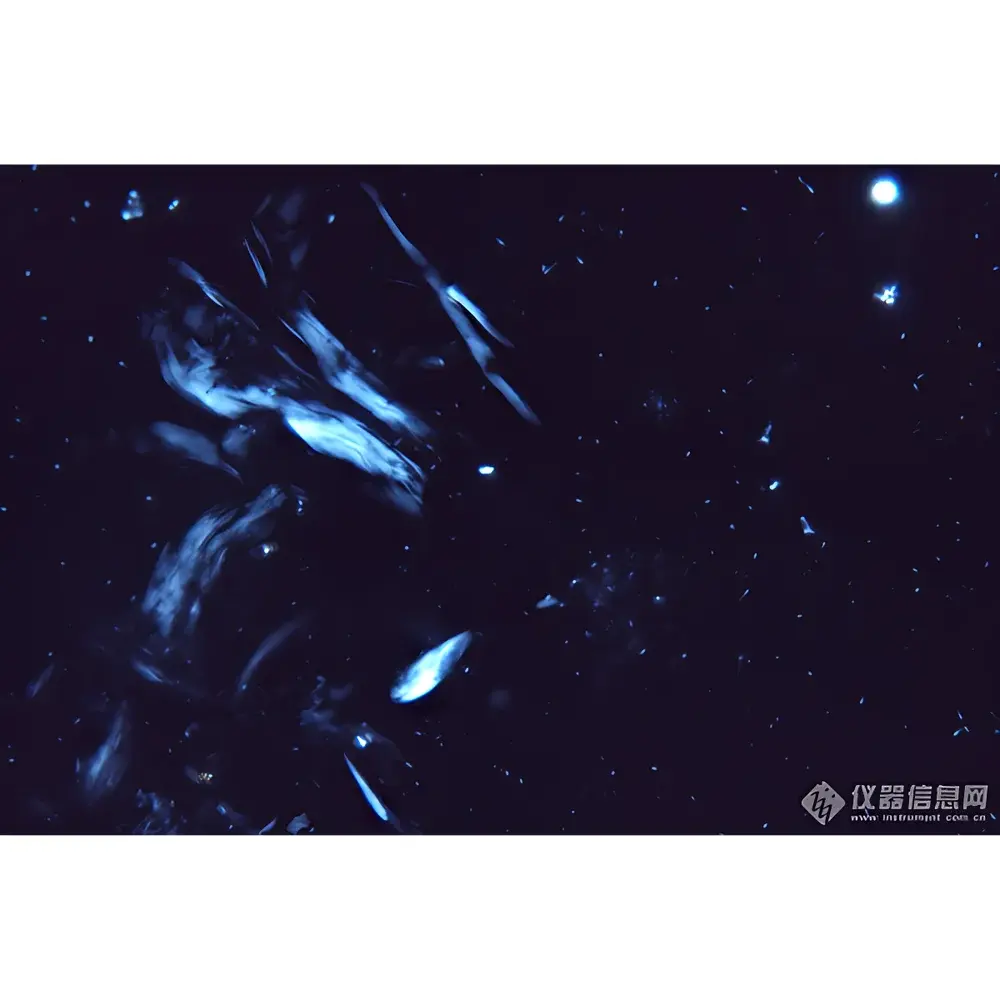
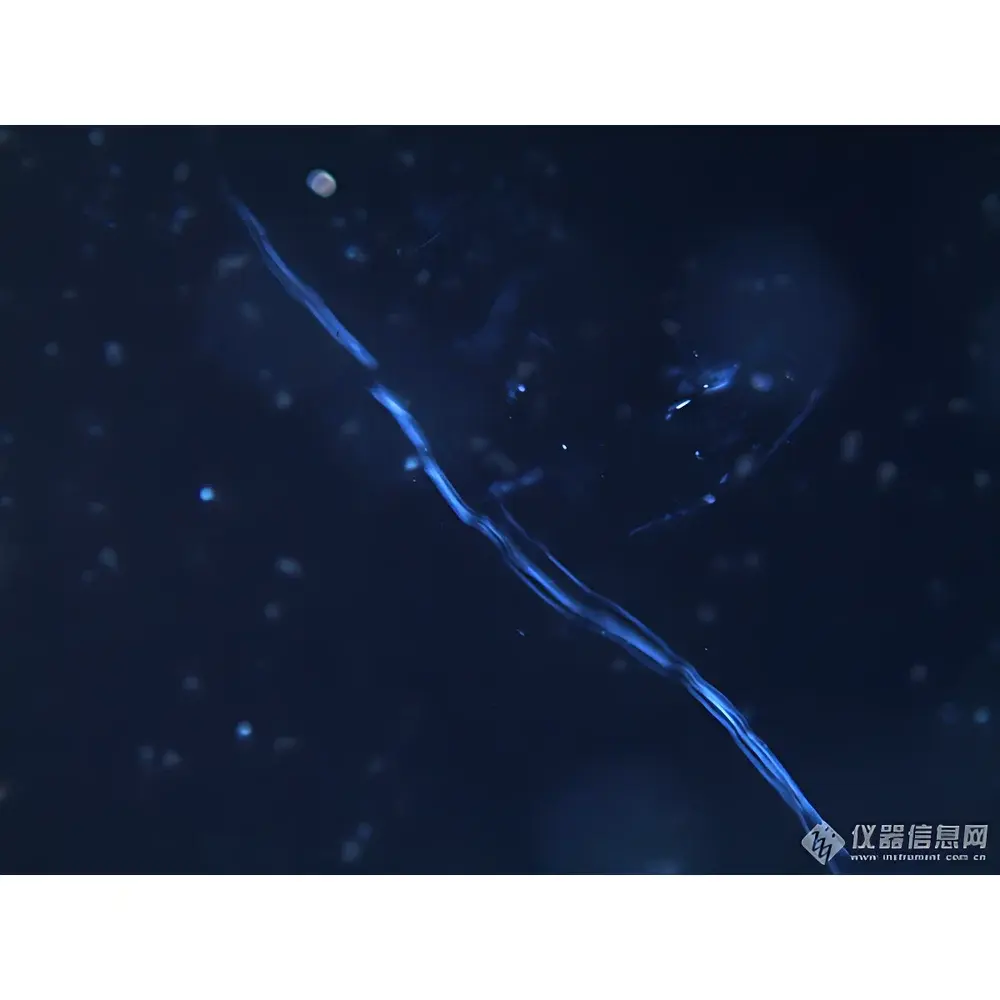
The LEI-TECH LK-53P-S is a research-grade polarizing microscope engineered specifically for standardized asbestos fiber identification and mineralogical characterization in compliance with international regulatory methodologies—including ASTM D7200, ISO 22262-1, and WHO/IARC-recommended PLM (Polarized Light Microscopy) protocols. It employs an infinity-corrected optical path (UISC design) to eliminate chromatic and spherical aberrations across the full magnification range (50×–500×), ensuring high-fidelity birefringence contrast, precise interference color rendering, and quantitative retardation measurement essential for distinguishing amphibole asbestos subtypes (e.g., crocidolite, amosite, tremolite, anthophyllite, actinolite) from chrysotile and non-asbestos analogues. The system integrates both transmitted and reflected illumination pathways, enabling dual-mode observation—critical for analyzing airborne dust samples on membrane filters (per NIOSH 9002/7400) as well as bulk materials, polished sections, or opaque industrial residues.
Key Features
- Infinity-corrected UISC optical architecture with apochromatic correction, delivering flat-field, high-contrast images across all magnifications (5×, 10×, 20×, 50× PLan POL objectives)
- Dual-illumination capability: Köhler-transmitted illumination (12 V/100 W halogen lamp, pre-centered, variable field & aperture diaphragms) and episcopic illumination (reflected-light module with integrated polarizer, beam splitter, and LBD filter set)
- Rotatable, lockable 360° mechanical stage with graphite-coated surface, engraved angular scale, and fine-positioning vernier for reproducible crystal orientation alignment
- Rotatable analyzer (360°, 2° graduation, ±6′ angular accuracy) with positive-lock mechanism and dedicated compensation plate slots for λ (551 nm), λ/4 (147.3 nm), and quartz wedge (I–IV order) insertion
- Bertrand lens-equipped intermediate tube with center-adjustable rotating turret for optimized conoscopic interference figure acquisition
- Ergonomic 30° inclined trinocular head with interpupillary adjustment (54–75 mm), diopter compensation (±5 D), and 50:50 / 100:0 beam-splitting ratio for simultaneous visual observation and digital imaging
- Y-frame base with recessed illumination housing, vibration-damping geometry, and corrosion-resistant surface treatment for long-term stability in regulated laboratory environments
Sample Compatibility & Compliance
The LK-53P-S supports standardized asbestos testing workflows per EPA Method IO-3.2, UK HSE MDHS 100, and EU Directive 2009/148/EC. It accommodates 25 mm diameter mixed-cellulose ester (MCE) or polycarbonate filters, bulk building material fragments (e.g., insulation, plaster, vinyl floor tiles), and polished thin sections. All optical components—including LMPLan POL strain-free objectives—are certified free of internal birefringence, ensuring reliable extinction cross formation under crossed polars. The microscope meets GLP documentation requirements through traceable calibration records and compatibility with audit-ready digital image capture systems (20 MP sensor, 5440 × 3648 resolution). Optional accessories include certified asbestos reference standards (chrysotile, crocidolite, amosite, anthophyllite, tremolite, actinolite) and immersion oils with calibrated refractive indices (n = 1.55, 1.62, 1.69) for Becke line analysis.
Software & Data Management
The integrated 20-megapixel imaging system supports TIFF and RAW export formats with embedded metadata (magnification, objective ID, polarizer/analyzer angles, retardation settings). Compatible with third-party metrology software (e.g., ImageJ with PLM plugins, Olympus cellSens, or Zeiss ZEN), it enables automated fiber counting, aspect-ratio filtering (>3:1), and birefringence quantification. Full audit trail functionality—including timestamped operator logins, parameter change history, and image annotation—supports FDA 21 CFR Part 11 compliance when deployed with validated software packages. Exported datasets conform to ISO/IEC 17025 reporting templates for accredited asbestos testing laboratories.
Applications
- Regulatory asbestos identification in air, soil, water, and bulk samples per NIOSH 7400/9002 and OSHA ID-160
- Mineralogical phase discrimination in construction materials, automotive friction products, and legacy industrial components
- Teaching and research in geosciences, materials science, and occupational hygiene curricula
- Quality control of asbestos-free certification for imported goods under REACH Annex XVII
- Forensic analysis of environmental contamination incidents and workplace exposure assessments
FAQ
What asbestos mineral types can be reliably identified using this microscope?
Chrysotile, crocidolite, amosite, tremolite, anthophyllite, and actinolite—based on diagnostic optical properties including sign of elongation, extinction angle, 2V angle, interference color order, and dispersion staining behavior.
Is the microscope compatible with ISO/IEC 17025-accredited laboratory workflows?
Yes—its strain-free optics, calibrated retardation accessories, and digital image traceability support method validation and technical record retention required by ISO/IEC 17025:2017 Clause 7.7.
Does the system support both transmission and reflection PLM modes?
Yes—dual-path illumination allows transmitted-light analysis of filter-mounted fibers and reflected-light examination of opaque or coated surfaces without reconfiguration.
What is the warranty and service coverage?
Two-year comprehensive manufacturer warranty, including parts, labor, and on-site installation/training; 7×24 remote technical support and regional service centers across Asia, Europe, and North America.
Can the microscope be integrated into a LIMS environment?
Yes—via DICOM-compliant image export and metadata tagging, enabling direct ingestion into laboratory information management systems supporting ASTM E1578 and ISO 15197 interoperability standards.