
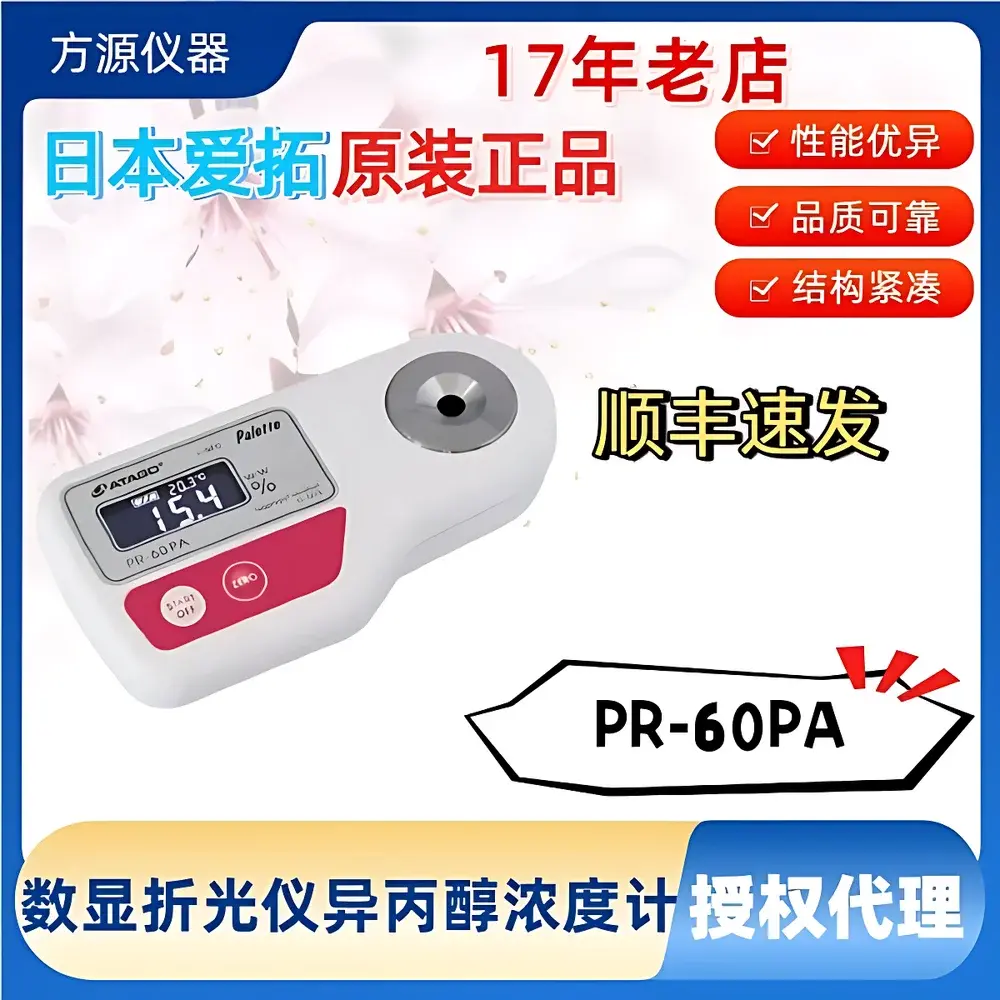
ATAGO PR-60PA Palette Series Digital Refractometer for Isopropyl Alcohol (IPA) Concentration Measurement
| Brand | ATAGO |
|---|---|
| Origin | Japan |
| Model | PR-60PA |
| Product Type | Handheld Refractometer |
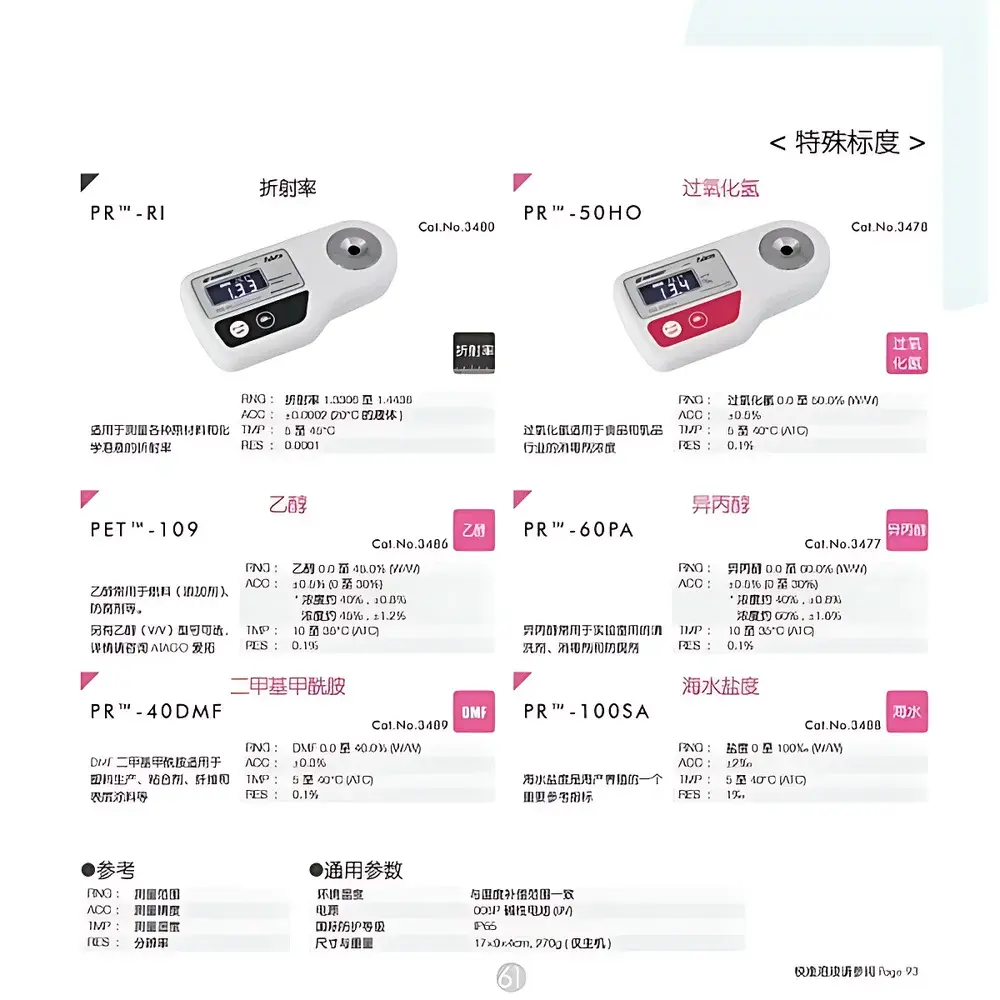
| Measurement Range | 0.0–60.0% IPA (w/w) |
| Accuracy | ±0.5% |
| Display | Digital LCD |
| Temperature Compensation | None |
| Compliance | Designed per JIS K 0071 and ISO 21748 (Refractometric Determination of Concentration) |
Overview
The ATAGO PR-60PA is a compact, handheld digital refractometer engineered specifically for rapid, on-site quantification of isopropyl alcohol (IPA) concentration in aqueous solutions. It operates on the fundamental optical principle of critical angle refractometry: incident light undergoes total internal reflection at the prism-sample interface, with the resulting shadow line position on the reticle correlating directly to the solution’s refractive index. This index is then converted—via a pre-calibrated polynomial algorithm—to IPA mass concentration (%) using the established relationship between refractive index and composition at 20.3 °C (standardized reference temperature per ATAGO’s internal calibration protocol). Unlike benchtop or temperature-controlled instruments, the PR-60PA relies on ambient temperature measurement and applies no active thermal regulation; therefore, users must record ambient conditions and apply manual correction if operating outside 10–30 °C, per ATAGO’s technical documentation. Its design prioritizes field robustness, minimal user training, and repeatable single-drop measurements—making it suitable for QC checkpoints in electronics cleaning, pharmaceutical excipient preparation, and laboratory solvent verification workflows.
Key Features
- Optimized optical system featuring high-transmittance sapphire prism for enhanced durability and resistance to chemical abrasion from IPA and common solvents
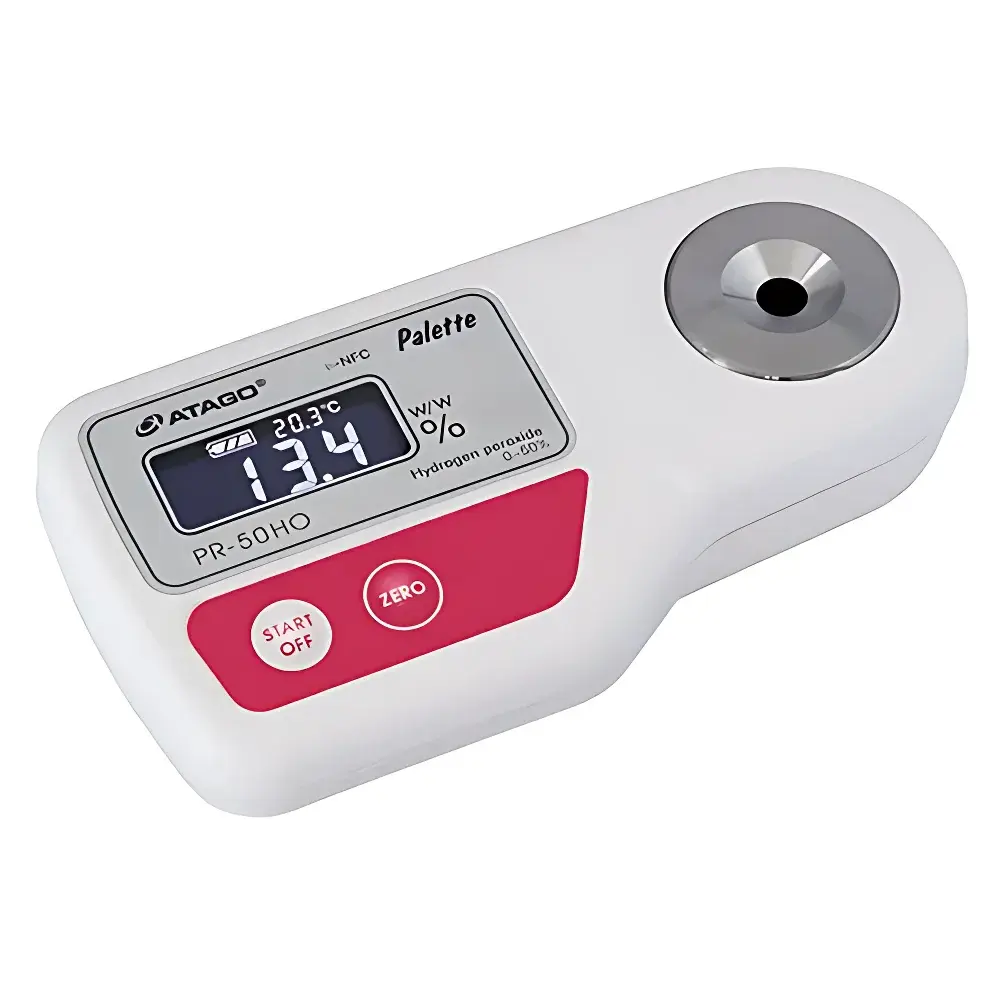
- Digital LCD display with automatic backlighting for low-light environments and immediate readout in % IPA (w/w)
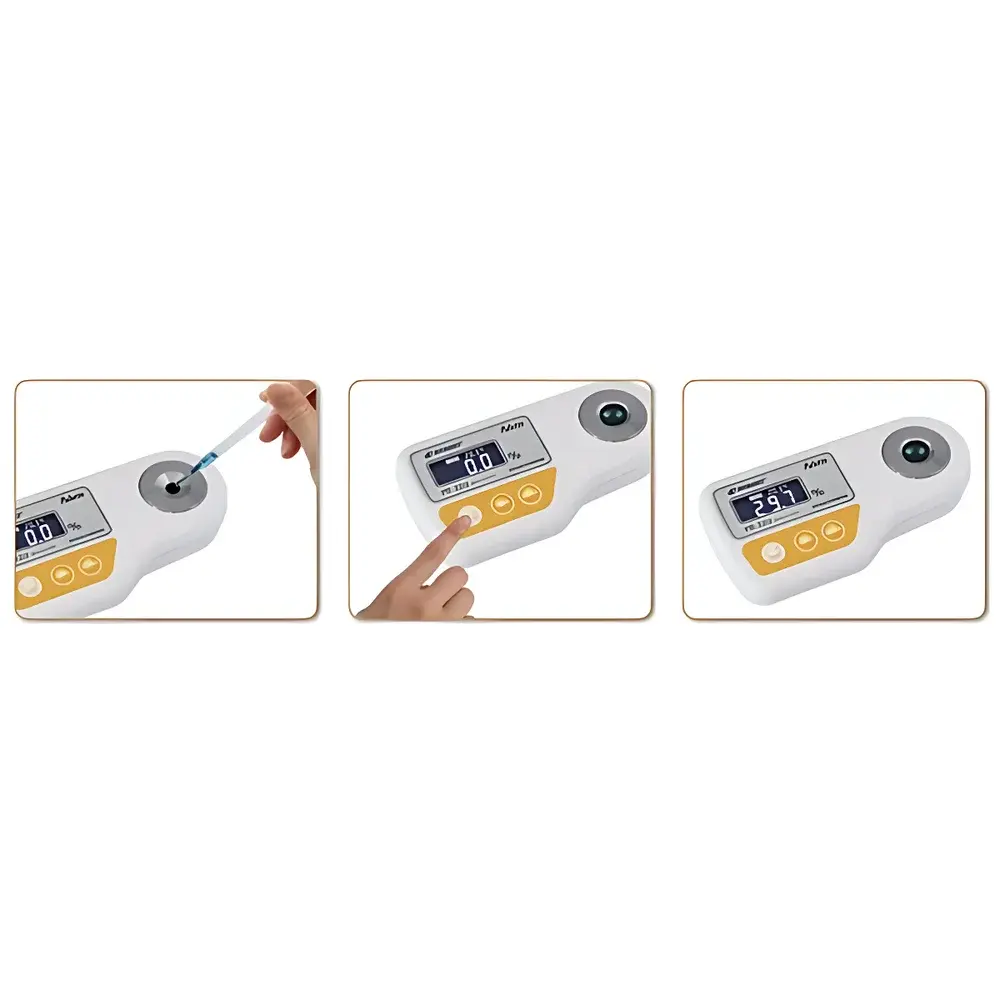
- Single-button operation with zero-point calibration function using distilled water (calibration traceable to NIST-traceable standards via ATAGO’s factory certification)
- Ergonomic, non-slip rubberized housing rated IP65 for dust and water jet resistance—suitable for cleanroom gowning zones and production floor use
- Battery-powered (2 × AAA, ~10,000 measurements per set) with auto-power-off after 3 minutes of inactivity to conserve energy
- Compliance-ready design: Calibration log storage (manual entry), serial-number traceability, and CE marking per Directive 2014/30/EU (EMC) and 2014/35/EU (LVD)
Sample Compatibility & Compliance
The PR-60PA is validated exclusively for homogeneous, non-viscous, non-particulate aqueous IPA solutions. It is not intended for use with mixtures containing surfactants, glycols, acids, or suspended solids, as these may alter surface tension, cause prism wetting anomalies, or induce refractive index deviations beyond the calibration model’s scope. While the instrument does not incorporate built-in temperature control, its firmware embeds the standard ATAGO temperature compensation curve for IPA–water systems—valid only when sample temperature is measured externally and entered manually (via optional PC software link). Regulatory alignment includes support for GLP documentation: users may maintain calibration records, operator IDs, and measurement timestamps in external logs per ISO/IEC 17025 clause 7.7. For FDA-regulated environments, the device satisfies 21 CFR Part 11 requirements only when paired with validated third-party data capture software that enforces electronic signatures and audit trails.
Software & Data Management
The PR-60PA operates as a standalone instrument with no onboard memory or Bluetooth/Wi-Fi connectivity. Measurement data must be recorded manually or transferred via optional RS-232 interface (using ATAGO’s dedicated cable and PC software, “ReflaSoft™ Lite”). ReflaSoft™ Lite enables batch export to CSV, calibration history tracking, statistical summary (mean, SD, CV%), and generation of printable reports compliant with internal QA templates. All calibration events—including date, standard used (e.g., distilled water), and operator ID—must be documented externally to satisfy ISO 9001 clause 8.5.2 (Identification and traceability) and ASTM D1218 (Standard Test Method for Refractive Index of Hydrocarbon Liquids).
Applications
- Routine verification of IPA dilution batches prior to wafer cleaning in semiconductor fabrication facilities
- Final concentration check of IPA-based disinfectant solutions in ISO Class 5–8 cleanrooms
- In-process monitoring during pharmaceutical solvent recovery and recycling loops
- Field validation of IPA content in printed circuit board (PCB) defluxing agents
- Educational laboratories demonstrating colligative property relationships between refractive index and solute concentration
FAQ
Does the PR-60PA comply with ASTM D1218 or ISO 21748?
Yes—the optical path geometry, prism material specification, and calibration methodology conform to the instrumental requirements outlined in ISO 21748:2015 and are functionally equivalent to ASTM D1218–19 for transparent liquids.
Can it measure ethanol or methanol concentrations?
No—this unit is factory-calibrated solely for the IPA–water binary system. Using it for other alcohols introduces unquantified systematic error due to differing partial molar refractions.
Is temperature compensation automated?
No—temperature compensation is not embedded in real time. Users must measure sample temperature separately and apply correction factors from ATAGO’s published IPA temperature–refractive index tables.
What is the minimum sample volume required?
Approximately 0.3 mL is sufficient to fully cover the prism surface; excess liquid is expelled via capillary action upon closure of the sample cover.
How often should calibration be performed?
ATAGO recommends calibration before each measurement session and after any significant ambient temperature shift (>5 °C); daily verification with distilled water is required under ISO/IEC 17025-accredited testing protocols.




