
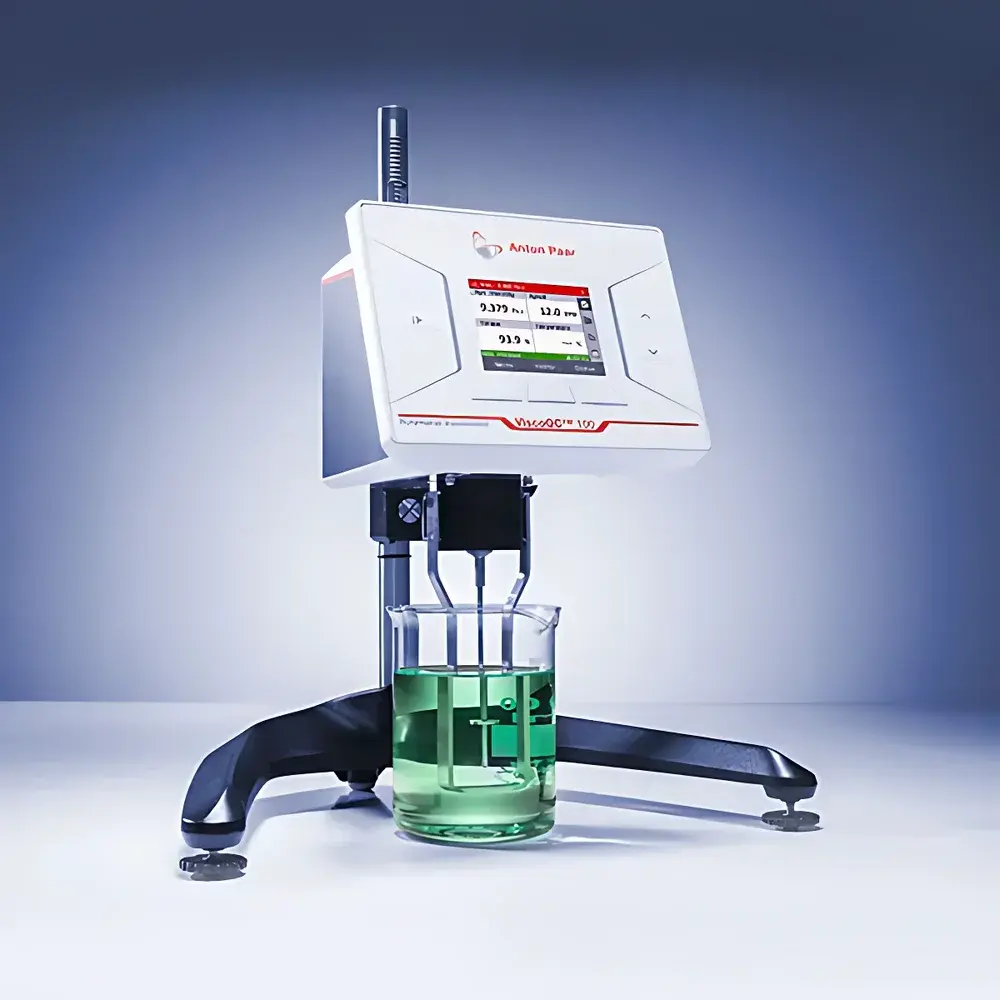
Anton Paar ViscoQC 100-L Low-Viscosity Rotational Viscometer
| Brand | Anton Paar |
|---|---|
| Origin | Austria |
| Model | ViscoQC 100-L |
| Instrument Type | Benchtop Rotational Viscometer |
| Viscosity Range | 1–6,000,000 mPa·s (L-model optimized for low-viscosity range) |
| Temperature Range | +15 °C to +80 °C (Peltier-controlled, air-backflow cooling) |
| Temperature Resolution & Accuracy | 0.01 °C |
| Speed Range | 0.1–200 rpm (25 standard speeds + 6 user-definable) |
| Torque Range (L) | 0.0673 mN·m |
| Accuracy | ±1.0 % of full scale |
| Repeatability | ±0.2 % |
| Compliance | ISO 2555, GMP, GAMP 5, ASTM D2196, USP <911> |
Overview
The Anton Paar ViscoQC 100-L is a benchtop rotational viscometer engineered for high-reproducibility single-point viscosity measurements in routine quality control and production environments. Based on Couette flow principle, it measures the torque required to rotate a spindle (rotor) at a defined speed within a fluid sample, converting mechanical resistance into dynamic viscosity (mPa·s) with traceable SI-unit calibration. Designed specifically for low-viscosity applications—including solvents, coatings, pharmaceutical excipients, liquid APIs, and thin polymer solutions—the L-variant employs geometry-optimized spindles (e.g., L1, L2) and optional dual-gap systems (DG26) to maximize sensitivity below 100 mPa·s while maintaining robustness across a 1–6×10⁶ mPa·s operational envelope. Its integrated Peltier temperature control system—combined with air-backflow cooling—enables rapid thermal equilibration and precise sample conditioning from +15 °C to +80 °C, eliminating external water baths and reducing measurement cycle time by up to 40% compared to conventional immersion thermostats.
Key Features
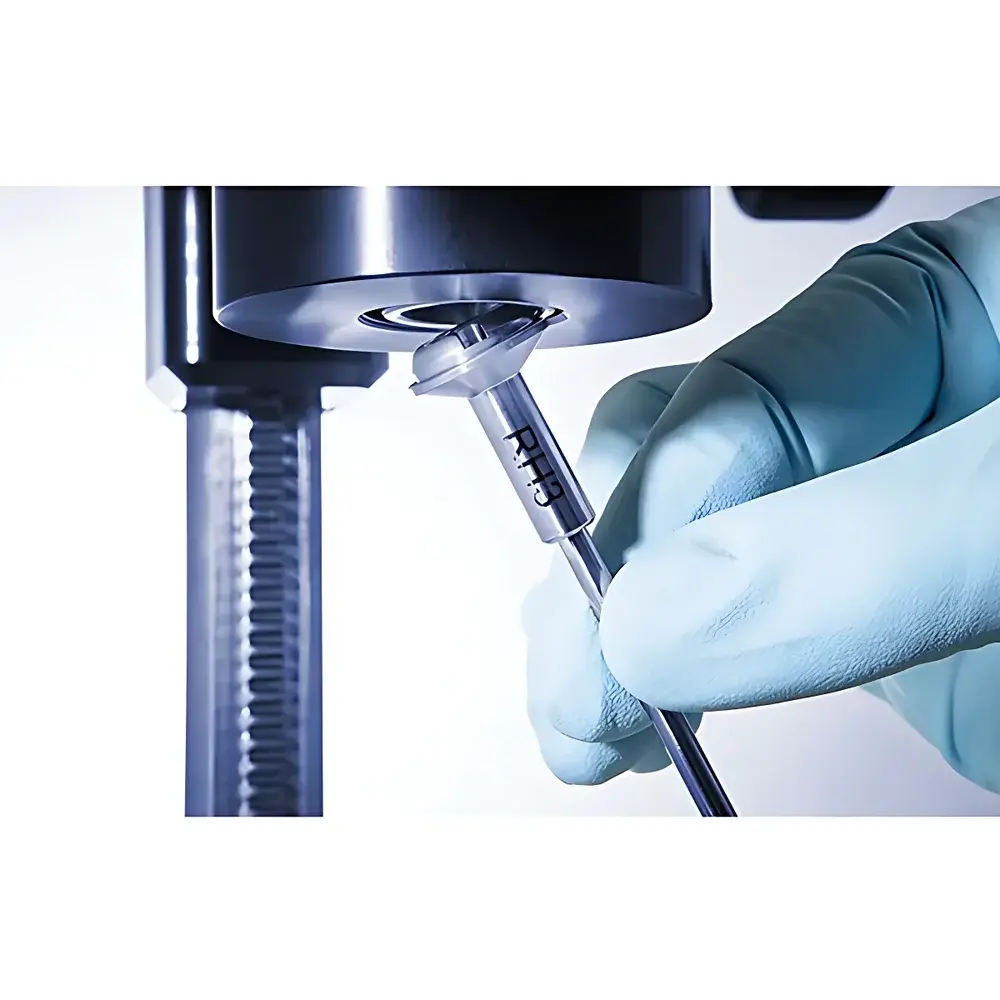
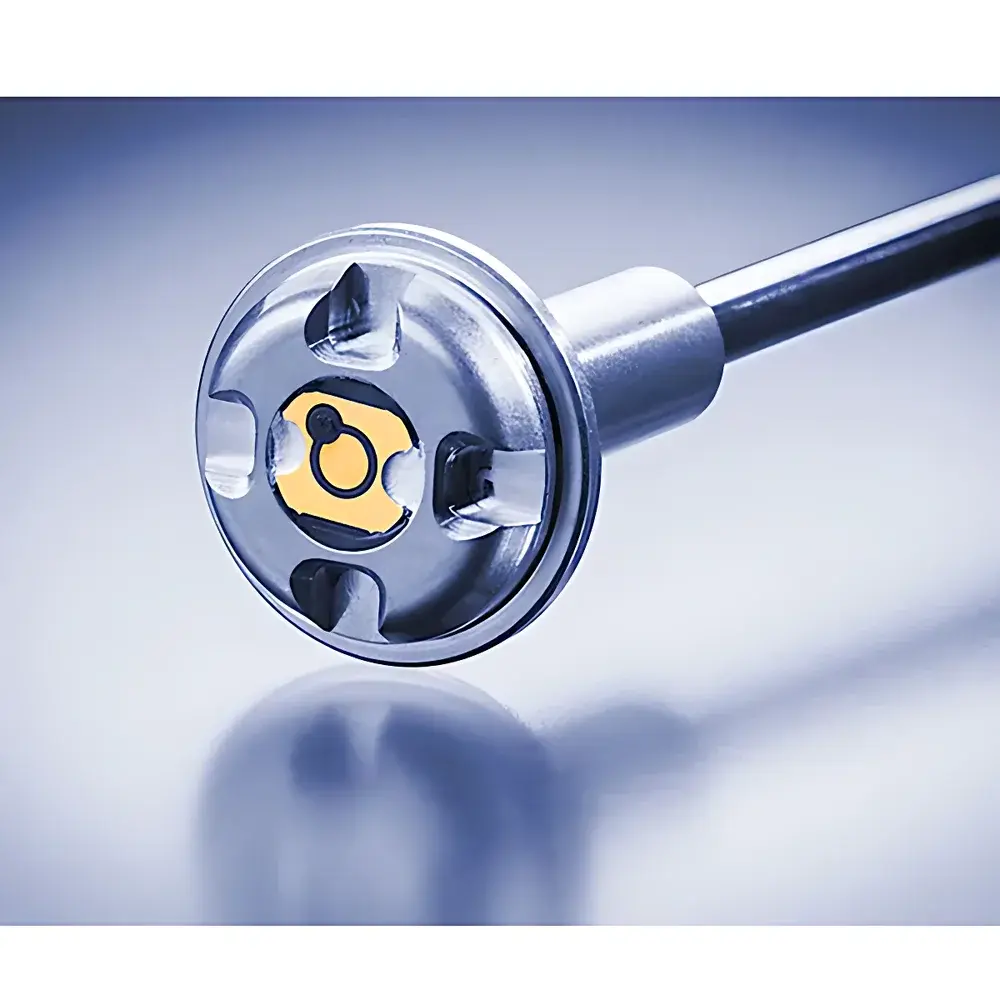
- Toolmaster™ automatic rotor identification: Each rotor embeds a passive RFID chip storing geometry, calibration constants, and correction factors—ensuring zero-input configuration and eliminating manual entry errors.
- TruMode™ adaptive speed selection: Automatically determines optimal rotor/speed combination for unknown samples using real-time torque feedback and predefined viscosity thresholds—reducing method development time by >70%.
- Pt100 temperature sensor (−60 °C to +300 °C range) integrated into rotor shaft for direct sample temperature monitoring—meeting ISO 2555 requirements for temperature accuracy and spatial representativeness.
- T-Ready™ thermal equilibrium detection: Algorithmically confirms stable sample temperature before initiating measurement—critical for GLP-compliant reporting and batch release documentation.
- Magnetic coupling mechanism: Enables tool-free rotor exchange without mechanical alignment or torque wrenching—preserving bearing integrity and minimizing downtime between samples.
- 3.5-inch color LCD with preconfigured operating modes: Manual, TruMode, fixed-time, fixed-torque, and fixed-temperature protocols—all accessible via intuitive icon-based navigation in 12 languages.
- AISI 316L stainless steel rotor construction: Provides superior chemical resistance against aggressive solvents (e.g., acetone, THF, ethanol/water mixtures), extending service life beyond 50,000 measurement cycles under typical QC conditions.
Sample Compatibility & Compliance
The ViscoQC 100-L accommodates standard DIN/ISO sample geometries—including disposable aluminum D18 cups (18 mm diameter), cylindrical glass vessels (25–50 mL), and custom containers mounted on the adjustable cup holder. Its modular design supports interchangeable rotors (L-, R-, H-series) and optional accessories such as splash guards (automatically detected for audit trail completeness), DG26 dual-gap systems for enhanced low-shear sensitivity, and universal sample holders for non-standard vials. Regulatory compliance is embedded at the firmware level: instrument certification documentation (IQ/OQ/PQ-ready), electronic signature support (via optional V-Collect software), and built-in audit trail logging satisfy core GMP and GAMP 5 requirements. While not natively 21 CFR Part 11 compliant out-of-the-box, the system supports validation packages enabling Part 11 readiness when deployed with validated IT infrastructure and procedural controls.
Software & Data Management
All ViscoQC 100-L units ship with V-Collect—a CE-certified, Windows-based data acquisition and reporting software package offering real-time graphing, statistical analysis (mean, SD, CV%), export to CSV/PDF/XLSX, and customizable report templates aligned with ISO/IEC 17025 and pharmaceutical SOPs. Raw data files include timestamped metadata: rotor ID, temperature history, speed profile, torque curve, and T-Ready confirmation status—ensuring full analytical traceability. For paper-based workflows, optional DYMO LabelWriter™ integration enables direct printing of compliant labels with sample ID, operator, date/time, and viscosity result. Non-storage operation mode allows immediate thermal-printer output post-measurement—ideal for cleanroom environments where local data storage is restricted.
Applications
The ViscoQC 100-L delivers consistent performance across regulated and industrial sectors requiring rapid, standardized viscosity verification. In pharmaceutical manufacturing, it validates solvent blends prior to lyophilization, monitors coating suspension stability during tablet film application, and verifies viscosity of ophthalmic solutions per USP . In food & beverage QA, it checks syrup consistency, dairy emulsion homogeneity, and plant-based milk flow behavior. Petrochemical labs use it for light fuel oil grading and additive dispersion assessment. Third-party testing laboratories deploy it for ASTM D2196-compliant paint/thinner evaluation and ISO 2555-conforming polymer solution characterization. Government regulatory bodies apply it in method transfer studies where inter-laboratory reproducibility must meet ≤±2% RSD criteria.
FAQ
Does the ViscoQC 100-L support temperature control below ambient?
No—its Peltier module provides active heating and air-backflow assisted cooling, limiting minimum operational temperature to +15 °C. For sub-ambient measurements, external recirculating chillers with compatible adapter kits are required.
Can I validate this instrument according to FDA 21 CFR Part 11?
Yes—with appropriate procedural controls, documented risk assessment, and deployment of V-Collect in validated IT environments; however, native electronic signature and audit trail features require configuration by qualified personnel per your organization’s validation protocol.
What is the difference between ViscoQC 100-L and ViscoQC 100-R?
The L-variant uses low-torque, high-sensitivity rotors optimized for 1–6×10⁶ mPa·s (e.g., L1/L2); the R-model employs medium-torque rotors covering 10–40×10⁶ mPa·s (e.g., R1–R7), making it suitable for medium-viscosity fluids like adhesives and gels.
Is rotor calibration stored permanently in Toolmaster™?
Yes—calibration coefficients, geometry parameters, and user-applied correction factors are written to the rotor’s embedded RFID chip during initial setup and persist across all ViscoQC instruments equipped with Toolmaster™ readers.
How often does the Pt100 sensor require recalibration?
Anton Paar recommends annual verification against a NIST-traceable reference thermometer; field replacement is possible without instrument disassembly—typically completed in <15 minutes by certified service engineers.



