
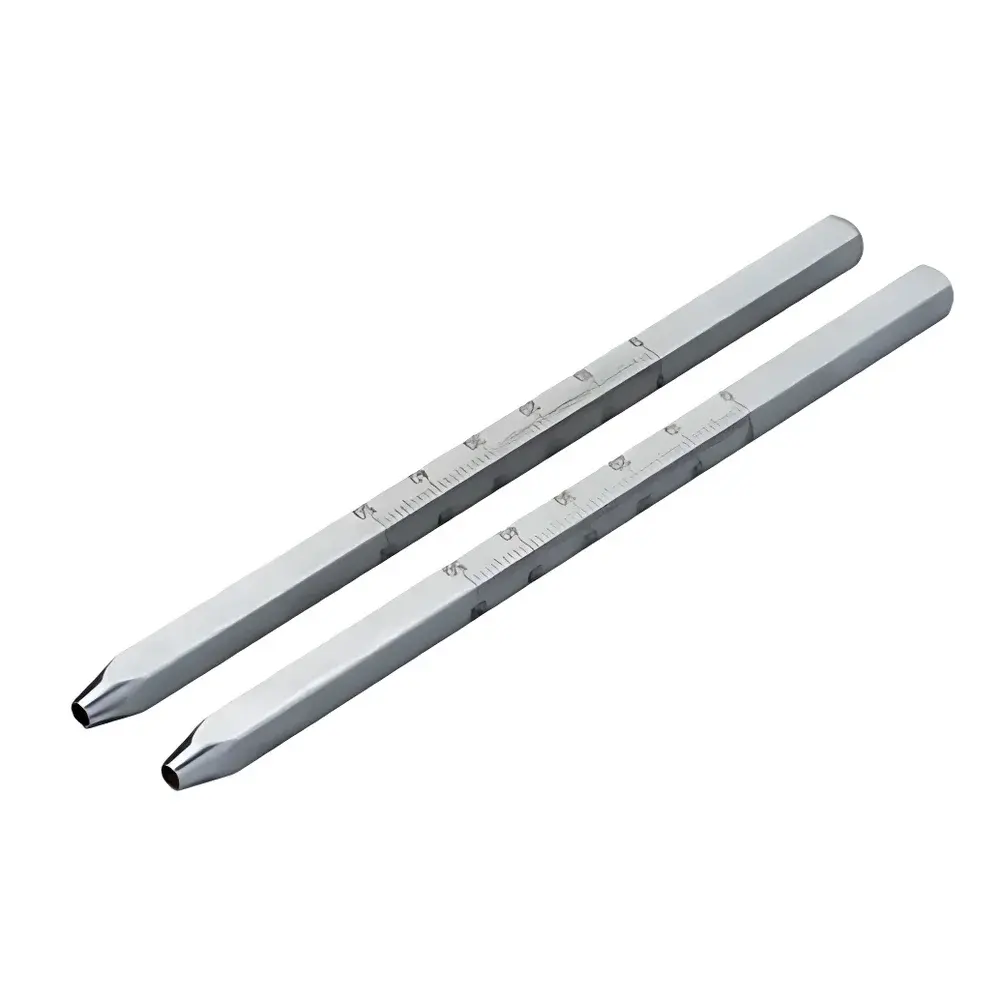
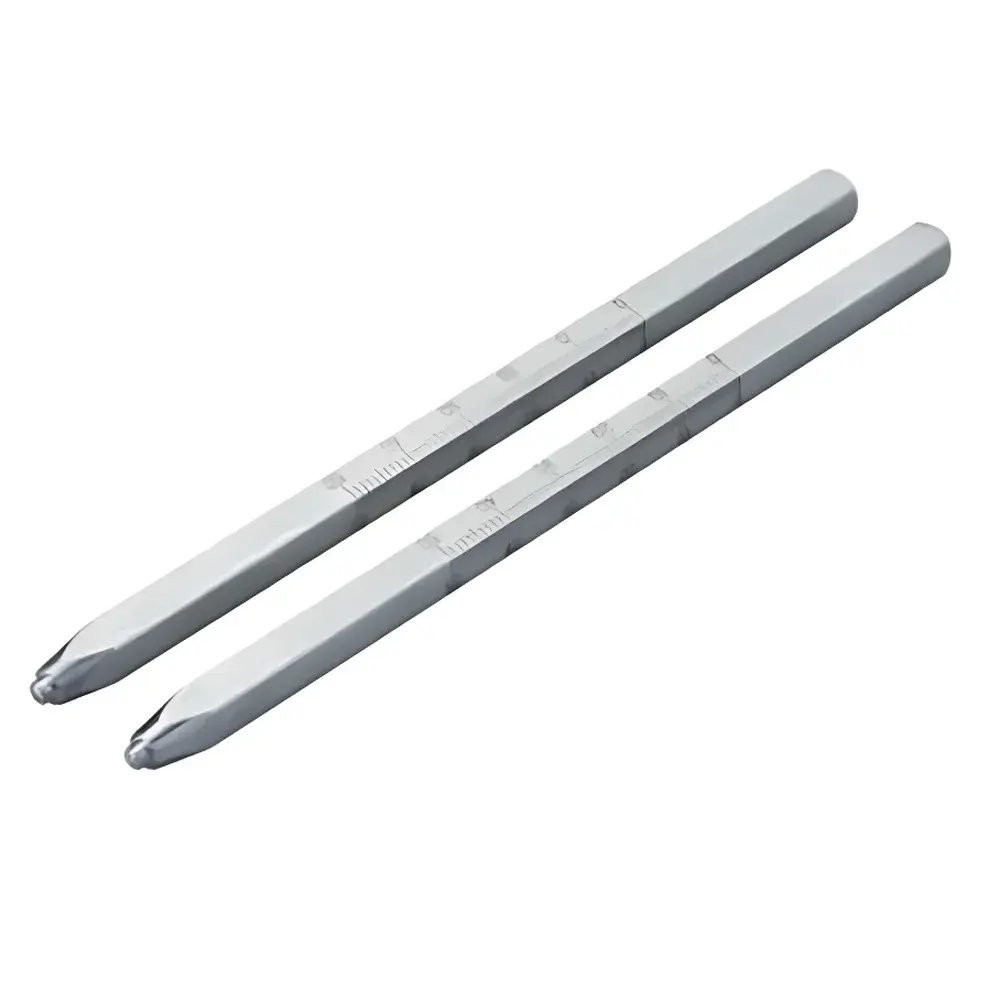
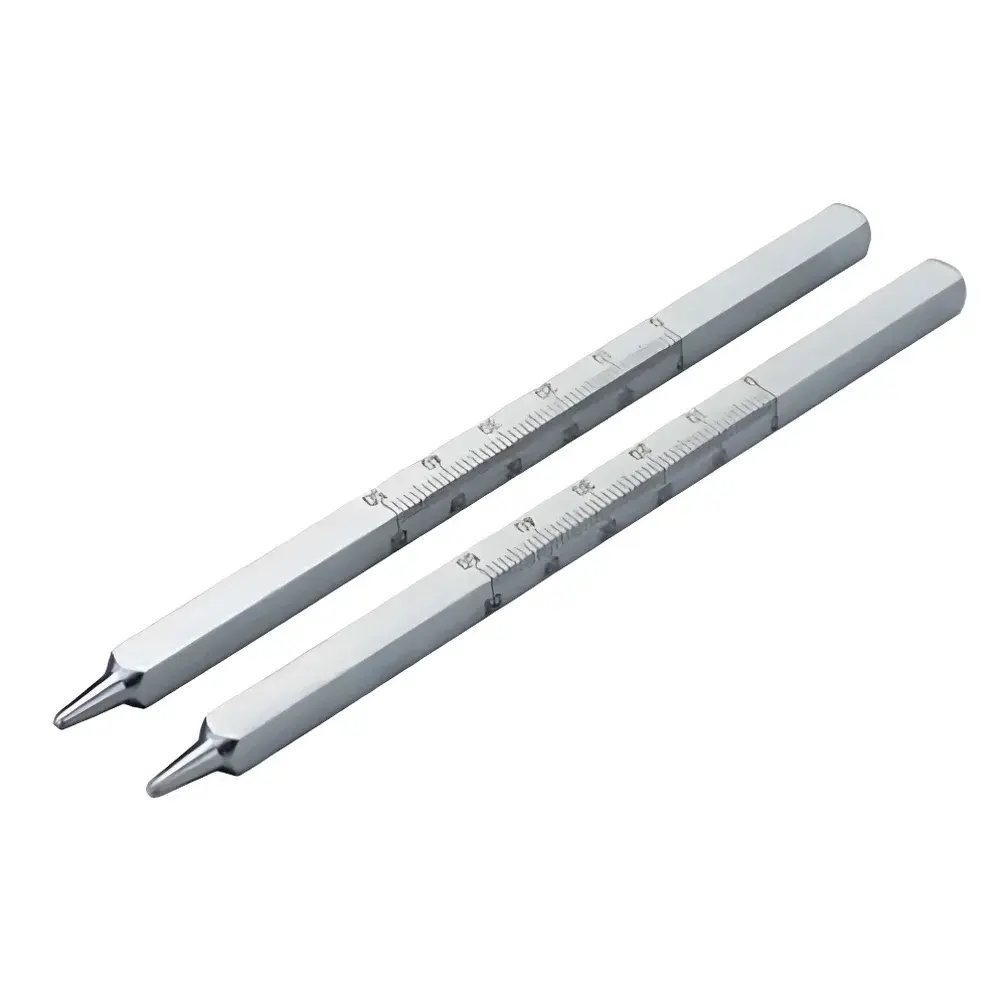
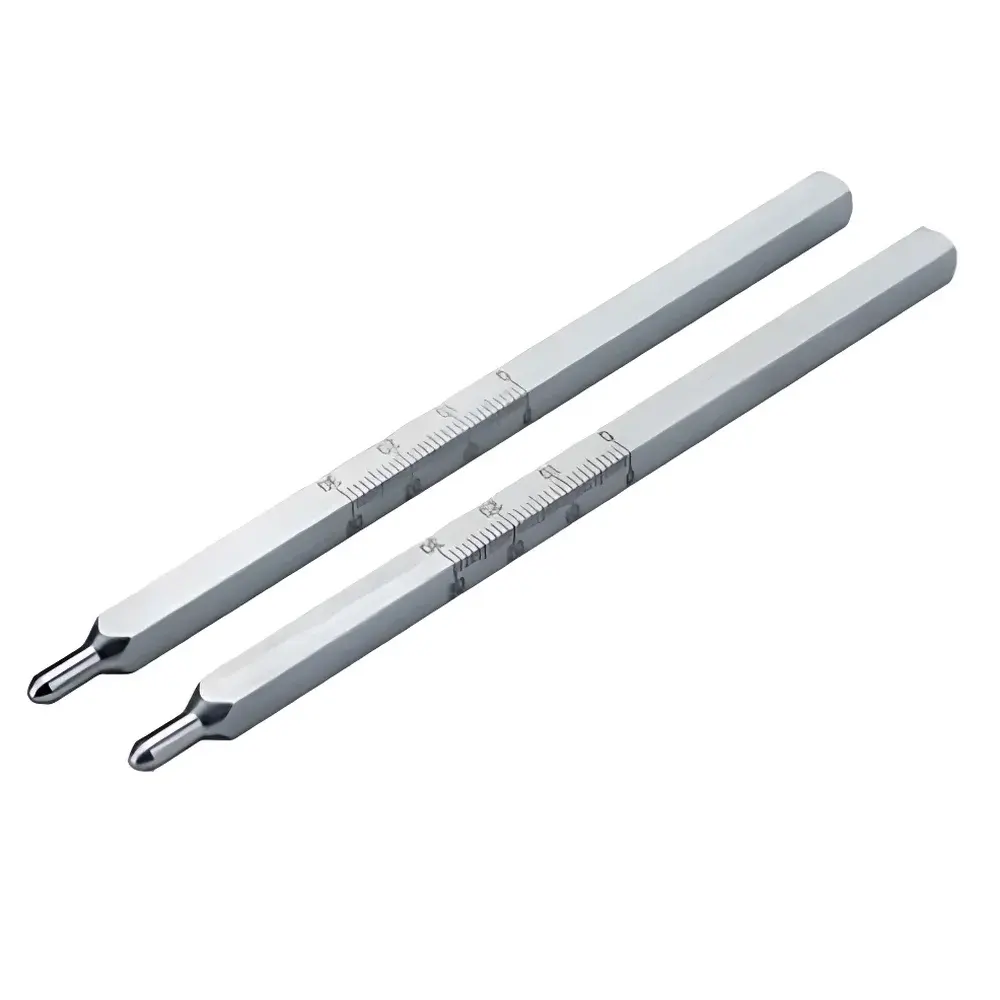
NARISHIGE EB-2A/2B/2C/2D Specialized Ear Bars for Rodent Stereotaxic Surgery
| Brand | NARISHIGE |
|---|---|
| Origin | Japan |
| Model | EB-2A/2B/2C/2D |
| Length | 140 mm (per pair) |
| Mass | 95 g (per pair) |
| Type | Stereotaxic ear bar set for auditory and neurosurgical applications |
Overview
The NARISHIGE EB-2A/2B/2C/2D series comprises precision-engineered stereotaxic ear bars designed specifically for secure, atraumatic head fixation of small laboratory rodents during electrophysiological, optogenetic, auditory, and neuroanatomical procedures. Each variant is mechanically optimized to match species-specific cranial morphology and tissue compliance while maintaining strict dimensional repeatability—critical for coordinate accuracy in stereotaxic atlas-based targeting. The EB-2A features a hollow cylindrical shaft that enables concurrent auditory stimulus delivery (e.g., tone bursts, click trains) via integrated tubing pathways without compromising mechanical stability. This design supports closed-field auditory neuroscience paradigms where precise temporal alignment between sound onset and neural recording or stimulation is essential. All models are manufactured from high-grade stainless steel (SUS304), electro-polished to ISO 13485-compliant surface finish standards, ensuring biocompatibility, corrosion resistance, and ease of sterilization via autoclaving (121°C, 20 min, saturated steam).
Key Features
- EB-2A: Hollow-bar configuration with internal lumen (Ø1.2 mm) for pneumatic or optical fiber routing—enables real-time auditory stimulation during craniotomy or electrode insertion.
- EB-2B: Non-penetrating, low-pressure contact geometry with radiused distal tips (R0.8 mm) and distributed load distribution—validated to limit peak tissue stress below 15 kPa on murine tympanic bullae, minimizing risk of middle ear trauma or vestibular disturbance.
- EB-2C: Mouse-optimized curvature (radius = 12.5 mm) and reduced tip width (2.1 mm) to accommodate the narrower interaural distance (≈11–13 mm) and thinner temporal bone of C57BL/6, BALB/c, and CD-1 strains.
- EB-2D: Guinea pig–specific geometry featuring extended lateral offset (±1.8 mm) and increased base thickness (3.5 mm) to stabilize the broader zygomatic arch and robust mastoid process characteristic of Cavia porcellus.
- All models include precision-machined M3.5 × 0.6 threaded shanks compatible with standard NARISHIGE SM-15, SR-6M, and S-1 stereotaxic frames.
- Surface roughness Ra ≤ 0.4 µm post-polishing; certified non-cytotoxic per ISO 10993-5.
Sample Compatibility & Compliance
These ear bars are validated for use in IACUC- and AAALAC-accredited facilities conducting acute or chronic preparations in mice (EB-2C), guinea pigs (EB-2D), and rats (EB-2A/2B). Their mechanical interface conforms to the dimensional constraints defined in the Paxinos & Franklin The Mouse Brain in Stereotaxic Coordinates (5th ed.) and the Klemm Stereotaxic Atlas of the Guinea Pig Brain. Each set undergoes 100% dimensional inspection using coordinate measuring machine (CMM) traceable to NIST standards. Packaging includes sterilization indicators and complies with ISO 11607-1 for terminally sterilized medical devices. Documentation supports GLP-compliant study reporting under OECD Principles of Good Laboratory Practice.
Software & Data Management
While the EB-2 series is a mechanical fixation tool and does not incorporate embedded electronics or firmware, its geometric specifications are fully integrated into NARISHIGE’s optional STS-1 Stereotaxic Planning Suite (v3.2+). Users may import custom coordinate templates aligned to species-specific atlases, assign bar type (EB-2A–D) to procedural workflows, and generate audit-ready setup logs—including torque values applied during bar tightening (recommended: 0.15–0.25 N·m), recorded via calibrated torque screwdriver (NARISHIGE TS-10). All log exports comply with FDA 21 CFR Part 11 requirements for electronic records when used with validated LIMS or ELN platforms.
Applications
- In vivo extracellular single-unit recordings in auditory cortex (A1), inferior colliculus (IC), and medial geniculate body (MGB) with simultaneous acoustic stimulation.
- Chronic implantation of microdrives or optrodes requiring multi-day stability across behavioral sessions.
- High-resolution MRI or micro-CT imaging of rodent heads under rigid fixation to eliminate motion artifacts.
- Calibration of binaural cue sensitivity using precisely controlled interaural time/level differences (ITD/ILD).
- Validation of cochlear implant electrode placement accuracy via postoperative histological reconstruction.
FAQ
Are EB-2A ear bars compatible with non-auditory experiments?
Yes—EB-2A functions identically to standard solid ear bars when the lumen remains unused; its structural rigidity (bending modulus > 180 GPa) meets all non-auditory stereotaxic requirements.
Can EB-2B be used for rat surgery?
EB-2B is primarily validated for rats and larger mice (e.g., CD-1); however, its tip geometry exceeds optimal pressure distribution for C57BL/6; EB-2C is recommended for standard inbred mouse strains.
Do these ear bars require recalibration after autoclaving?
No—dimensional stability is retained after ≥50 autoclave cycles; no recalibration is necessary per NARISHIGE QC protocol QI-EB2-REV4.
Is there a recommended torque specification for mounting?
Yes: 0.18 ± 0.02 N·m applied using a torque-limiting screwdriver; over-torquing may deform the frame adapter interface and compromise coordinate fidelity.
Are replacement tips available separately?
No—EB-2 series ear bars are supplied as fully assembled, non-modular units to ensure metrological integrity; full-set replacement is required if tip damage occurs.



