
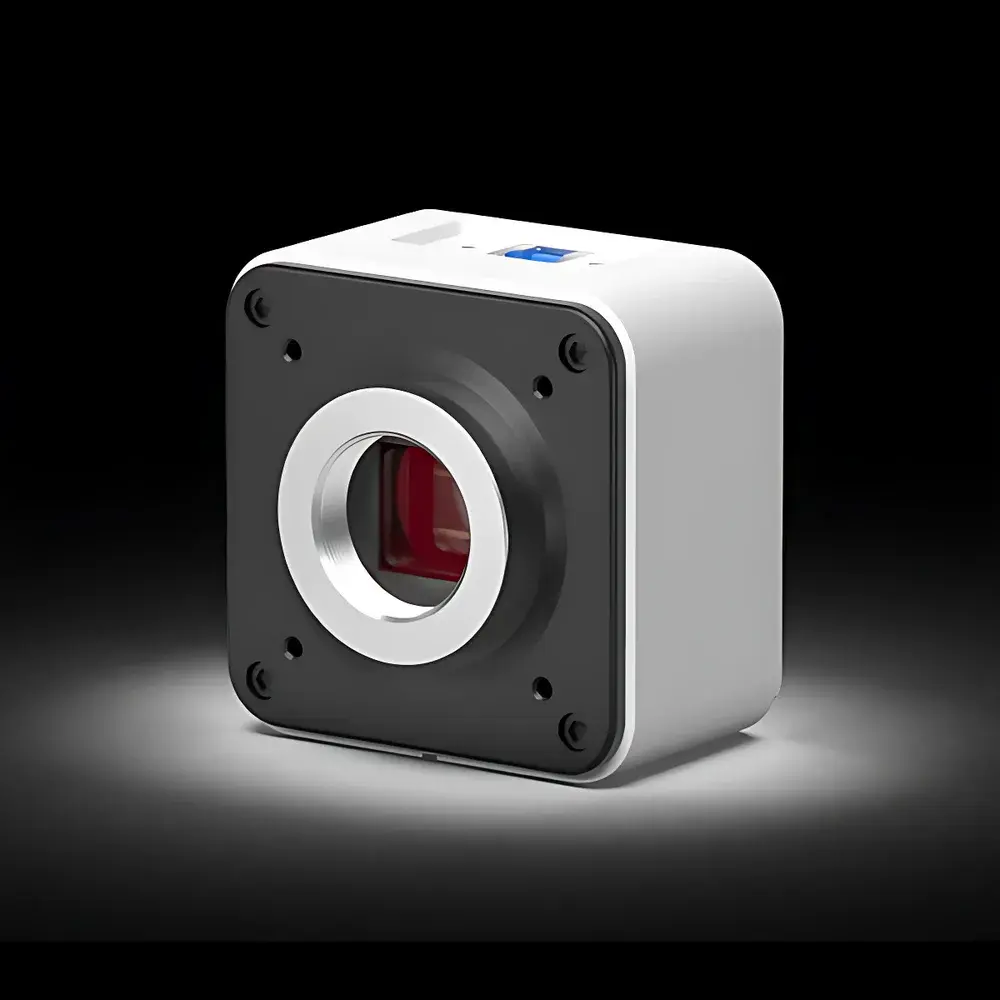
DS MC2000 1-Inch CMOS Color USB 3.0 Microscope Camera
| Brand | DS |
|---|---|
| Origin | Beijing, China |
| Manufacturer Type | Authorized Distributor |
| Regional Category | Domestic (PRC) |
| Model | MC2000 |
| Price | USD 1,180 (FOB) |
| Sensor Size | 1 inch |
| Pixel Size | 2.4 µm × 2.4 µm |
| Resolution | 5472 × 3648 (20.0 MP) |
| Frame Rate | 15 fps @ full resolution |
| Shutter Type | Rolling Shutter |
| Interface | USB 3.0 |
| Mount | Standard C-Mount |
| Dimensions | 68 × 68 × 47 mm |
| Weight | 327 g |
| SDK Support | Up to 4 cameras simultaneously |
| OS Compatibility | Windows 7/10 (32/64-bit), macOS |
| Minimum System Requirements | Intel Core i5 (quad-core or higher), 8 GB RAM |
Overview
The DS MC2000 is a high-performance 1-inch format CMOS color microscope camera engineered for precision digital microscopy in research, quality control, and clinical pathology environments. Built around the Sony IMX183CQJ-J sensor, it delivers 20.0 megapixel resolution (5472 × 3648) with a native pixel pitch of 2.4 µm — optimized for high spatial sampling without oversampling common with smaller-pixel sensors under standard microscope optics. Its 1-inch optical format ensures optimal field coverage across 10×–40× objective magnifications, minimizing vignetting while maximizing signal-to-noise ratio (SNR) in both brightfield and fluorescence imaging modalities. The camera operates via USB 3.0 interface, enabling sustained high-bandwidth data transfer essential for real-time computational imaging workflows. Unlike legacy CCD-based systems, the MC2000 leverages modern CMOS architecture for low read noise, high quantum efficiency (>75% peak at 550 nm), and power-efficient operation — critical for extended acquisition sessions and integration into automated imaging platforms.
Key Features
- 20.0 MP global-resolution imaging with native 1-inch sensor format for full-field illumination compatibility and minimal optical distortion
- Real-time image stitching powered by Sintec’s proprietary computational imaging engine — generates seamless wide-field mosaics during manual stage translation with sub-pixel alignment accuracy
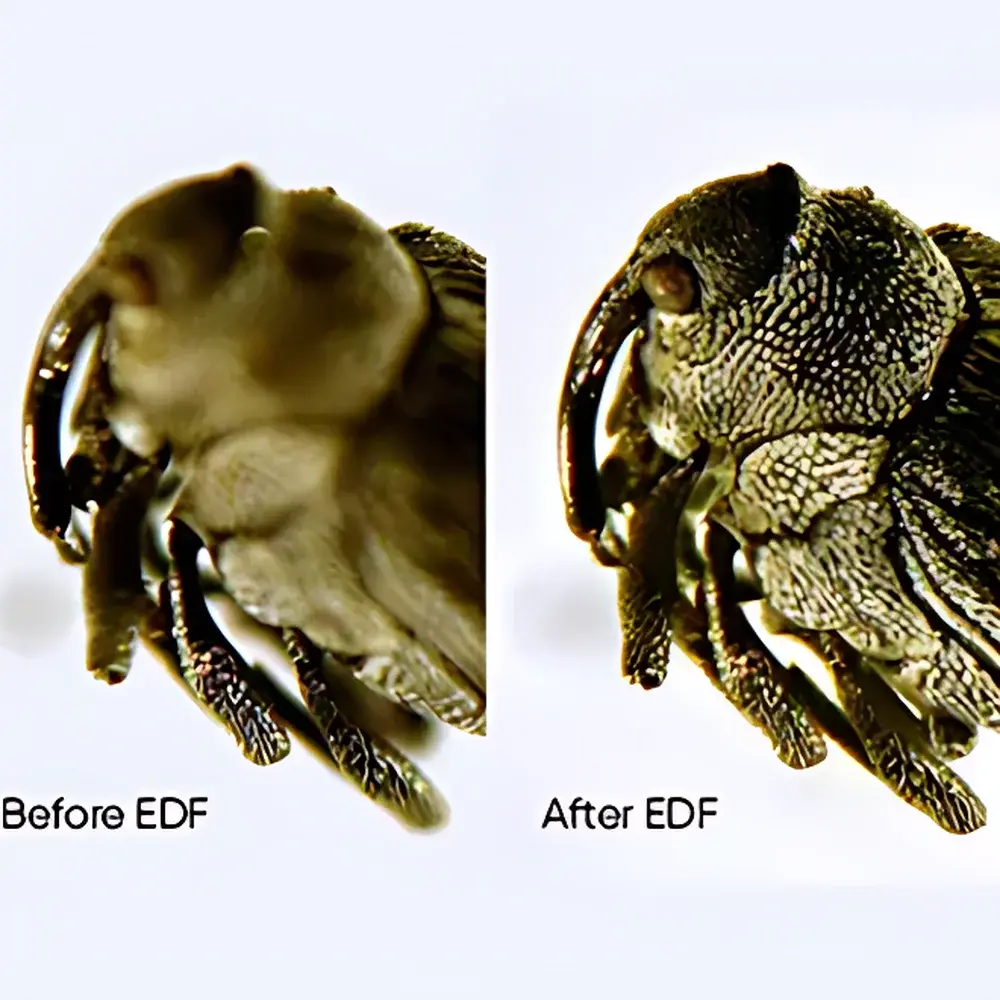
- On-the-fly extended depth-of-field (EDF) synthesis via Mosaic™ software integration — acquires and fuses Z-stack frames during continuous focus adjustment, producing fully focused composites without post-acquisition processing latency
- USB 3.0 interface supporting sustained throughput up to 400 MB/s — compatible with industrial-grade host controllers and deterministic timing for synchronized multi-camera acquisition
- C-mount mechanical interface with 17.526 mm flange distance — certified for use with all standard compound and stereo microscopes meeting ISO 8039:2019 optical interface specifications
- SDK-enabled multi-camera orchestration — supports up to four MC2000 units on a single host PC with hardware-timed triggering and shared timestamp synchronization
Sample Compatibility & Compliance
The MC2000 is validated for routine use across transmitted-light brightfield, phase contrast, differential interference contrast (DIC), and epifluorescence illumination configurations. Its spectral response (380–680 nm) aligns with common fluorophore emission bands including DAPI, FITC, TRITC, and Cy3. The camera meets CE marking requirements for electromagnetic compatibility (EN 61326-1) and safety (EN 61010-1). Firmware and driver packages comply with Windows Hardware Quality Labs (WHQL) certification standards. For regulated environments, the bundled SDK supports audit-trail logging and user-access controls required under FDA 21 CFR Part 11 and ISO 13485-aligned quality management systems.
Software & Data Management
The MC2000 ships with two integrated software modules: Sintec ImageStudio (for real-time stitching) and Mosaic EDF Suite (for depth fusion). Both tools operate natively within the camera’s memory-mapped buffer — eliminating intermediate file I/O bottlenecks. All acquired images are saved in TIFF 6.0 format with embedded EXIF metadata (exposure time, gain, binning, objective magnification, calibration scale). The SDK provides C/C++, Python (v3.7+), and .NET bindings with thread-safe callback architecture, enabling integration into custom LabVIEW, MATLAB, or Python-based analysis pipelines. Raw frame buffers support lossless 12-bit linear output — preserving dynamic range for quantitative intensity measurements compliant with ASTM E2813-21 guidelines for digital microscopy metrology.
Applications
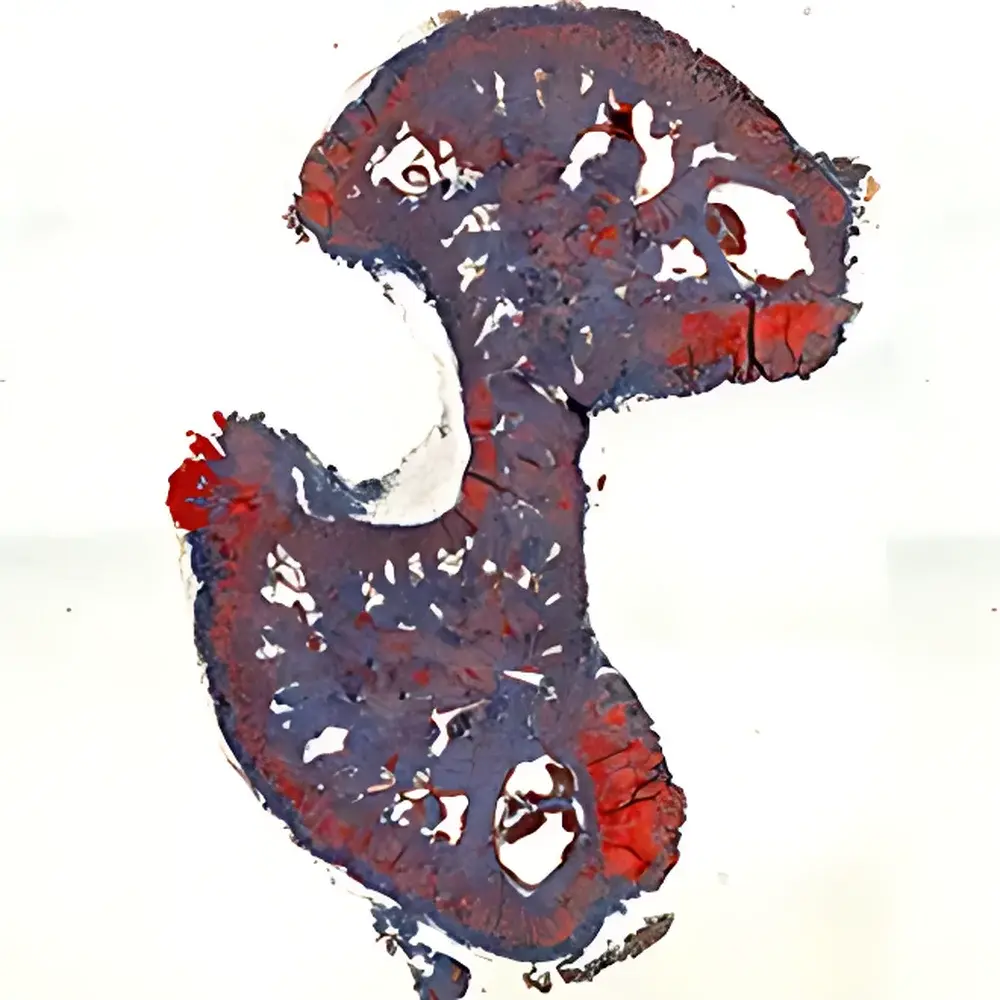
- Pathology slide digitization for telemedicine and AI-assisted diagnostics (supports Aperio-compatible tile export)
- In-process metallurgical grain structure analysis per ASTM E112-22
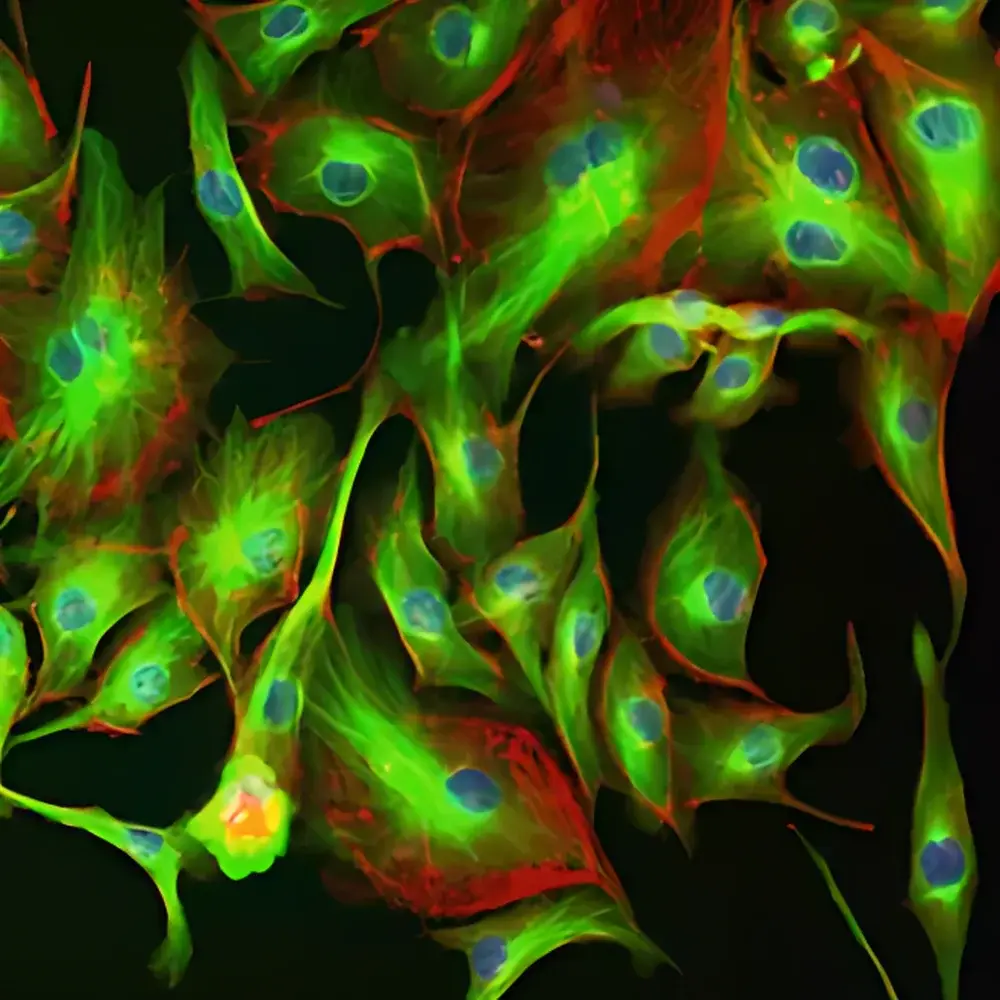
- Fluorescent cell counting and co-localization studies in academic and pharmaceutical labs
- Quality assurance of printed circuit board (PCB) solder joints and micro-defect inspection
- Botanical tissue sectioning and pollen morphology documentation per ISO 21562:2020
- Forensic fiber and trace evidence documentation requiring chain-of-custody metadata embedding
FAQ
Is the MC2000 suitable for live-cell time-lapse imaging?
Yes — its rolling shutter design supports exposure times from 100 µs to 10 s, and the SDK enables precise trigger delay control for synchronization with external light sources or environmental chambers.
Does the camera support hardware binning or region-of-interest (ROI) readout?
No hardware binning is implemented; however, ROI selection is fully supported via SDK and GUI, enabling frame-rate increases up to 120 fps at 1920 × 1080 resolution.
Can the MC2000 be used with non-DS microscope brands?
Yes — as a C-mount device, it is mechanically and optically interoperable with Olympus, Nikon, Leica, Zeiss, and Meiji systems when paired with appropriate adapter rings.
Is calibration data provided for photometric accuracy?
Each unit ships with factory-generated flat-field and dark-frame correction profiles, traceable to NIST-traceable reference illuminants per ISO/IEC 17025 accredited calibration procedures.
What is the warranty and service policy for international customers?
DS offers a 24-month limited warranty covering materials and workmanship, with technical support available via remote diagnostics and firmware updates through authorized regional service centers in EMEA, APAC, and North America.





