
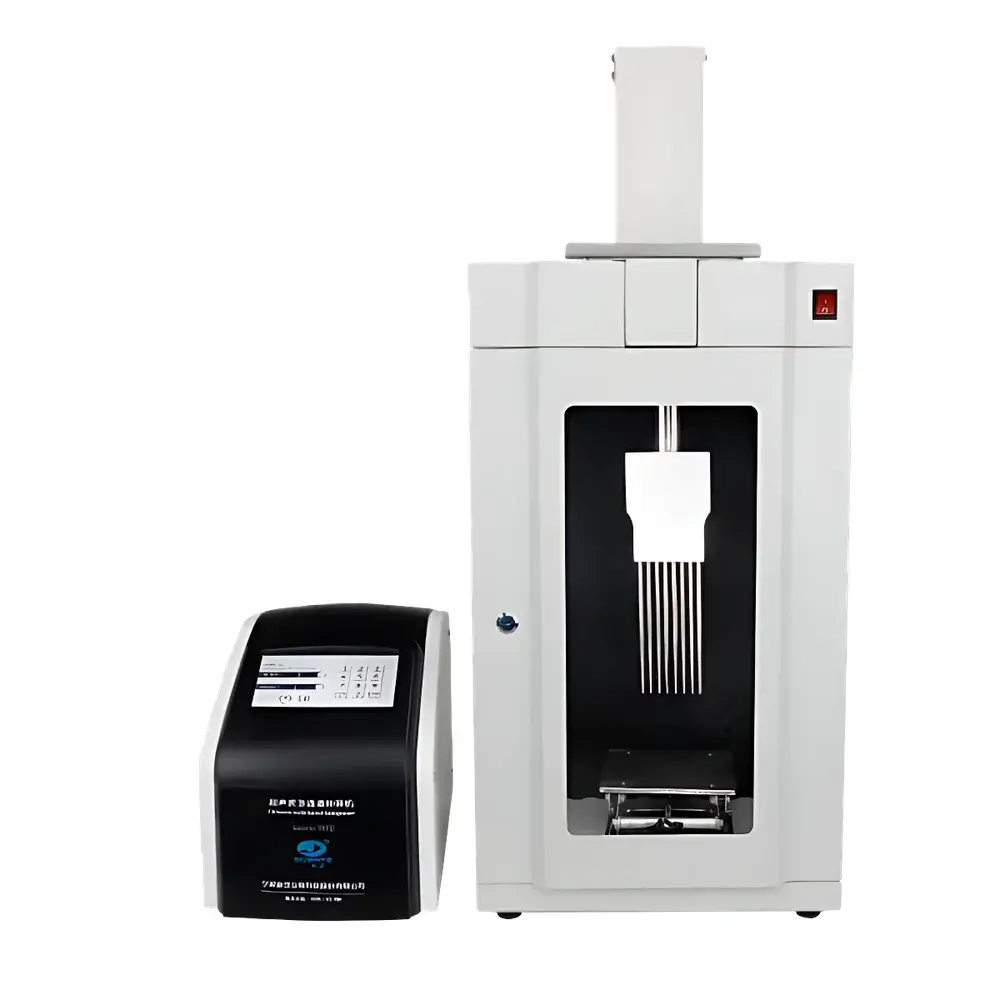
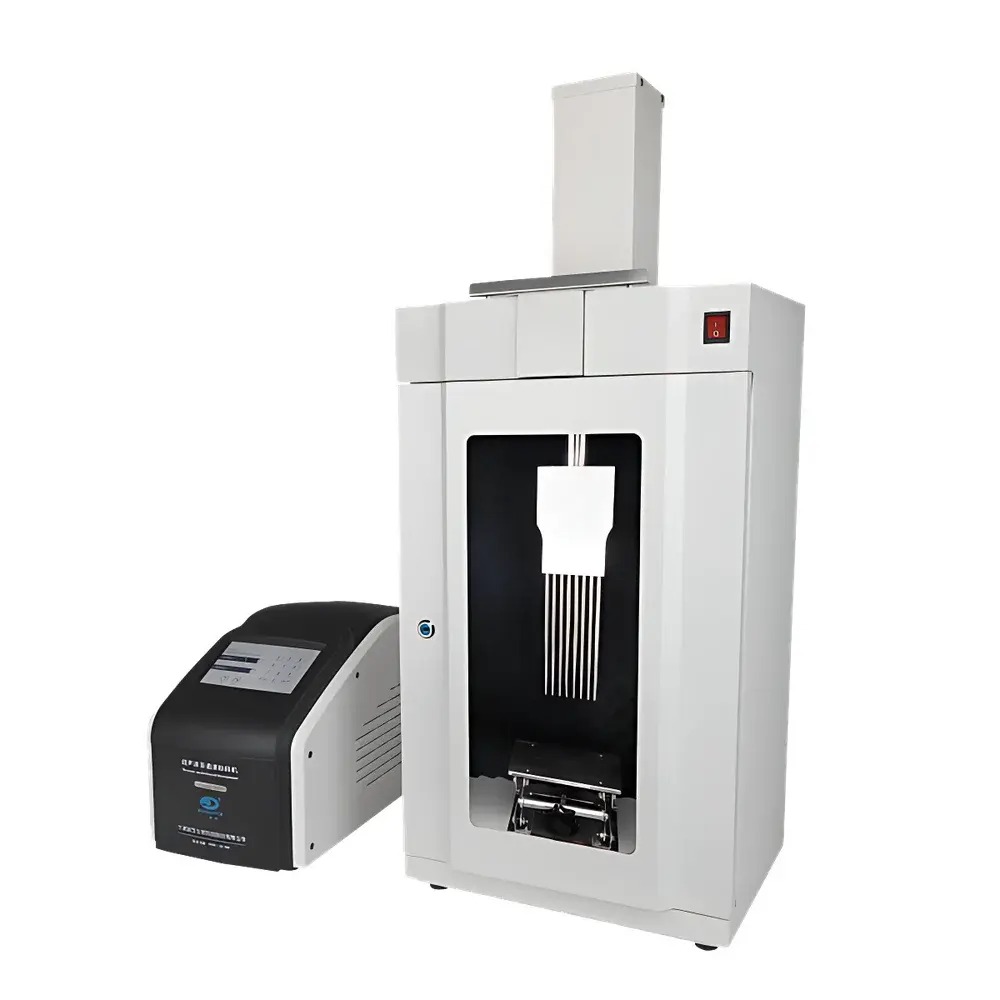
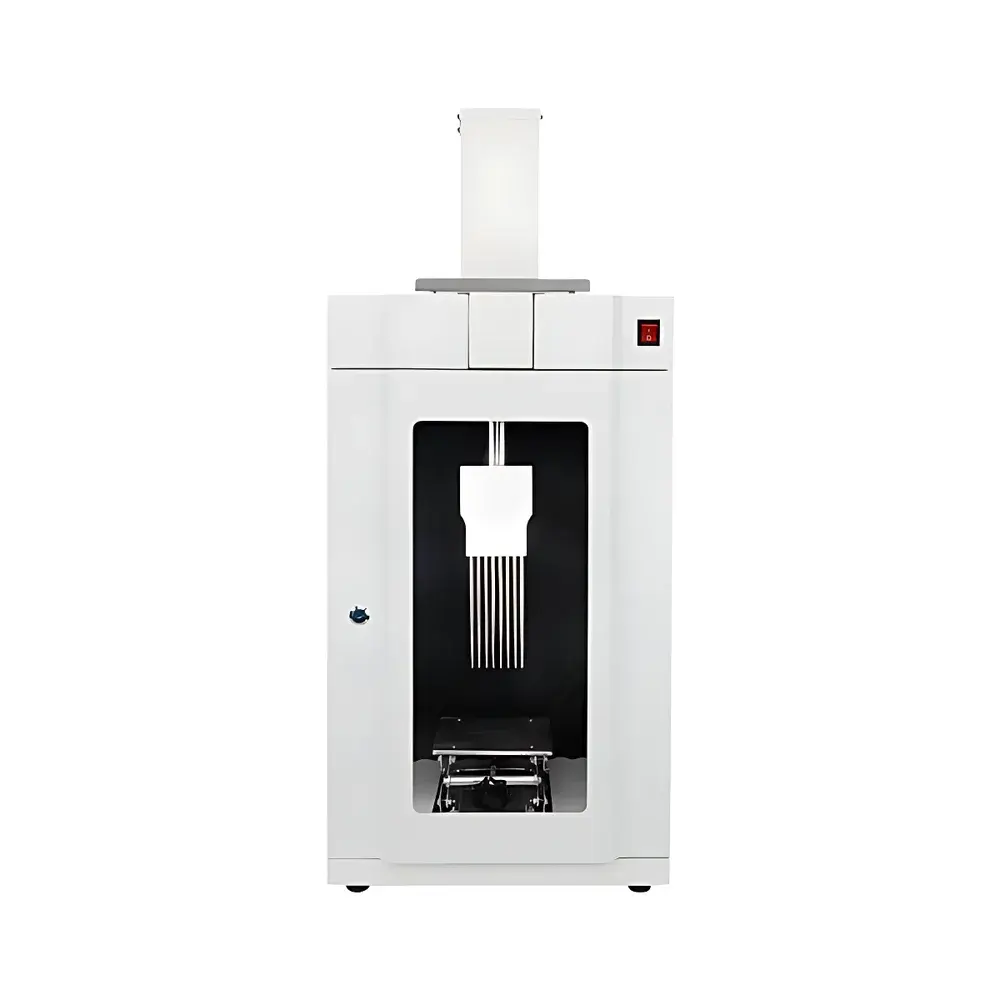
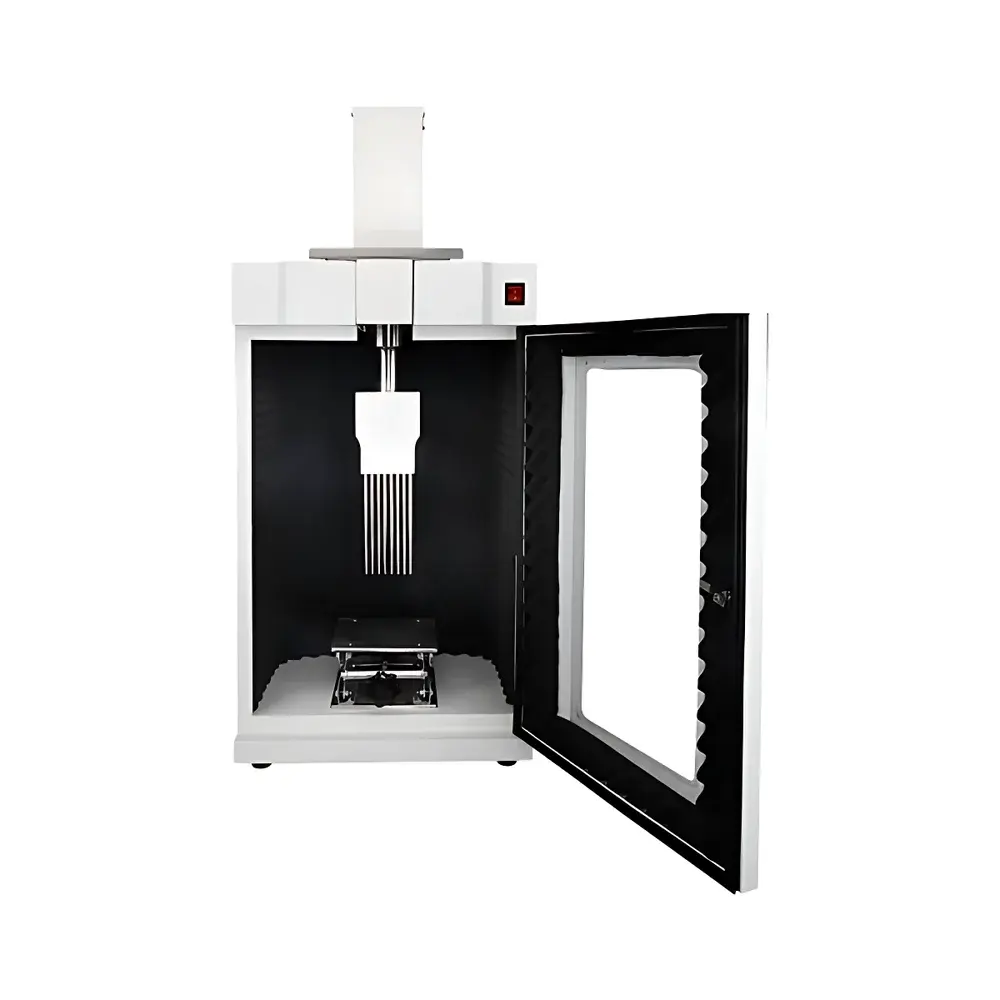
Ningbo Scientz SCIENTZ-24TD High-Throughput Ultrasonic Cell Disruptor
| Brand | Ningbo Scientz |
|---|---|
| Origin | Zhejiang, China |
| Manufacturer Type | Direct Manufacturer |
| Instrument Type | Ultrasonic Cell Disruptor |
| Model | SCIENTZ-24TD |
| Operating Frequency | 20 kHz ± 0.5 kHz |
| Total Ultrasonic Output Power | 2400 W |
| Sample Volume per Tube | 100 µL – 5 mL |
| Parallel Processing Capacity | 24 samples |
| Cooling Method | Integrated Temperature-Controlled Rack (External Chiller Interface Supported) |
| Pulse Mode | Adjustable Duty Cycle (Continuous / Intermittent) |
| Programmable Protocols | Up to 20 user-defined methods |
| Safety Features | Overtemperature & Overload Protection, Real-time System Diagnostics |
Overview
The Ningbo Scientz SCIENTZ-24TD High-Throughput Ultrasonic Cell Disruptor is an engineered solution for parallel, reproducible lysis of biological samples using high-intensity focused ultrasound. It operates on the physical principle of acoustic cavitation: when high-frequency ultrasonic energy (20 kHz ± 0.5 kHz) is transmitted into a liquid medium via titanium alloy probes, transient microbubbles form, grow, and collapse violently—generating localized shockwaves, microstreaming, and shear forces exceeding 10⁴ Pa. These mechanical effects disrupt cellular membranes, organelles, and extracellular matrices without significant thermal denaturation when operated under controlled temperature conditions. Unlike single-probe sonicators, the SCIENTZ-24TD integrates 24 precisely aligned, independently calibrated ultrasonic transducers mounted on a thermally stabilized aluminum rack—enabling simultaneous processing of up to 24 microcentrifuge tubes (0.2–1.5 mL) or deep-well plates (up to 5 mL/tube), minimizing inter-sample variability critical for downstream applications such as chromatin immunoprecipitation (ChIP), RNA-seq library preparation, and recombinant protein extraction.
Key Features
- 24-channel synchronized ultrasonic output with individual probe calibration traceability to ensure uniform energy delivery across all positions
- Total system power output of 2400 W, distributed across 24 channels with adjustable per-channel intensity (10–100% full scale)
- Programmable pulse mode: duty cycle (on/off ratio), burst duration, and total sonication time configurable in 0.1-s increments
- Integrated thermal management: aluminum sample rack with integrated coolant channel interface (compatible with external recirculating chillers, e.g., Julabo F25); optional real-time IR-based surface temperature monitoring
- Microprocessor-controlled diagnostics: automatic detection of probe detachment, impedance mismatch, transducer overheating, and power supply anomalies
- GLP-compliant protocol storage: 20 programmable methods with timestamped execution logs, accessible via front-panel keypad or RS-232/USB interface
- CE-marked electrical safety architecture compliant with IEC 61010-1; RF emission levels meet EN 61326-1 Class B requirements
Sample Compatibility & Compliance
The SCIENTZ-24TD accommodates standard 0.2–2.0 mL microcentrifuge tubes, PCR strips, and 96-well deep-well plates (with optional adapter). It supports lysis of Gram-positive/negative bacteria (e.g., E. coli, B. subtilis), yeast (S. cerevisiae), mammalian cells (HEK293, CHO), plant tissues (tobacco, Arabidopsis), viral particles (inactivated influenza A), and spores (Bacillus). All protocols are compatible with ISO 13485-aligned quality systems and support audit-ready documentation for GLP and GMP environments. The instrument’s non-contact operation eliminates cross-contamination risk—critical for epigenetics workflows requiring fragmentation-free DNA shearing per ENCODE and ENA guidelines. Temperature-sensitive applications (e.g., native co-immunoprecipitation) benefit from real-time thermal feedback loops maintaining sample zone deviation ≤ ±1.5 °C over 10-min runs.
Software & Data Management
While the SCIENTZ-24TD operates autonomously via its embedded control panel, optional Scientz-Ultrasonics PC Suite (v3.2+) enables remote scheduling, parameter validation, and electronic lab notebook (ELN) integration via CSV export. All executed protocols retain metadata including date/time stamp, operator ID (via optional RFID badge reader), actual RMS power delivered per channel, cumulative probe usage hours, and thermal history. Audit trails comply with FDA 21 CFR Part 11 requirements when paired with validated user authentication and digital signature modules. Data integrity is preserved through cyclic redundancy checksum (CRC-32) verification during USB transfer and encrypted local storage.
Applications
- High-throughput nucleic acid shearing for ChIP-seq, ATAC-seq, and cfDNA fragmentation without enzymatic bias
- Preparation of subcellular fractions (mitochondria, nuclei) from tissue homogenates under isotonic, ice-cold conditions
- Dispersion and deagglomeration of nanomaterials (carbon nanotubes, metal oxides) in aqueous and organic solvents for TEM/SEM sample prep
- Accelerated solvent extraction of alkaloids, flavonoids, and terpenoids from botanical matrices per AOAC 992.17
- Emulsification of lipid nanoparticles (LNPs) for mRNA vaccine formulation development
- Soil microbiome disruption for metagenomic DNA recovery from clay-rich aggregates
- Surface cleaning and biofilm removal from stainless-steel coupons in biopharmaceutical equipment validation studies
FAQ
What is the maximum recommended sample volume per tube for optimal cavitation efficiency?
For consistent lysis across all 24 channels, use 200–1000 µL in 1.5-mL microcentrifuge tubes. Volumes below 100 µL risk insufficient coupling; above 3 mL reduce energy density and increase heat accumulation.
Can the SCIENTZ-24TD be used for cryogenic sonication?
No. The system is not rated for sub-zero ambient operation. For cold lysis, integrate an external chiller set to 4 °C and pre-chill samples and tubes; avoid condensation ingress into probe housings.
Is probe replacement traceable for ISO/IEC 17025 accreditation?
Yes. Each titanium probe carries a laser-etched serial number linked to factory calibration certificates (including amplitude linearity and resonance frequency verification at 20 kHz). Replacement logs are stored in the device’s internal memory.
Does the instrument support ASTM E2913-20 compliance for particle size reduction validation?
While not a particle sizer, the SCIENTZ-24TD enables repeatable dispersion protocols required in ASTM E2913 Annex A2 for nanomaterial stabilization prior to DLS or NTA analysis.
How is acoustic energy uniformity verified across 24 channels?
Scientz provides a quarterly calibration kit (Cat. No. CAL-SC24-Ti) including hydrophone-based mapping fixtures and NIST-traceable reference standards for spatial intensity profiling per IEC 61689.





