
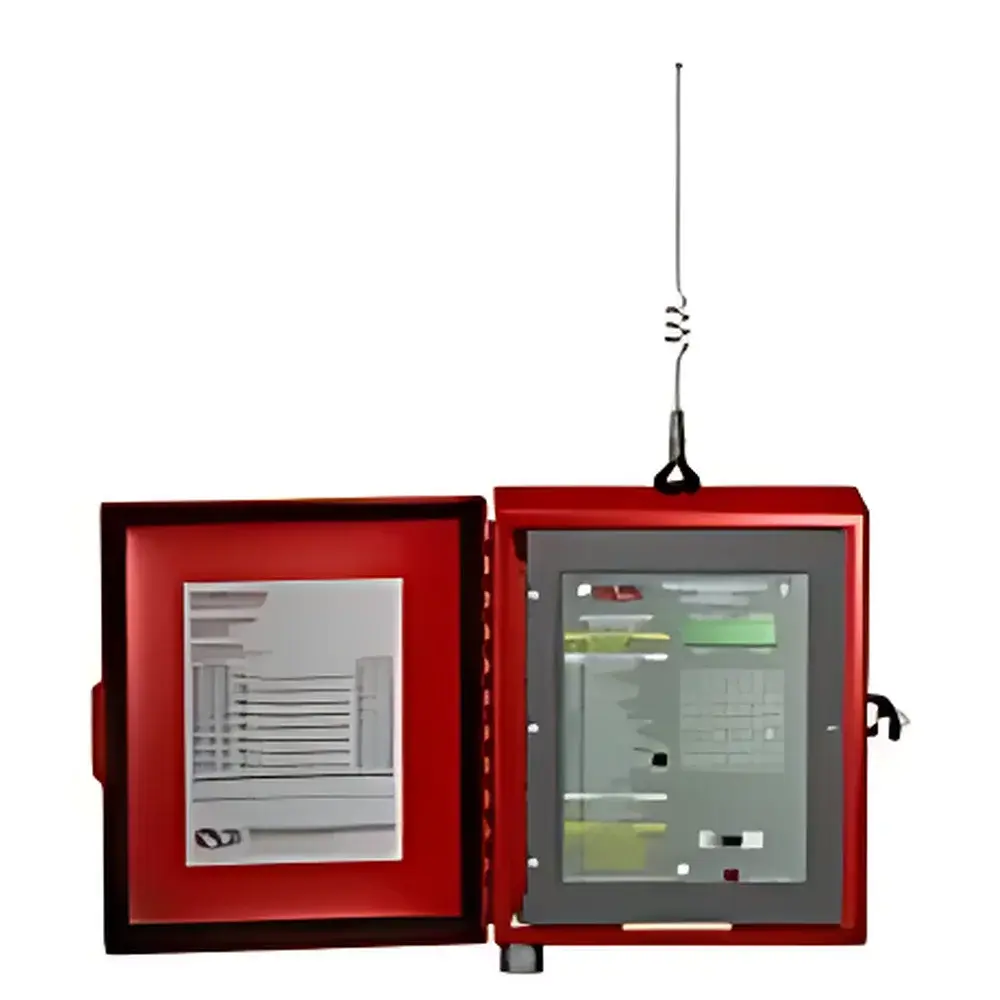
Intelligent Plunger Lift Gas Production System
| Brand | JinJunPai |
|---|---|
| Model | PCS-002 |
| Origin | USA |
| Type | Imported Petroleum Product Sampling & Artificial Lift Device |
| Manufacturer Status | Authorized Distributor |
| Pricing | Available Upon Request |
Overview
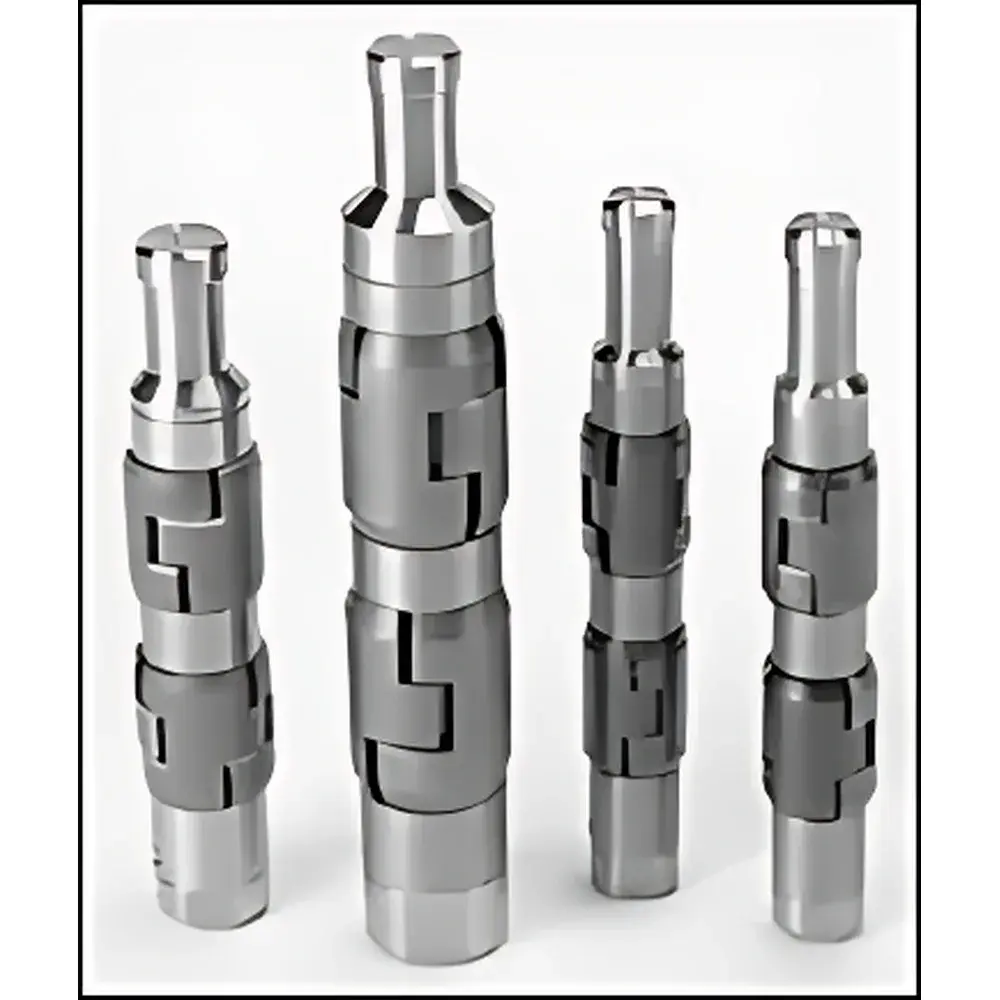
The JinJunPai PCS-002 Intelligent Plunger Lift Gas Production System is an automated, energy-efficient artificial lift solution engineered for low-pressure, high-gas-volume natural gas wells. It operates on the principle of cyclic pneumatic energy storage and release within the wellbore, leveraging native reservoir pressure—rather than external power sources—to drive intermittent plunger-assisted fluid removal. During the shut-in phase, the controller actuates a pneumatic valve to isolate the production line; the plunger descends under gravity to a mechanical stop (e.g., tubing bumper or lock-down device), sealing the annulus and allowing gas to accumulate below it. Once bottomhole pressure recovers to a pre-set threshold, the controller reopens the valve, enabling stored gas energy to accelerate the plunger upward at velocities typically ranging from 3–8 m/s. The plunger lifts accumulated liquids (condensate, water, or brine) to surface, where they are discharged through a separator. Upon detection of plunger arrival at the top of the tubing string via a magnetic or proximity sensor, the valve closes again, initiating the next descent cycle. This closed-loop, self-regulating operation not only sustains flow in marginal wells but also provides continuous mechanical cleaning of paraffin, scale, and salt deposits along the tubing wall—significantly mitigating formation damage and improving long-term well integrity.
Key Features
- Autonomous control architecture with programmable cycle timing, pressure-triggered actuation, and real-time fault diagnostics
- Integrated solar-powered controller (12 V DC nominal) eliminating dependency on grid electricity or battery replacement
- Stainless-steel plunger assembly with elastomeric seals rated for H₂S and CO₂ service per NACE MR0175/ISO 15156
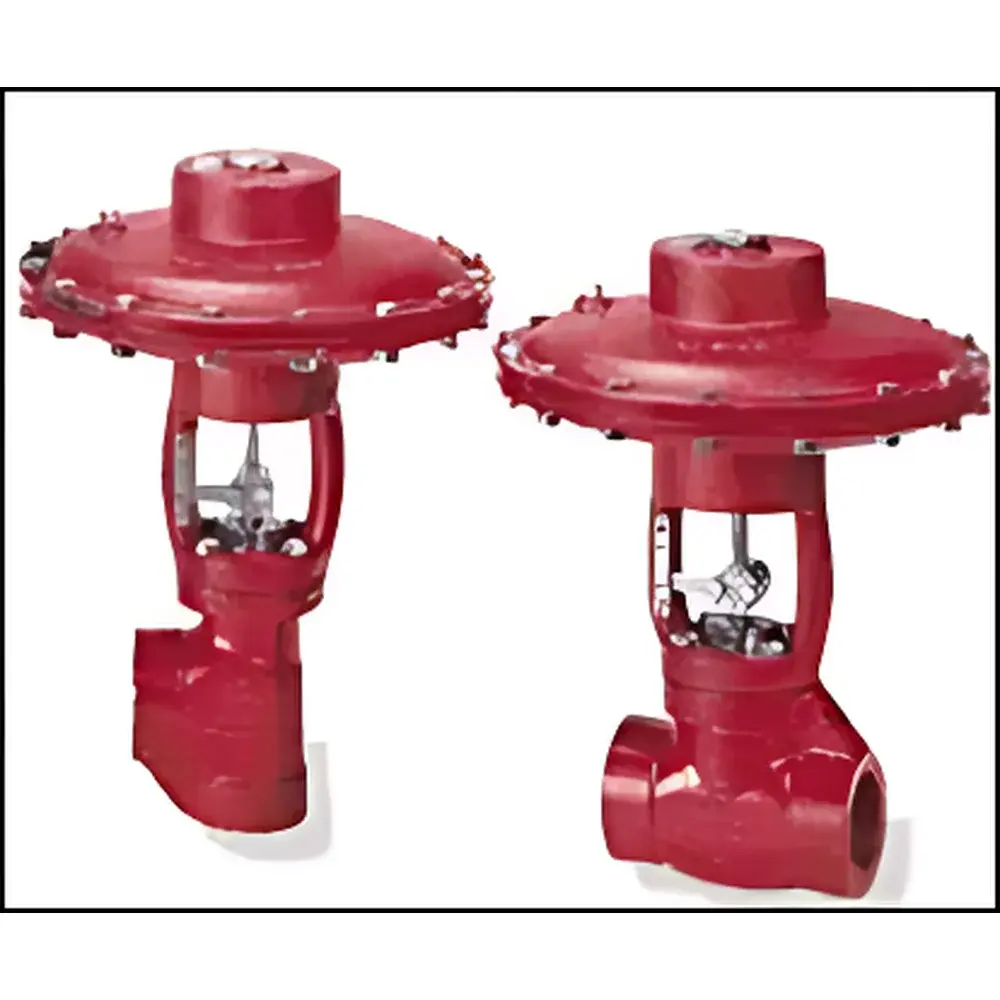
- Fail-safe pneumatic valve with ASME B16.34 Class 300 rating and SIL 2 functional safety compliance
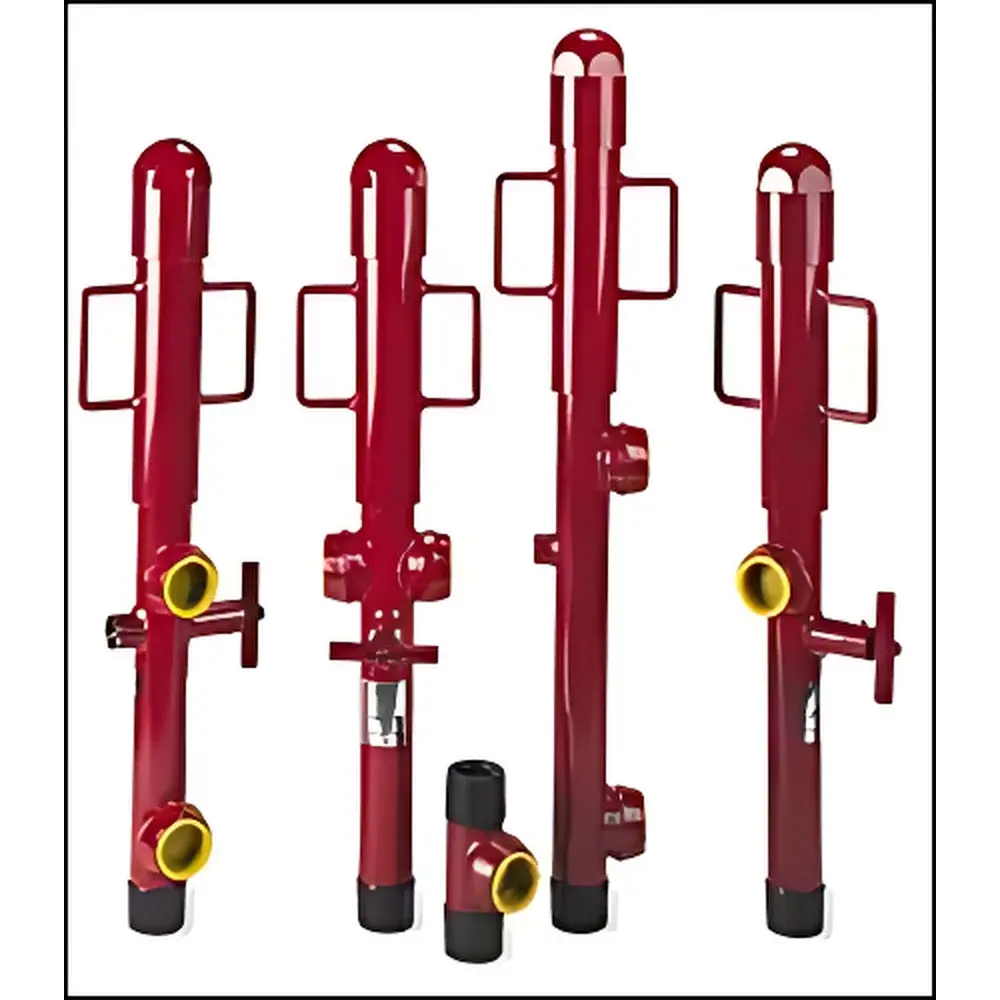
- Non-intrusive magnetic arrival sensor mounted externally on the lubricator (anti-spark, intrinsically safe, ATEX/IECEx Zone 1 certified)
- Multi-stage surface separation: primary knock-out vessel, coalescing filter, and adjustable needle valve for precise backpressure management
- Modular design compatible with standard API RP 14B wellhead configurations and existing tubing strings (2⅜″ to 4½″ OD)
Sample Compatibility & Compliance
The PCS-002 is validated for use in sour and sweet gas environments with H₂S concentrations up to 500 ppm and CO₂ partial pressures ≤ 0.5 MPa. It supports liquid loading mitigation in wells producing condensate, formation water, or emulsified brines with viscosities up to 20 cP at reservoir temperature. All wetted components comply with API Spec 6A, ISO 10423, and PED 2014/68/EU. The control system meets IEC 61508 SIL 2 requirements and includes audit-trail logging for GLP-aligned operational records. Installation adheres to API RP 14E erosion velocity guidelines and ANSI/API RP 1173 pipeline safety standards.
Software & Data Management
The embedded controller runs firmware v3.2+ with local data storage (16 GB internal flash) supporting 12 months of high-resolution cycle logs (timestamp, valve state, sensor status, estimated plunger velocity, and differential pressure). Optional LTE-M or LoRaWAN telemetry enables remote monitoring via secure HTTPS REST API endpoints. Data export formats include CSV and OPC UA (UA Part 4, PubSub over UDP), facilitating integration into SCADA systems (e.g., Emerson DeltaV, Siemens Desigo CC) and cloud-based digital twin platforms. Firmware updates are performed over-the-air with SHA-256 signature verification and rollback capability—fully compliant with NIST SP 800-193 guidelines for cyber-resilient field devices.
Applications
- Marginal gas wells exhibiting liquid loading symptoms (e.g., declining casing pressure, erratic flow, increasing water-cut)
- Shut-in wells requiring restart without nitrogen lift or coiled-tubing intervention
- Wells with gas-liquid ratios exceeding 400 ft³/bbl per 1,000 ft of depth
- Deviated or horizontal wells with >30° inclination where rod pumps exhibit poor efficiency
- Paraffin-prone, scale-forming, or salt-precipitating completions in carbonate or sandstone reservoirs
- Remote or offshore locations where electrical infrastructure is unavailable or cost-prohibitive
FAQ
What is the minimum reservoir pressure required for reliable PCS-002 operation?
A shut-in casing pressure at least 1.5× greater than the downstream sales line pressure is required to ensure sufficient differential for plunger acceleration and full liquid lift.
Can the system operate in H₂S-rich environments?
Yes—wetted materials conform to NACE MR0175/ISO 15156, and all sensors and valves carry ATEX/IECEx certification for Zone 1 sour service.
Is third-party calibration or annual certification required?
No routine recalibration is mandated; however, annual functional testing per API RP 14G and validation of pressure sensor drift (< ±0.25% FS) is recommended for regulatory audits.
How does the system reduce paraffin deposition?
The plunger’s repeated passage scrapes wax films from tubing walls while maintaining turbulent gas flow above critical velocity thresholds—suppressing re-deposition per API RP 14E erosion-corrosion models.
What maintenance intervals apply to the solar power subsystem?
Panel cleaning every 6 months and visual inspection of charge controller thermal fuses annually—no battery replacement needed due to supercapacitor-based energy storage.




