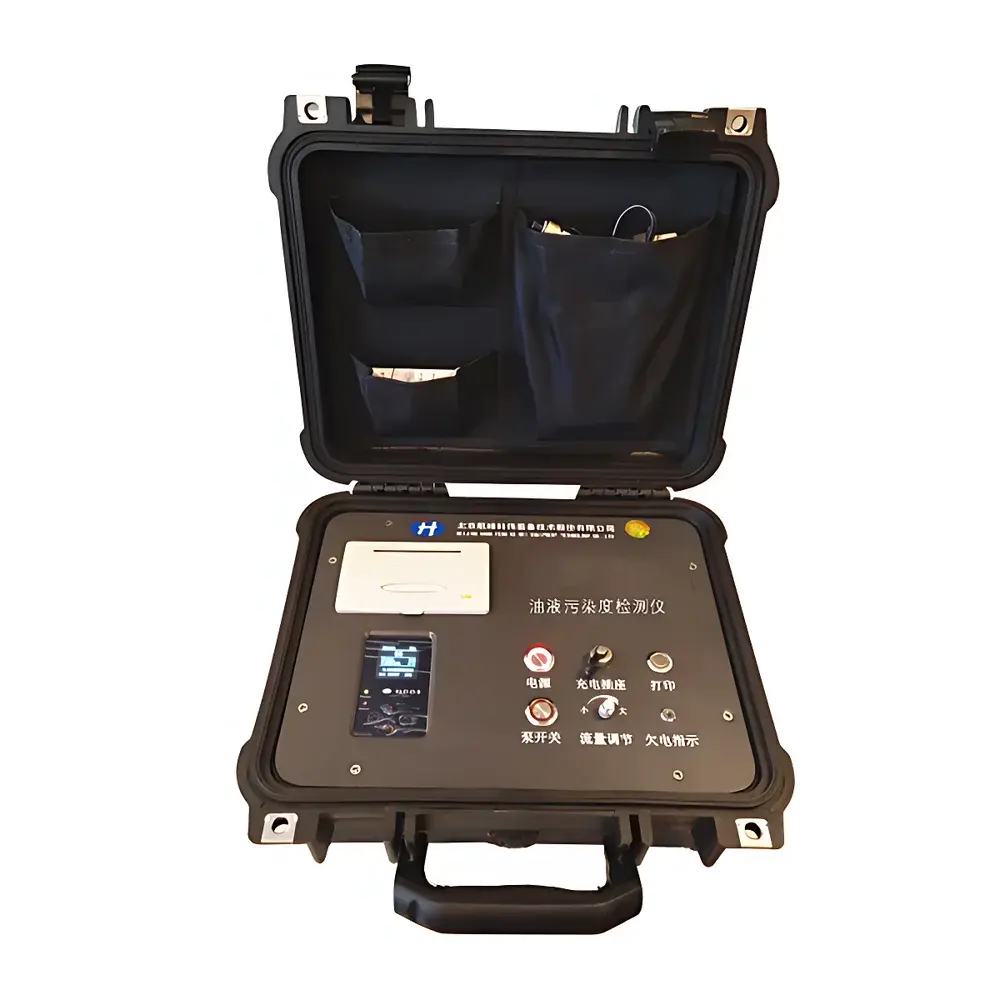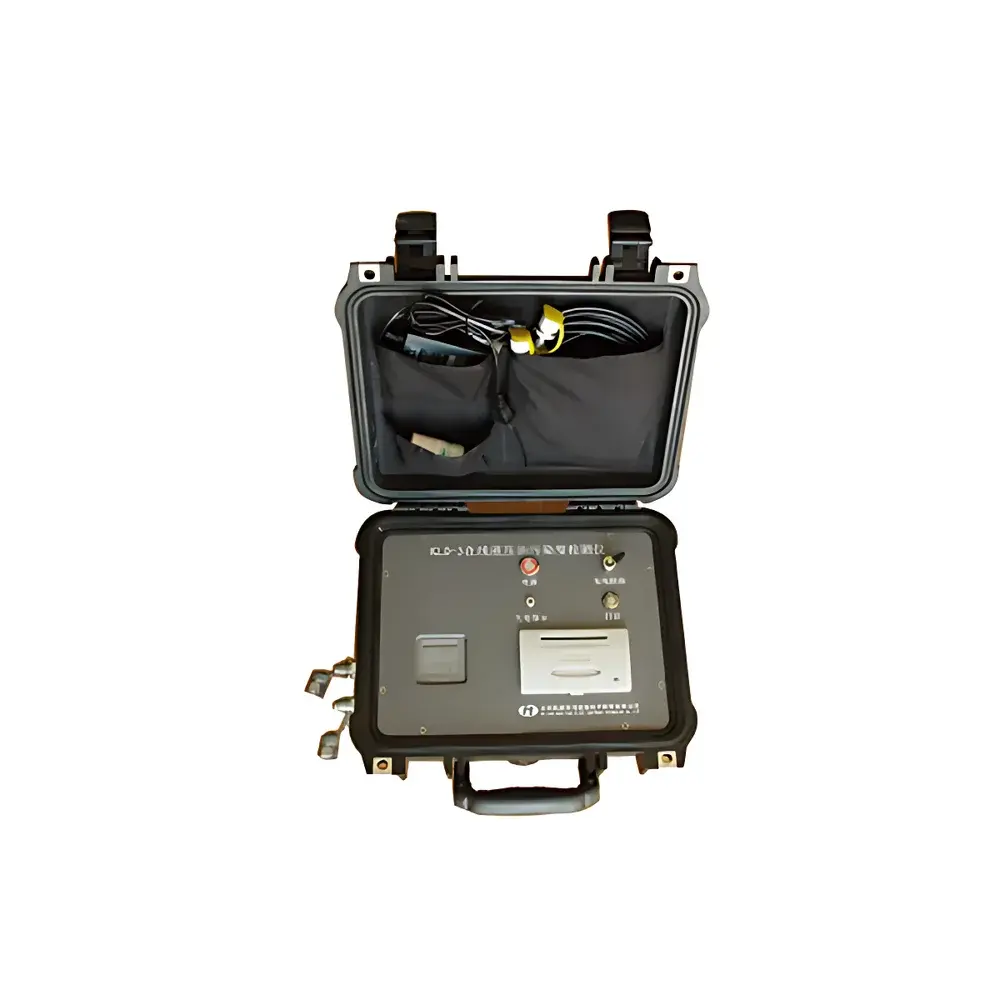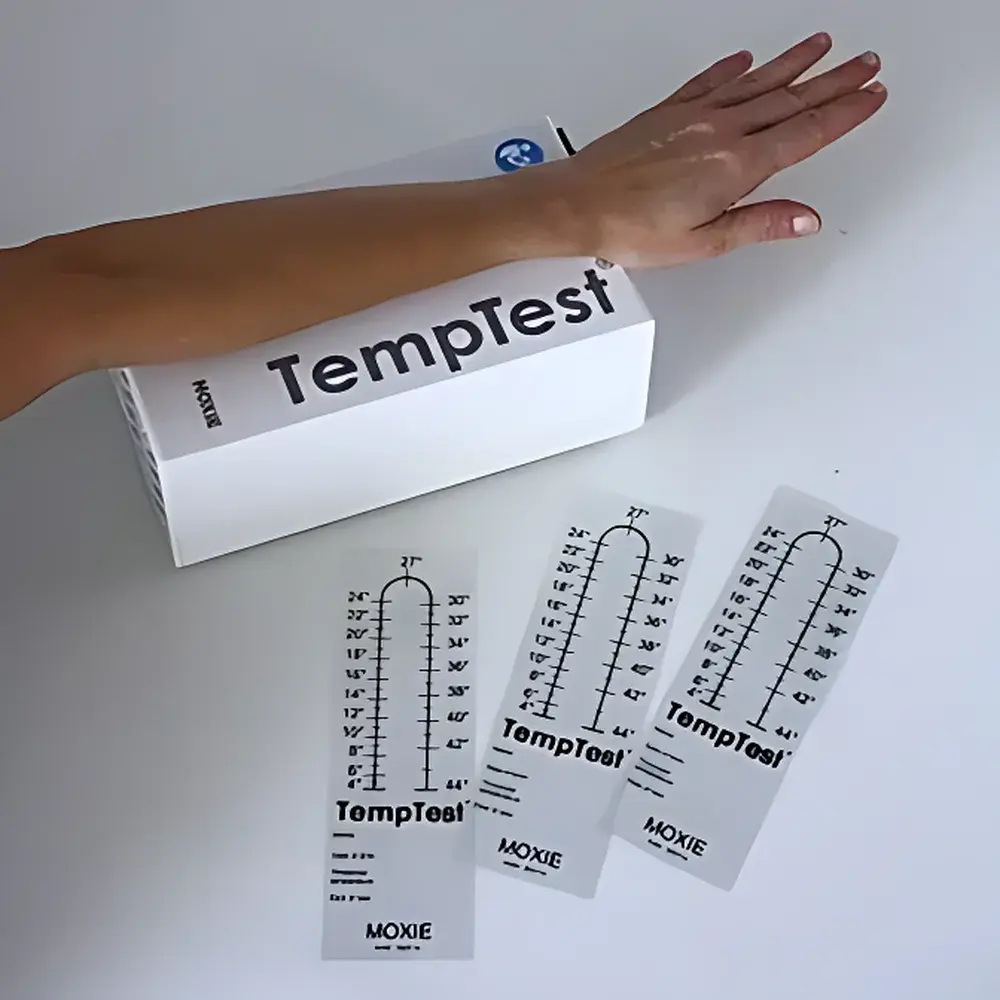
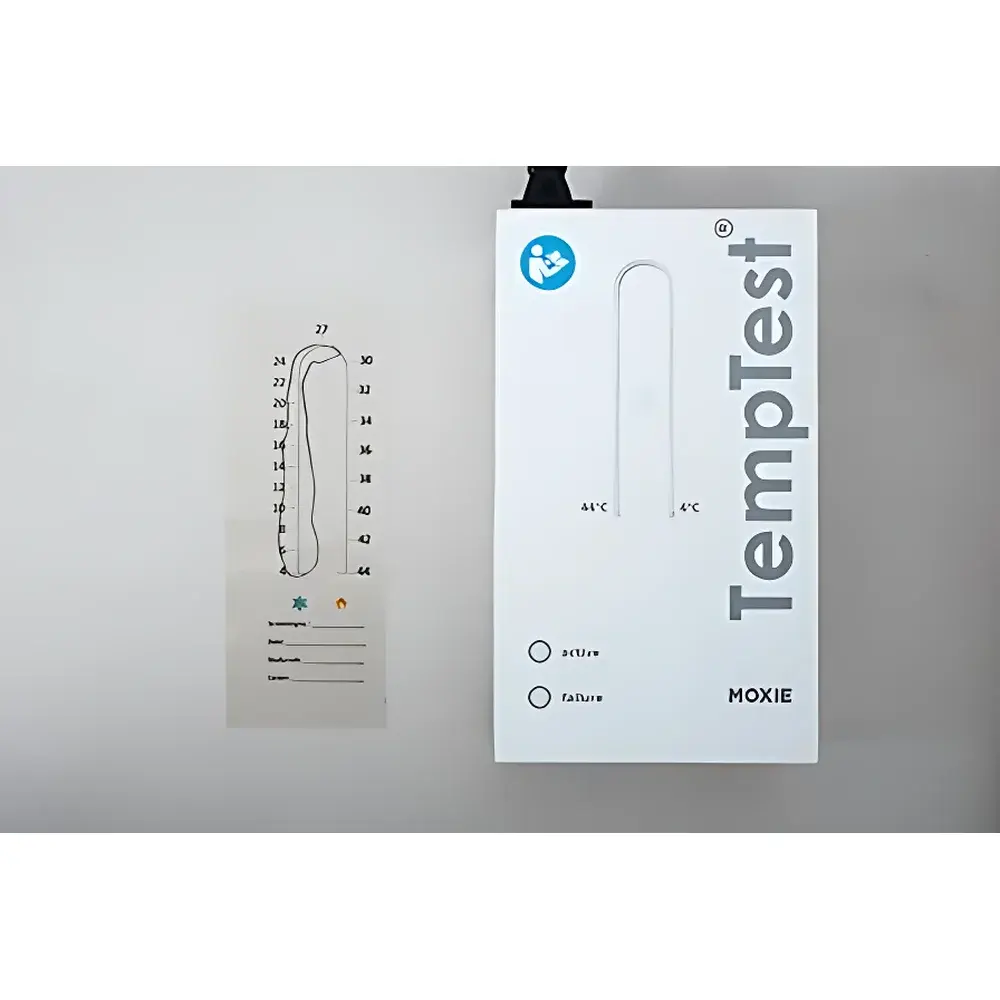
TempTest Cold and Heat Contact Urticaria Challenge System by CK (Germany)
| Brand | CK |
|---|---|
| Origin | Germany |
| Manufacturer Status | Authorized Distributor |
| Origin Category | Imported |
| Model | TempTest |
| Pricing | Upon Request |
Overview
The TempTest Cold and Heat Contact Urticaria Challenge System is a CE-marked, medically certified diagnostic instrument engineered for standardized, quantitative provocation testing of physical urticarias—specifically cold contact urticaria (CCU) and heat contact urticaria (HCU). Developed by CK Electronic GmbH (Kiel, Germany), the system operates on the principle of controlled, calibrated thermal challenge to defined skin areas, enabling objective determination of the critical threshold temperature at which wheal-and-flare reactions are elicited. Unlike subjective clinical observation alone, TempTest delivers reproducible, time-stamped thermal stimuli with ±0.3 °C accuracy across its operational range (−5 °C to +45 °C), supporting evidence-based diagnosis in accordance with EAACI/GA²LEN/EDF/WAO guidelines for urticaria classification and management.
Key Features
- Programmable dual-mode thermal probe: independently configurable for cold (−5 °C to +10 °C) and heat (+37 °C to +45 °C) challenge protocols
- Real-time skin surface temperature monitoring via integrated infrared sensor (±0.2 °C resolution)
- Automated stimulus duration control (5–30 s, adjustable in 1 s increments) with audible and visual end-of-stimulus alert
- Non-invasive stainless-steel contact probe (25 mm diameter) designed for uniform thermal transfer and minimal epidermal pressure
- On-device reaction scoring interface aligned with validated UAS7 (Urticaria Activity Score) parameters
- Compliance with IEC 60601-1 (Medical Electrical Equipment Safety) and IEC 62304 (Software Lifecycle)
Sample Compatibility & Compliance
The TempTest system is intended for use on intact, non-lesional volar forearm or upper back skin in adult and pediatric patients (≥6 years). It excludes use on inflamed, scarred, or photosensitive skin regions. All challenge procedures must be performed under direct supervision of a board-certified allergist or dermatologist trained in physical urticaria diagnostics. The device meets EU MDR 2017/745 Class IIa requirements for diagnostic challenge devices and supports documentation traceability compliant with ISO 14155:2020 (Clinical Investigation of Medical Devices). Test records—including ambient temperature, probe setpoint, actual skin temperature pre/post stimulus, reaction onset latency, and wheal dimensions measured via digital caliper integration—are stored locally with audit-trail functionality.
Software & Data Management
TempTest includes CK’s proprietary UrtiLog™ Desktop Suite (v3.2+), a Windows-based application for protocol configuration, session logging, and longitudinal patient tracking. Data export is supported in CSV and PDF formats, with optional DICOM-SR (Structured Reporting) output for PACS integration. The software implements role-based user access, electronic signature capture, and full 21 CFR Part 11–compliant audit trails—including operator ID, timestamp, parameter changes, and result modifications. All data reside on local encrypted storage; no cloud transmission occurs unless explicitly enabled and validated per institutional IT security policy.
Applications
- Differential diagnosis between cold-induced, heat-induced, and cholinergic urticarias
- Quantitative assessment of reaction threshold shifts during biologic therapy (e.g., omalizumab, ligelizumab)
- Pre-therapeutic stratification for cryotherapy or thermotherapy eligibility
- Supporting clinical trial endpoints in phase II/III studies of urticaria therapeutics
- Standardized training tool for allergy/dermatology fellows in physical urticaria phenotyping
FAQ
What is the recommended test site and preparation protocol?
The volar forearm is preferred. Skin must be clean, dry, and free of emollients or topical medications for ≥24 h prior. Ambient room temperature should be maintained at 20–24 °C for ≥30 min before testing.
How is the critical temperature determined?
Using an iterative up-down staircase method: initial stimulus at 10 °C (cold) or 40 °C (heat), followed by 1 °C decrements/increments until two consecutive negative or positive responses are observed. The threshold is defined as the midpoint between the last positive and first negative stimulus.
Does TempTest support pediatric use?
Yes—validated for children aged 6–17 years. Probe contact time is reduced to 15 s for subjects under 12, and parental consent plus assent documentation are mandatory per local ethics requirements.
Is calibration traceable to national standards?
Yes. Each unit ships with a DAkkS-accredited calibration certificate (DKD/DAkkS Reg. No. D-K-12345-0001), covering probe temperature accuracy and IR sensor linearity across the full operating range.
Can TempTest integrate with hospital EMR systems?
Via HL7 v2.5.1 ADT and ORU messages when deployed with CK’s optional Interface Gateway Module (IGM-URTI), subject to site-specific interoperability validation and HIPAA/GDPR-compliant data handling agreements.