
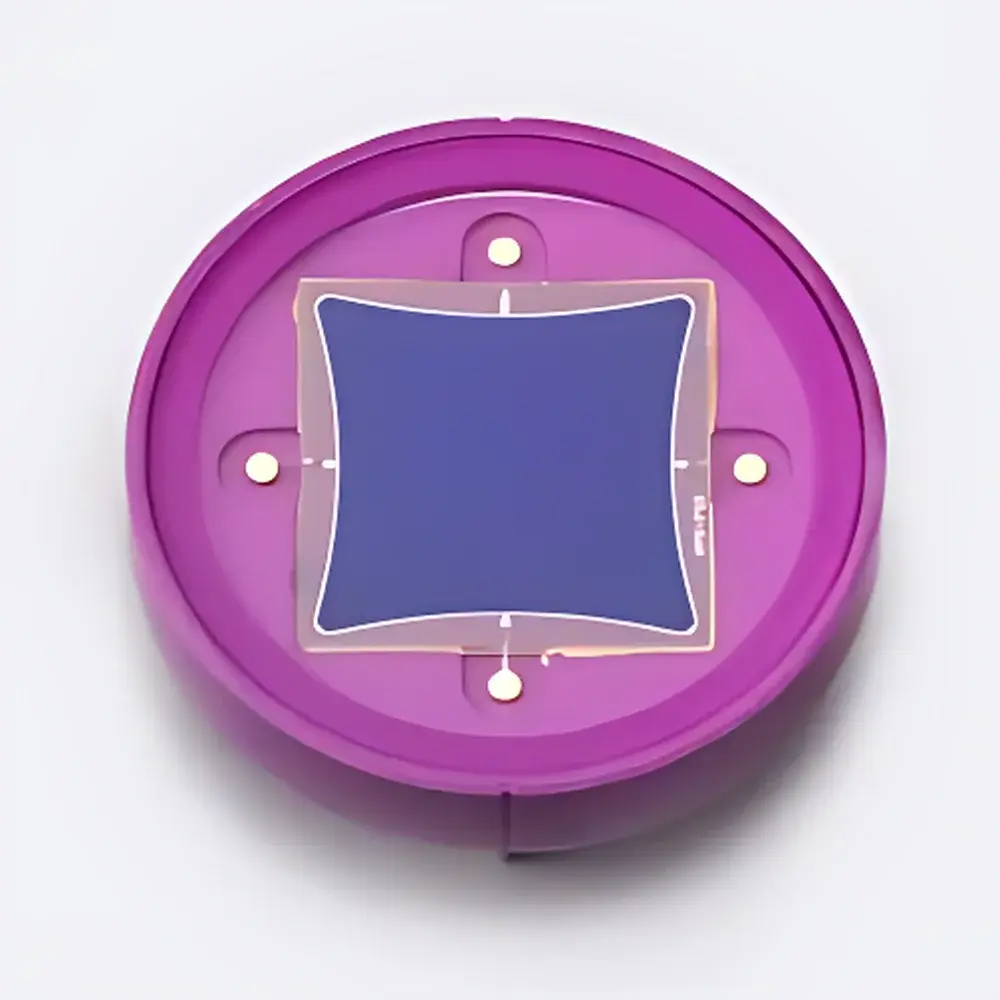
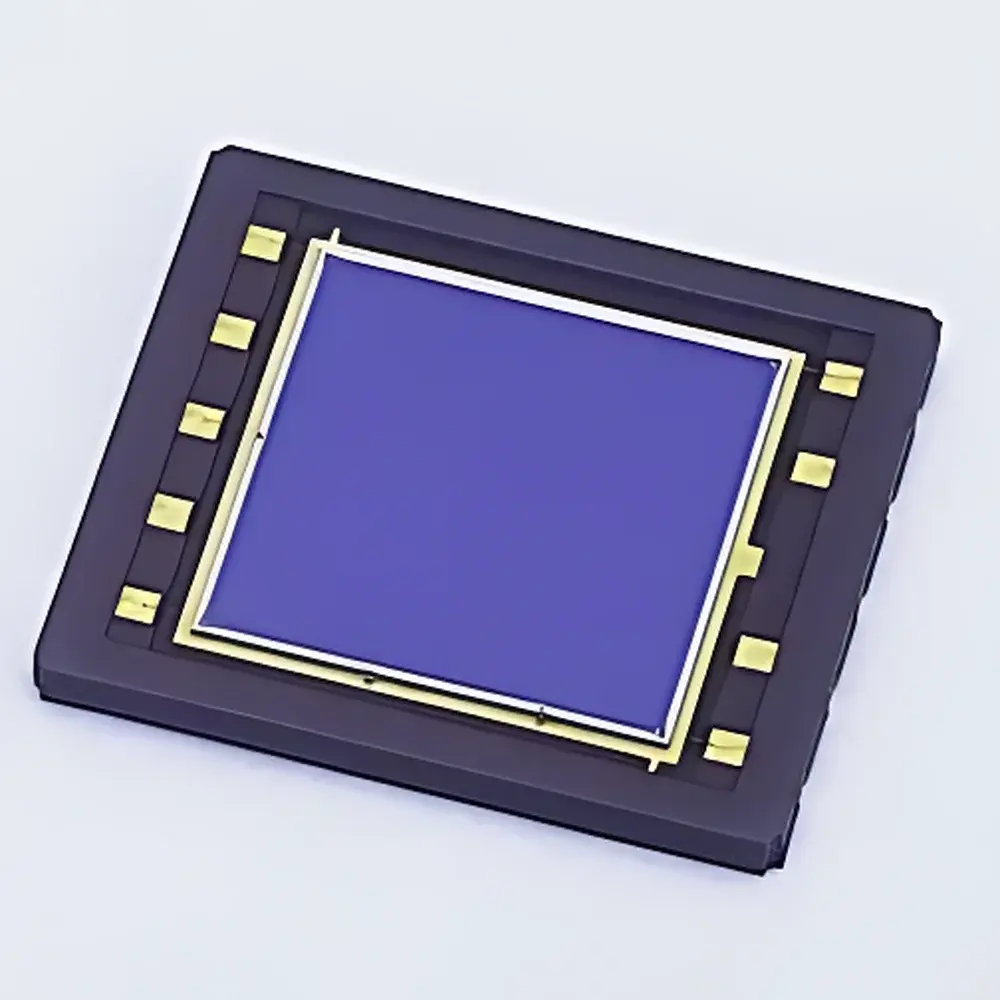
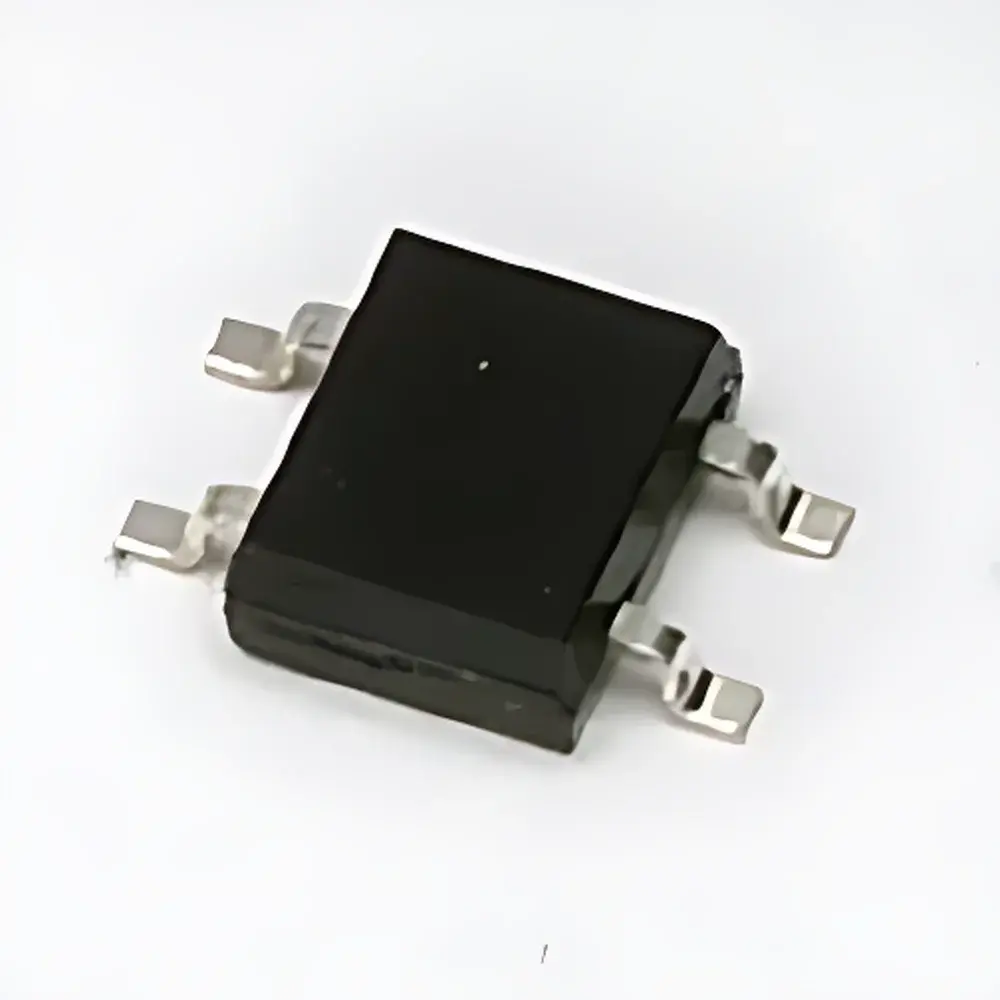
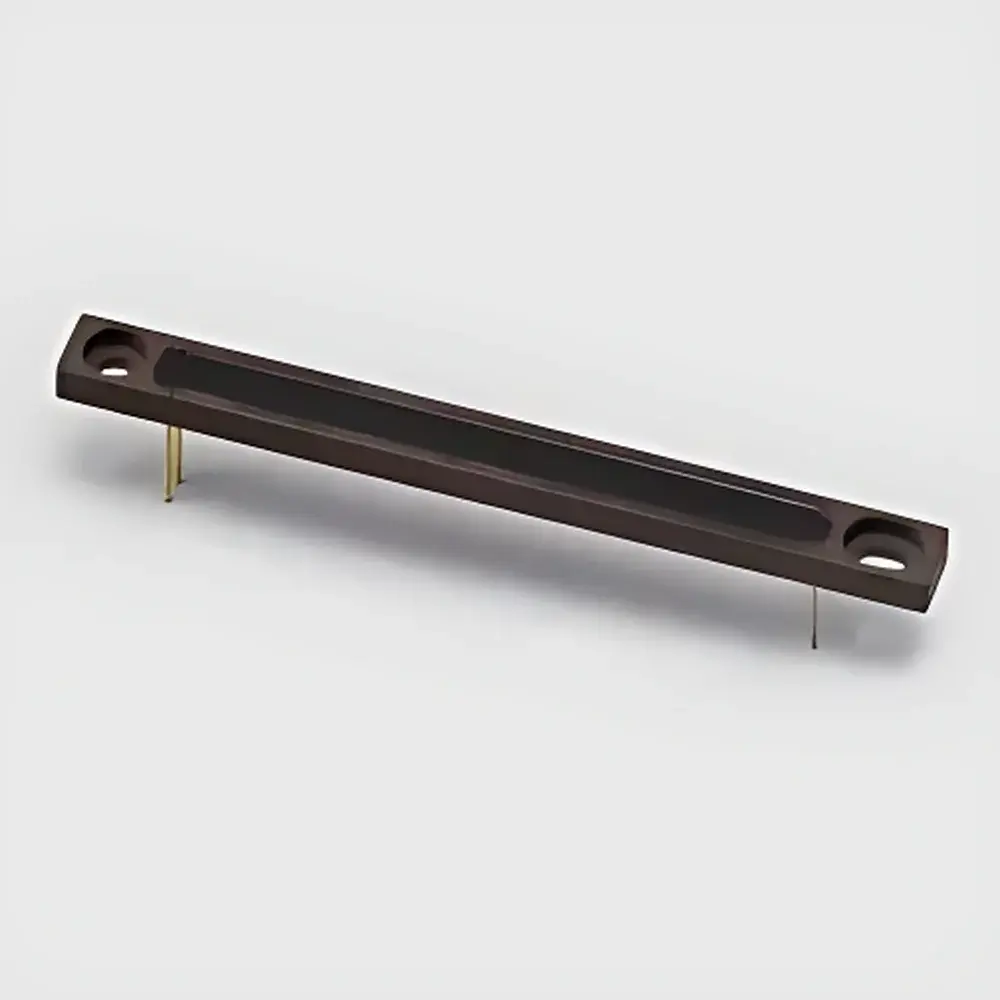
Hamamatsu S2–S5 Series Position-Sensitive Detectors (PSDs)
| Brand | Hamamatsu |
|---|---|
| Origin | Japan |
| Manufacturer Type | Original Equipment Manufacturer (OEM) |
| Import Status | Imported |
| Model Range | S2–S5 Series |
| Component Category | Optical Sensor Element |
| Principle | Analog Position Sensing via Lateral Photoelectric Effect in Continuous Resistive Layer |
Overview
Hamamatsu S2–S5 Series Position-Sensitive Detectors (PSDs) are analog optoelectronic position sensors engineered for high-precision, real-time displacement and beam centroid tracking in optical alignment, laser stabilization, interferometry, and adaptive optics systems. Unlike pixelated detectors such as CCD or CMOS image sensors, PSDs operate on the lateral photoelectric effect within a monolithic, continuous resistive photodiode layer—enabling true analog output of incident light spot position with sub-micrometer resolution and microsecond-level response time. These devices deliver continuous X- and Y-coordinate outputs (for 2D models) or single-axis displacement (for 1D variants), making them ideal for closed-loop feedback control where speed, linearity, and dynamic range outweigh discrete sampling requirements.
Key Features
- Monolithic analog sensing architecture with no dead zones or pixelation artifacts
- High position resolution: typically <1 µm under optimal illumination and signal conditioning
- Rapid temporal response: rise/fall times ≤ 1 µs (model-dependent, e.g., S458x series)
- Broad spectral sensitivity: selectable peak wavelengths from 320 nm (UV-enhanced) to 1100 nm (NIR), covering key laser lines including 405 nm, 635 nm, 780 nm, 850 nm, 960 nm, and 1064 nm
- Multiple package options: hermetically sealed ceramic (e.g., S3270, S3931, S5991-01) and compact plastic/metal housings (e.g., S458x, S2044) for integration flexibility
- Low inter-electrode resistance variability: tight tolerance across production batches ensures consistent gain calibration and system reproducibility
- OEM-ready design: compatible with standard transimpedance amplifiers and differential current-to-voltage conversion circuits
Sample Compatibility & Compliance
PSDs in the S2–S5 series are designed for use with collimated or focused light spots ranging from ~50 µm to several millimeters in diameter—optimized for Gaussian or top-hat intensity profiles. All models comply with JEDEC J-STD-020 moisture sensitivity level (MSL) standards for surface-mount handling and meet RoHS Directive 2011/65/EU for hazardous substance restrictions. Device-level electrical characteristics—including dark current (<1 nA at 5 V reverse bias for ceramic-packaged models), linearity error (<0.5% F.S. over central 80% of active area), and temperature coefficient of responsivity (±0.05%/°C)—are characterized per Hamamatsu’s internal QA protocols aligned with ISO/IEC 17025-accredited test methods. While not certified to IEC 61000-4 immunity standards as standalone units, they are routinely integrated into CE- and UL-compliant optical subsystems meeting EN 61326-1 (EMC) and EN 61010-1 (safety) requirements.
Software & Data Management
As analog sensor elements, Hamamatsu PSDs do not include embedded firmware or digital interfaces. They interface directly with external signal conditioning electronics—typically custom or off-the-shelf PSD readout boards featuring low-noise transimpedance amplifiers, analog multiplexers, and ADCs (16–24 bit). For system-level data acquisition and analysis, users commonly deploy LabVIEW, MATLAB, or Python-based frameworks (e.g., PyVISA + NumPy) to acquire synchronized X/Y voltage pairs, apply linearization corrections, and export timestamped position trajectories. When deployed in regulated environments (e.g., medical laser alignment or aerospace test benches), traceable calibration records—including NIST-traceable reference spot positioning and gain/offset verification logs—must be maintained per GLP/GMP documentation practices. PSD output signals are inherently compatible with FDA 21 CFR Part 11-compliant audit trail architectures when paired with validated DAQ software.
Applications
- Laser beam steering and auto-alignment in ultrafast amplifier chains and cavity-dumping systems
- Vibration monitoring of optical tables and mirror mounts via differential PSD pairs
- Non-contact displacement metrology in semiconductor wafer inspection stages
- Real-time wavefront sensing in Shack–Hartmann configurations (when used with microlens arrays)
- Optical encoder replacement in high-speed rotary or linear motion feedback loops
- Biophotonics applications including confocal microscope stage drift correction and fiber coupling optimization
FAQ
How does a PSD differ from a quadrant photodiode?
A PSD provides continuous analog position output based on centroid calculation across a uniform resistive layer, offering superior linearity and resolution over large active areas. Quadrant photodiodes rely on intensity ratio comparison between four discrete segments and suffer from nonlinearity near segment boundaries and reduced accuracy for defocused or extended spots.
Can PSDs measure absolute position without calibration?
No—PSDs require system-level calibration against known displacement references (e.g., piezo nanopositioners with interferometric feedback) to convert raw current ratios into metric units. Calibration must account for optical magnification, detector tilt, and amplifier gain drift.
What is the recommended operating bias voltage?
Most Hamamatsu PSDs operate optimally at 5 V reverse bias; higher voltages (up to 12 V) may improve speed but increase dark current and noise—consult individual datasheets (e.g., S3270, S5991-01) for model-specific recommendations.
Are PSDs sensitive to ambient light?
Yes—unshielded operation in uncontrolled lighting environments introduces offset drift and signal-to-noise degradation. Best practice includes mechanical apertures, narrowband optical filtering matched to the source wavelength, and synchronous detection using modulated light sources.
Do Hamamatsu PSDs support vacuum or cryogenic environments?
Ceramic-packaged models (e.g., S3270, S5991-01) are suitable for high-vacuum applications (10⁻⁶ Pa) and exhibit stable performance down to –40 °C; operation below –40 °C requires validation of solder joint integrity and encapsulant behavior per MIL-STD-883 Test Method 2002.




