LiCoO2 Sputtering Target by Hefei Kejing
| Brand | Hefei Kejing |
|---|---|
| Origin | Anhui, China |
| Manufacturer Type | Authorized Distributor |
| Origin Category | Domestic (China) |
| Model | LiCoO2 Sputtering Target |
| Pricing | Available Upon Request |
| Standard Dimensions | Customizable per Client Specification |
| Packaging | Class 1000 Cleanroom Environment, Sealed in Class 100 Clean Bags |
Overview
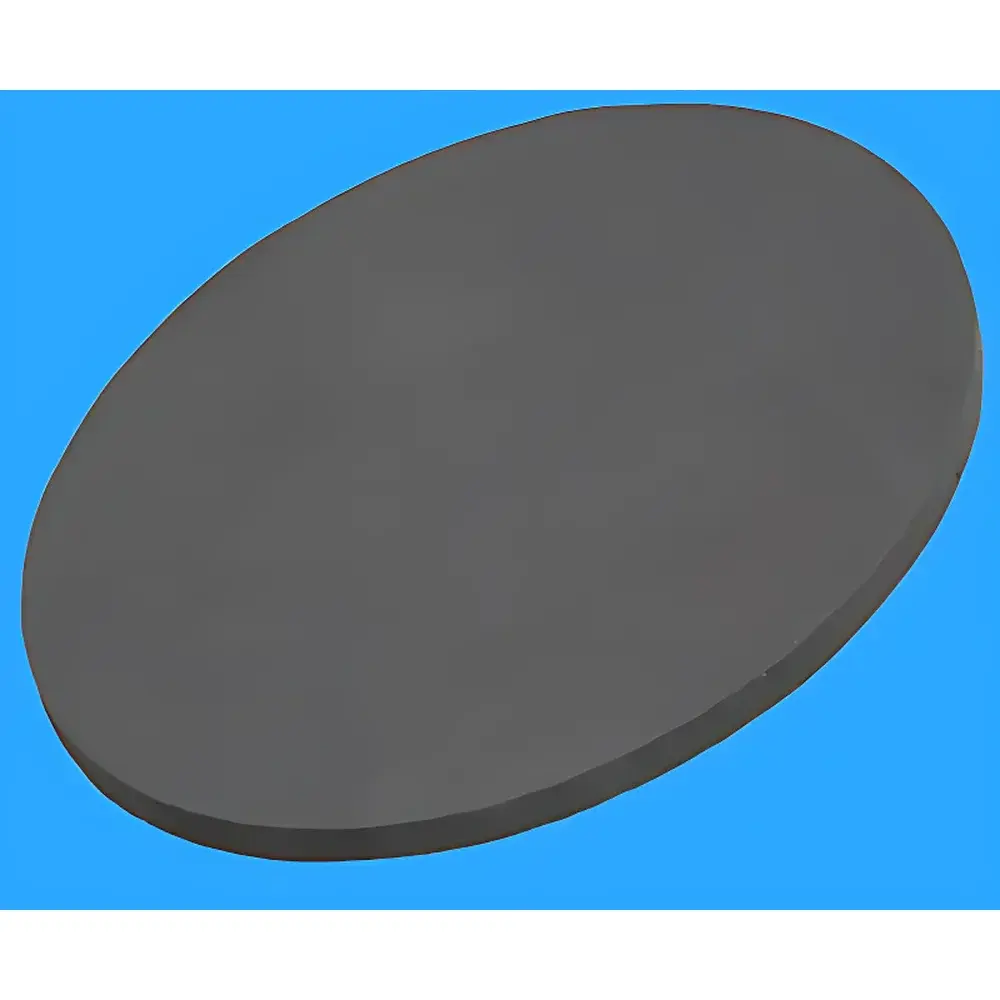
The LiCoO2 Sputtering Target by Hefei Kejing is a high-purity cathode material engineered for physical vapor deposition (PVD), particularly magnetron sputtering processes used in thin-film battery research, solid-state electrolyte development, and functional oxide layer fabrication. Lithium cobalt oxide (LiCoO2) serves as a benchmark cathode compound in lithium-ion battery technology due to its well-established layered crystal structure (R-3m space group), high theoretical capacity (~274 mAh/g), and reproducible electrochemical behavior under controlled deposition conditions. This target is manufactured via high-temperature solid-state reaction followed by hot isostatic pressing (HIP) or cold isostatic pressing (CIP) with subsequent sintering, ensuring high density (>95% theoretical density), low porosity, and uniform grain distribution—critical parameters influencing plasma stability, deposition rate consistency, and film stoichiometry fidelity.
Key Features
- High phase purity (>99.5% LiCoO2, verified by XRD and ICP-OES) with minimal secondary phases (e.g., Co3O4, Li2CO3)
- Density ≥ 4.6 g/cm³, optimized to minimize arcing and particle generation during DC or RF sputtering
- Customizable geometry: circular (diameters from 25 mm to 150 mm), rectangular (up to 300 × 100 mm), and bonded configurations (e.g., Mo or Cu backing plates with indium or epoxy bonding)
- Surface finish: double-side polished to Ra ≤ 0.4 µm, flatness ≤ 10 µm over full diameter, enabling uniform erosion profiles
- Trace metal impurity control: transition metals (Fe, Ni, Cr) < 1 ppm; alkali contaminants (Na, K) < 0.5 ppm—essential for minimizing interfacial side reactions in battery-grade films
Sample Compatibility & Compliance
This target is compatible with standard DC magnetron, pulsed DC, and RF sputtering systems operating at base pressures ≤ 5 × 10⁻⁷ Torr and process gas mixtures (Ar/O2) tailored for stoichiometric oxide growth. It meets the dimensional and surface quality requirements specified in ASTM F2627–18 (Standard Specification for Sputtering Targets for Electronic Applications) and aligns with ISO 14644-1 Class 6 (Class 1000) cleanroom handling protocols. All targets undergo post-sintering annealing in oxygen-controlled atmospheres to restore optimal Li/Co stoichiometry and mitigate oxygen vacancy formation. Final packaging complies with SEMI F57 standards for semiconductor-grade target transport: sealed in double-layered, static-dissipative Class 100 clean bags under dry nitrogen purge.
Software & Data Management
While the target itself is a passive consumable, its performance integration into automated deposition workflows is supported through compatibility with industry-standard thin-film control platforms—including those from Angstrom Engineering, Kurt J. Lesker, and ULVAC. Users may log batch-specific certification data (XRD diffractograms, density reports, impurity certificates) via secure cloud-accessible material traceability portals provided by Hefei Kejing upon request. These records support GLP-compliant documentation practices and facilitate audit readiness for R&D institutions adhering to ISO/IEC 17025 or internal battery materials qualification protocols.
Applications
- Deposition of crystalline and amorphous LiCoO2 thin films for microbattery electrodes and all-solid-state battery prototypes
- Interface engineering studies between cathode layers and sulfide-/oxide-based solid electrolytes (e.g., Li7La3Zr2O12, Li3PO4)
- Model system fabrication for in situ XRD, XPS, and electrochemical impedance spectroscopy (EIS) investigations of structural evolution during lithiation/delithiation
- Development of gradient or multilayer cathode architectures using combinatorial sputtering techniques
- Calibration reference material for quantitative compositional analysis in TEM-EDS and SIMS depth profiling
FAQ
What is the typical grain size and microstructural homogeneity of this LiCoO2 target?
Average grain size ranges from 2–8 µm depending on sintering profile; microstructure is characterized by minimal intergranular secondary phases and uniform elemental distribution confirmed by SEM-EDS mapping.
Can this target be used for reactive sputtering in O2/Ar mixtures without significant oxidation-induced cracking?
Yes—targets are pre-annealed in 1 atm O2 at 700 °C for 10 h to stabilize the lattice oxygen content, reducing susceptibility to thermal shock and delamination during reactive deposition.
Is batch-to-batch compositional reproducibility documented and certified?
Each production lot includes a Certificate of Analysis (CoA) reporting Li:Co ratio (target 0.98–1.02), O content (by thermogravimetric analysis), and trace impurity levels measured via ICP-MS.
Do you offer bonded targets with thermal management solutions for high-power sputtering?
Yes—standard bonding options include indium soldering onto OFHC copper or molybdenum backing plates; custom thermal interface designs (e.g., active water-cooled mounts) are available upon engineering consultation.
How is shelf life maintained prior to installation in the sputter chamber?
Targets remain stable for ≥24 months when stored in sealed clean bags under inert atmosphere at room temperature; no special humidity control is required due to low hygroscopicity of fully oxidized LiCoO2.