
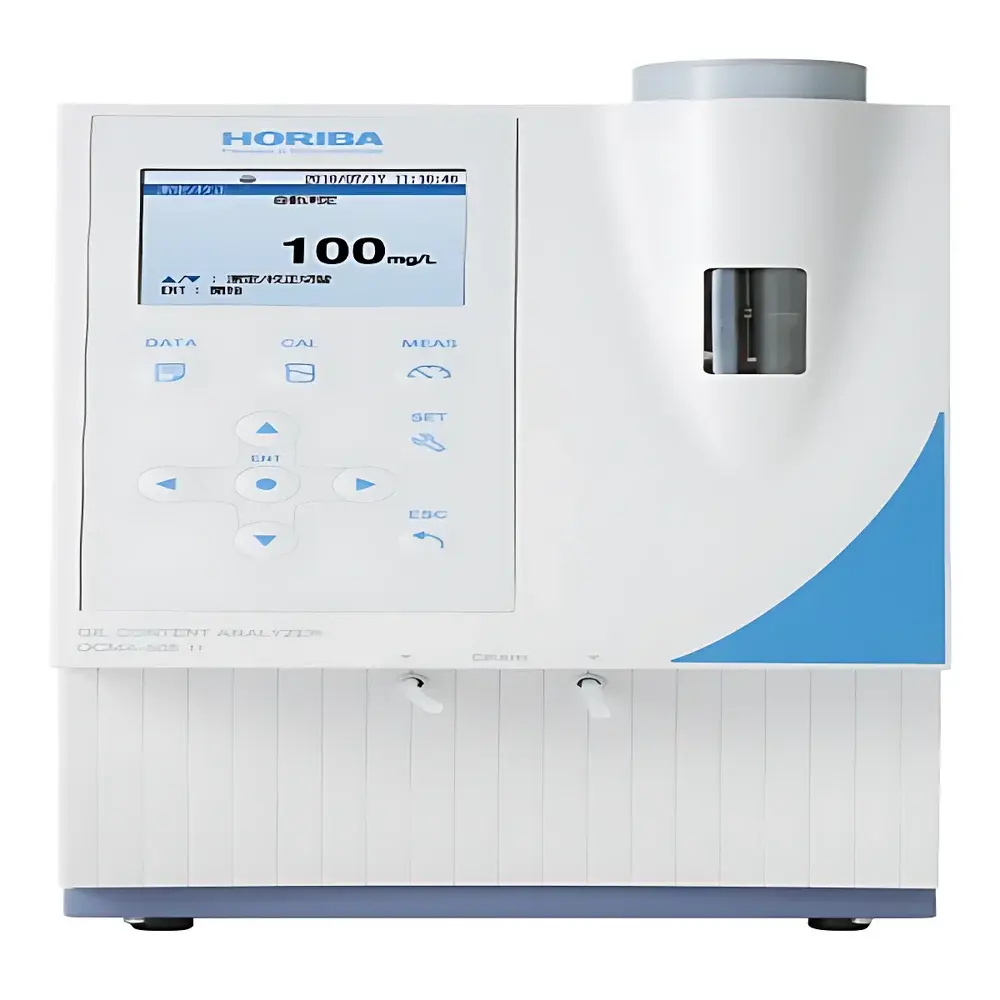
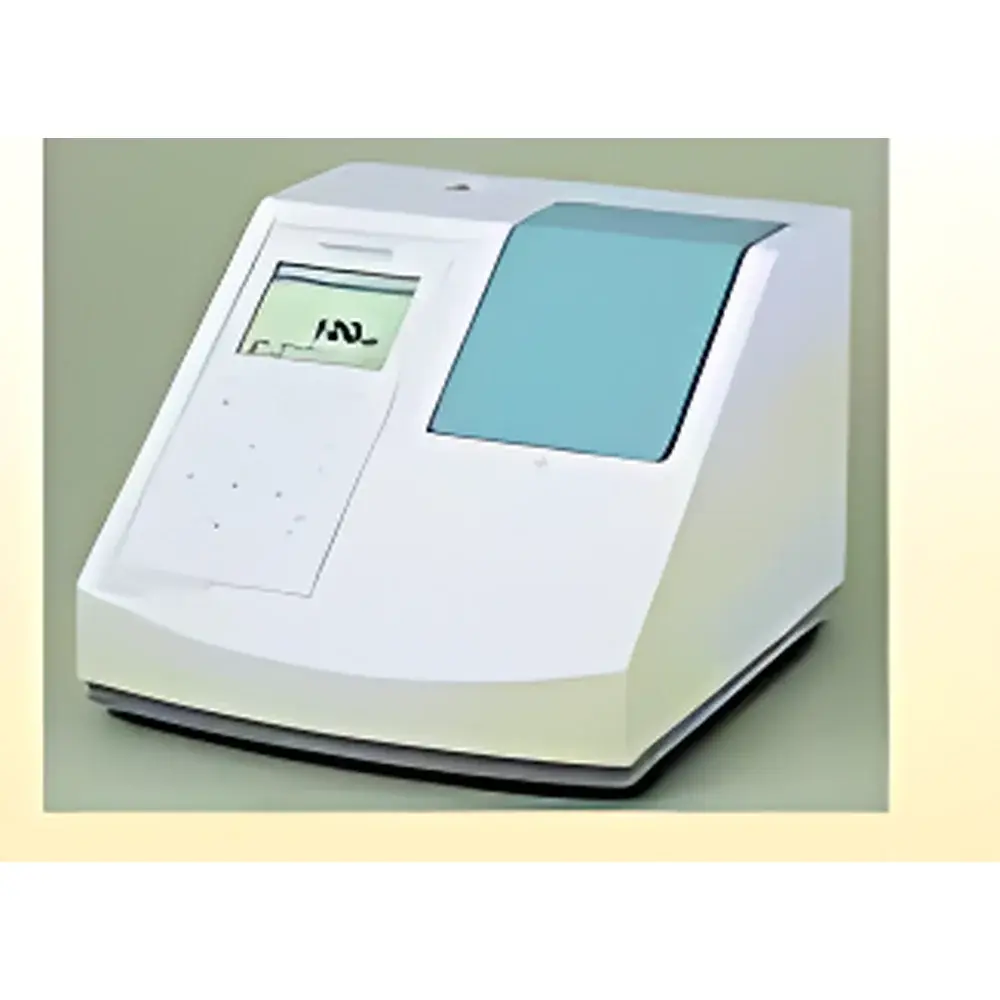
HORIBA OCMA-555H Portable Oil Content Analyzer
| Brand | HORIBA |
|---|---|
| Origin | Japan |
| Model | OCMA-555H |
| Instrument Type | Portable |
| Measurement Principle | Non-Dispersive Infrared (NDIR) Absorption Spectrophotometry |
| Measurement Range | 0–200 mg/L |
| Accuracy | ±1% of reading (mg/L) |
| Resolution | 0.1 mg/L (0–99.9 mg/L) |
| Detection Wavelength | ~3.4 µm |
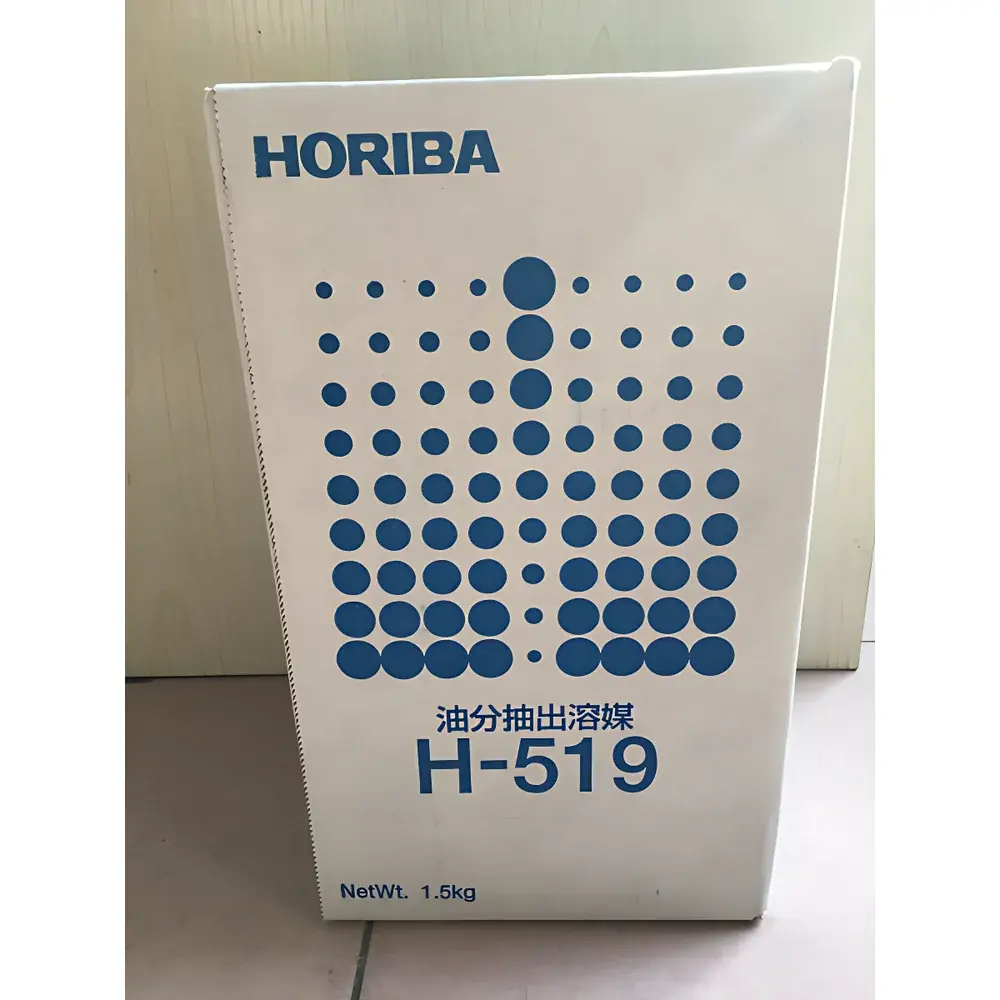
| Solvent Compatibility | H-519 (non-absorbing at 3.4 µm) |
| Repeatability | ±0.4 mg/L ±1 digit (0–9.9 mg/L) |
| Power Supply | 230 V AC, 50 Hz |
| Dimensions | 250 × 200 × 285 mm (W × H × D) |
| Detector Type | Thermopile Sensor |
| Display | Backlit LCD with timestamping |
| Data Interface | RS-232C serial port & parallel printer port |
| Standard Accessories | Quartz cuvette (20 mm pathlength, with lid), power cord, heavy oil standard (B-grade), 2 A fuse, 10 mL syringe, 25 µL microsyringe |
Overview
The HORIBA OCMA-555H is a portable, field-deployable oil content analyzer engineered for precise quantification of hydrocarbon contaminants in aqueous and solid-phase environmental matrices. It operates on the principle of non-dispersive infrared (NDIR) absorption spectrophotometry at the characteristic C–H stretching vibration band near 3.4 µm — a spectral region where aliphatic and aromatic hydrocarbons exhibit strong, selective absorbance, while the proprietary H-519 extraction solvent remains optically transparent. This spectral specificity ensures high selectivity for petroleum-based oils without interference from water, chlorinated solvents, or common matrix constituents. The instrument is calibrated for direct readout in three standardized units: mg/L (for water extracts), mg/kg (for soil/sediment extracts), and absorbance (Abs) for method validation and calibration traceability. Its compact architecture, thermopile-based detector, and integrated thermal stabilization enable stable baseline performance under variable ambient conditions — essential for on-site screening at hazardous waste sites, wastewater treatment plants, and industrial effluent discharge points.
Key Features
- Portable benchtop design (250 × 200 × 285 mm) with integrated power supply (230 V AC, 50 Hz), enabling operation in mobile labs or field shelters without external instrumentation.
- Backlit LCD display with real-time timestamping for GLP-compliant data recording; no internal memory, but immediate output via RS-232C or parallel printer interface.
- Three selectable concentration units (mg/L, mg/kg, Abs) configurable per measurement cycle to align with regulatory reporting requirements (e.g., EPA Method 1664, ISO 9377-2).
- High-resolution detection: 0.1 mg/L resolution in low-range mode (0–99.9 mg/L), supporting sub-ppm-level sensitivity when paired with appropriate pre-concentration protocols.
- Optimized optical path using a 20 mm pathlength quartz cuvette, minimizing scattering effects from suspended solids (SS) or emulsified oil droplets in clarified extracts.
- Automatic zero-point initialization prior to each analysis cycle, ensuring consistent baseline correction across extended operational sessions.
Sample Compatibility & Compliance
The OCMA-555H is validated for use with H-519 solvent-extracted samples from diverse matrices including surface water, groundwater, industrial wastewater, soil, sediment, and metal/ textile surfaces. Extraction follows standardized procedures compatible with EPA SW-846 Method 3510C (separatory funnel) or 3520C (solid-phase extraction), with H-519 selected for its non-interference at 3.4 µm and low volatility. The instrument supports compliance with international regulatory frameworks: results are traceable to NIST-traceable oil standards (e.g., B-grade heavy oil), and measurement uncertainty budgets conform to ISO/IEC 17025 guidelines for testing laboratories. While the device itself does not embed FDA 21 CFR Part 11 audit trails, its RS-232C output enables integration into validated LIMS environments where electronic records, user authentication, and change control are externally managed.
Software & Data Management
The OCMA-555H operates as a standalone hardware analyzer with no embedded software stack. All data handling is performed externally: raw absorbance values and calculated concentrations are transmitted in ASCII format via RS-232C (9600 bps, 8N1) or printed directly to parallel-interface thermal printers. This architecture eliminates firmware validation overhead and simplifies IQ/OQ/PQ documentation for regulated laboratories. Users may develop custom parsing scripts (Python, LabVIEW) to ingest time-stamped readings into Excel, SQL databases, or ELN platforms. For solvent sustainability, the optional SR-305 solvent regenerator — comprising activated carbon and activated alumina columns — restores H-519 purity to >99.5%, reducing consumable costs and hazardous waste generation per ASTM D7084.
Applications
- Field screening of oil-contaminated groundwater and leachate at brownfield sites and landfills.
- Process monitoring of oily wastewater pretreatment units (e.g., API separators, coalescers) prior to biological treatment stages.
- Verification of cleaning efficacy in precision manufacturing: residual hydrocarbon quantification on semiconductor wafers, machined metal parts, and textile substrates.
- Regulatory compliance testing for discharge permits (e.g., NPDES) requiring oil & grease measurements per EPA Method 1664B.
- Soil contamination assessment during Phase II Environmental Site Assessments (ESAs), aligned with ASTM D7678 for total petroleum hydrocarbons (TPH).
FAQ
What extraction solvent is required for the OCMA-555H?
H-519 is the designated solvent, optimized for minimal IR absorbance at 3.4 µm and efficient hydrocarbon recovery from water and soil matrices.
Can the OCMA-555H measure emulsified oil directly?
No — samples must be extracted using H-519 and phase-separated prior to analysis; turbid or unclarified extracts require filtration (0.45 µm) to avoid scattering artifacts.
Is calibration verification required before each use?
Yes — the instrument performs automatic zero-point initialization upon power-up, and users must verify calibration using the supplied B-grade heavy oil standard before critical measurements.
Does the OCMA-555H support GMP/GLP data integrity requirements?
It provides timestamped, human-readable output and supports external audit trail generation via RS-232C logging; full 21 CFR Part 11 compliance depends on the receiving system’s validation status.
What is the expected lifetime of the thermopile detector?
Under normal operating conditions (ambient temperature ≤35°C, relative humidity <80%), the thermopile sensor exhibits stable responsivity for ≥5 years without recalibration, per HORIBA’s accelerated aging tests.
Related Products







