
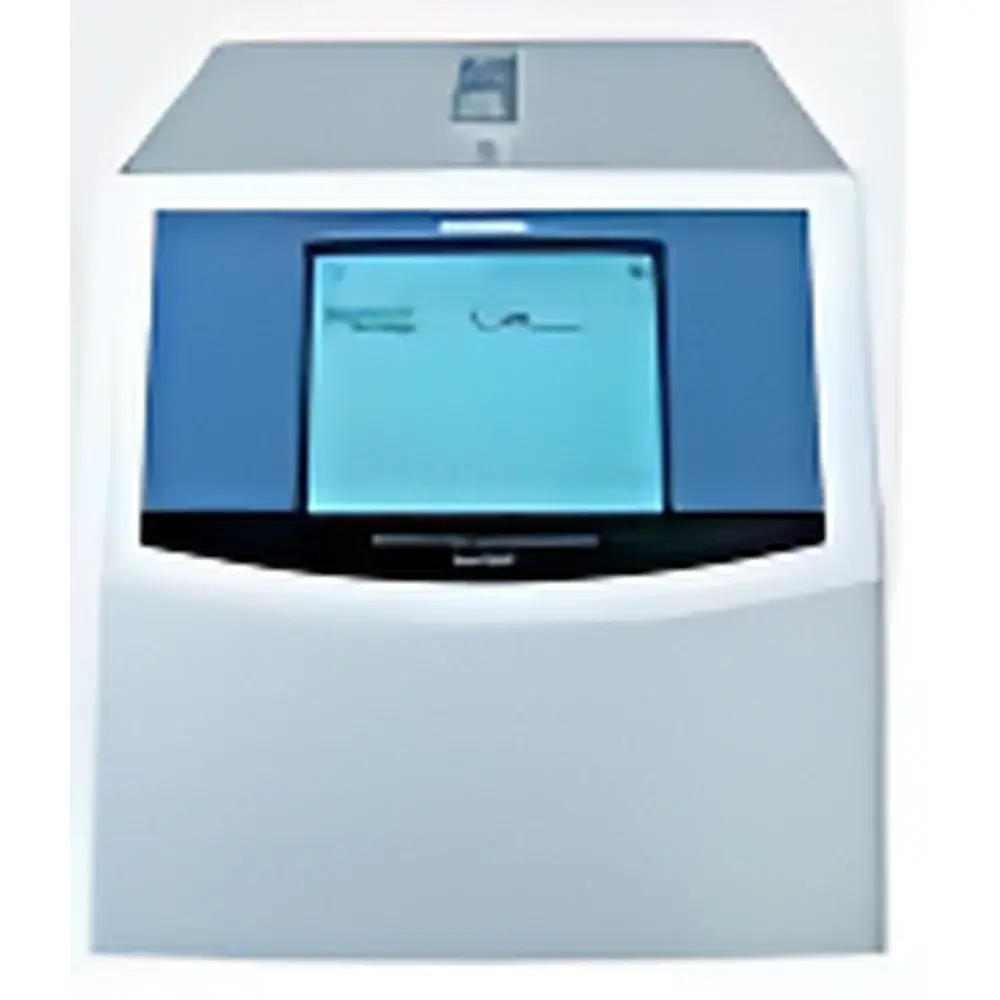
HORIBA FV-250 Portable Total Volatile Organic Compounds Analyzer
| Brand | HORIBA |
|---|---|
| Origin | Japan |
| Model | FV-250 |
| Instrument Type | Portable |
| Detection Principle | Flame Ionization Detection (FID) |
| Measurement Range | 0–10 / 20 / 50 / 100 / 200 / 500 / 1,000 / 2,000 / 5,000 / 10,000 ppmC |
| Resolution | ±1.0% FS |
| Accuracy | ±1.0% FS |
| Response Time (T90) | < 2.0 seconds |
| Drift | ±1.0% FS / 8 hours |
| Linearity | ±1.0% FS |
| Sampling Flow Rate | ~600 mL/min |
| Warm-up Time | ~1 hour |
| Operating Temperature | 5–35 °C |
| Operating Humidity | < 85% RH |
| Output Signals | DC 0–1 V, RS-232C |
| Power Supply | AC 100 V, 50/60 Hz |
| Power Consumption | 50 VA |
| Dimensions | 260(W) × 260(H) × 510(D) mm |
| Data Storage | CompactFlash (CF) card |
| Safety Features | Automatic H₂ shutoff and alarm upon flame extinction |
Overview
The HORIBA FV-250 is a portable, laboratory-grade total volatile organic compounds (TVOC) analyzer engineered for high-fidelity, real-time quantification of hydrocarbon-based VOCs in ambient air, industrial workspaces, indoor environments, and emission source testing. It employs flame ionization detection (FID), a well-established and universally accepted analytical principle defined in ASTM D2155, ISO 11890-2, and EPA Method 25A. FID provides exceptional sensitivity (sub-ppm C detection capability), wide linear dynamic range (up to 10,000 ppmC), and minimal interference from water vapor or CO₂—making it ideal for regulatory-compliant monitoring where carbon-mass-based reporting is required. Unlike photoionization detectors (PID), the FV-250 delivers true total hydrocarbon equivalence (ppmC), enabling direct comparison with occupational exposure limits (OELs) and environmental standards such as WHO guidelines and EU Indoor Air Quality Directive thresholds.
Key Features
- True FID-based detection with proven linearity (±1.0% FS) across ten auto-switching measurement ranges—from 0–10 ppmC to 0–10,000 ppmC—ensuring optimal signal-to-noise ratio at all concentrations.
- Ultra-fast response: T90 < 2.0 seconds enables dynamic tracking of transient VOC plumes during leak detection, stack sampling, or fugitive emission surveys.
- Integrated touchscreen interface with intuitive menu navigation, real-time trend graphing, and on-device data review—eliminating dependency on external PCs during field operation.
- Automatic zero/span calibration function with internal reference gas logic, reducing manual intervention and enhancing measurement reproducibility over extended deployments.
- Robust safety architecture: flame-out detection triggers immediate hydrogen supply cutoff and audible/visual alarm, complying with IEC 61010-1 safety requirements for gas analysis equipment.
- Low power consumption (50 VA) and compact footprint (260 × 260 × 510 mm) support battery-powered operation via optional external DC adapters, suitable for mobile labs and confined-space entry applications.
Sample Compatibility & Compliance
The FV-250 is optimized for gaseous samples drawn at a stable flow rate of ~600 mL/min through its integrated sampling pump and heated transfer line (standard configuration). It maintains accuracy for saturated and unsaturated aliphatic/aromatic hydrocarbons (e.g., benzene, toluene, xylene, hexane, propane), halogenated VOCs (e.g., chloroform, TCE), and oxygenates (e.g., ethanol, acetone), provided they are ionizable in the hydrogen-air flame. Non-ionizing compounds (e.g., formaldehyde, CO, NOₓ) are not detected—a characteristic inherent to FID physics, not a limitation. The instrument meets CE marking requirements, conforms to EMC Directive 2014/30/EU and Low Voltage Directive 2014/35/EU, and supports GLP/GMP-aligned data integrity when paired with validated CF card logging and RS-232 traceable output.
Software & Data Management
Data acquisition and visualization are handled via the built-in graphical display, which plots real-time concentration trends with configurable time axes (1 min to 24 h). All measurements—including timestamped concentration values, range switching events, calibration logs, and system diagnostics—are stored on removable CompactFlash (CF) cards in CSV format for post-processing in Excel or LIMS-compatible platforms. The RS-232C interface supports ASCII protocol communication, enabling integration into SCADA systems or custom Python/Matlab scripts for automated QA/QC reporting. Audit trails—including operator ID, calibration history, and firmware version—are embedded in metadata headers, facilitating compliance with FDA 21 CFR Part 11 when used in pharmaceutical facility environmental monitoring programs.
Applications
- Industrial hygiene monitoring per OSHA 1910.1200 and ACGIH TLV® guidelines in petrochemical plants, paint booths, and solvent-handling facilities.
- Indoor air quality (IAQ) assessment in offices, schools, and hospitals following ASHRAE Standard 62.1 and ISO 16000-22 protocols.
- Fugitive emission detection and LDAR (Leak Detection and Repair) programs compliant with EPA 40 CFR Part 60, Subpart VV and EU IED Annex I requirements.
- Verification of VOC abatement system efficiency (e.g., thermal oxidizers, carbon adsorption units) via inlet/outlet differential measurement.
- Research-grade field studies requiring high-temporal-resolution TVOC profiling in urban airsheds or near landfill gas collection points.
FAQ
What compounds does the FV-250 detect?
It detects virtually all organic compounds that produce ions in a hydrogen-air flame—including alkanes, alkenes, aromatics, ketones, esters, and chlorinated solvents—but excludes non-ionizing species like formaldehyde, methanol, and inorganic gases.
Is external calibration gas required for routine operation?
Yes; while automatic zero/span functions streamline workflow, periodic verification using certified hydrocarbon standard gases (e.g., methane in air, propane in nitrogen) is necessary to maintain traceability to NIST SRMs and meet ISO/IEC 17025 requirements.
Can the FV-250 operate continuously for unattended monitoring?
It is designed for intermittent field use (up to 8-hour shifts); continuous 24/7 operation is not recommended due to consumable lifetime constraints (FID jet cleaning, H₂ cylinder replacement) and warm-up stability requirements.
Does the instrument comply with EPA Method 25A?
Yes—the FV-250 satisfies all performance criteria specified in EPA Method 25A for total gaseous organic concentration measurement, including linearity, response time, and calibration verification procedures.
How is data integrity ensured during CF card export?
Each CSV file includes embedded CRC checksums, sequential record numbering, and UTC timestamps synchronized to the device’s internal RTC—enabling forensic validation of data origin and preventing unauthorized modification.
Related Products







