
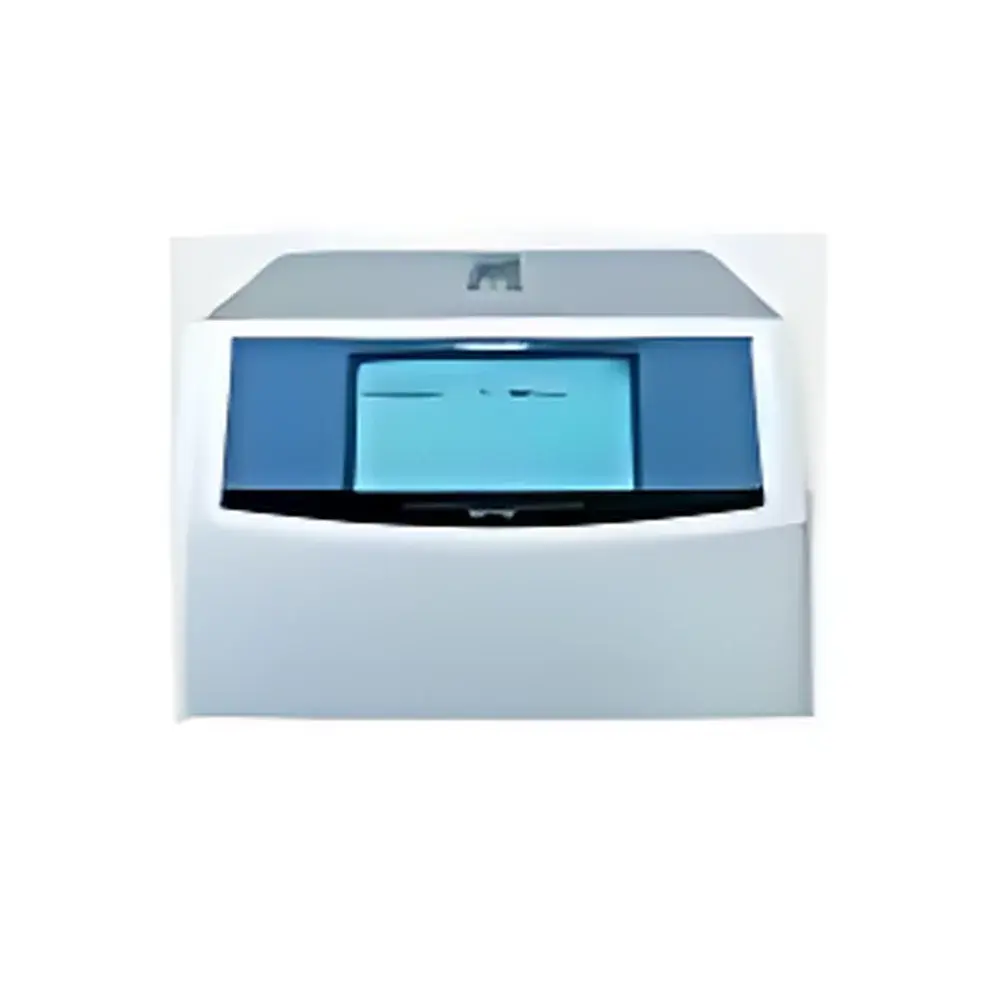
HORIBA FV-250 Portable Total Volatile Organic Compounds (TVOC) Analyzer with Flame Ionization Detection
| Brand | HORIBA |
|---|---|
| Origin | Japan |
| Model | FV-250 |
| Instrument Type | Portable |
| Detection Principle | Flame Ionization Detection (FID) |
| Measurement Range | 0–10 / 20 / 50 / 100 / 200 / 500 / 1,000 / 2,000 / 5,000 / 10,000 ppmC |
| Resolution | ±1.0% FS |
| Accuracy | ±1.0% FS |
| Response Time (T90) | < 2.0 seconds |
| Drift | ±1.0% FS / 8 hours |
| Linearity | ±1.0% FS |
| Sampling Flow Rate | ~600 mL/min |
| Warm-up Time | ~1 hour |
| Operating Temperature | 5–35 °C |
| Operating Humidity | < 85% RH |
| Output Signals | DC 0–1 V, RS-232C |
| Power Supply | AC 100 V, 50/60 Hz |
| Power Consumption | 50 VA |
| Dimensions | 260 (W) × 260 (H) × 510 (D) mm |
| Data Storage | CF card |
| Safety Feature | Automatic H₂ shutoff and alarm upon flame-out |
Overview
The HORIBA FV-250 is a portable, laboratory-grade total volatile organic compounds (TVOC) analyzer engineered for high-fidelity, real-time quantification of hydrocarbon-based VOCs in ambient air, industrial workspaces, indoor environments, and emission source testing. It employs flame ionization detection (FID), a well-established, highly sensitive, and linear analytical method standardized in ASTM D2158, ISO 11890-2, and EPA Method 25A for total hydrocarbon measurement. Unlike photoionization detectors (PID) or metal oxide sensors, FID provides consistent response factors across a broad spectrum of aliphatic, aromatic, and chlorinated VOCs—making it ideal for regulatory-compliant monitoring where carbon-mass equivalence (ppmC) reporting is required. The instrument’s rapid T90 response (<2.0 s), wide dynamic range (0–10,000 ppmC across ten auto-switching ranges), and low drift (±1.0% FS over 8 h) ensure reliable performance during extended field surveys or time-resolved exposure assessments.
Key Features
- True FID-based detection with carbon-mass calibration traceable to NIST-certified standards, delivering high linearity (±1.0% FS) and reproducibility.
- Auto-ranging functionality: seamlessly transitions between ten preconfigured concentration spans (0–10 ppmC to 0–10,000 ppmC) without manual intervention, optimizing signal-to-noise ratio across diverse sampling conditions.
- Integrated flame safety system: continuously monitors flame status; triggers audible/visual alarm and automatically shuts off hydrogen supply upon flame extinction—meeting IEC 61010-1 functional safety requirements for gas analyzers.
- Intuitive 5.7-inch color TFT touchscreen interface supporting multilingual operation (English, Japanese, Chinese), on-device trend graphing, real-time concentration history, and parameter configuration without external software.
- Low-power architecture: consumes only 50 VA, enabling stable operation from standard AC mains or compatible uninterruptible power supplies (UPS) in mobile labs or remote sites.
- Compact, ruggedized chassis (260 × 260 × 510 mm; <12 kg) designed for ergonomic field deployment, including vehicle-mounted, tripod-mounted, or handheld use with optional carrying case and battery pack (not included).
Sample Compatibility & Compliance
The FV-250 is optimized for direct analysis of ambient and stack-sampled air matrices without pre-concentration. Its FID detector responds quantitatively to virtually all organic compounds ionizable in a hydrogen-air flame—including alkanes, alkenes, aromatics, ketones, esters, and halogenated VOCs—with near-unity carbon response factors. It excludes non-volatile particulates, inorganic gases (CO, CO₂, NOₓ), and permanently gaseous species (e.g., methane at sub-ppm levels). The analyzer complies with key international frameworks: its measurement methodology aligns with ISO 16000-22 (indoor air—determination of TVOC), EN 13725 (odor measurement), and supports data integrity requirements under GLP and ISO/IEC 17025-accredited laboratories. While not intrinsically safe, it is rated for use in non-hazardous locations per CE marking (EMC Directive 2014/30/EU, LVD Directive 2014/35/EU).
Software & Data Management
Data acquisition and visualization are supported via embedded firmware and optional PC software (HORIBA FV-Series Manager). All measurements—including timestamped concentration values, range selection events, flame status logs, and diagnostic flags—are stored on removable industrial-grade CF cards (up to 32 GB), ensuring audit-ready traceability. RS-232C serial output enables direct connection to SCADA systems, data loggers, or custom LabVIEW/Python-based acquisition platforms. Export formats include CSV and ASCII text, facilitating integration into LIMS environments. Firmware supports configurable averaging intervals (1–60 s), alarm thresholds (high/low), and automatic zero/span validation protocols—critical for routine QA/QC in environmental monitoring programs subject to EPA or EU national reference methods.
Applications
- Indoor air quality (IAQ) assessment in offices, schools, hospitals, and residential buildings per WHO and ASHRAE Guideline 1.
- Occupational hygiene monitoring in chemical manufacturing, painting, printing, and coating facilities—supporting OSHA PEL and ACGIH TLV evaluations.
- Leak detection and repair (LDAR) programs compliant with US EPA 40 CFR Part 60, Subpart VV and EU IED Annex I requirements.
- Validation of VOC abatement systems (e.g., thermal oxidizers, activated carbon beds) via inlet/outlet concentration profiling.
- Research-grade emission characterization from building materials, adhesives, and consumer products per ISO 16000-9 and ASTM D5116.
- Emergency response screening following chemical spills or fire incidents where rapid TVOC hazard assessment is critical.
FAQ
What calibration standards are recommended for the FV-250?
Certified propane-in-air or methane-in-air standards (NIST-traceable, ±1% uncertainty) are recommended for initial calibration and periodic verification. Multi-point calibration across at least three ranges is advised for full linearity validation.
Does the FV-250 require carrier gas or zero air?
No—unlike GC-FID systems, the FV-250 uses ambient air as both sample matrix and combustion oxidant; only ultra-high-purity hydrogen (≥99.999%) is required as fuel gas.
Can the instrument operate unattended for extended periods?
Yes—when powered continuously and installed in a temperature-stable environment (5–35 °C), the FV-250 supports autonomous 24/7 monitoring with CF card logging and RS-232 telemetry, provided flame stability and H₂ supply are maintained.
Is firmware upgrade supported in the field?
Yes—firmware updates are delivered via CF card and applied through the onboard menu; HORIBA provides version-controlled releases with release notes covering compliance enhancements and bug fixes.
How is measurement uncertainty estimated for reporting?
Total uncertainty incorporates contributions from accuracy (±1.0% FS), resolution (±0.1% FS), drift (±1.0% FS/8 h), and calibration standard uncertainty—typically calculated per ISO/IEC Guide 98-3 (GUM) for formal regulatory submissions.







