
SepaBean Machine 2 Advanced Preparative Liquid Chromatography System (V2.0)
| Brand | Santai |
|---|---|
| Origin | Jiangsu, China |
| Manufacturer Type | Direct Manufacturer |
| Origin Category | Domestic |
| Model | SepaBean Machine 2 — Expert Edition |
| Application Level | Laboratory Grade |
| Instrument Type | Medium-Low Pressure Preparative LC |
| Flow Rate Range | 0–200 mL/min |
| Flow Accuracy | RSD ≤ 2% |
| Flow Precision (Repeatability) | RSD ≤ 2% |
| Maximum Operating Pressure | 1.38 MPa (200 psi) |
| Wavelength Range | 200–800 nm |
| Wavelength Repeatability | ±1 nm |
| Baseline Noise | ±5 × 10⁻⁵ AU |
| Data Acquisition Frequency | 10 Hz |
Overview
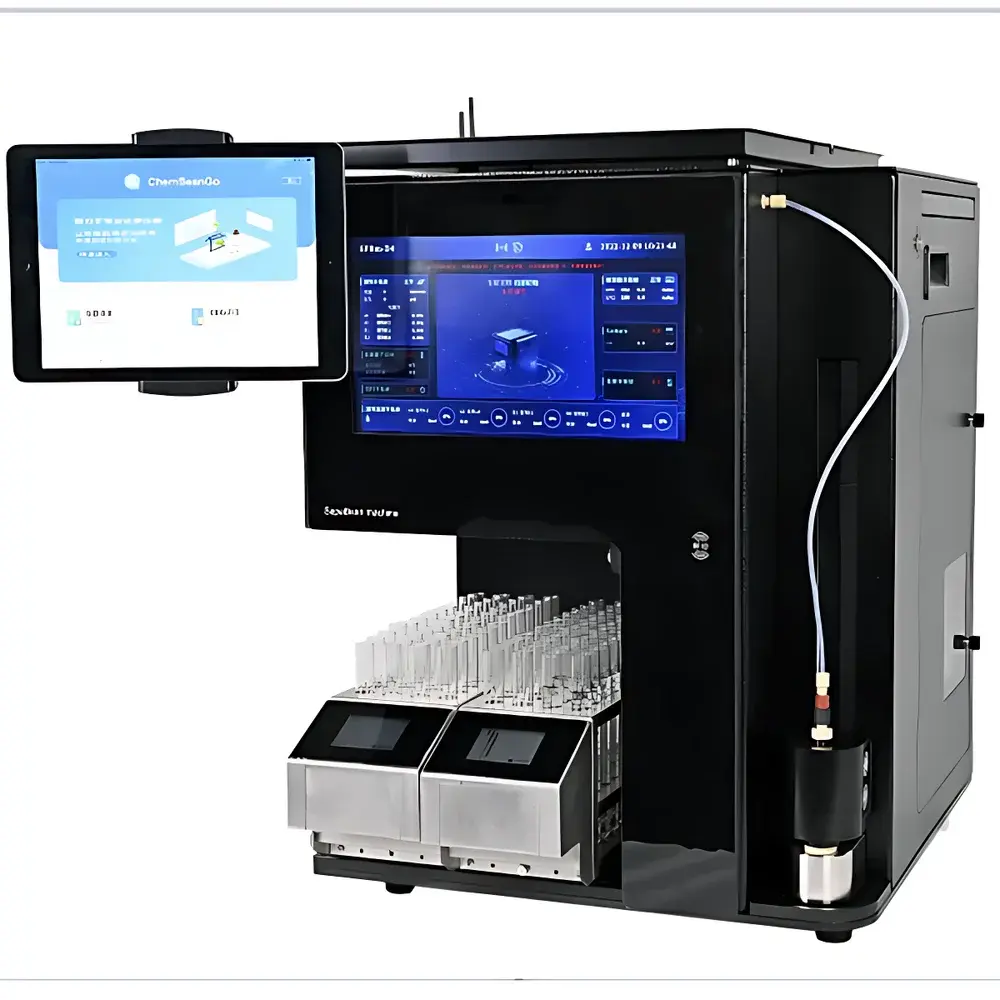
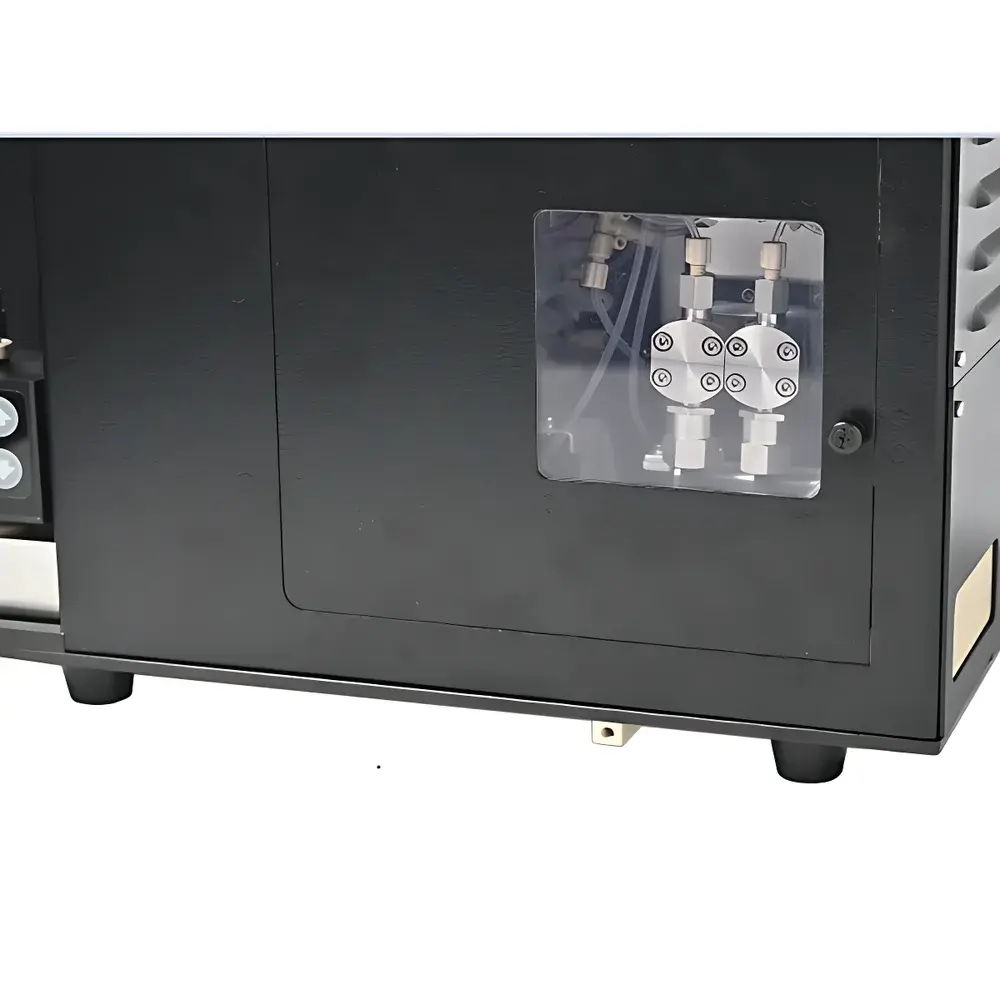
The SepaBean Machine 2 Advanced Preparative Liquid Chromatography System (V2.0) is an integrated, medium-low pressure preparative HPLC platform engineered for reproducible compound isolation and purification in academic research laboratories, pharmaceutical development units, and natural product labs. Built upon a dual-pump binary gradient architecture with four solvent channels, it supports seamless switching between reversed-phase and normal-phase chromatographic conditions without hardware reconfiguration. The system operates on the fundamental principle of differential partitioning of analytes between a stationary phase (e.g., silica or C18) and mobile phases under controlled flow and pressure, enabling scalable fractionation from milligram to multi-gram quantities. Its modular design integrates pumping, UV/VIS detection, intelligent fraction collection, RFID-enabled column management, and real-time system monitoring—delivering consistent performance across method development, purity assessment, and preparative-scale separation workflows.
Key Features
- Four-solvent delivery system with binary gradient capability and optional third auxiliary solvent channel for enhanced elution strength modulation and solubility enhancement.
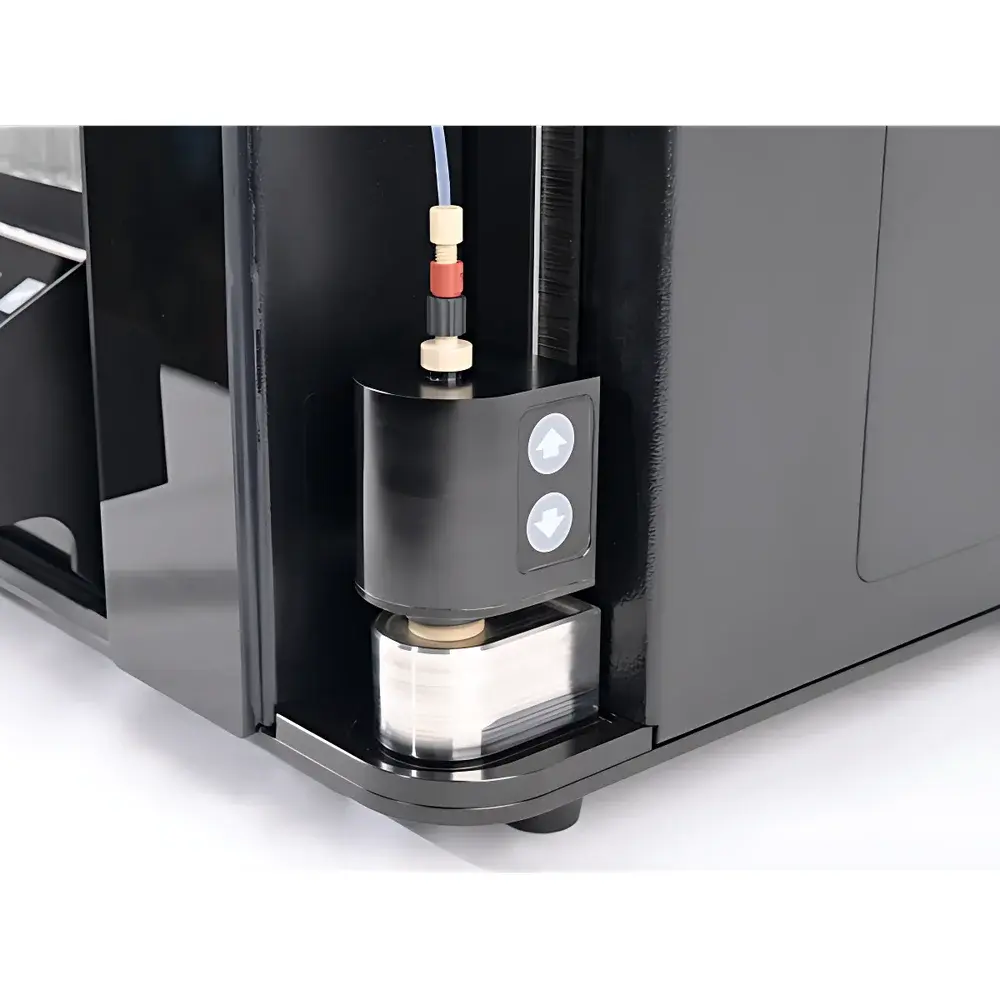
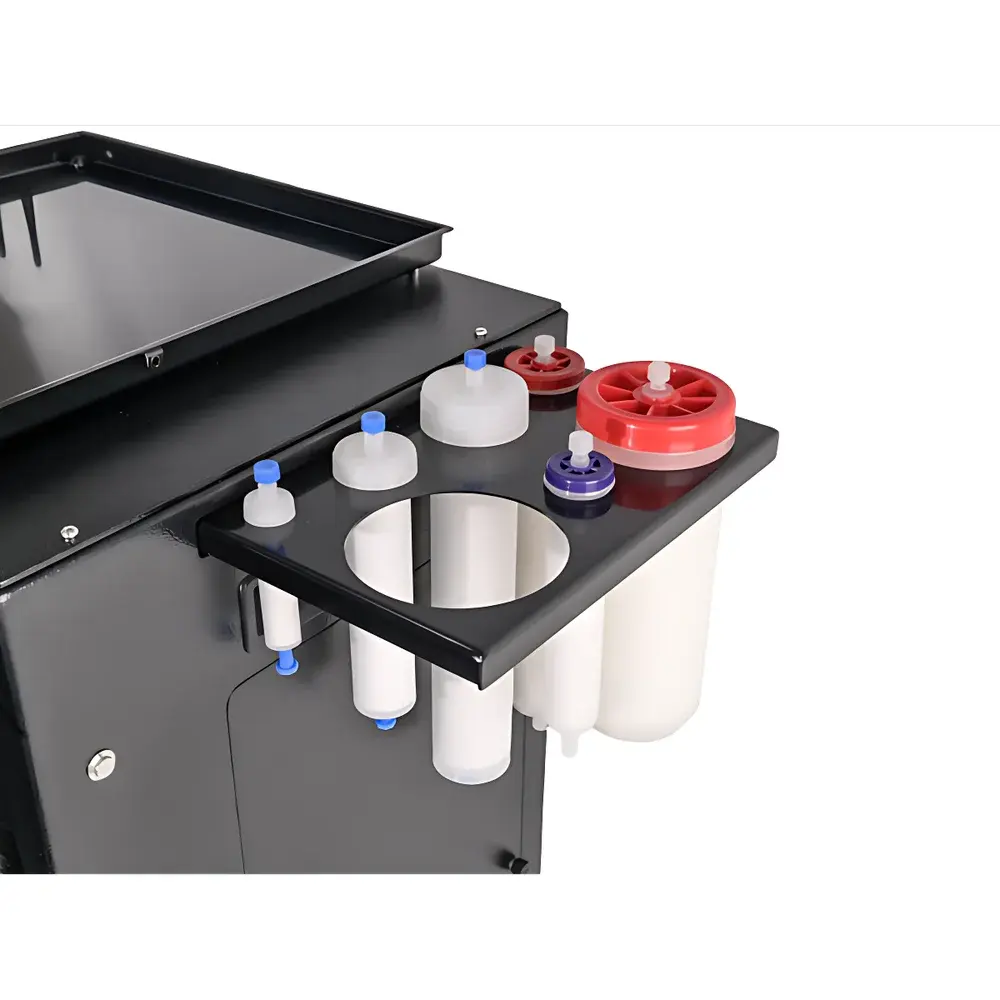
- Intelligent column rack accommodating preparative columns from 4 g to 330 g (ID 10–50 mm), equipped with RFID tag recognition for automatic column parameter recall and usage logging.
- DAD (Diode Array Detector) with 200–800 nm spectral range, ±1 nm wavelength repeatability, and low baseline noise (±5 × 10⁻⁵ AU at 1 s response time), supporting peak purity analysis and spectral library matching.
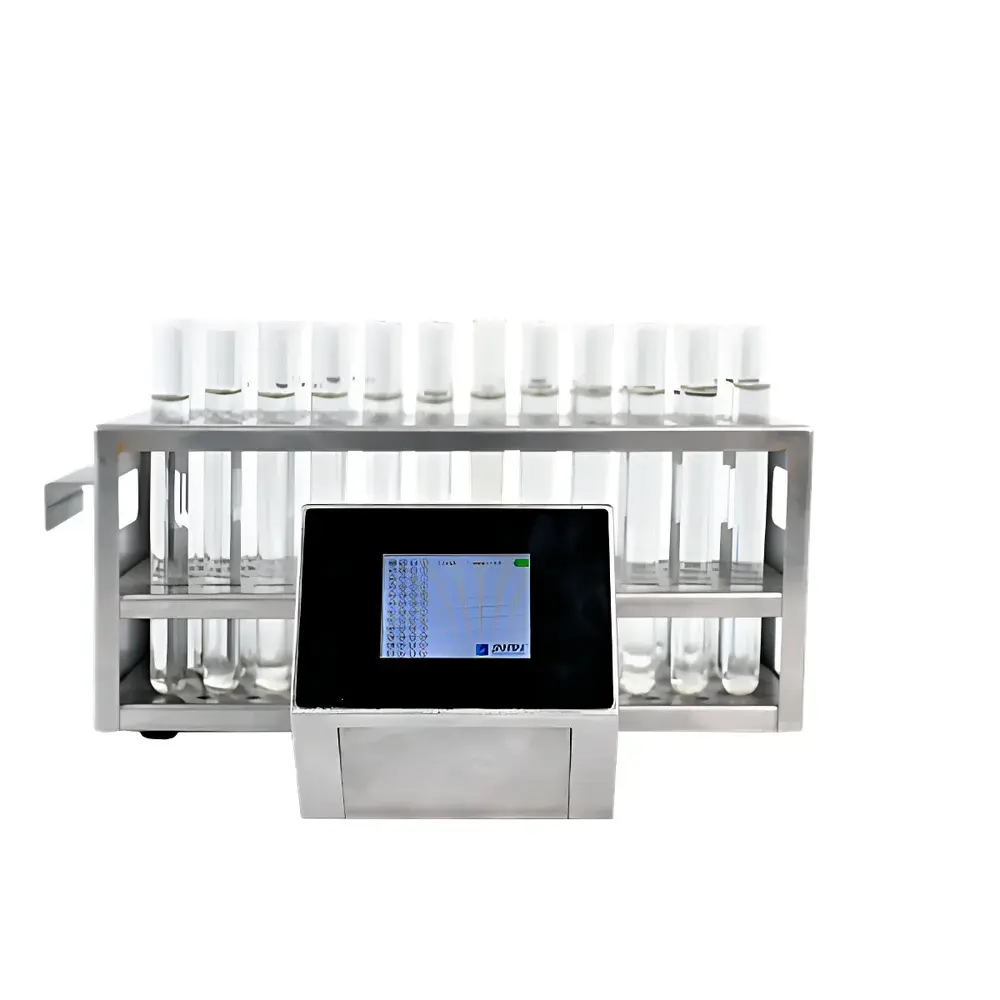
- Smart fraction collector with auto-detection of tube rack geometry (standard configuration: 2 × 18 positions × 180 mm tubes); compatible with customizable racks for vials, microtiter plates, or custom containers.
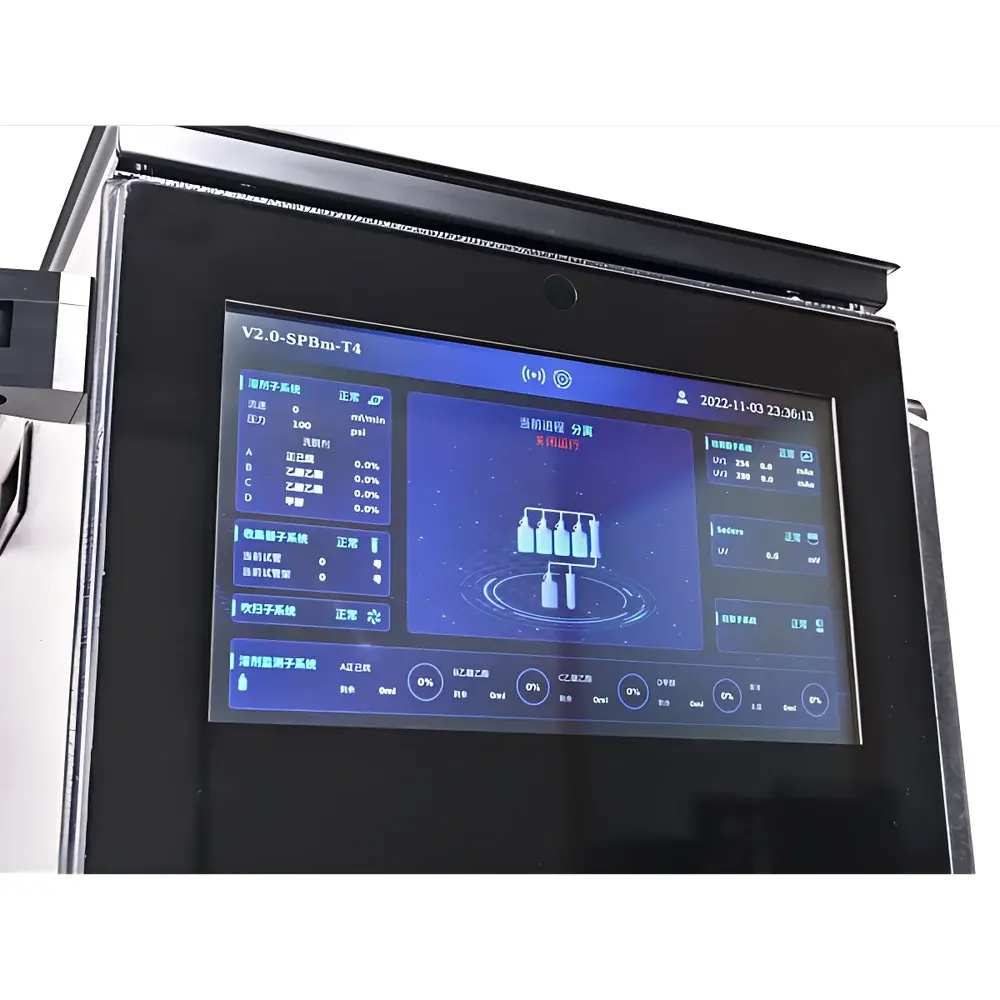
- 11.6-inch high-resolution dynamic touchscreen interface with intuitive workflow navigation, real-time chromatogram overlay, and embedded method editor.
- Integrated safety subsystems including real-time pressure monitoring with programmable overpressure cutoff, solvent level sensors with audible/visual alerts, and leak detection logic.
Sample Compatibility & Compliance
The SepaBean Machine 2 accommodates both liquid and solid sample introduction via manual injection valve or optional automated sampler module, supporting crude extracts, synthetic intermediates, fermentation broths, and formulated APIs. Column compatibility spans silica gel, amino, cyano, diol, and reversed-phase media—including polymeric and hybrid materials—enabling orthogonal separations per ICH Q5A and USP . All electronic records comply with ALCOA+ principles; audit trail functionality, user-level access control, and electronic signature support align with FDA 21 CFR Part 11 requirements for regulated environments. System validation documentation adheres to ISO/IEC 17025 and ASTM E2500-15 guidelines for analytical instrument qualification.
Software & Data Management
The embedded SepaBean Control Suite provides method creation, sequence scheduling, real-time data visualization, and post-run integration with built-in peak tracking algorithms. Networked deployment enables concurrent access across laboratory workstations: when one instrument is occupied, users may review historical runs, export chromatograms (in .cdf or .csv), and re-execute validated methods on alternative units without manual file transfer. Fault-tolerant operation allows method migration during pump or detector failure—retaining all gradient profiles, collection triggers, and calibration parameters. Data synchronization occurs automatically upon instrument reconnection to the local area network; no import/export steps are required, eliminating version drift and unauthorized data exposure. Role-based permissions (Administrator, Operator, Viewer) enforce GLP-compliant workflow governance.
Applications
- Purification of natural products (alkaloids, flavonoids, terpenoids) from plant extracts using step-gradient or linear elution protocols.
- Isolation of synthetic reaction mixtures prior to NMR or MS characterization—particularly for chiral or regioisomeric compounds.
- Preparative desalting and buffer exchange of peptides and oligonucleotides using size-exclusion or ion-exchange columns.
- Method scouting and optimization for downstream analytical HPLC or UHPLC assay development.
- Support of Quality Control (QC) batch release testing where purified reference standards must meet ≥98% purity by area normalization.
FAQ
What is the maximum column internal diameter supported by the intelligent column rack?
The column rack accepts columns with internal diameters from 10 mm to 50 mm, corresponding to typical loading capacities of 4 g to 330 g of stationary phase.
Can the system be operated remotely via web browser or mobile device?
Yes—via secure HTTPS access to the instrument’s embedded web server, users can monitor live chromatograms, adjust active methods, and initiate collection pauses/resumes from any network-connected device.
Does the DAD detector support spectral deconvolution or peak purity assessment?
Yes—the included software performs real-time spectral comparison across retention time windows and calculates purity angles per USP , supporting qualitative confirmation of isolated fractions.
Is method transfer between SepaBean Machine 2 units fully deterministic?
Yes—method files contain calibrated flow compensation tables, detector gain settings, and collection trigger thresholds, ensuring identical retention times and fraction boundaries across instruments within the same lab network.
How frequently is the built-in separation method database updated?
The method library receives quarterly updates via encrypted OTA (over-the-air) download, covering new applications for pharmaceutical impurities, botanical markers, and peptide purification protocols—all accessible without subscription or additional licensing fees.
Related Products




