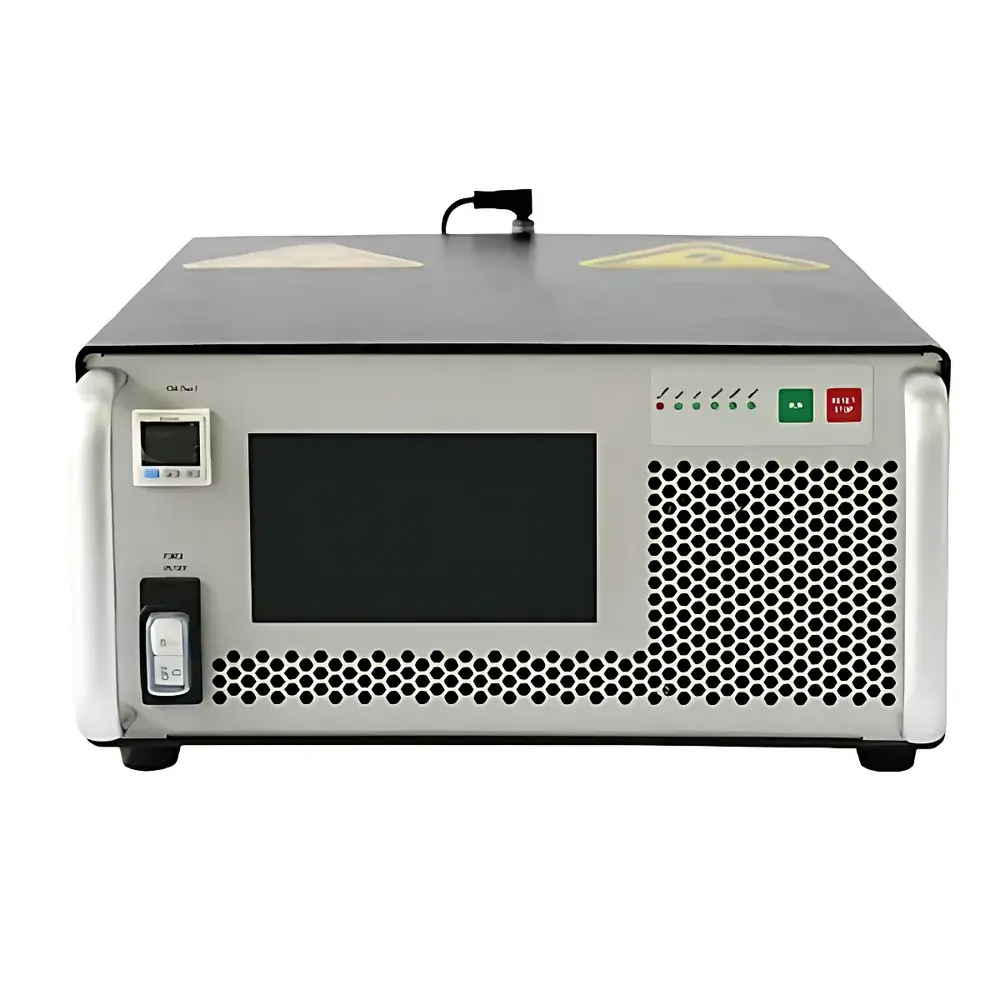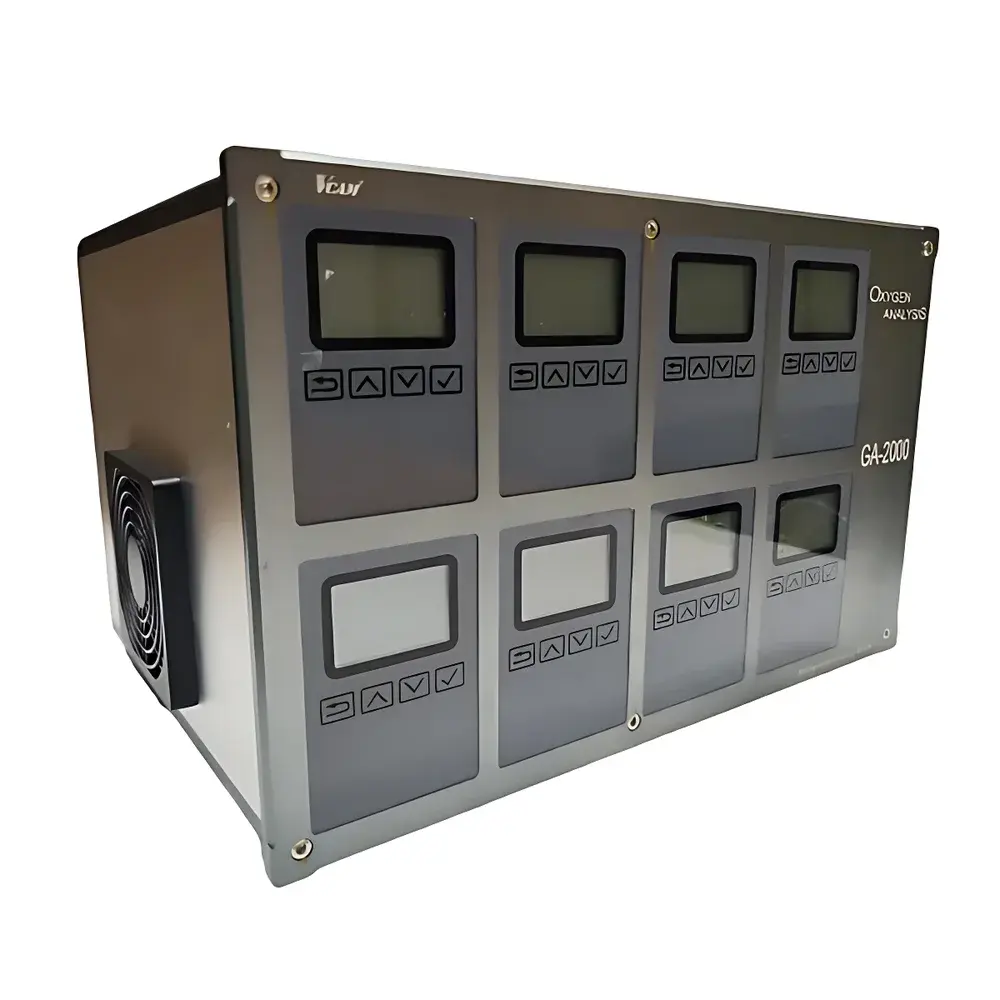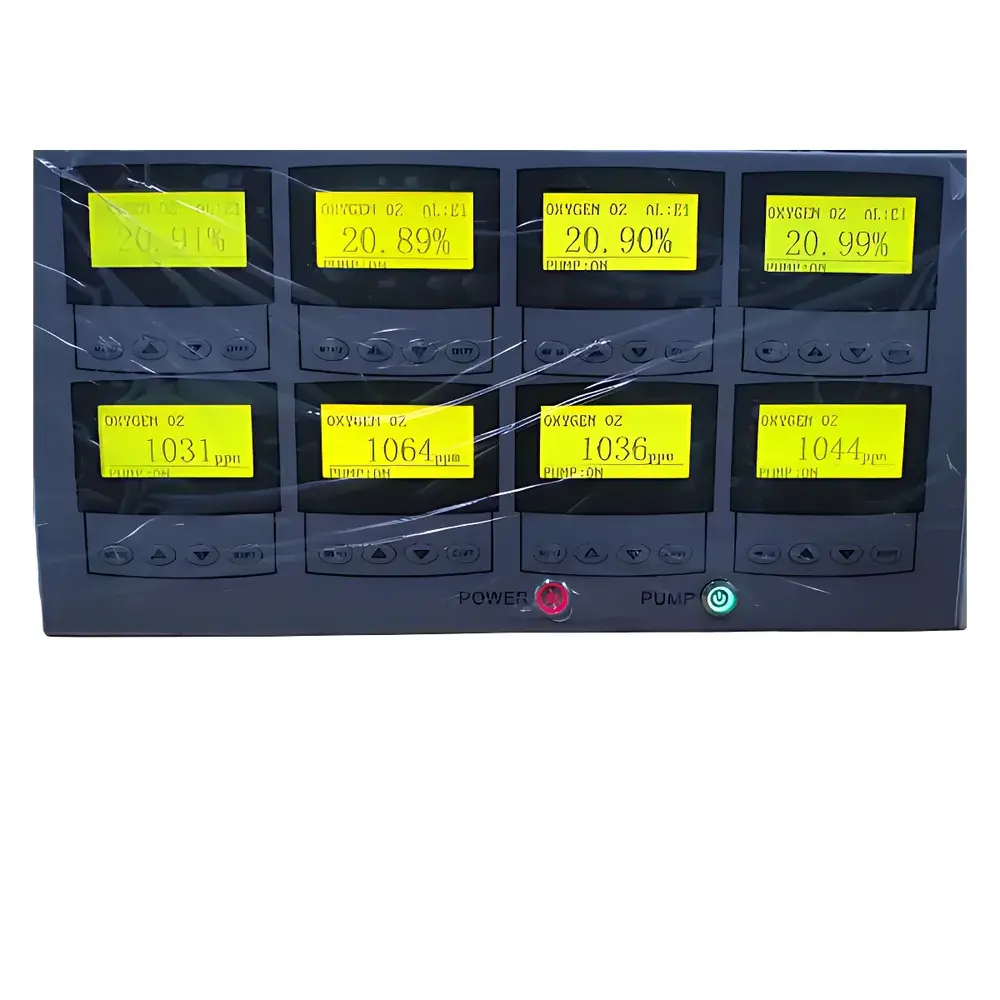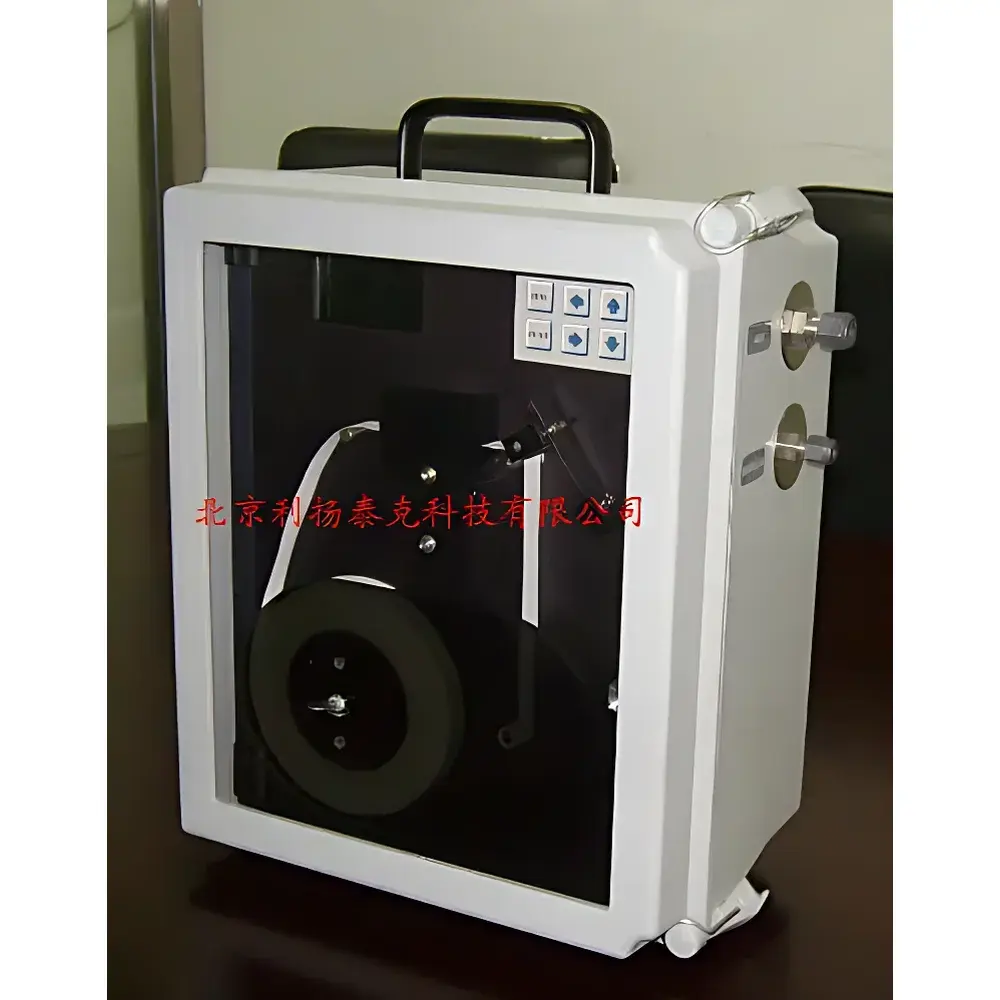
ASI ASI-150 Portable Hydrogen Sulfide Analyzer
| Origin | USA |
|---|---|
| Manufacturer Type | Authorized Distributor |
| Origin Category | Imported |
| Model | ASI-150 |
| Pricing | Available Upon Request |
| Measurement Principle | Lead Acetate Tape Detection |
| Range | 0–1 ppm / 0–50 ppm / 0–500 ppm |
| Resolution | 1 ppb |
| Accuracy | ±2% of reading |
| Repeatability | ±1% of reading |
| Linearity | ±1% of full scale |
| Zero Drift | <0.01 ppm/24h |
| Temperature Coefficient | 0.01%/°C |
| Response Time (T90) | 0.75 s |
| Weight | 4.5 kg |
| Dimensions | 25.4 × 30.5 × 15.2 cm |
| Power Supply | 220 VAC, 50 Hz or 12/24 VDC |
| Operating Temperature | 5–50 °C |
| Storage Temperature | 0–70 °C |
Overview
The ASI ASI-150 Portable Hydrogen Sulfide Analyzer is a field-deployable, real-time gas detection instrument engineered for selective, quantitative measurement of hydrogen sulfide (H₂S) in ambient air, industrial process streams, and confined-space environments. It employs the well-established lead acetate tape detection method—a gravimetric, colorimetric technique with proven selectivity for H₂S. In this method, a continuously advanced chemically impregnated paper tape reacts specifically with H₂S to form black lead sulfide (PbS), resulting in a measurable optical density change. The reaction is stoichiometric, irreversible, and unaffected by common interferents such as SO₂, CO, NOₓ, CH₄, or volatile organic compounds—making the ASI-150 particularly suitable for applications where cross-sensitivity must be eliminated. Its sub-second response time (T90 ≤ 0.75 s), combined with high resolution (1 ppb) and calibrated linearity across three user-selectable ranges (0–1 ppm, 0–50 ppm, 0–500 ppm), supports both low-level occupational exposure monitoring and higher-concentration leak detection in oil & gas, wastewater treatment, biogas facilities, and chemical manufacturing.
Key Features
- Lead acetate tape-based detection ensures inherent specificity to H₂S without requiring catalytic filters or electrochemical compensation circuits
- Triple-range analog/digital output configuration enables seamless adaptation from OSHA PEL (10 ppm TWA) to NIOSH IDLH (100 ppm) monitoring scenarios
- Integrated temperature-compensated photometric sensor with auto-zero reference channel minimizes thermal drift (0.01%/°C) and maintains baseline stability
- Robust portable architecture: IP54-rated enclosure, shock-absorbing elastomer housing, and internal battery backup support extended field operation
- Configurable alarm thresholds with relay outputs compliant with IEC 61000-4-2 (ESD) and IEC 61000-4-4 (EFT) immunity standards
- Calibration traceability supported via NIST-traceable H₂S standard gas cylinders (certified at ±1% uncertainty)
Sample Compatibility & Compliance
The ASI-150 operates on unfiltered, non-condensing sample gas drawn at a fixed flow rate (typically 0.5–1.0 L/min) via integrated sampling pump. It is compatible with ambient air, natural gas headspace, digester off-gas, and vented exhaust streams containing particulate loadings <1 mg/m³. No pre-treatment (e.g., scrubbers or dryers) is required unless moisture saturation or aerosol loading exceeds operational limits. The analyzer meets performance criteria outlined in ASTM D4084–22 (Standard Test Method for Determination of Hydrogen Sulfide in Gaseous Fuels by Lead Acetate Tape Method) and aligns with OSHA 29 CFR 1910.1000 (Air Contaminants) and ACGIH TLV® documentation requirements. All firmware and calibration logs are timestamped and stored internally to support GLP-compliant recordkeeping and audit readiness.
Software & Data Management
Data acquisition is managed through the ASI DataLink™ PC utility (Windows 10/11 compatible), enabling real-time graphing, configurable data logging intervals (1 s to 60 min), and CSV export with embedded metadata (date/time, range setting, temperature, battery voltage). The device supports Modbus RTU over RS-485 for integration into SCADA or DCS platforms. Audit trails—including calibration events, zero/span adjustments, and alarm activations—are retained for ≥12 months and comply with FDA 21 CFR Part 11 requirements when used with electronic signature-enabled host systems. Firmware updates are delivered via secure HTTPS download and require cryptographic verification prior to installation.
Applications
- Ongoing personal exposure monitoring for refinery maintenance crews and pipeline integrity technicians
- Continuous H₂S surveillance at municipal wastewater lift stations and anaerobic digesters
- Verification of amine solvent regeneration efficiency in gas sweetening units
- Emergency response screening during transportation incidents involving sour crude or sulfur-containing chemicals
- Baseline ambient monitoring around landfills and composting facilities subject to EPA NSPS Subpart WWW
FAQ
How often does the lead acetate tape require replacement?
Tape life depends on H₂S concentration and sampling duration; under typical ambient conditions (<100 ppb), one roll lasts ≥30 days at standard 10 mm/min advancement rate.
Can the ASI-150 be used in explosive atmospheres?
No—the unit is not intrinsically safe or ATEX/IECEx certified. For hazardous area deployment, it must be installed in a purged enclosure or used with remote sampling via explosion-proof probe assembly.
Is field calibration possible without external gas standards?
Zero calibration is fully automated; span calibration requires certified H₂S challenge gas (±1% certified) and cannot be performed using internal references alone.
Does the analyzer provide analog output for PLC interfacing?
Yes—4–20 mA isolated current loop output is standard, scalable to any selected measurement range, with HART protocol support optional upon request.
What maintenance is required beyond tape replacement?
Biannual inspection of pump diaphragm integrity, optical path cleaning with lint-free swabs, and verification of flow rate using a calibrated rotameter or bubble meter.