Scientech AP50S / AP50UVS Photodiode-Based Laser Power Meter
| Brand | Scientech |
|---|---|
| Origin | USA |
| Model | AP50S (400–1100 nm) / AP50UVS (200–1100 nm) |
| Max. Power | 50 mW (AP50S), 4 mW standard / 1 W optional (AP50UVS) |
| Max. Power Density | 170 mW/cm² (AP50S), 5 mW/cm² (AP50UVS) |
| Detector Type | Silicon photodiode |
| Aperture Diameter | 11 mm |
| Min. Detectable Power | 100 nW |
| Resolution | 10 nW |
| Noise Level | 1 nW |
| Accuracy | ±5% |
| Repeatability | ±3% |
| Linearity | ±1% |
| Response Time | <1 s |
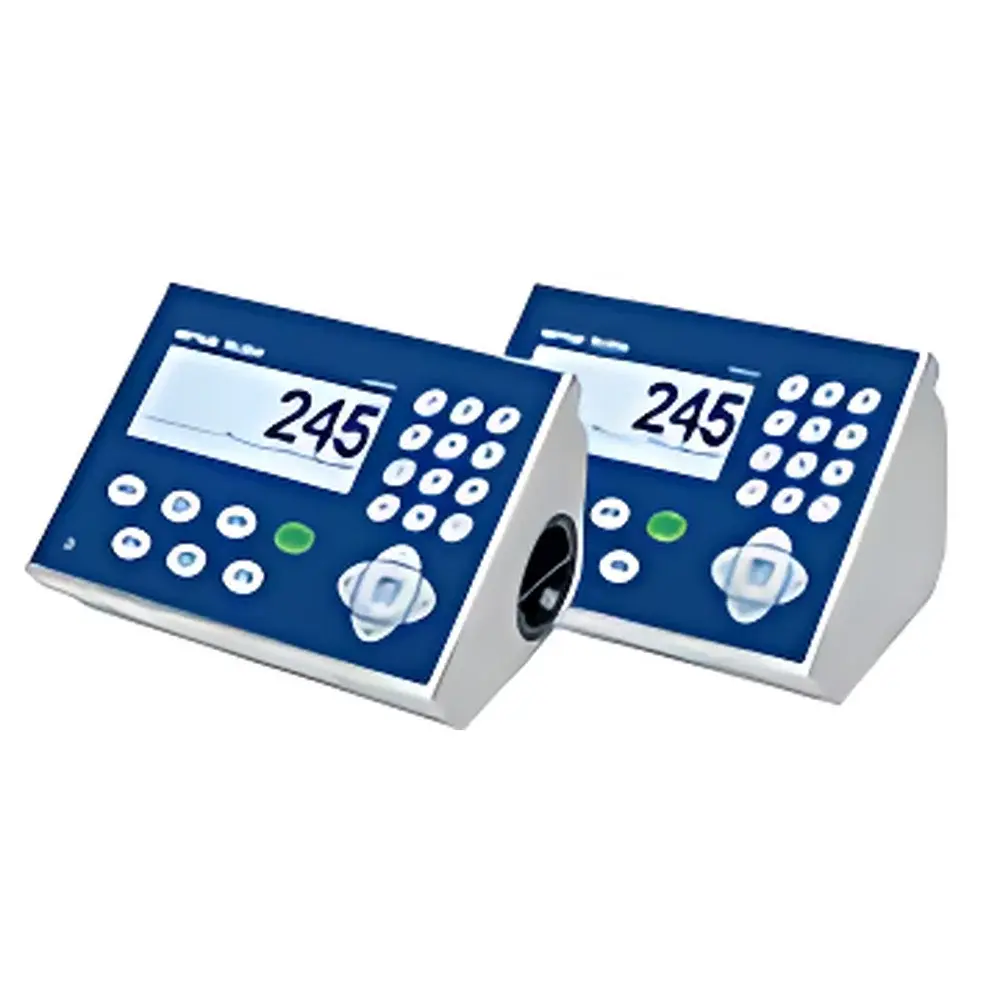
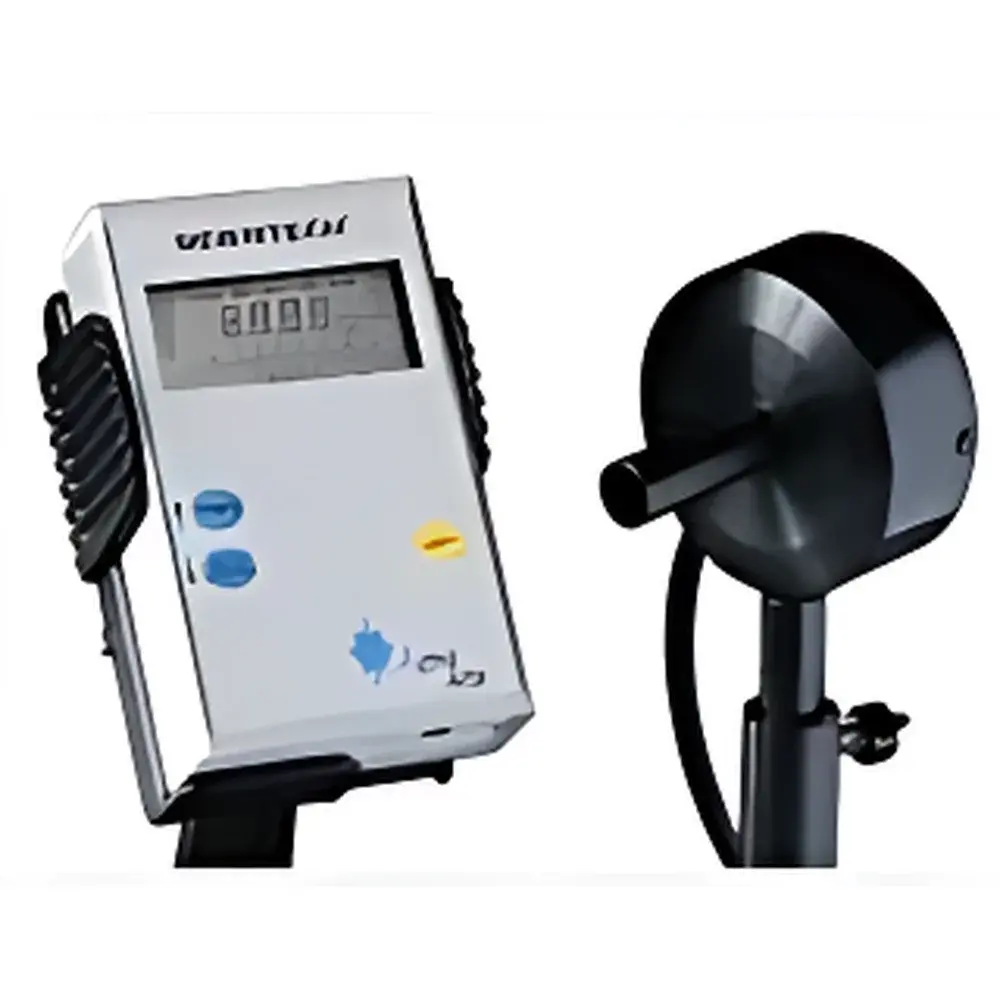
| Meter Display | Digital (Al51D) with analog bar graph |
| Meter Ranges | 50.00 mW, 5.000 mW, 500.0 µW, 50.00 µW (AP50S) |
| Meter Power Supply | 100–240 VAC, 50–60 Hz |
| Detector Weight | 0.12 kg |
| Detector Dimensions (Dia × L) | 64 mm × 28 mm |
| Meter Weight | 0.45 kg |
| Meter Dimensions (L × W × H) | 160 × 107 × 38 mm³ |
| Optional Accessories | APX beam expanders, lithium battery pack, kinematic mounting bases, carrying cases |
Overview
The Scientech AP50S and AP50UVS are precision photodiode-based laser power meters engineered for high-sensitivity, real-time measurement of low-power continuous-wave (CW) lasers across the ultraviolet to near-infrared spectrum. Unlike thermal detectors, these instruments employ calibrated silicon photodiodes operating on the principle of photon-to-electron conversion, delivering rapid response (<1 s), exceptional resolution (10 nW), and stable linearity (±1%) over their dynamic range. The AP50S covers 400–1100 nm and is optimized for visible and NIR sources such as diode lasers, HeNe lasers, and fiber-coupled modules. The AP50UVS extends spectral coverage down to 200 nm using UV-enhanced silicon, enabling accurate measurement of excimer lasers, deuterium lamps, and UV LED systems—subject to appropriate calibration traceability. Both models feature a fixed 11 mm active aperture, ensuring consistent beam capture geometry and minimizing alignment-induced uncertainty. Designed for integration into optical benches, cleanroom workstations, and ISO/IEC 17025-accredited calibration labs, the system meets fundamental requirements for traceable radiometric measurement under NIST-traceable calibration protocols.
Key Features
- High-resolution photodiode detection with 10 nW minimum resolution and sub-nanowatt noise floor (1 nW RMS)
- Two spectral variants: AP50S (400–1100 nm) for visible/NIR applications; AP50UVS (200–1100 nm) with UV-optimized coating
- Calibrated accuracy of ±5% (k = 2) across full wavelength and power range, with repeatability better than ±3%
- Compact, lightweight detector head (0.12 kg, 64 mm × 28 mm) with integrated heat-sink design for stable thermal performance
- Al51D digital meter with dual-mode display (numeric + analog bar graph), auto-ranging, and front-panel zeroing
- Four selectable full-scale ranges on AP50S (50.00 mW to 50.00 µW); three on AP50UVS (4.000 mW to 40.00 µW)
- Robust metal enclosure for EMI shielding and mechanical durability in shared lab environments
- Universal AC input (100–240 VAC, 50–60 Hz) with internal regulation—no external power supply required
Sample Compatibility & Compliance
The AP50S/AP50UVS series is intended exclusively for CW or quasi-CW laser sources with average power ≤1 W (with optional high-power absorber). It is not suitable for pulsed lasers unless pulse repetition frequency exceeds 10 kHz and duty cycle remains >10%. Beam diameters must fully fit within the 11 mm aperture without clipping; for oversized beams, APX-series beam expanders maintain measurement fidelity by reducing power density while preserving total flux. All detectors are supplied with NIST-traceable calibration certificates per ISO/IEC 17025 requirements, including wavelength-specific responsivity data at 405, 532, 633, 780, and 1064 nm. The system supports GLP-compliant documentation workflows when paired with Scientech’s optional data logging software. While not FDA 21 CFR Part 11 certified out-of-the-box, audit trails and user access logs can be implemented via third-party laboratory information management systems (LIMS).
Software & Data Management
The Al51D meter includes RS-232 and USB (virtual COM) interfaces for direct connection to Windows- or Linux-based acquisition platforms. Scientech provides free LabVIEW VI libraries and Python-compatible ASCII command sets (SCPI-like syntax) for automated power monitoring, stability trending, and pass/fail threshold reporting. Raw readings are output at up to 10 Hz with timestamped ASCII frames, supporting CSV export for post-processing in MATLAB, Excel, or statistical analysis packages. Optional Scientech DataLog software enables synchronized multi-channel logging (when used with other Scientech sensors), configurable alarms, and PDF report generation compliant with internal QA templates. All firmware updates are delivered via signed binary packages with SHA-256 verification.
Applications
- Verification and stabilization of low-power diode lasers in spectroscopy and atomic physics setups
- Characterization of UV LED irradiance in photolithography process development
- Power monitoring in fiber-optic sensor interrogation systems and telecom component testing
- Calibration transfer between primary standards and working standards in metrology labs
- Alignment-assisted power feedback loops in optical trap and tweezer instrumentation
- Quality control of laser marking and engraving subsystems during OEM manufacturing
FAQ
Can the AP50UVS measure 254 nm mercury lamp output?
Yes—provided the lamp’s spatial uniformity and divergence fall within the detector’s angular acceptance (±5°), and the total irradiance does not exceed 5 mW/cm² at the aperture plane.
Is recalibration required annually?
Per ISO/IEC 17025 recommendations, annual recalibration is advised for applications requiring documented measurement uncertainty; Scientech offers accredited recalibration services with turnaround under 10 business days.
Does the meter support averaging or peak-hold functions?
The Al51D supports programmable moving-average filtering (1–64 sample window) via serial command; peak-hold is not implemented in firmware but can be replicated externally using data acquisition software.
Can I use this meter with a 2 mm diameter Gaussian beam at 633 nm?
Yes—the 11 mm aperture provides ample margin for beam placement; however, ensure the beam’s 1/e² diameter is centered and does not exceed 8 mm to avoid edge diffraction effects that may impact responsivity uniformity.
Are calibration certificates supplied with each unit?
Yes—each detector ships with a NIST-traceable certificate listing measured responsivity (A/W) at five reference wavelengths, expanded uncertainty (k = 2), and environmental test conditions.