
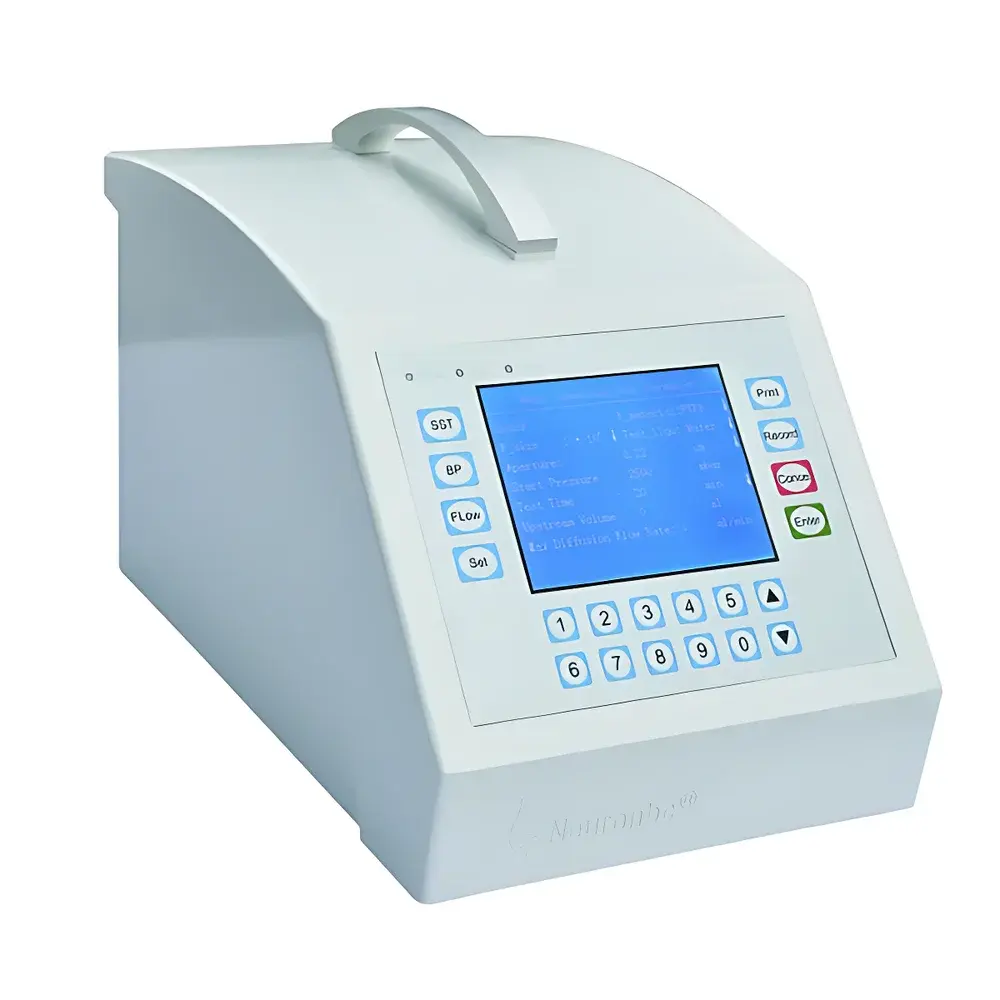
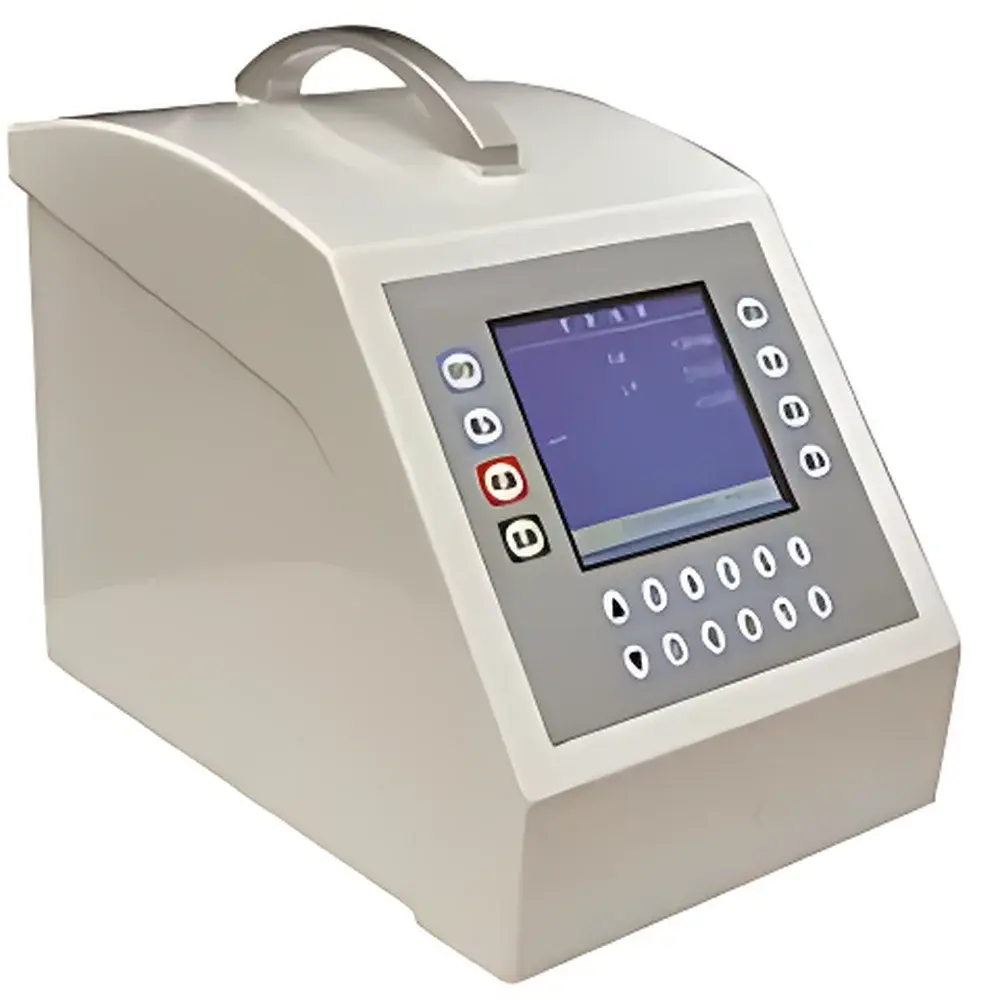
NeuronBC IntegTest 4.0 Filter Integrity Tester
| Brand | NeuronBC |
|---|---|
| Origin | Beijing, China |
| Model | IntegTest 4.0 |
| Power Supply | 100–240 VAC, 50 Hz, 120 W |
| Operating Pressure Range | 100–8000 mbar (115 psi) |
| Test Accuracy | Bubble Point ±50 mbar |
| Bubble Point Range | 590–6900 mbar |
| Diffusion Flow Range | 1–180 mL/min |
| Water Intrusion Range | 0.01–30 mL/min |
| Display | 5.7″ TFT monochrome LCD with backlight |
| Data Storage | 500 test records |
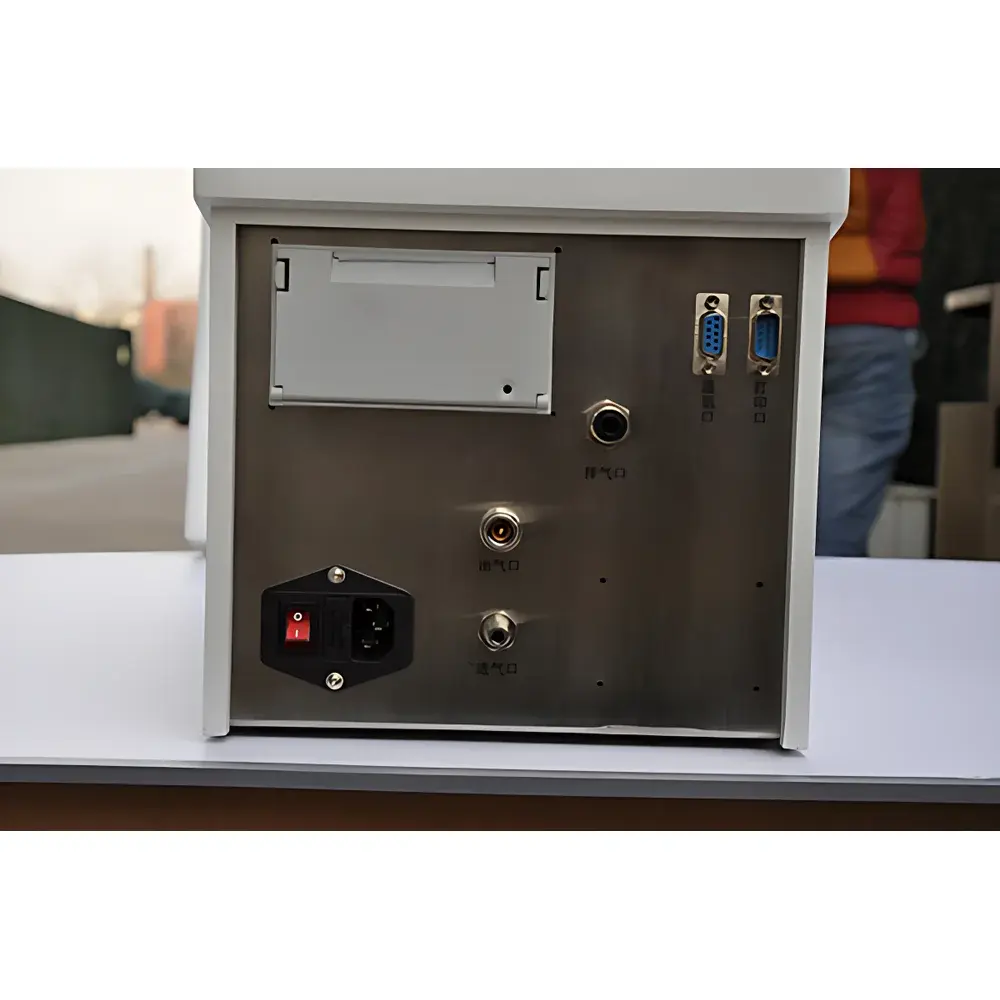
| Interface | RS232 serial port |
| Language Support | English & Chinese |
| Operating Environment | 5–40 °C, 10–80% RH |
| Dimensions (L×W×H₁×H₂) | 400 × 240 × 270 × 220 mm |
| Weight | 7.5 kg |
| Compliance | Suitable for ISO 13408-2, ASTM F838-22, USP <1207>, and GMP/GLP environments requiring filter integrity validation |
Overview
The NeuronBC IntegTest 4.0 Filter Integrity Tester is an engineered solution for deterministic, non-destructive validation of hydrophobic and hydrophilic membrane filters used in pharmaceutical, biotechnology, and sterile manufacturing processes. It operates on three core principles: bubble point measurement (via gas pressure ramping across a liquid-saturated membrane), diffusion flow quantification (measuring spontaneous gas passage under sub-bubble-point pressure), and water intrusion testing (a solvent-free method specifically optimized for hydrophobic membranes such as PTFE, PVDF, and polypropylene). Unlike traditional bubble point methods relying on organic wetting agents—posing residue, flammability, and operator safety risks—the IntegTest 4.0 implements the water intrusion method using purified water or WFI, fully aligning with modern regulatory expectations outlined in USP , ISO 13408-2, and Annex 1 (2022). Its integrated upstream volume measurement capability eliminates reliance on nominal filter housing volumes, delivering traceable, calibrated net-volume-based calculations essential for audit-ready compliance.
Key Features
- Automated, closed-loop pressure control with real-time upstream volume calibration—ensuring reproducible pressure ramp rates and eliminating manual volumetric assumptions.
- Dual-mode integrity assessment: supports both classical bubble point/diffusion protocols and the increasingly mandated water intrusion method for hydrophobic filters.
- High-fidelity 5.7″ TFT monochrome display with adjustable backlight—optimized for cleanroom glove operation and low-glare visibility under ISO Class B lighting conditions.
- Onboard thermal microprinter with automatic report generation—including timestamp, test type, pressure curve snapshot, pass/fail flag, and operator ID (when configured with external authentication).
- RS232 interface compliant with LIMS and MES integration standards; supports ASCII-based data export for CSV or XML ingestion into electronic batch records.
- Robust mechanical architecture designed for repeated sterilization cycles and continuous use in Grade A/B environments—validated per IEC 61000-6-2 (immunity) and IEC 61000-6-3 (emissions).
Sample Compatibility & Compliance
The IntegTest 4.0 accommodates a full spectrum of single-use and reusable filtration formats: disc membranes (Φ25 mm to 300 mm), standard cartridges (2.5″ to 40″, 1–15 pleats), capsule filters, mini-cartridges, flat-sheet modules, and air vent filters. It supports asymmetric and symmetric membrane structures—including track-etched, sintered metal, and ultrafiltration membranes—with configurable test parameters to match pore size distribution and material wettability. All test modes meet the performance criteria defined in ASTM F838-22 for bacterial retention validation correlation, and results are structured to satisfy FDA 21 CFR Part 11 requirements when paired with validated software extensions (e.g., audit trail-enabled reporting modules). The instrument’s firmware includes built-in calibration verification routines traceable to NIST-certified pressure transducers and volumetric standards.
Software & Data Management
While the IntegTest 4.0 operates autonomously via its embedded controller, it provides native support for post-test data retrieval and long-term archival. Each of the 500 stored test records contains full metadata: date/time stamp, operator code (if entered), filter identification tag, test mode selected, applied pressure profile, measured flow values, calculated integrity thresholds, and final pass/fail determination. When connected to a validated PC-based application (sold separately), users can generate PDF reports compliant with ALCOA+ principles—ensuring Attributable, Legible, Contemporaneous, Original, Accurate, and Complete documentation. Optional firmware upgrades enable electronic signature capture and role-based access control, facilitating alignment with GMP Annex 11 and EU GMP Annex 11 implementation guidelines.
Applications
- Final filter validation prior to sterile drug product filling (e.g., monoclonal antibodies, vaccines, cell therapies).
- In-process integrity checks of pre-filters and sterilizing-grade filters in buffer and media preparation suites.
- Qualification and routine monitoring of vent filters in bioreactors, storage tanks, and lyophilizers.
- Supporting extractables and leachables (E&L) studies by verifying absence of structural defects prior to solvent exposure.
- Facilitating risk-based filter lifecycle management—integrating integrity data with filter usage logs, sterilization cycles, and end-of-life trending.
FAQ
Does the IntegTest 4.0 comply with USP requirements for deterministic test methods?
Yes—it implements water intrusion and diffusion flow tests as described in USP Chapter 4, and supports bubble point testing per Chapter 3. All test algorithms follow the mathematical models specified in the monograph.
Can the instrument validate filters used in compressed gas systems?
Yes—its operating pressure range (100–8000 mbar) covers typical compressed air, nitrogen, and CO₂ distribution systems, and it includes dedicated gas-type selection logic to correct for compressibility effects.
Is calibration traceable to national standards?
Yes—pressure sensors are factory-calibrated against NIST-traceable deadweight testers; volume calibration uses gravimetrically verified reference vessels.
What maintenance is required for long-term reliability?
Annual verification of pressure transducer linearity and zero drift is recommended; no consumables or user-serviceable parts are required between scheduled validations.
How does the system handle multi-cartridge housings?
It supports sequential testing of up to 15 cartridges within a single housing via programmable port switching—data is logged per cartridge with individual pass/fail status.





