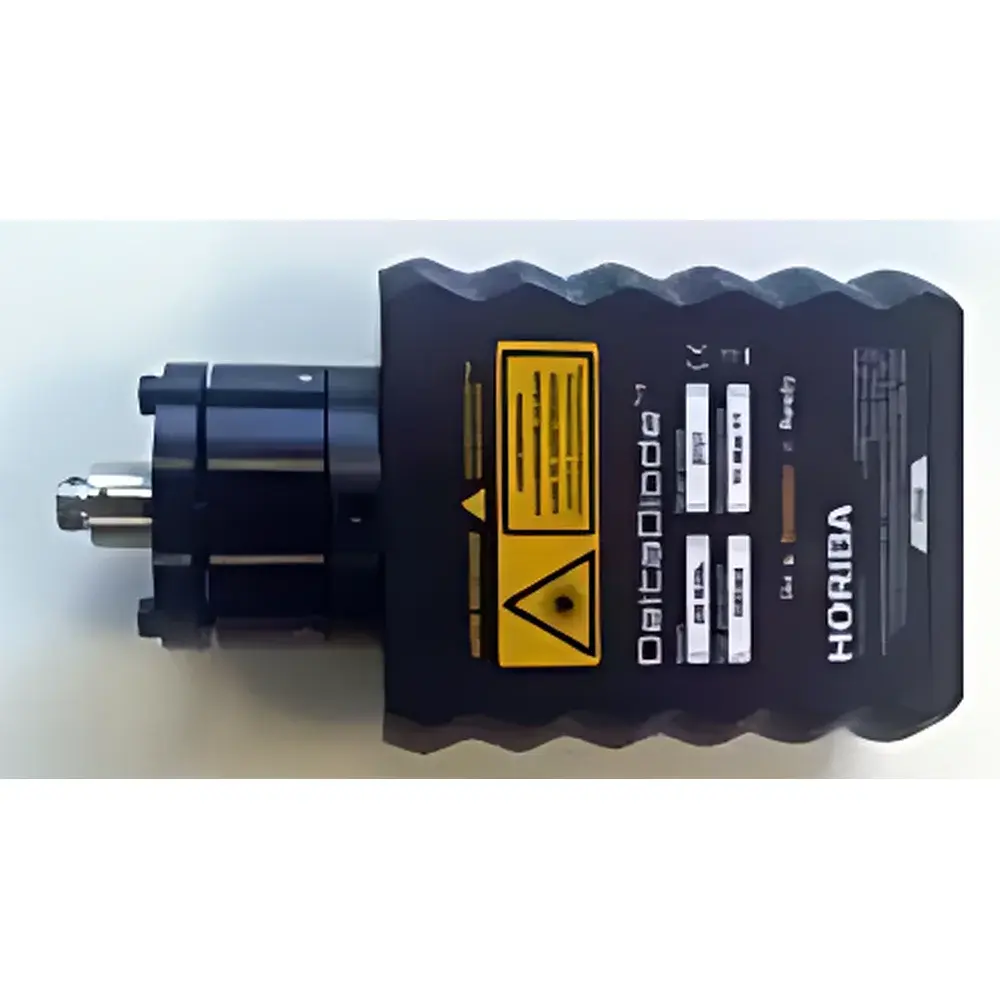
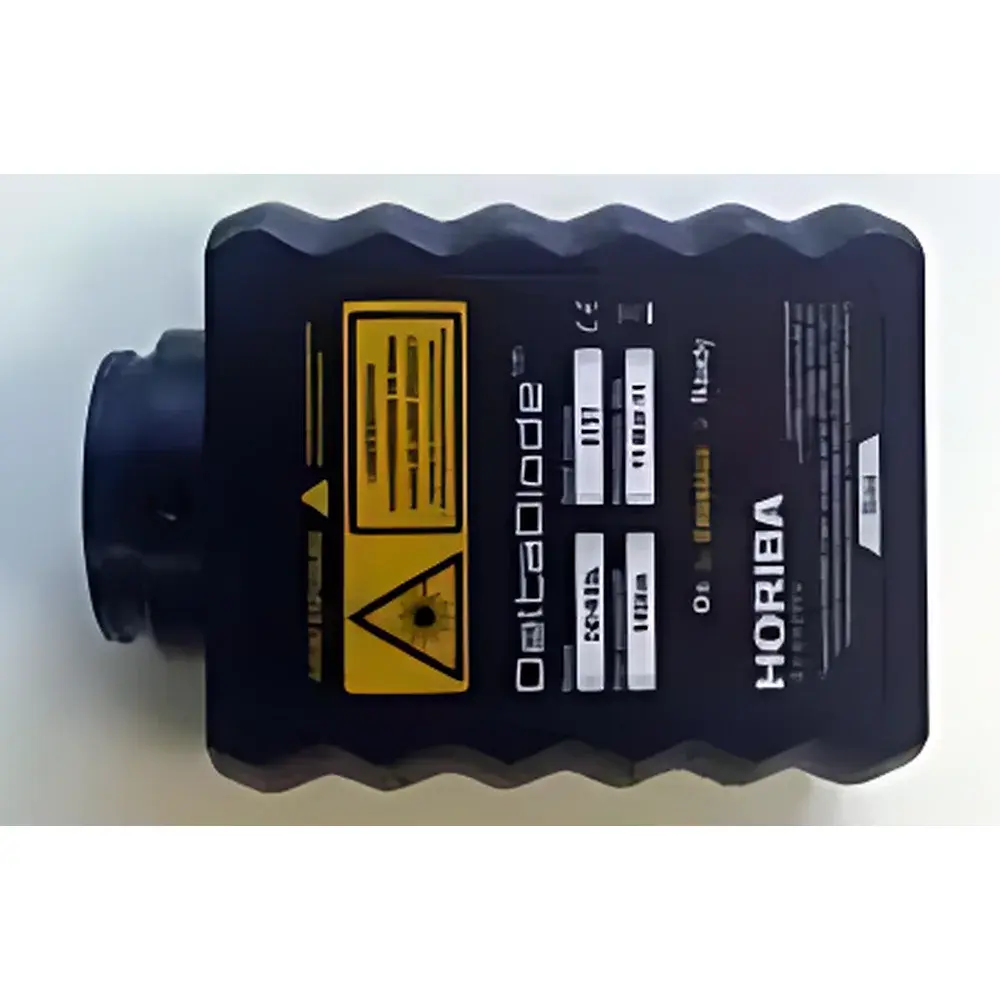
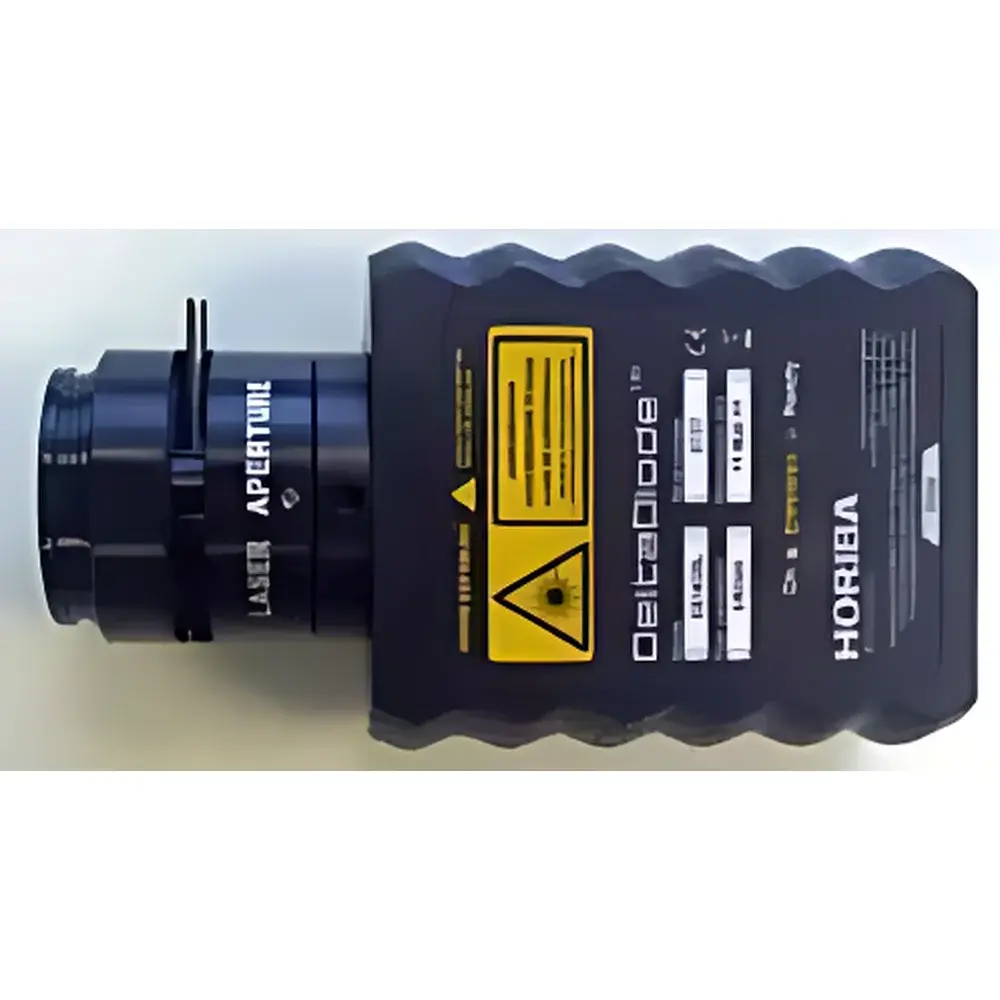
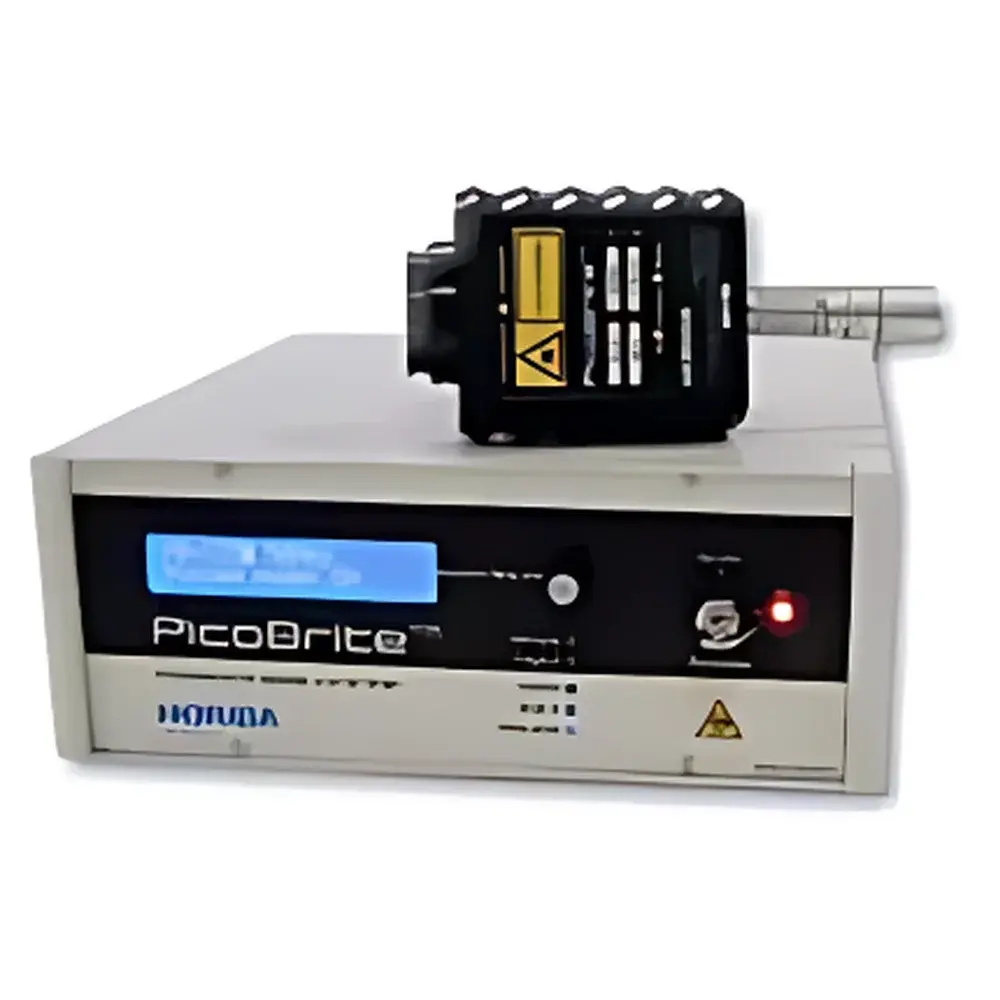
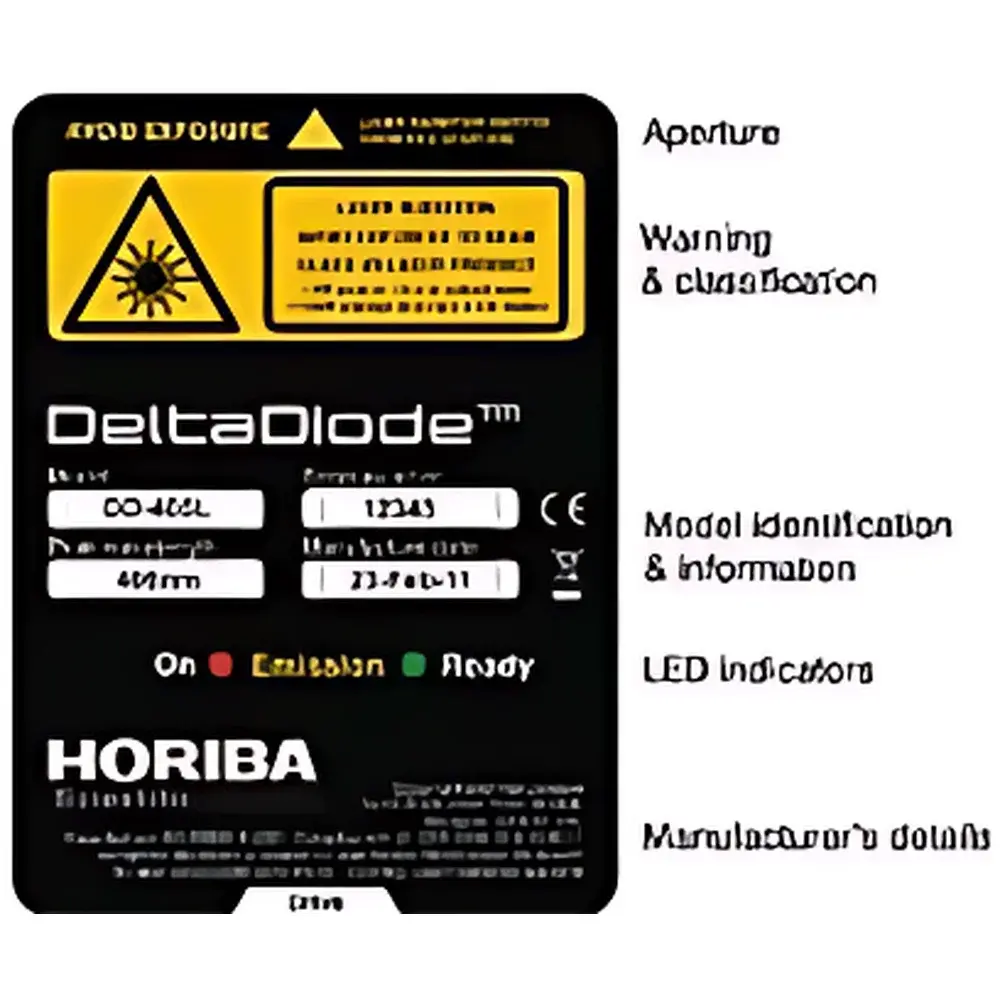
DeltaDiode DD-## 100 MHz Picosecond Pulsed Laser System
| Origin | UK |
|---|---|
| Manufacturer Type | Authorized Distributor |
| Origin Category | Imported Instrument |
| Model | DD-## |
| Pricing | Available Upon Request |
Overview
The DeltaDiode DD-## is a high-performance, modular picosecond pulsed laser system engineered for ultrafast optical excitation in time-resolved photonic applications. Based on gain-switched semiconductor laser diode technology, it delivers sub-70 ps optical pulses with precise temporal control—optimized for Time-Correlated Single Photon Counting (TCSPC), time-domain fluorescence lifetime spectroscopy, and Fluorescence Lifetime Imaging Microscopy (FLIM). Its architecture separates the controller unit from interchangeable light sources, enabling rapid reconfiguration across UV–NIR spectral bands (250 nm to 980 nm) without hardware modification. Designed and originally developed by HORIBA Scientific (formerly marketed as PicoBrite™ between 2009–2010), the DeltaDiode platform adheres to rigorous engineering standards for stability, timing jitter (< 5 ps RMS), and pulse-to-pulse reproducibility—critical parameters in quantitative lifetime analysis under GLP-compliant laboratory workflows.
Key Features
- Modular design: Single controller supports multiple interchangeable laser diode or LED sources—enabling seamless wavelength switching without recalibration.
- Pulse performance: Optical pulse widths < 70 ps (FWHM) across most wavelengths; timing jitter ≤ 5 ps RMS; repetition rates programmable from 10 kHz to 100 MHz (laser diodes) or up to 20 MHz (UV–VIS LEDs).
- Flexible operation modes: Selectable pulsed mode (internally triggered or externally gated), continuous-wave (CW) output (available on select wavelengths), fast/slow gate inputs for synchronized detection gating.
- Trigger & synchronization: NIM and TTL-compatible sync outputs; adjustable nanosecond-range electronic delay (0–1000 ns, 1 ns resolution); external trigger input accepting TTL/NIM logic signals with < 10 ns latency.
- Full parameter control: USB 2.0 interface for PC-based configuration via HORIBA’s proprietary software; local LCD front panel for standalone operation; real-time adjustment of output power, repetition rate, cooling setpoint (TEC-controlled), and pulse amplitude.
- Thermal management: Integrated thermoelectric cooler (TEC) with closed-loop temperature regulation (±0.1 °C stability) ensures wavelength consistency and long-term pulse fidelity.
Sample Compatibility & Compliance
The DeltaDiode system is compatible with standard TCSPC detectors (e.g., MCP-PMTs, SPAD arrays), streak cameras, and time-gated ICCD/ICMOS sensors. Its low-jitter, high-repetition-rate pulses meet timing requirements specified in ISO 17025-accredited fluorescence lifetime calibration protocols. The controller firmware supports audit-trail logging (user actions, parameter changes, timestamps) compliant with FDA 21 CFR Part 11 when deployed in regulated QC environments. All electrical interfaces conform to IEC 61000-4 electromagnetic compatibility standards; laser modules comply with IEC 60825-1:2014 Class 3B/4 safety classifications (dependent on configured output power and wavelength).
Software & Data Management
Control and configuration are managed through HORIBA’s DeltaHub™ software suite (Windows 10/11, 64-bit), providing GUI-driven setup of pulse parameters, thermal profiles, and synchronization logic. The software supports scriptable automation via Python API (PyDeltaHub), enabling integration into custom FLIM acquisition pipelines or automated multi-wavelength lifetime mapping sequences. Raw timing metadata—including sync delay values, TEC setpoints, and pulse energy logs—is embedded in exported .sdt or .ptu files, ensuring traceability for ISO/IEC 17025 method validation. Export formats include ASCII, HDF5, and vendor-neutral TCSPC binary (PTU) for cross-platform analysis in SymPhoTime, FluoFit, or custom MATLAB/Python toolchains.
Applications
- Fluorescence lifetime imaging (FLIM) in confocal, multiphoton, and widefield microscopy platforms.
- Time-resolved photoluminescence (TRPL) of quantum dots, perovskites, and organic semiconductors.
- Single-molecule FRET (smFRET) and protein conformational dynamics studies.
- Diffuse optical tomography (DOT) and time-domain near-infrared spectroscopy (TD-NIRS).
- Calibration of ultrafast detectors and evaluation of instrument response functions (IRFs).
- Photocatalysis kinetics monitoring using time-gated transient absorption setups.
FAQ
What is the minimum pulse width achievable across the DeltaDiode wavelength range?
Typical full-width-at-half-maximum (FWHM) optical pulse durations are < 70 ps for laser diode modules and < 1 ns for UV LED sources—values vary slightly by wavelength due to carrier recombination dynamics.
Can the DeltaDiode controller drive both laser diodes and LEDs simultaneously?
No—the controller operates one source at a time; however, hot-swapping between laser and LED modules is supported without powering down the controller.
Is CW output available for all wavelengths?
CW mode is implemented only on specific laser diode models (e.g., DD-405L, DD-485L, DD-635L); UV LED sources do not support CW operation.
What external trigger signal levels are accepted?
The system accepts TTL (0–5 V) or NIM (−0.8 V logic threshold) triggers with pulse widths ≥ 5 ns and rise times < 2 ns.
Does the system support remote operation in automated production environments?
Yes—via USB 2.0 and the PyDeltaHub Python API, enabling integration into PLC-controlled test benches, wafer-level photonic characterization systems, and GMP-aligned analytical workflows.